
Conveyor Rollers
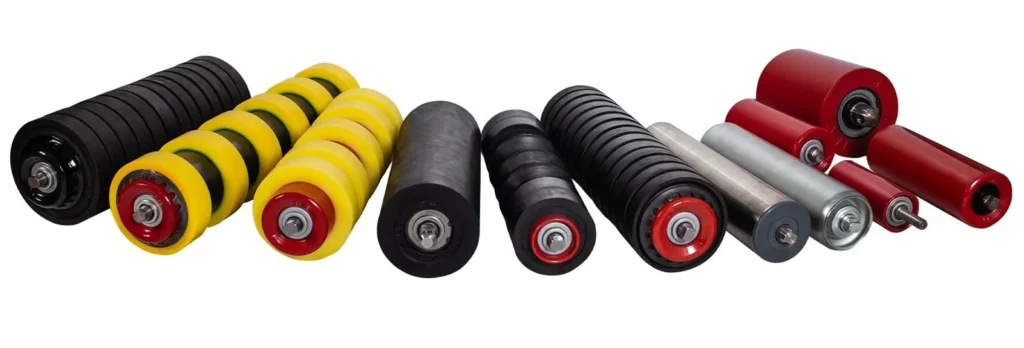
Quick links: Idler Conveyor Roller • Sprocket Conveyor Roller
Carrier roles are the basic machine elements that directly meet the load of the transport system and determine the work character of the line.
What are the carrier roles and how do they work?
A carrier roll consists of a tube body, a mile, a roll/sitting element and a transfer part, such as a cover, a tooth, a cranberry or a channel according to the application.
The right tube, mile, roll, bed and transfer details in the carriers rolls are determining for quiet work, long service life and low maintenance costs. Work width, load, rotation, environment and drive method in the roll design should be dealt with. Two rolls with the same external diameter can have completely different capacities due to different mile and rolling structures.
Measurement in advanced engineering applications is not only done according to the total size and width. The number of points the product to be transported will be supported on the rounds, the roulette center range, the shade riding, the distribution of the load along the line and the access to maintenance are evaluated together. Thus the first investment is aimed at reducing the standing and maintenance costs that may occur during the operating period as well as the first investment.
The information on this page is a guide for the preparation of the offer and the pre-selection stage. The actual product weight, the product base structure, the working time, the environmental conditions and the current line location must be examined together when the final selection is made.
The advantages of the carrier roles
The measurement can be produced according to the project, provides the spare parts compatibility in the existing lines and flexible measurement in the new machine designs.
- Special size and diameter production for the project
- Different Mills of Options
- Different surface coverings
- Avoid and motivated options
- Standardization and maintenance of spare parts
According to the project galvanized steel, painted steel, stainless steel or aluminium construction can be preferred. in engine applications, speed, reducer ratio and transfer type are determined by the load account; in avare applications, the curvature, product base and rolling curvature are considered.
A properly selected system does not only carry out transportation alone; it also provides additional benefits such as product storage, operator feed, machine synchronization and regular pre-ship flow.
The Conveyor Rules
This gallery consists of 9 visual images coming along with the plugin and prepared specifically for the product title. All images are uploaded in an optimized WebP format along with the Advanced Engineering.
 Advanced Engineering
 Advanced Engineering
 Advanced Engineering
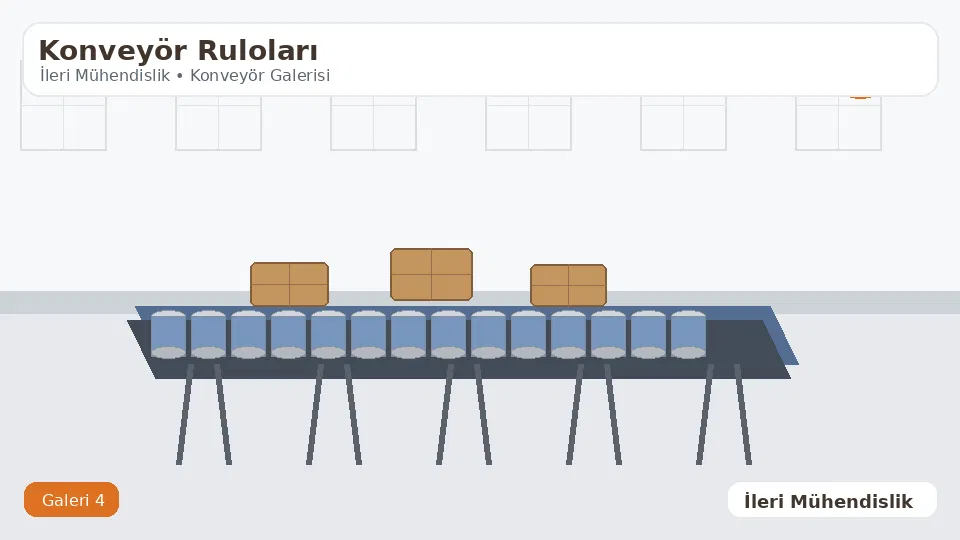 Advanced Engineering
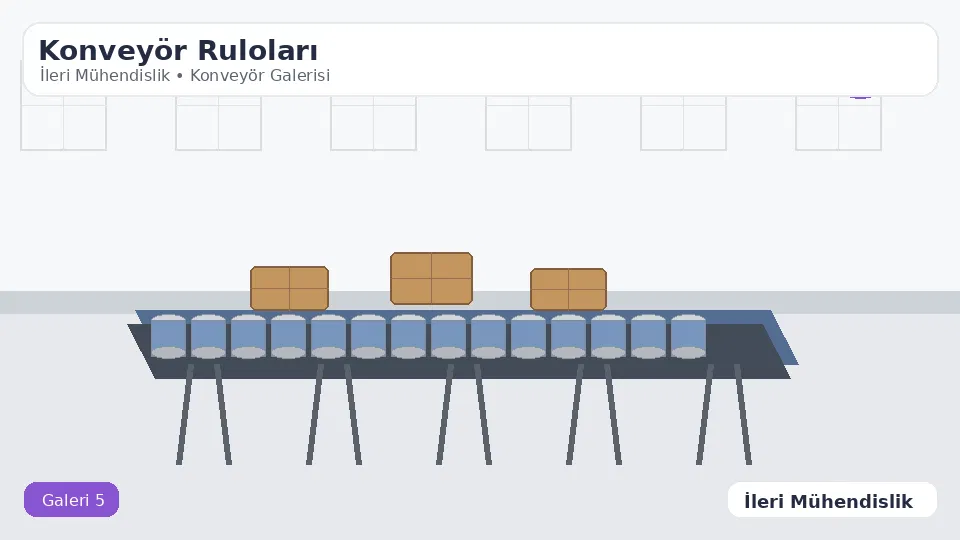 Advanced Engineering
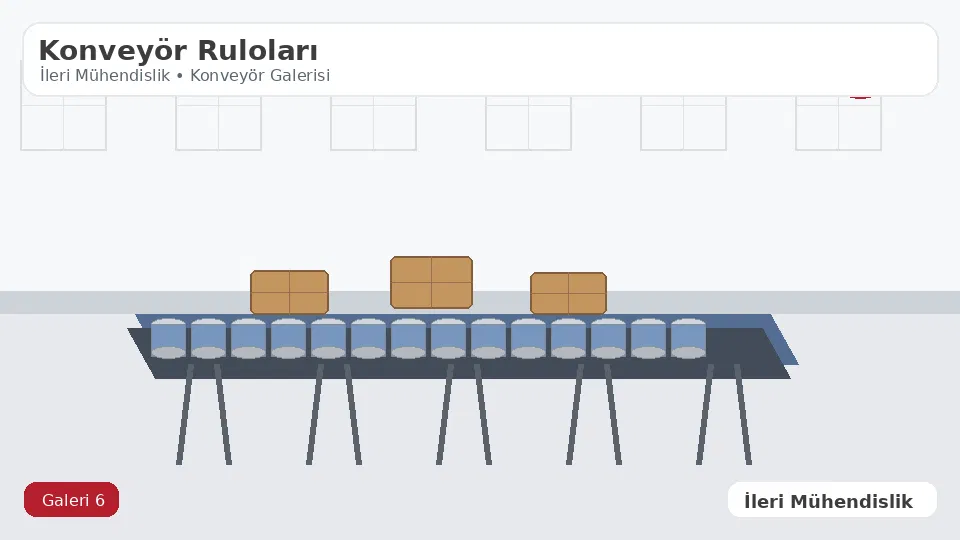 Advanced Engineering
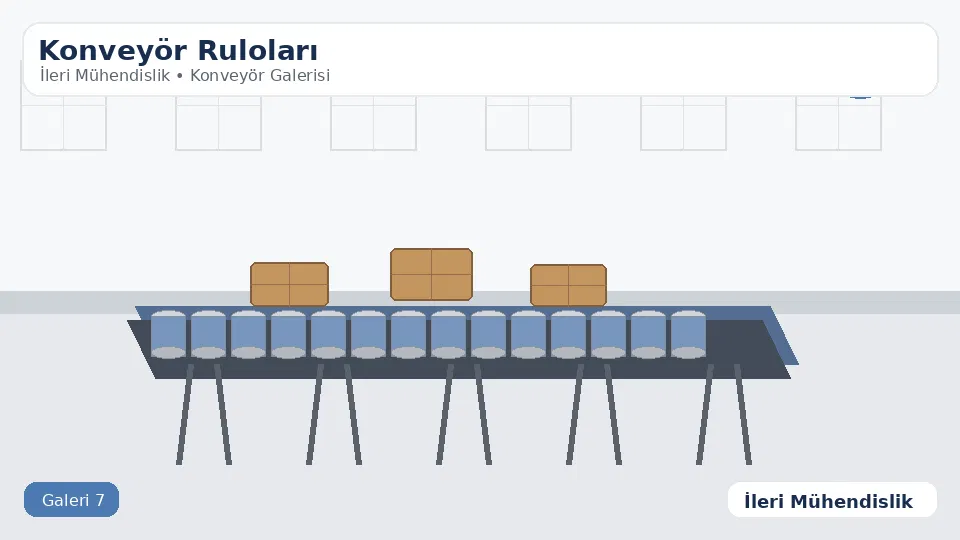 Advanced Engineering
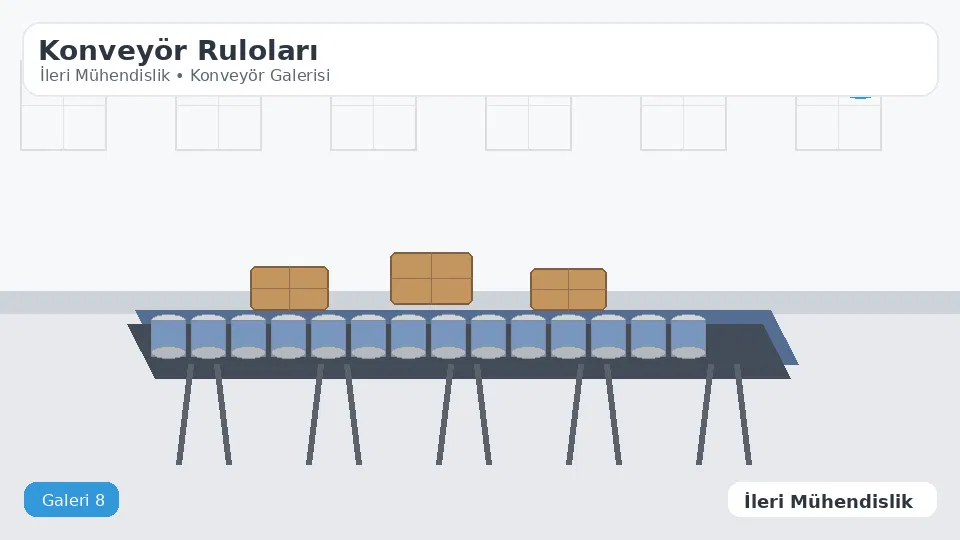 Advanced Engineering
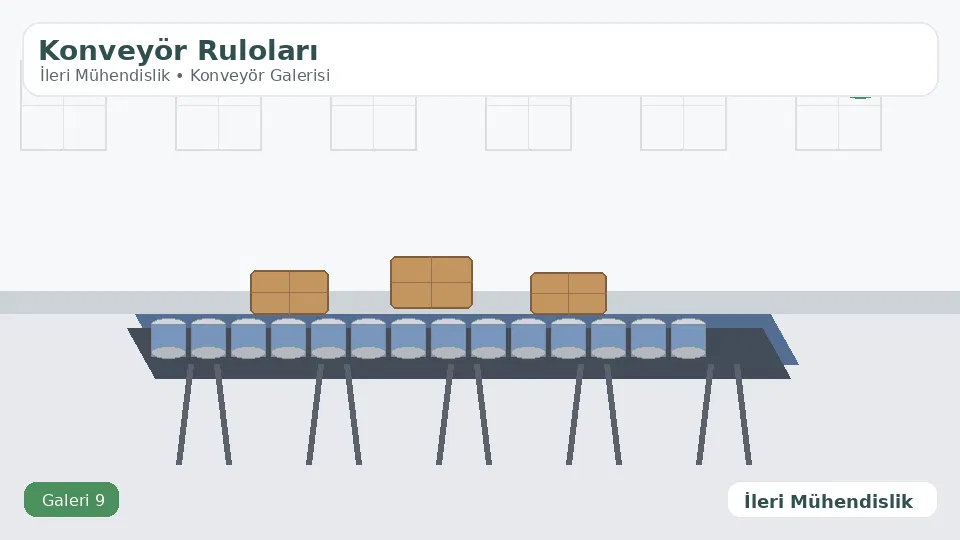 Advanced Engineering
Technical Specifications and Design Criteria
| Tube material | Galvanized, black steel, stainless, aluminum or covered surface |
|---|---|
| Shaft | According to application, fixed, stretched or dental connected |
| Bearing | The speed, the load and the environment. |
| The Meat / Meat | The load and work size are calculated. |
| Surface | Flat, rubber, PVC, PU or special coating |
| Special production | Size, mile end and transmission geometry special for the project |
It is not right to look at the tube diameter alone in the selection of the roll; the mile-shell value, the rolling capacity, the tube-meat thickness and the work circuit should also be checked.
The values on the table do not mean a fixed catalogue product. In particular, when the load, speed, blow, temperature, moisture, chemical contact and cleaning requirements change, the roll diameter, the meat thickness, the mile diameter, the rolling type, the shade cut and the drawing order should be re-controled. The final measurements should be confirmed through the production picture and the project approval.
As much as the weight of a single piece in the cargo transport account, it is also important how many roles the product is supported on the carrier. Small-based or irregular products may require a more frequent roles center range.
Applications
Carrier rolls can be used both in complete carrier systems and in special transfer modules of machine manufacturers.
- Role of Conveys
- Packaging lines
- The Palette Transportation Systems
- Machine transfer
- Depo and logistics automation
The transition of the product to the previous and the next machine is ⁇ important in line design. If the transfer gap, product rotation, the possibility of compression and the sensor positions are solved at the beginning, the need for subsequent intervention during production is significantly reduced.
In field applications, the transportation line usually works with a machine or business station. Therefore, not only the product transportation; the operator height, the charge-release direction and maintenance access should also be assessed according to the area of use.
What should be taken into account when choosing the carrier rounds?
In the renewal of the current roll, the total size, tube length, tube diameter, mile diameter and mile end geometry should be measured together.
If possible, the product's size and height; one piece and total line load; desired speed; work time; environmental conditions and if possible, the photo of the existing line should be shared. This information also prevents the choice of a hard and expensive system and the problem in the field with an inadequate design.
The selection of material in chemical, food, high humidity or discharge environment should be different from the standard dry environment applications.
In particular, in spare parts rolls, the total size, tube length, mile diameter, mile output and connection geometry should be checked separately, while in the carriers applications, the line direction, foot number, transport height and transfer type should be clarified in the first stage.
Project Planning Tips
The basic information on a product page provides the right start; however, the area size, input-output machine coats, product flow unit and operator's way of work must be assessed together in the actual project. Therefore, if possible, in the design phase, it is useful to share a photo, measurement crocodile or video of the existing line.
The long lines have access to maintenance, the average number of support and the modular combination structure; the short lines have space savings and operator ergonomics. In wet or washed areas, the non-spoil material, in heavy-track applications, the thicker meat roll and the more rigid shase should be preferred.
When preparing the offer is not only according to the current needs, but also making a long-term advantage to choose whether it will increase capacity or change the product in the future. For example, it is right to prepare a later sensor, stopper or engine add-on even the six and foot structure according to it.
Manufacturing, assembly and maintenance approach
The equocentricity and release control of the rolling pipe, miles and bed elements are important especially in terms of sound and vibration on fast lines.
For service ease, it is important that the wrapped parts such as the roll, the roll, the chain or the tape are accessible; the protectors can be dissolved when necessary and the drawing points are in a position that does not force the operator. In electrically driven systems, the emergency stop, the protective maintenance, the sensor and the control scenario should be treated according to the risk assessment of the project.
The periodic maintenance should be checked for the light connections, the rolling sound, the rolling surface, the tension and the shase direction of the transmission elements. Regular control prevents a small disharmonic from turning into a rolling or transmission failure.
After installation testing is done, work in the empty, work on the nominal load and start-stop behavior should be observed separately. ⁇ in the curved and driven systems, uncontrolled acceleration, product collision and side-flight situations should be seen in this stage.
Frequently Asked Questions
How to get the carrier roll size?
Total size, tube work length, tube diameter, mile diameter and the connection form of the two mile ends should be measured separately.
Which roll diameter should be chosen?
The load, rolling gap and the center range are selected by controlling the shell and rolling capacity.
When is the covered roll needed?
In need such as climbing, noise reduction, surface protection or no trace on the product, rubber, PVC or PU coating can be preferred.
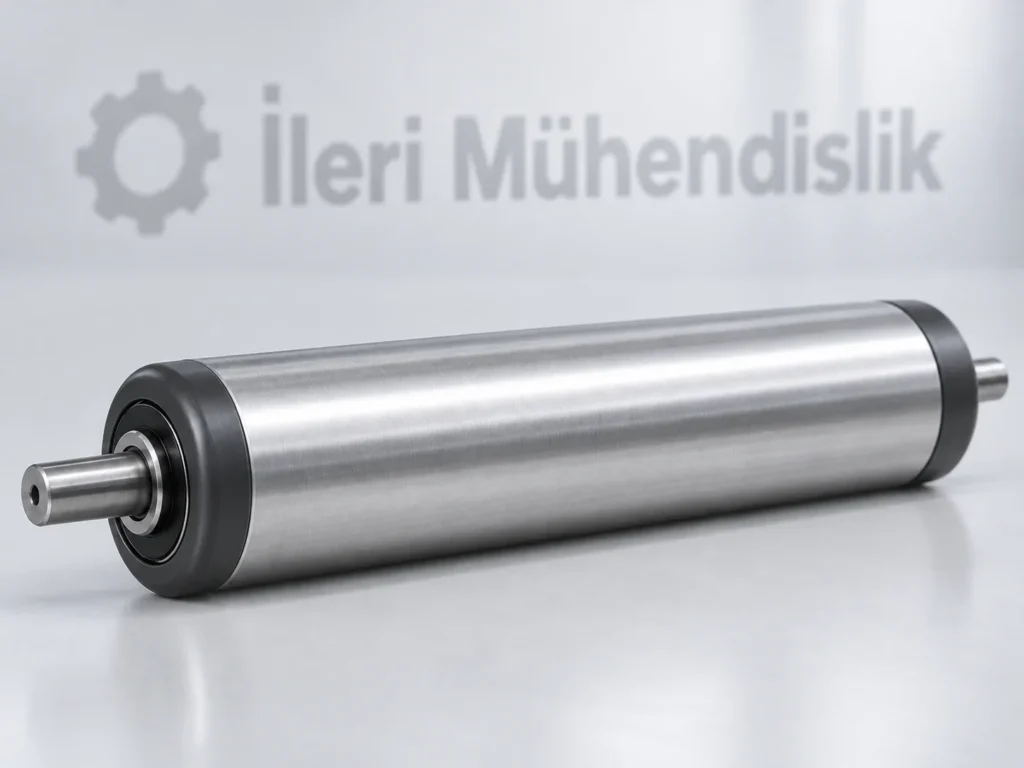
Aluminium Conveyor Rules
Aluminium Conveyor Rolls Manufacturing, body and mile selection, bed details, customized production and product gallery.
Explore ↗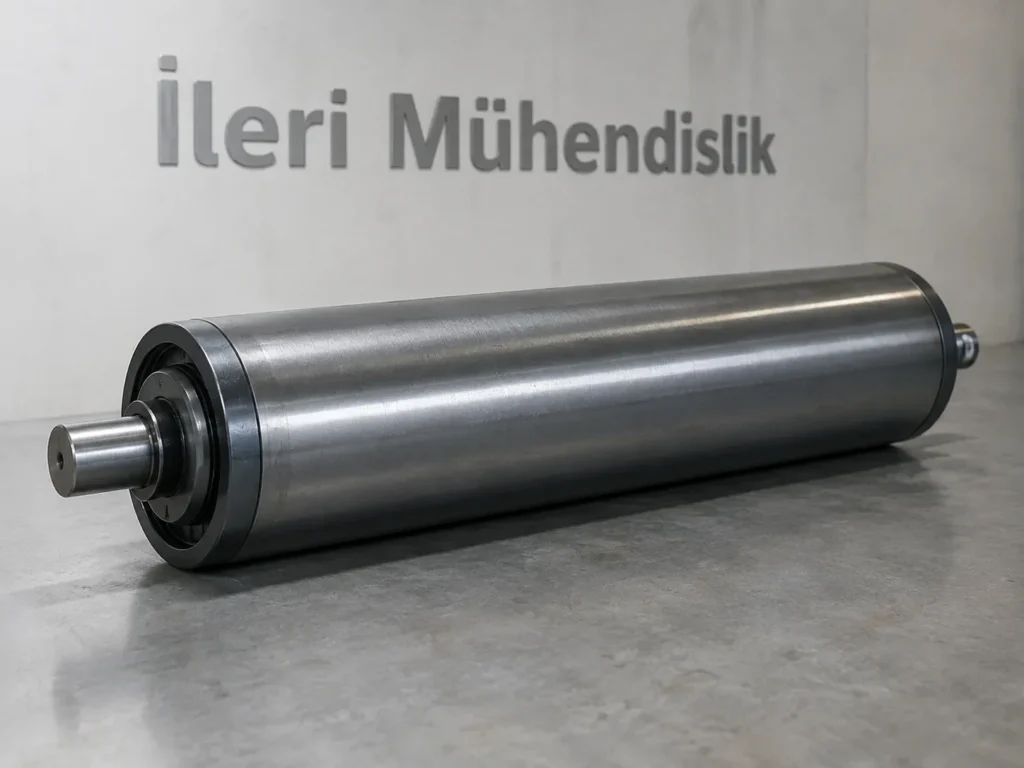
Idler Conveyor Roller
Avare Conveyor Rolls manufacturing, body and mile selection, bed details, size-specific production and product gallery.
Explore ↗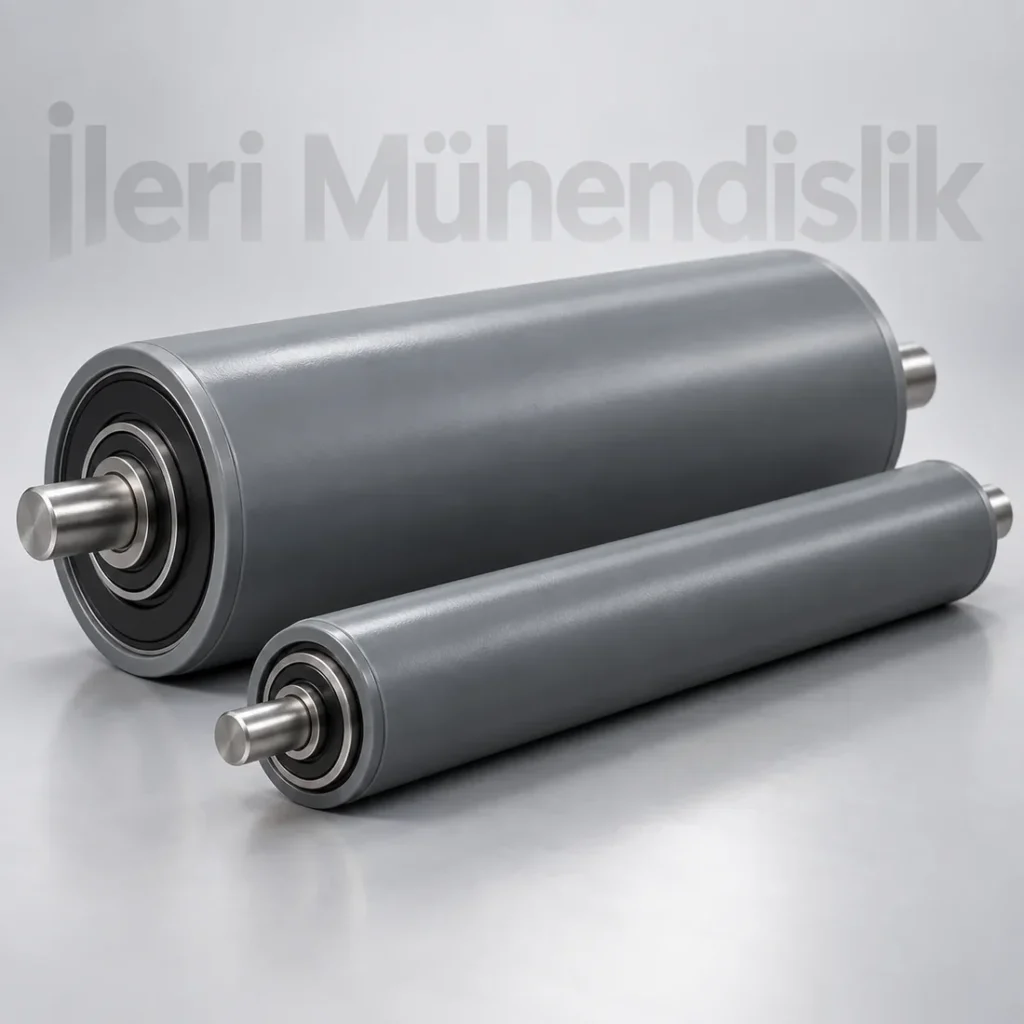
The rubber container roll
Gum Covered Conveyor Rolls Manufacturing, Body and Mile Selection, Bed Details, Size-Specific Production and Product Gallery. Buy Technical Scope with Advanced Engineering
Explore ↗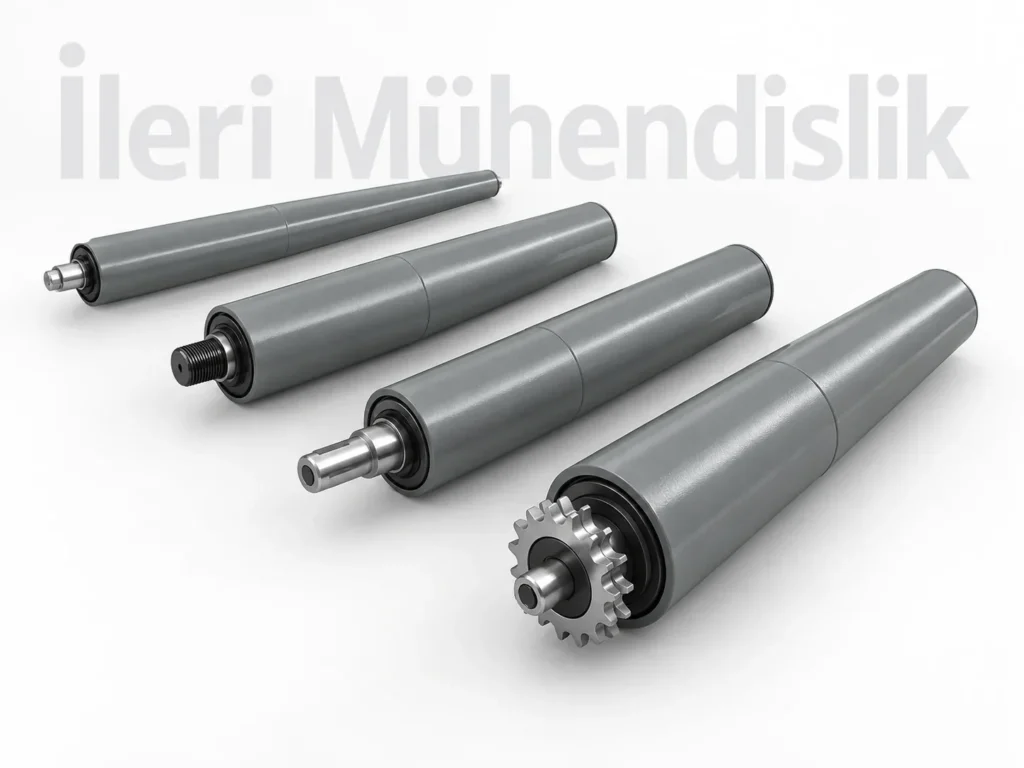
Tapered Conveyor Roller
Conic Conveyor Rolls manufacturing, body and mile selection, bed details, size-specific production and product gallery.
Explore ↗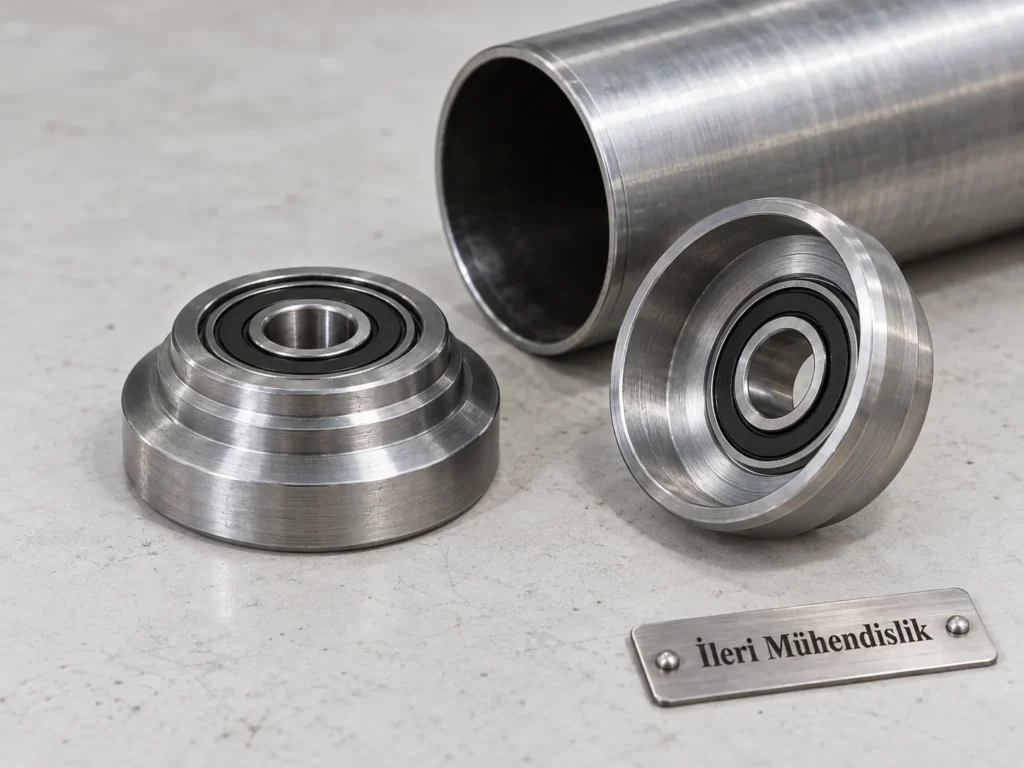
Metal covered carrier roll
Metal Covered Conveyor Rolls Manufacturing, body and mile selection, bed details, customized production and product gallery. Advanced Engineering with technical scope back
Explore ↗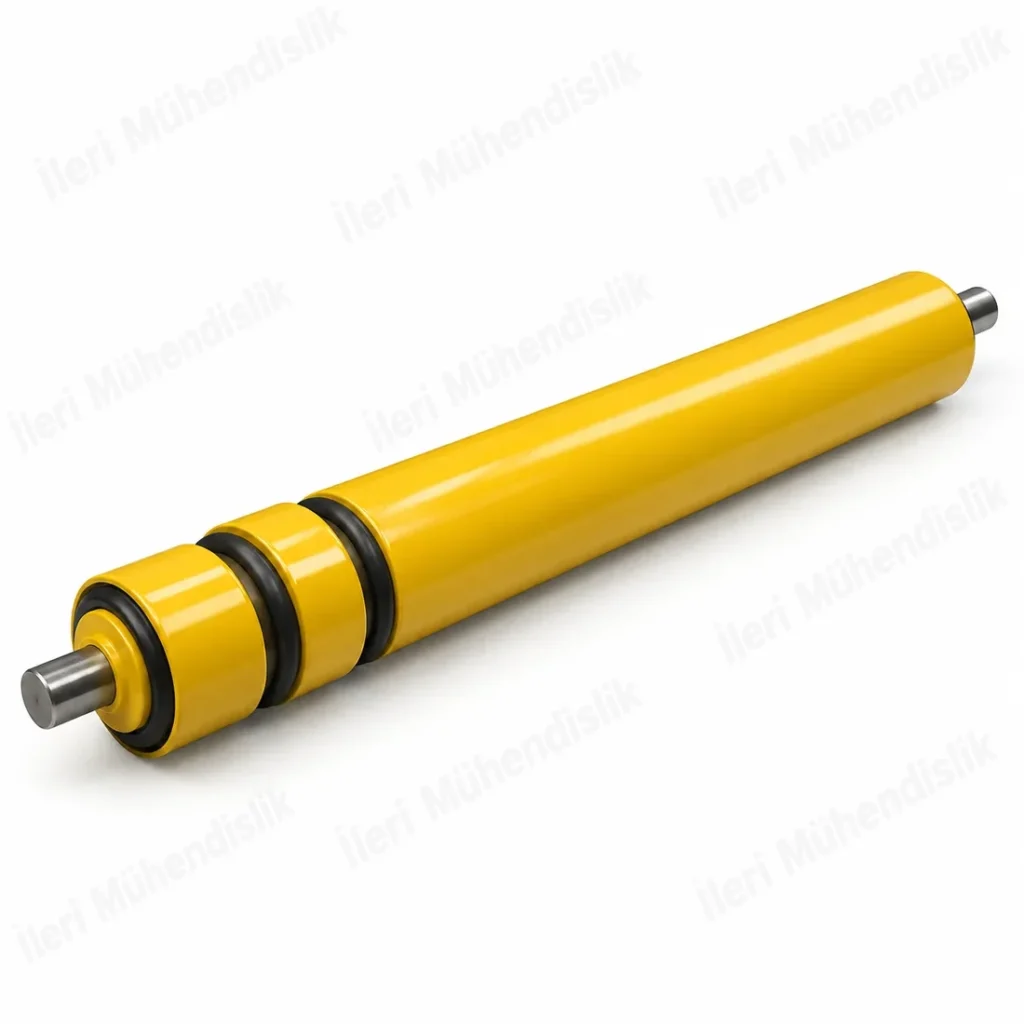
O-Ring Grooved Conveyor Roller
O-Ring Channel Conveyor Rolls Manufacturing, Body and Mile Selection, Bed Details, Measurement-Specific Production and Product Gallery.
Explore ↗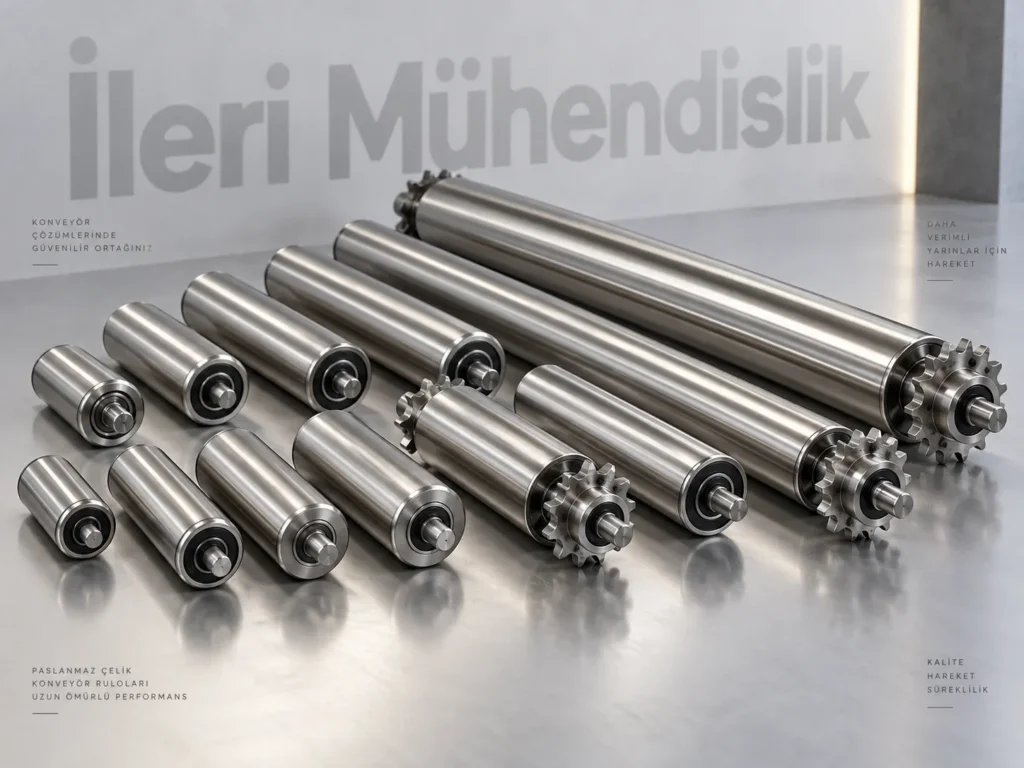
The untouched carrier roll
Stainless Carrier Rolls Manufacturing, body and mile selection, bed details, customized production and product gallery.
Explore ↗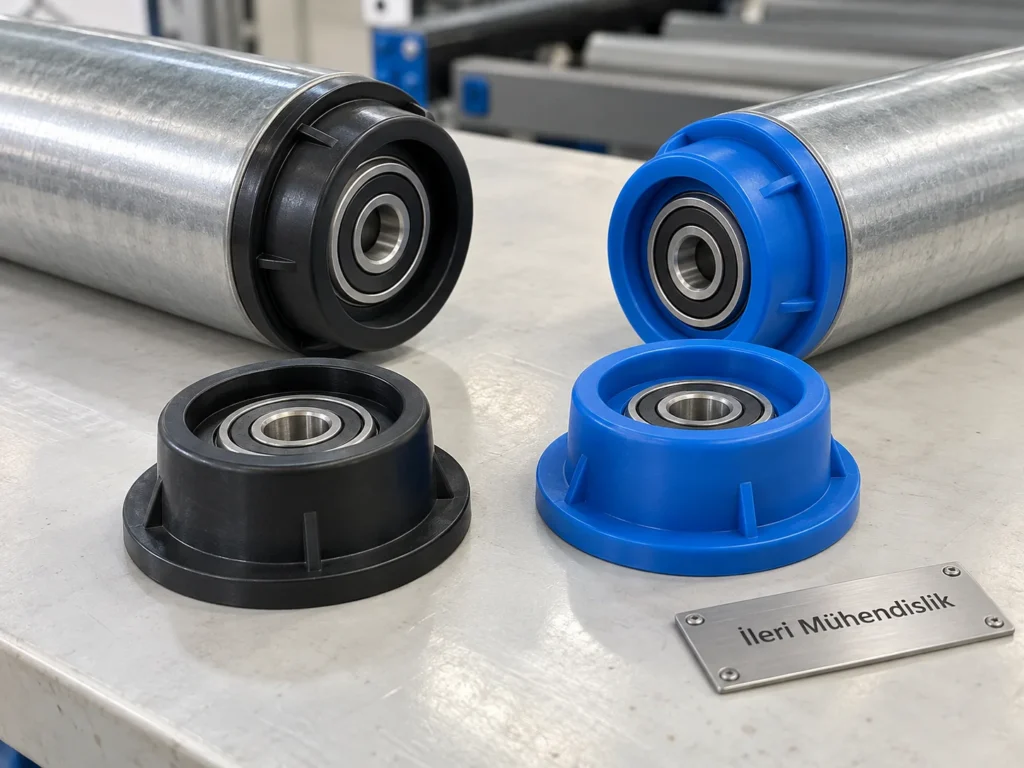
Plastic covered carrier roll
Plastic Covered Conveyor Rolls Manufacturing, Body and Mile Selection, Bed Details, Measurement-Specific Production and Product Gallery. Advanced Engineering and Technical Range
Explore ↗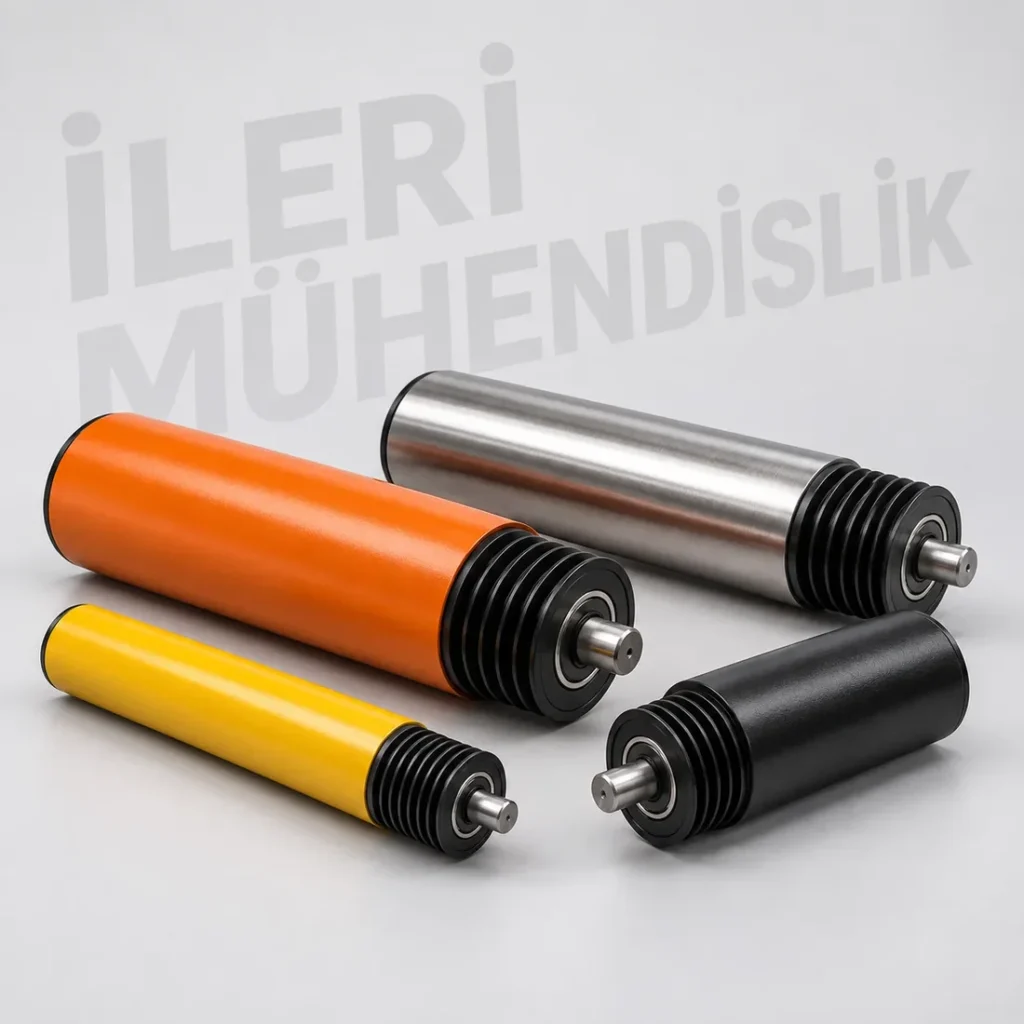
Poly-V Conveyor Roller
Poly-V Crafted Conveyor Rolls Manufacturing, Body and Mile Selection, Bed Details, Measurement-Specific Production and Product Gallery. Advanced Engineering and Technical Range
Explore ↗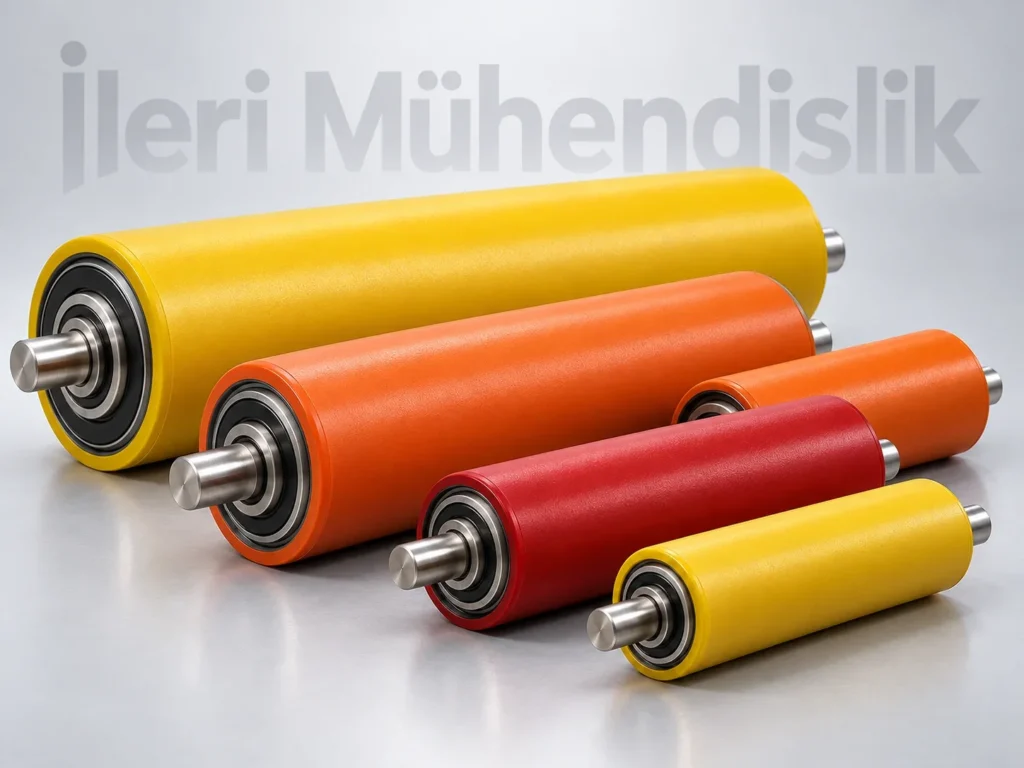
PU covered carrier roll
PU Covered Conveyor Rolls Manufacturing, Body and Mile Selection, Bed Details, Measurement-Specific Production and Product Gallery.
Explore ↗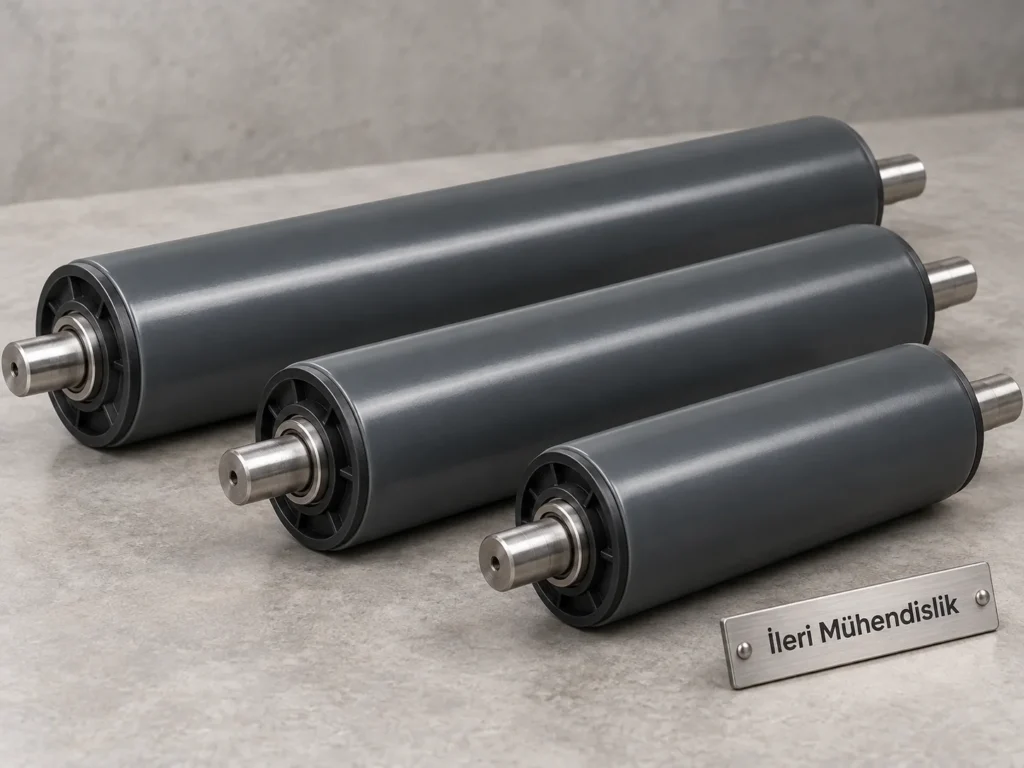
PVC covered carrier roll
PVC-covered Conveyor Rolls Manufacturing, body and mile selection, bed details, custom-made production and product gallery.
Explore ↗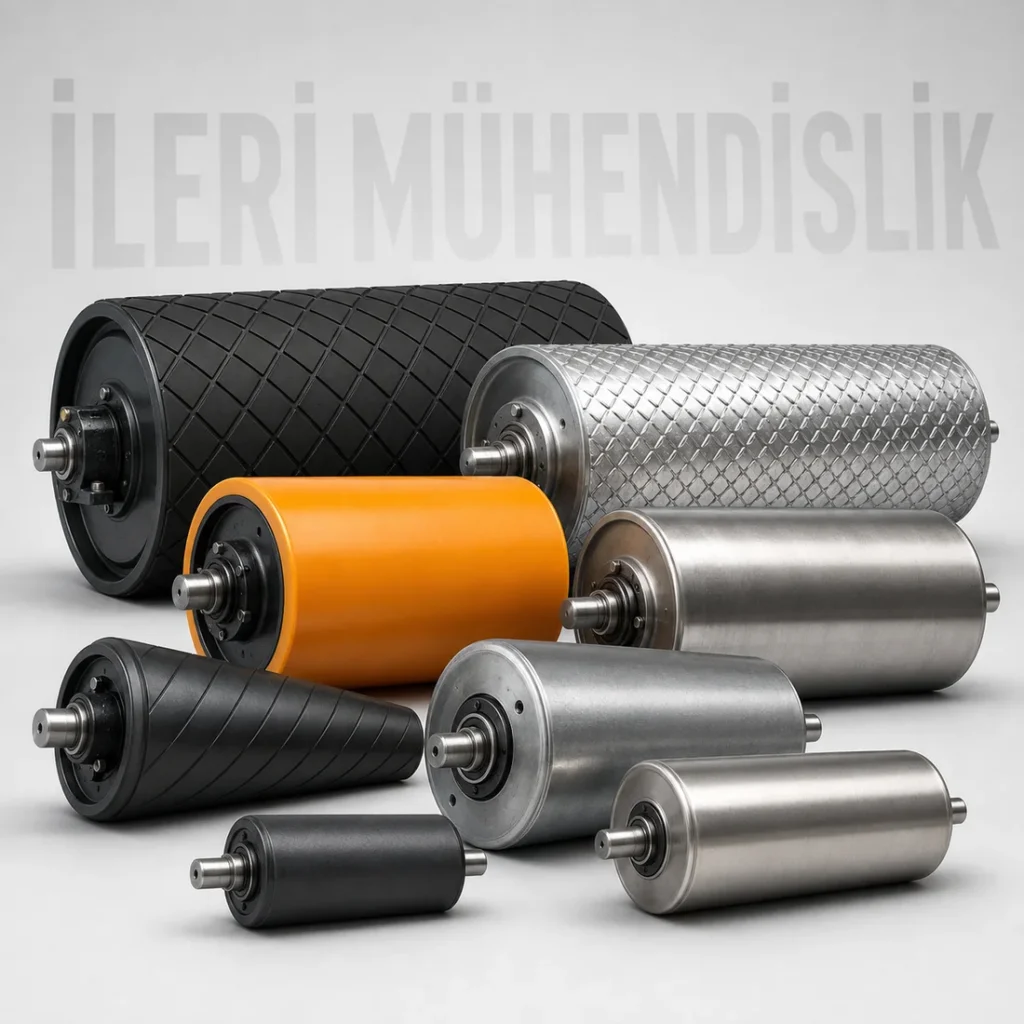
The Tambur Conveyor Rulos
Manufacturing of the Tambur Conveyor Rolls, body and mile selection, bed details, custom production and product gallery. Determine the technical scope with Advanced Engineering
Explore ↗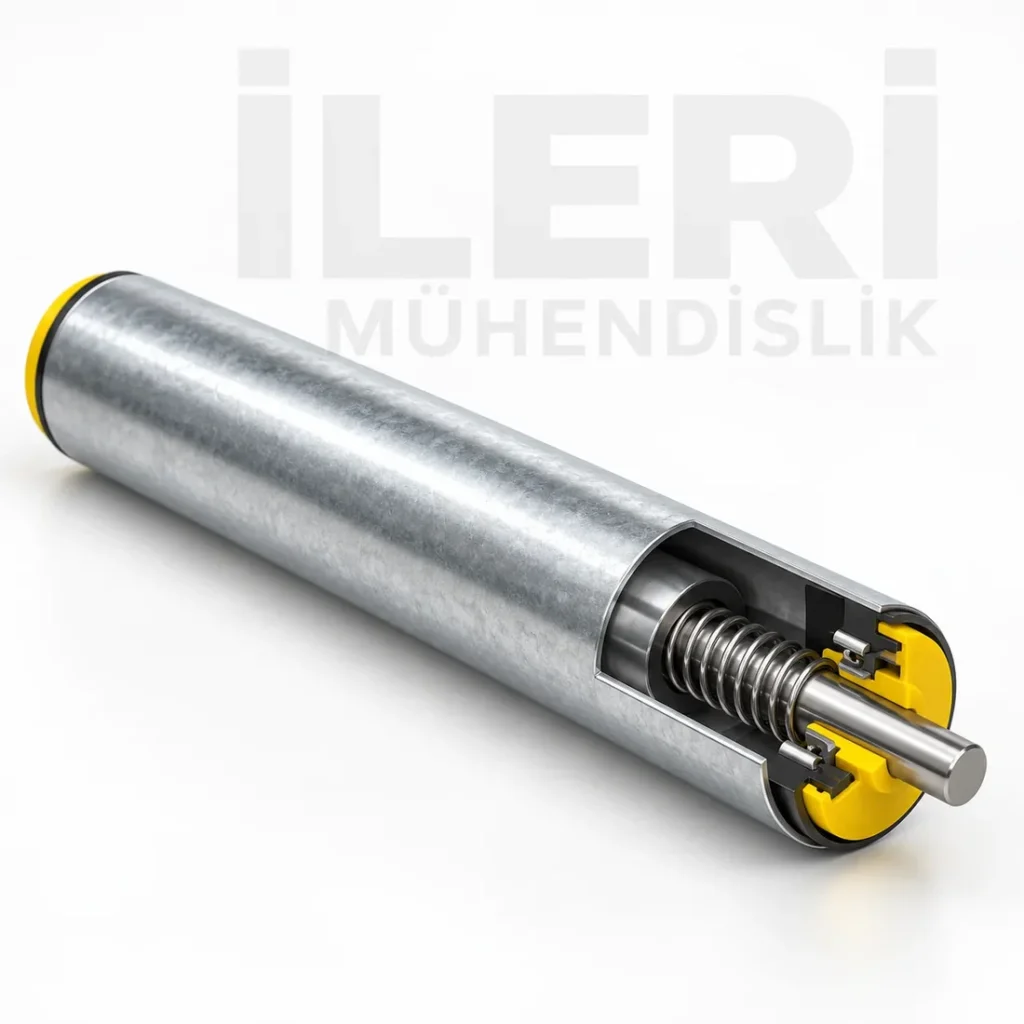
Spring-Loaded Shaft Conveyor Roller
The National Conveyor Rolls Manufacturing, body and mile selection, bed details, size-specific production and product gallery.
Explore ↗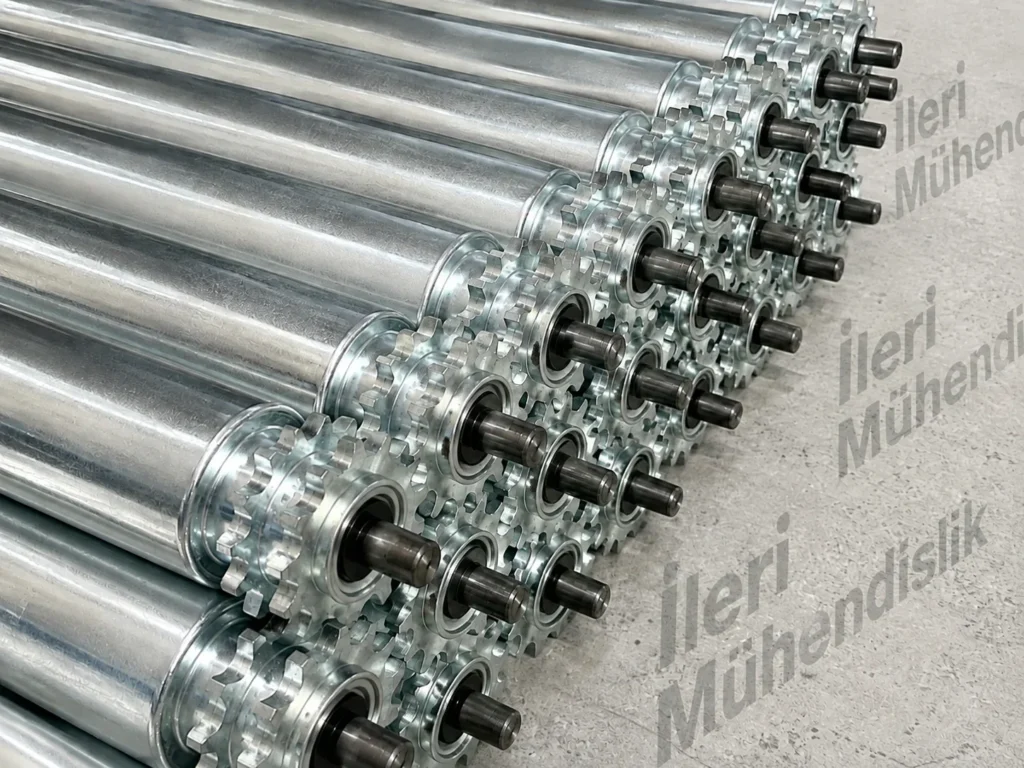
Sprocket Conveyor Roller
Manufacturing of chain tooth conveyor rolls, body and mile selection, bed details, custom-made production and product gallery. Buy technical scope with advanced engineering
Explore ↗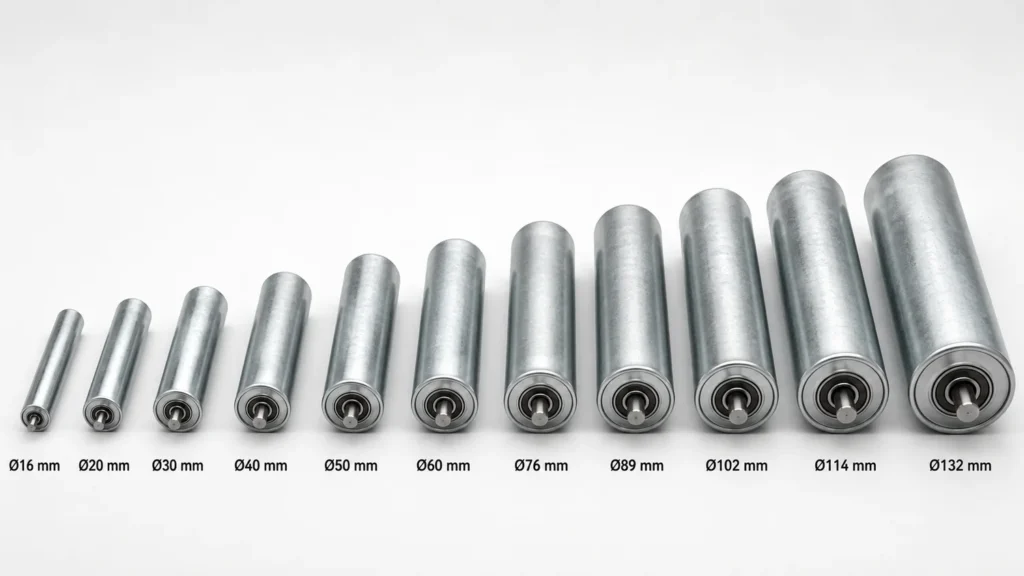
Idler Conveyor Rollers
Avare Conveyor Rules Manufacturing, body and mile selection, bed details, custom-made production and product gallery.
Explore ↗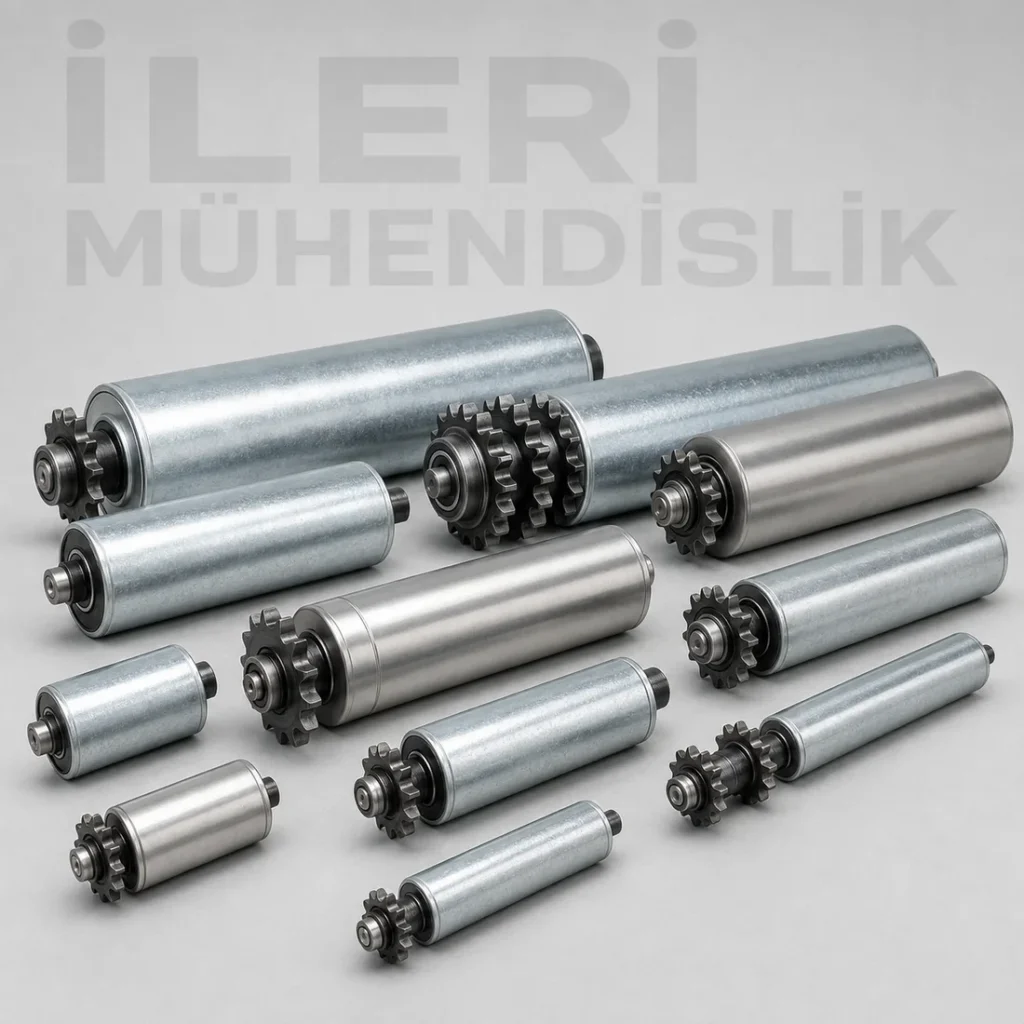
The Chain of Dental Conveyor
Manufacturing of chain tooth conveyor roles, body and mile selection, bed details, custom-made production and product gallery. Advanced Engineering with technical scope be
Explore ↗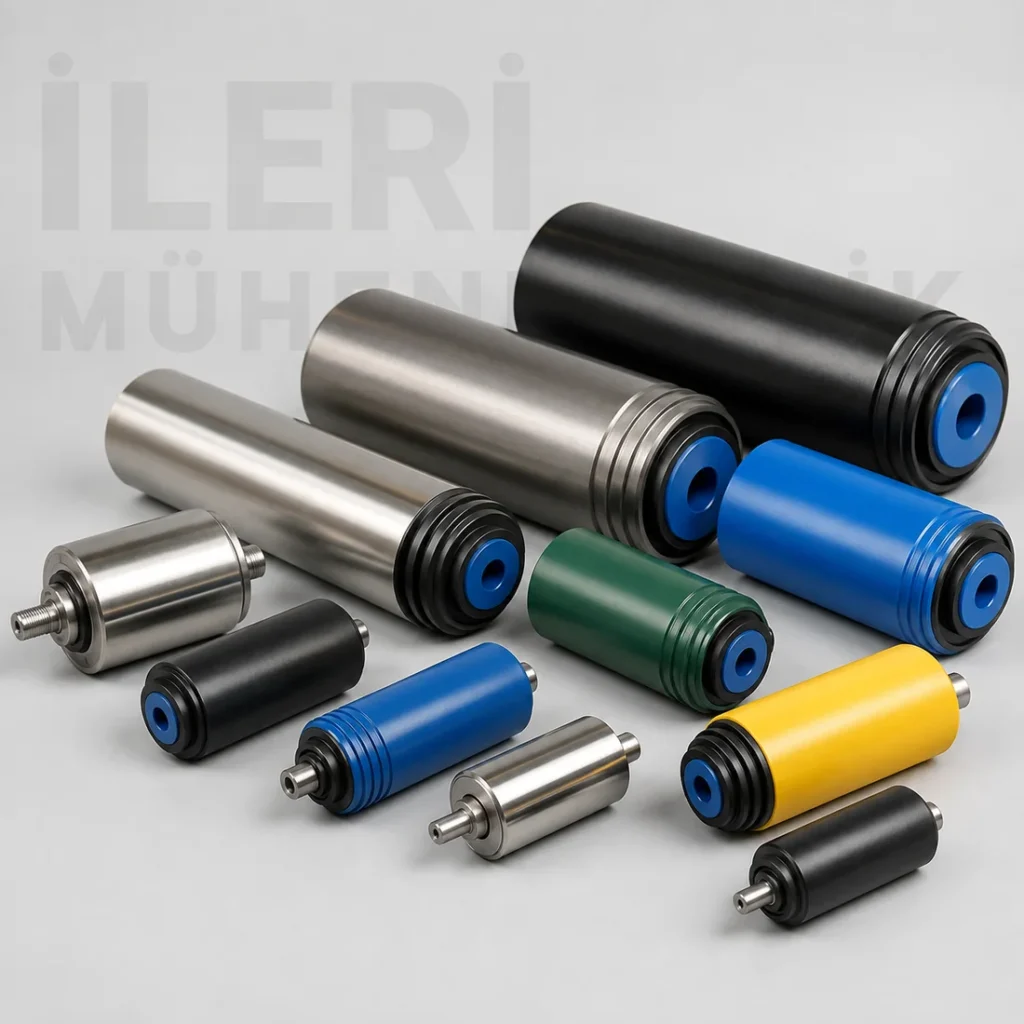
O-Ring Rules
O-Ring Wire Rolls Manufacturing, body and mile selection, bed details, customized production and product gallery.
Explore ↗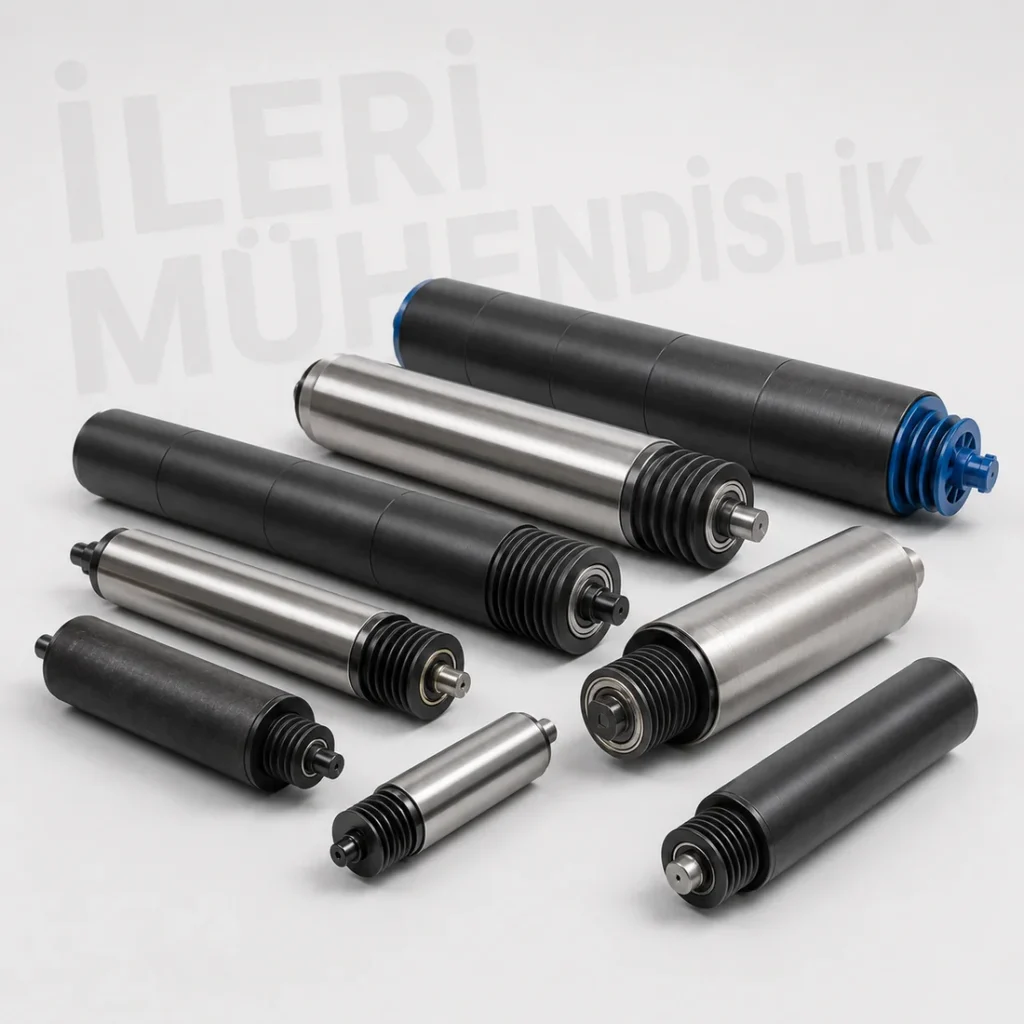
Poly-V Rules
Poly-V Wire Rolls Manufacturing, body and mile selection, bed details, customized production and product gallery.
Explore ↗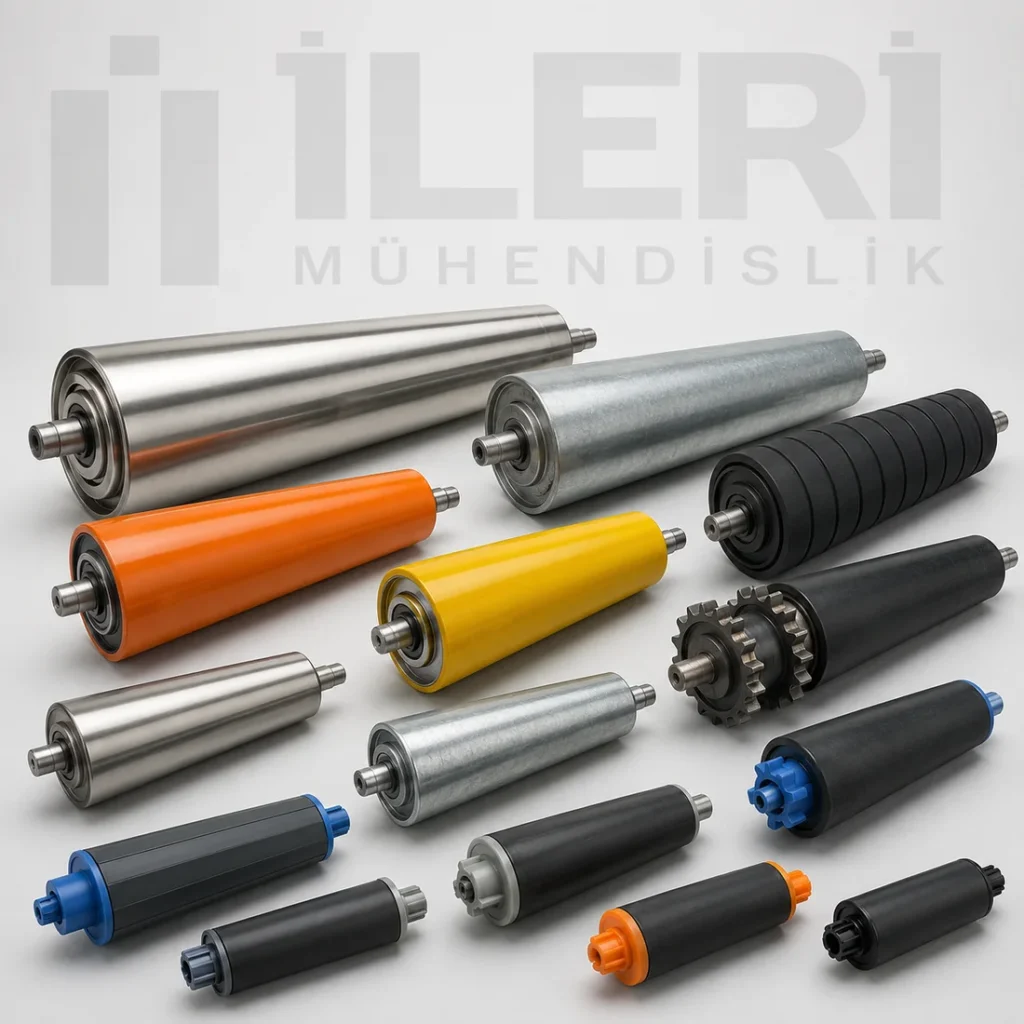
The roulette
Conic Rolls manufacturing, body and mile selection, bed details, customized production and product gallery. Determine the technical scope with Advanced Engineering.
Explore ↗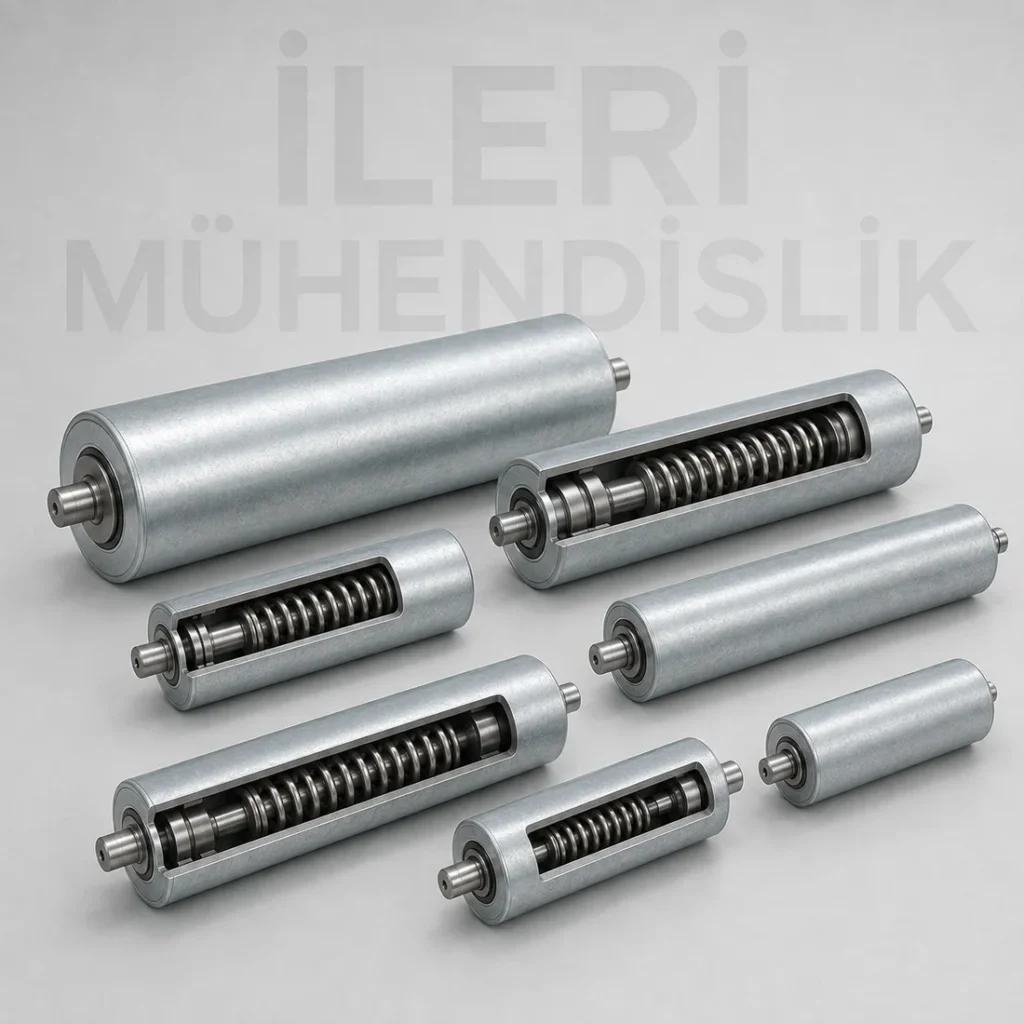
The Conveyor Rules
Manufacturing of wheels of the wheels of the carrier, body and mile selection, bed details, custom production and product gallery.
Explore ↗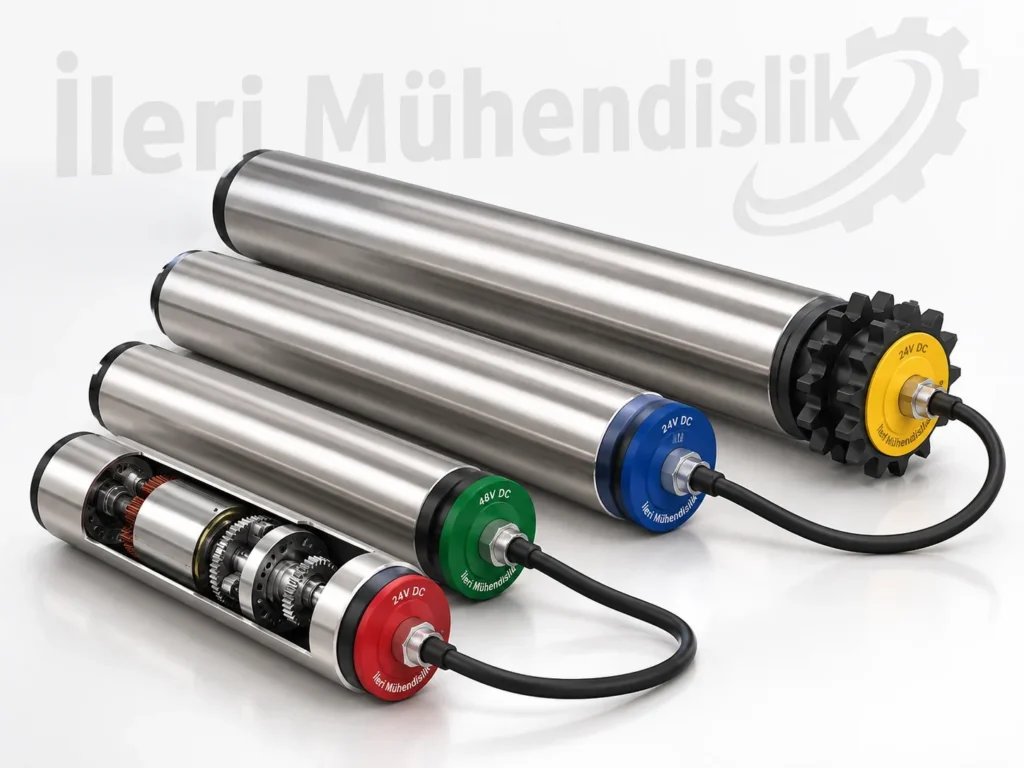
Motor Rules
Motor Rolls manufacturing, body and mile selection, bed details, customized production and product gallery.
Explore ↗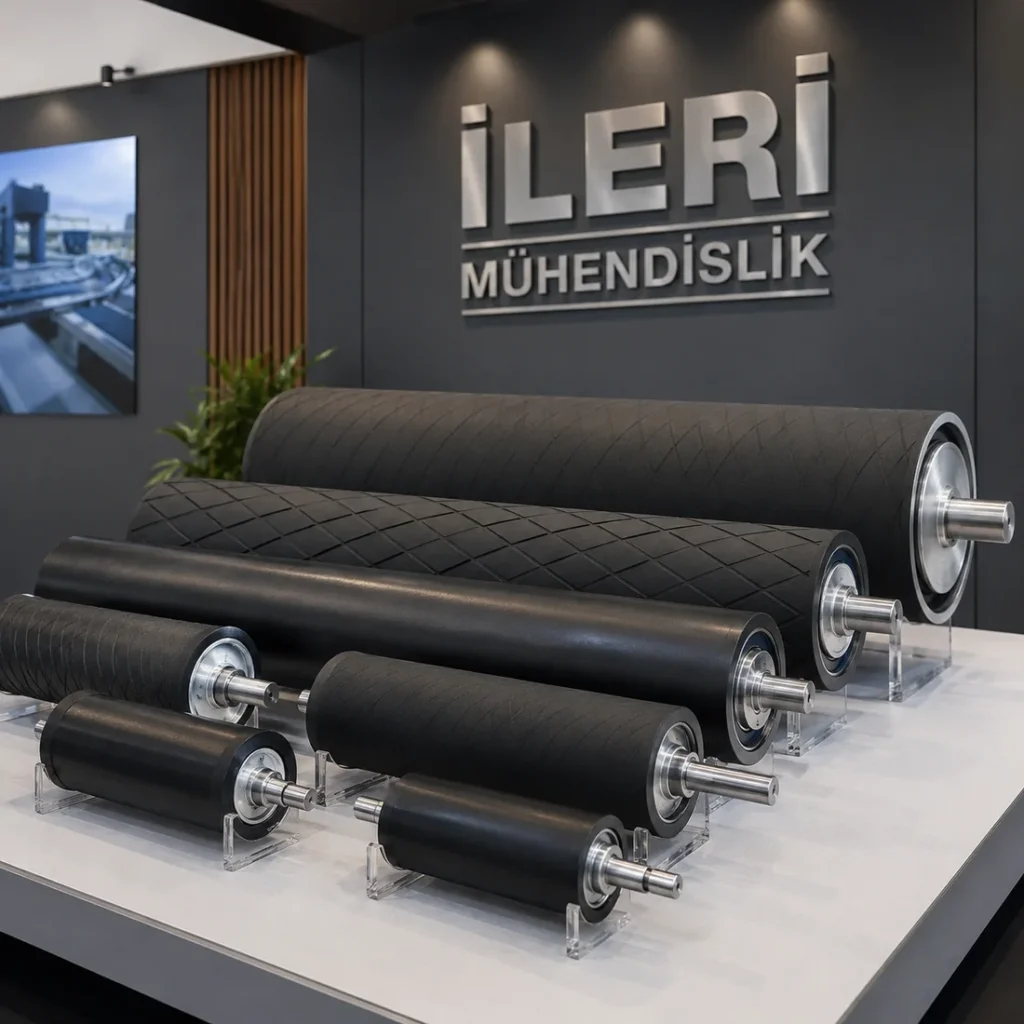
Rubber covered roles
Gum Covered Rolls Manufacturing, body and mile selection, bed details, size-specific production and product gallery.
Explore ↗PVC covered rollers
PVC-covered rolls manufacturing, body and mile selection, bed details, customized production and product gallery.
Explore ↗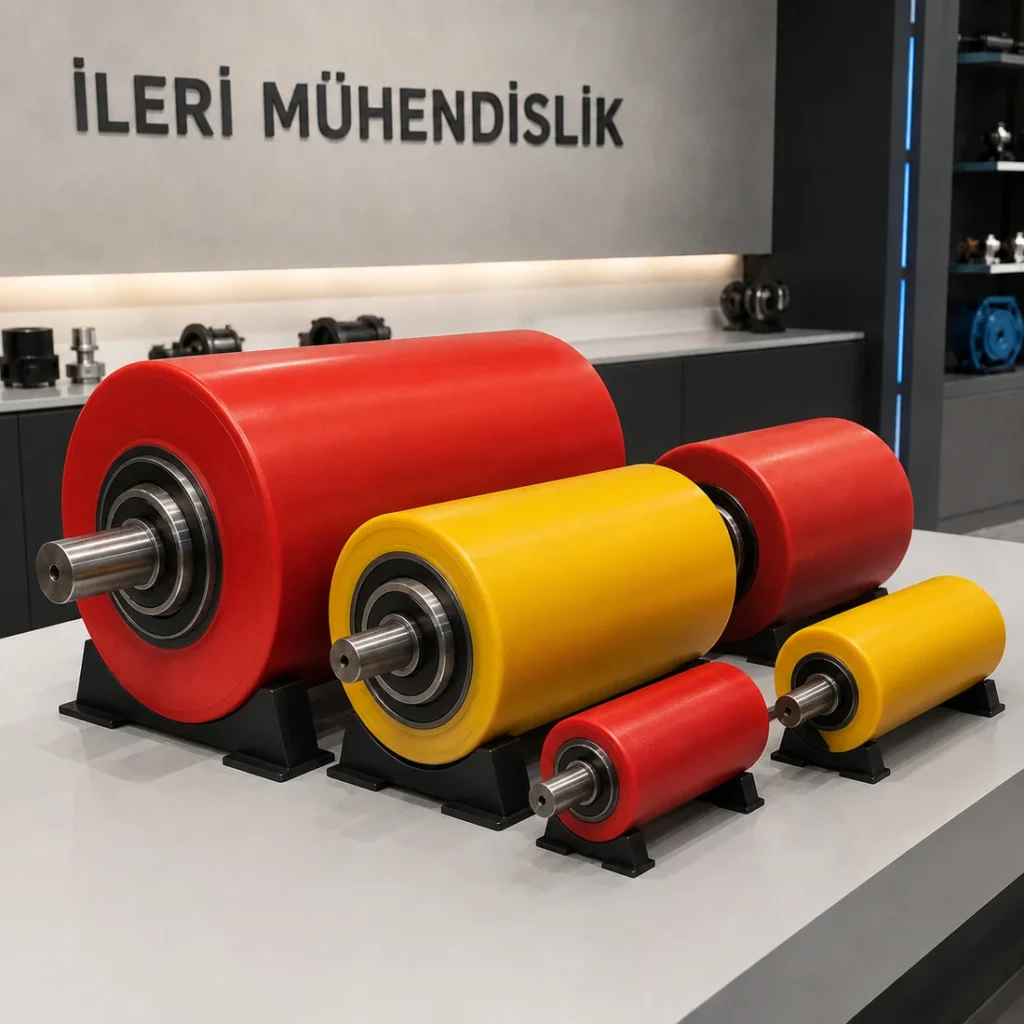
Polyurethane / PU covered roles
Polyurethane / PU Covered Rolls Manufacturing, body and mile selection, bed details, customized production and product gallery. Technical scope with Advanced Engineering
Explore ↗The untouched carrier rolls
Manufacturing of stainless carrier roles, body and mile selection, bed details, customized production and product gallery.
Explore ↗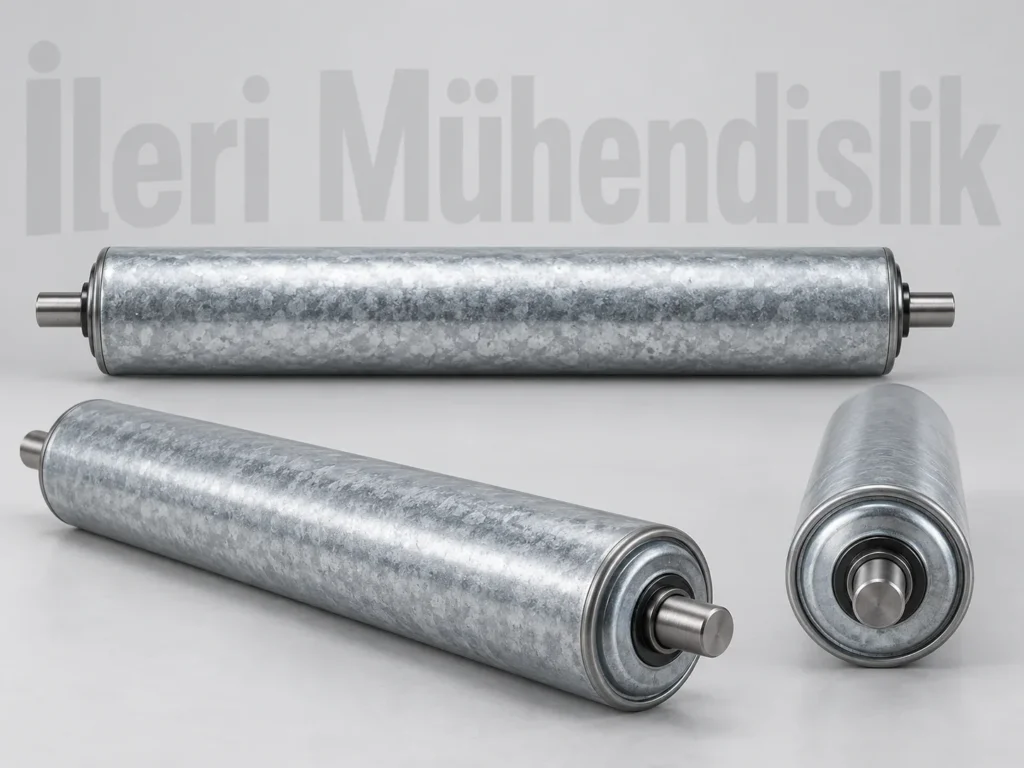
Galvaniz Conveyor Rules
Galvaniz Conveyor Rules Manufacturing, body and mile selection, bed details, custom-made production and product gallery.
Explore ↗Aluminium Conveyor Rules
Manufacturing of Aluminium Conveyor Rules, body and mile selection, bed details, custom-made production and product gallery.
Explore ↗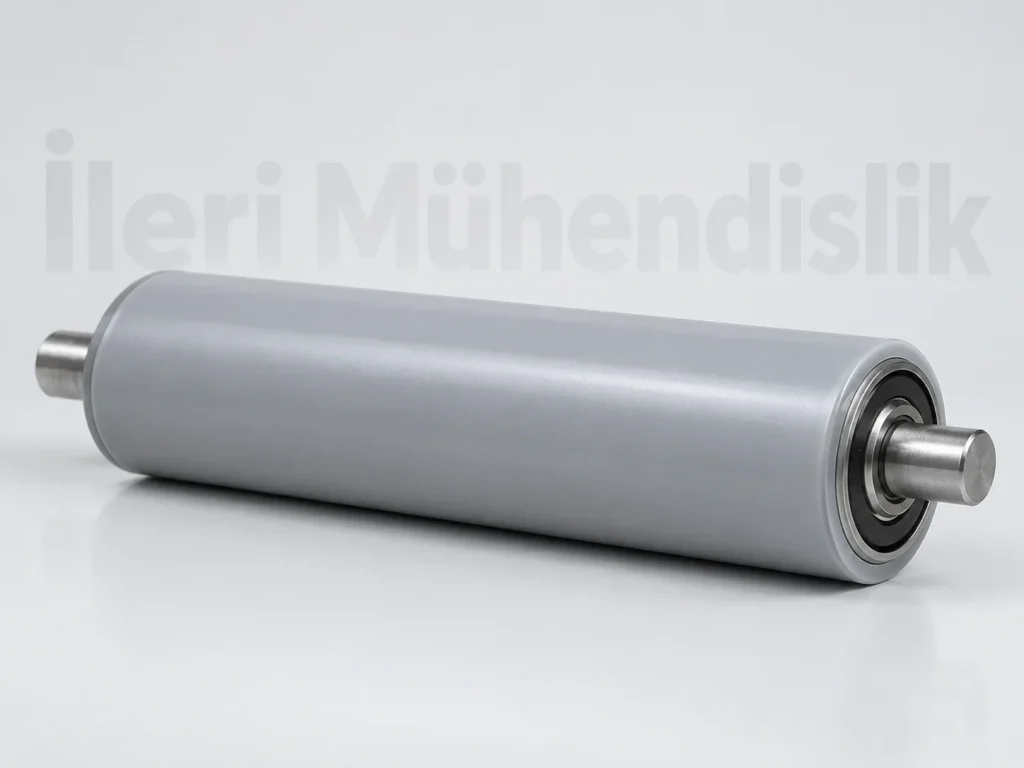
Plastic carrier rolls
Plastic Body Conveyor Rules Manufacturing, Body and Mile Selection, Bed Details, Measurement-Specific Production and Product Gallery. Technical Scope with Advanced Engineering
Explore ↗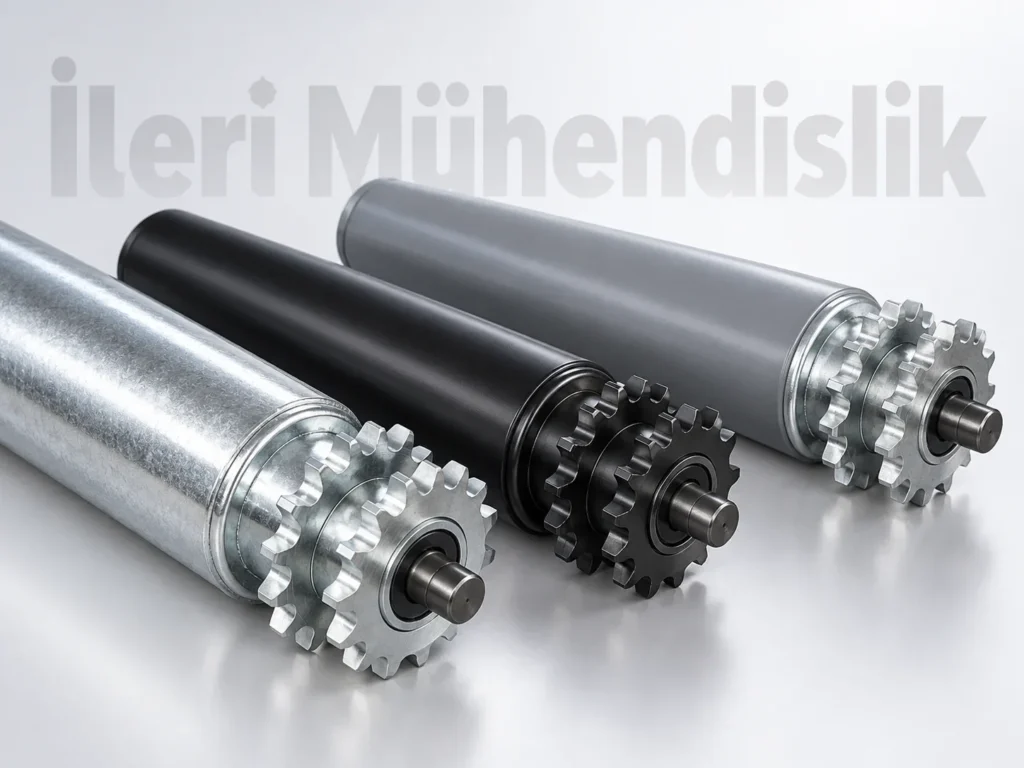
Heavy Load Carrier Rules
Heavy Load Carrier Rolls Manufacturing, body and mile selection, bed details, customized production and product gallery.
Explore ↗The Conveyor Tombs
Conveyor Tombs manufacturing, body and mile selection, bed details, size-specific production and product gallery.
Explore ↗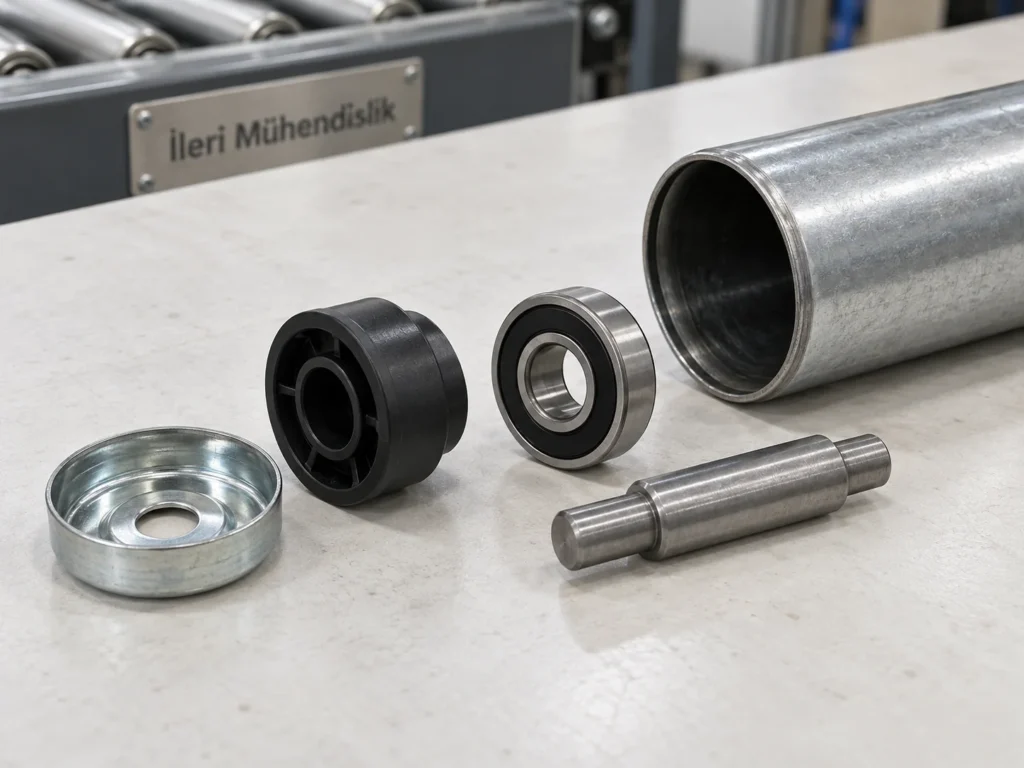
Role cover and headlines
Roll Cover and Head Manufacturing, body and mile selection, bed details, custom-made production and product gallery. Buy technical scope with advanced engineering
Explore ↗