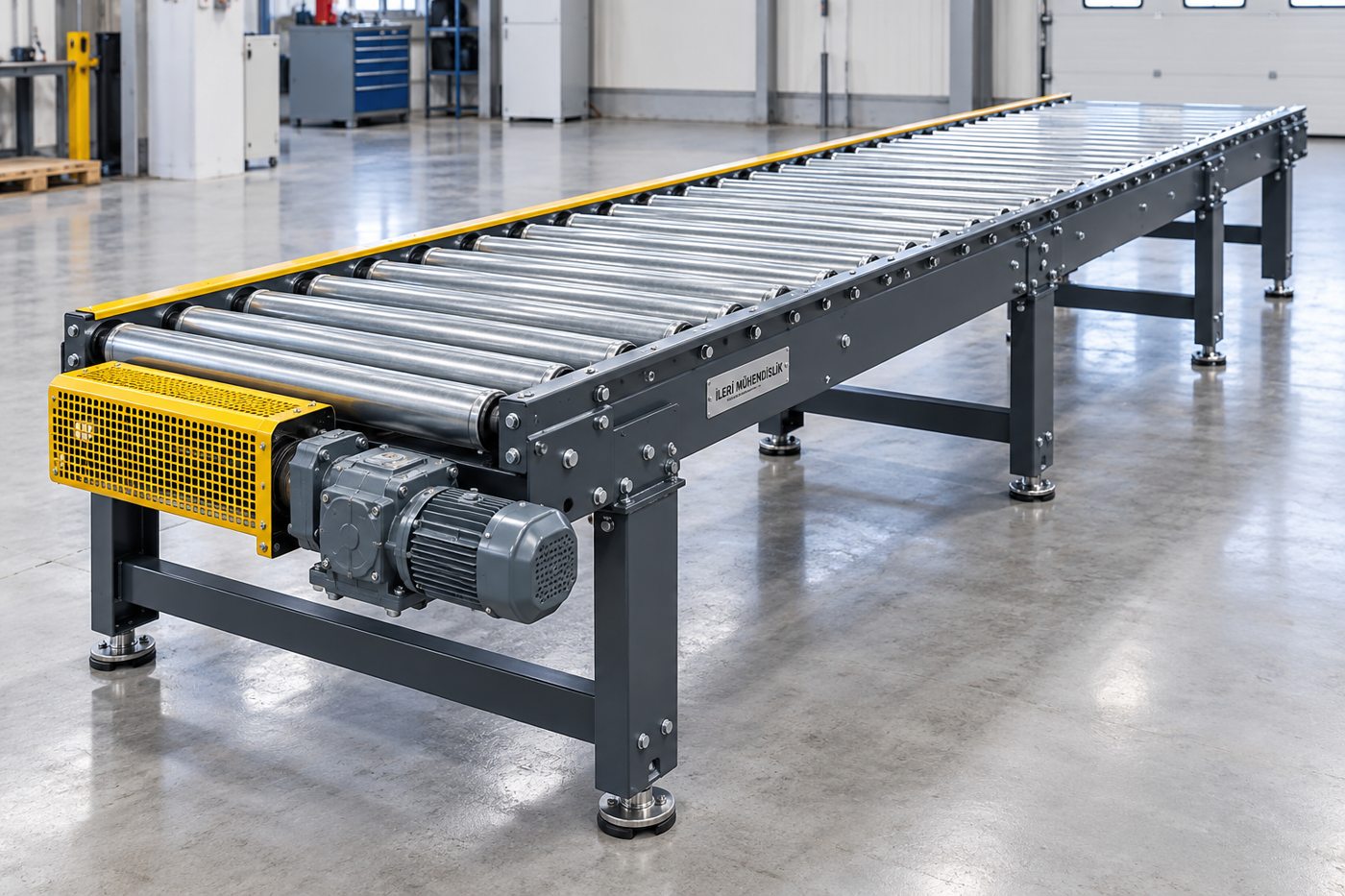
Motor/Tahrikli Rolled Conveyor
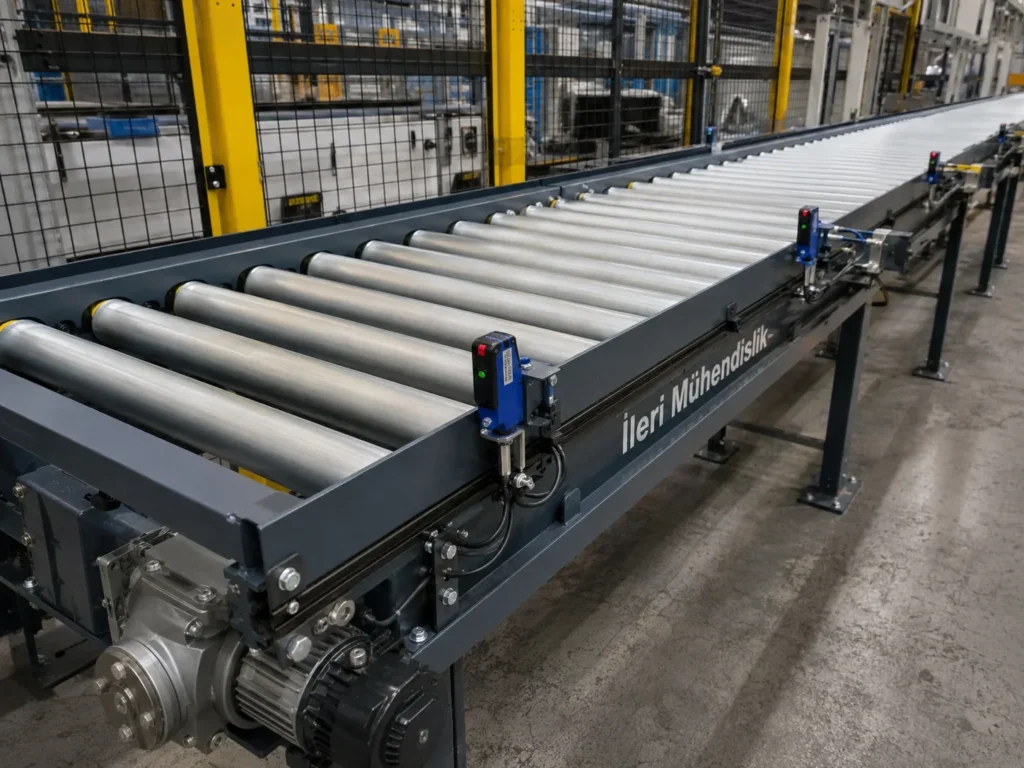
Motor/Tahrikilli Rolled Conveyor Visual Gallery
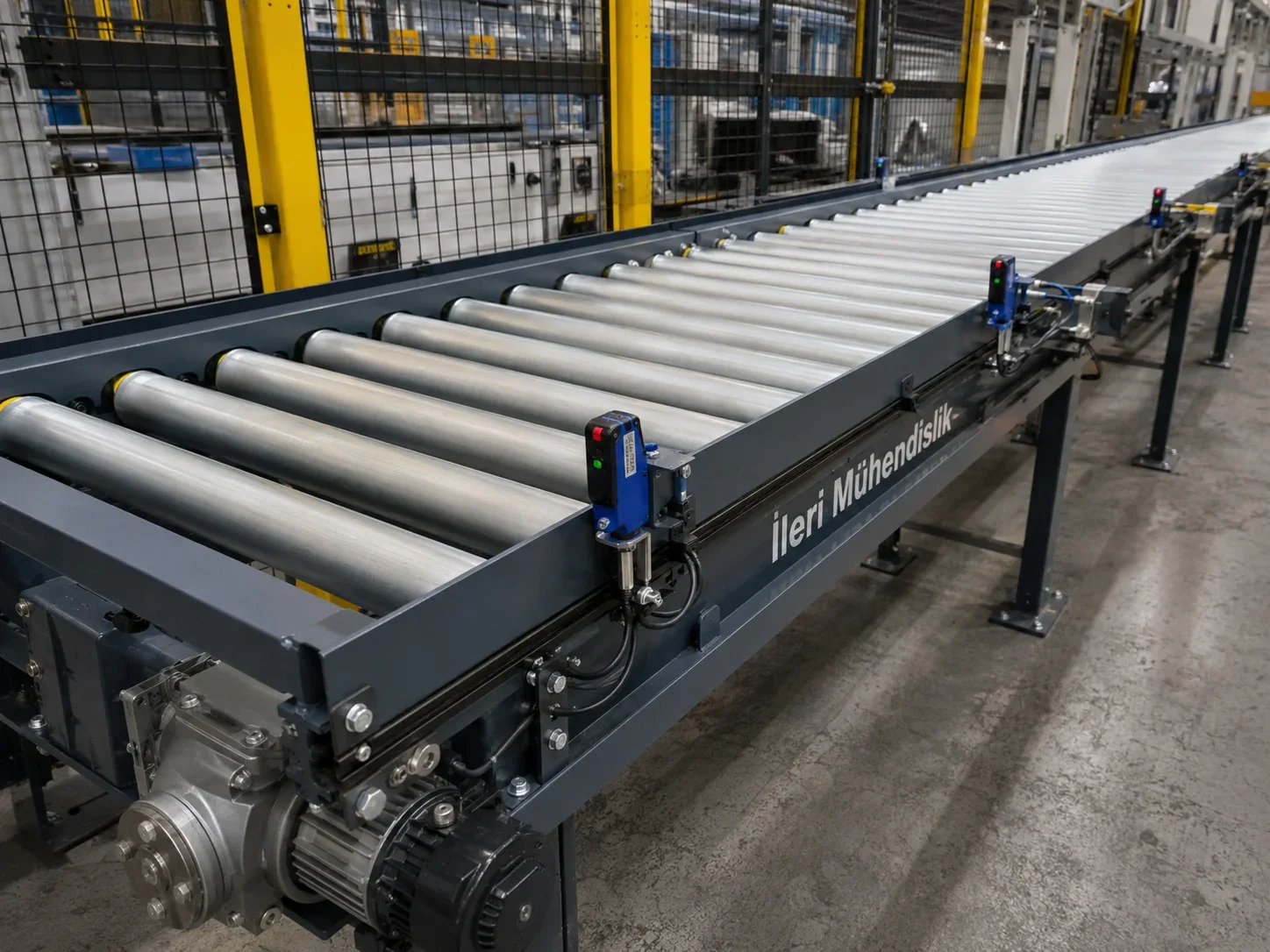
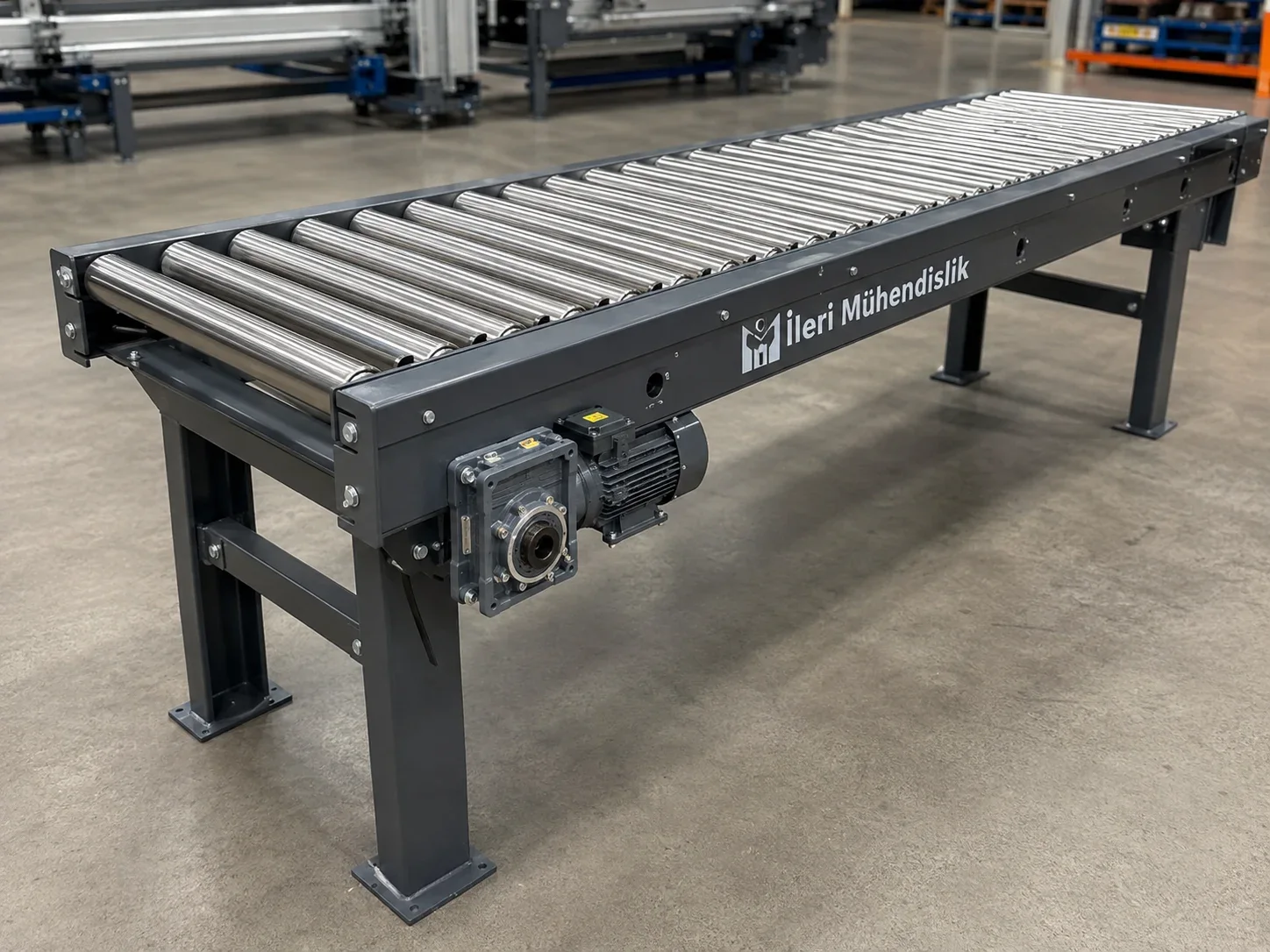
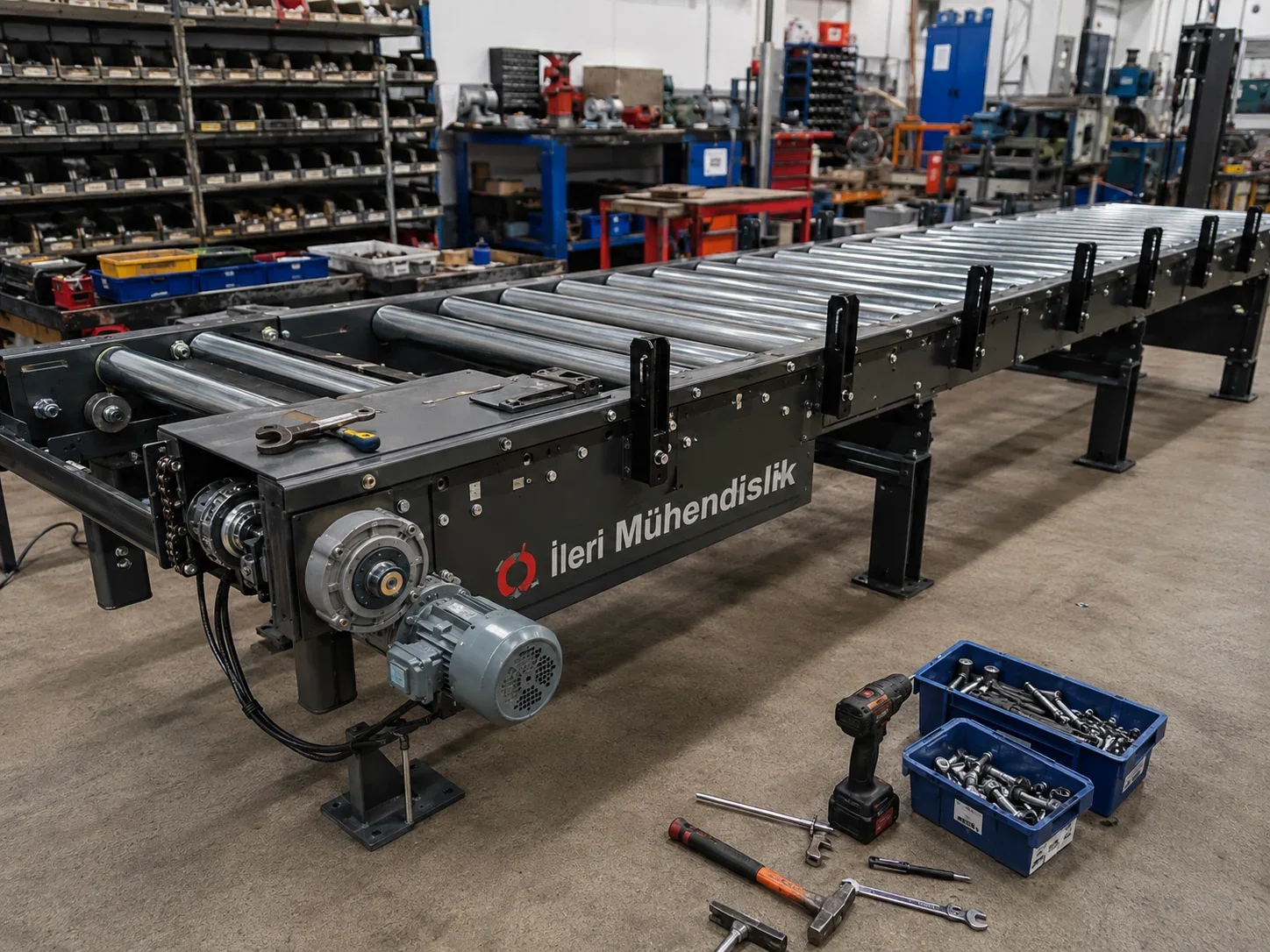
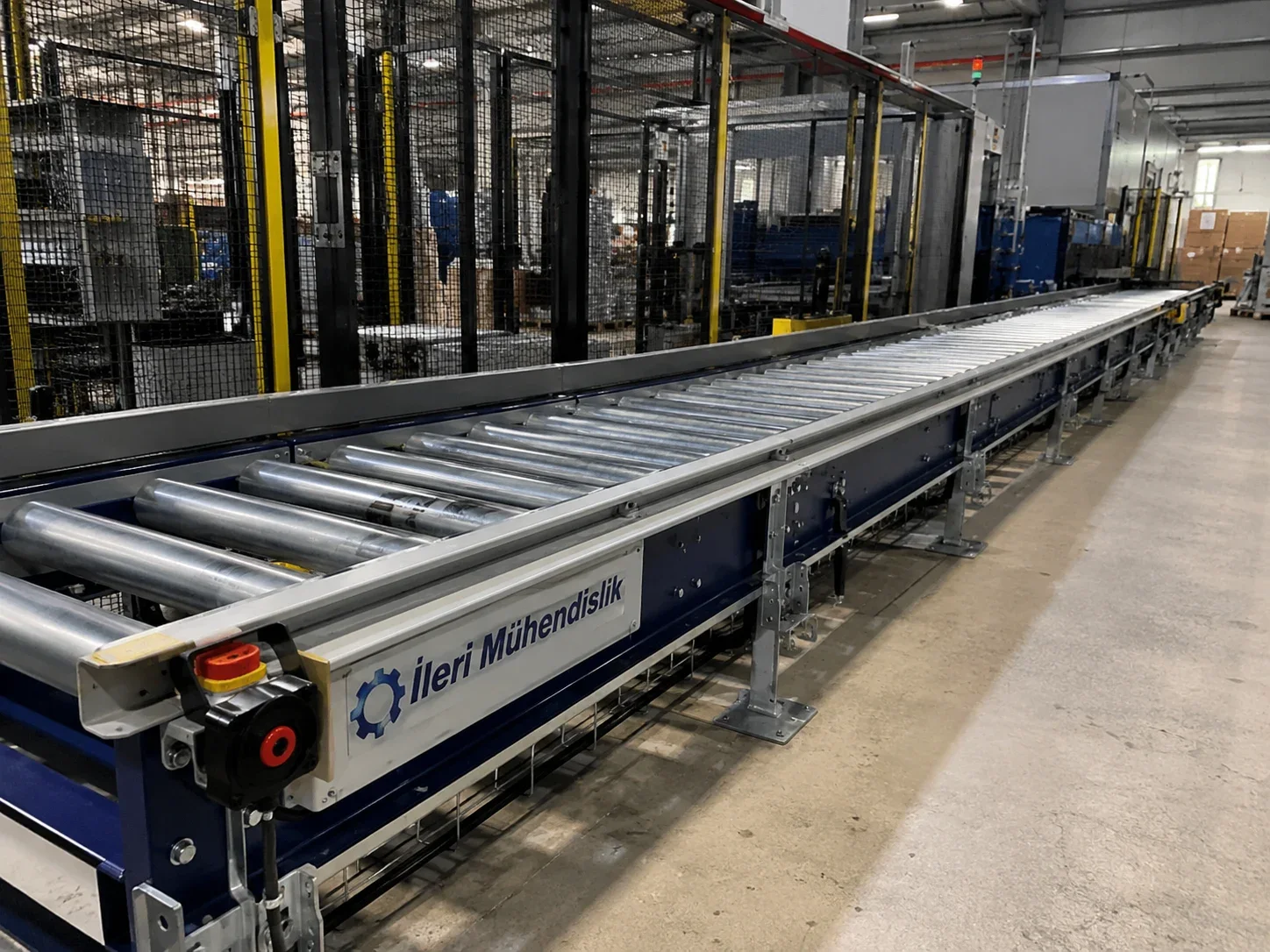
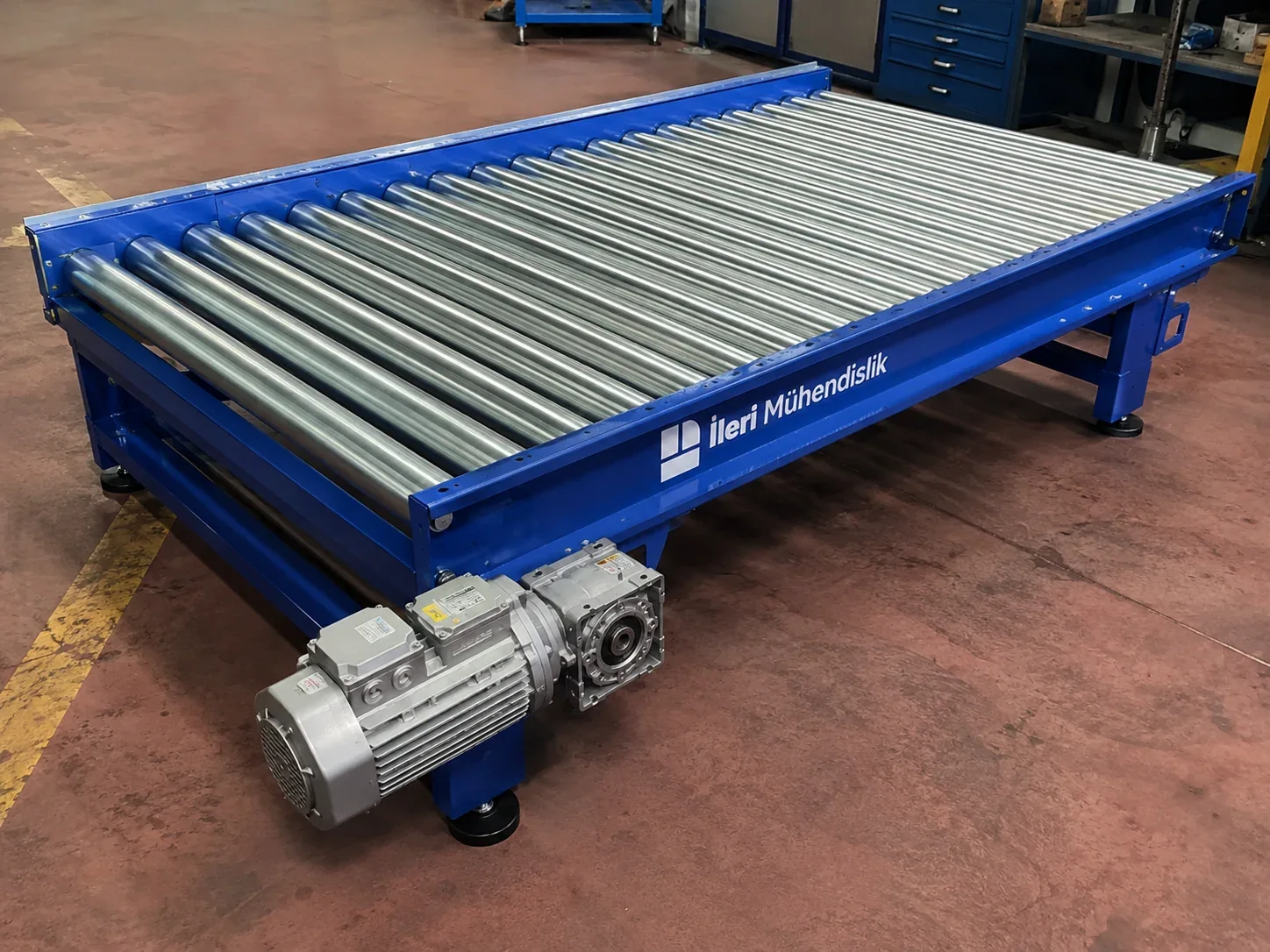
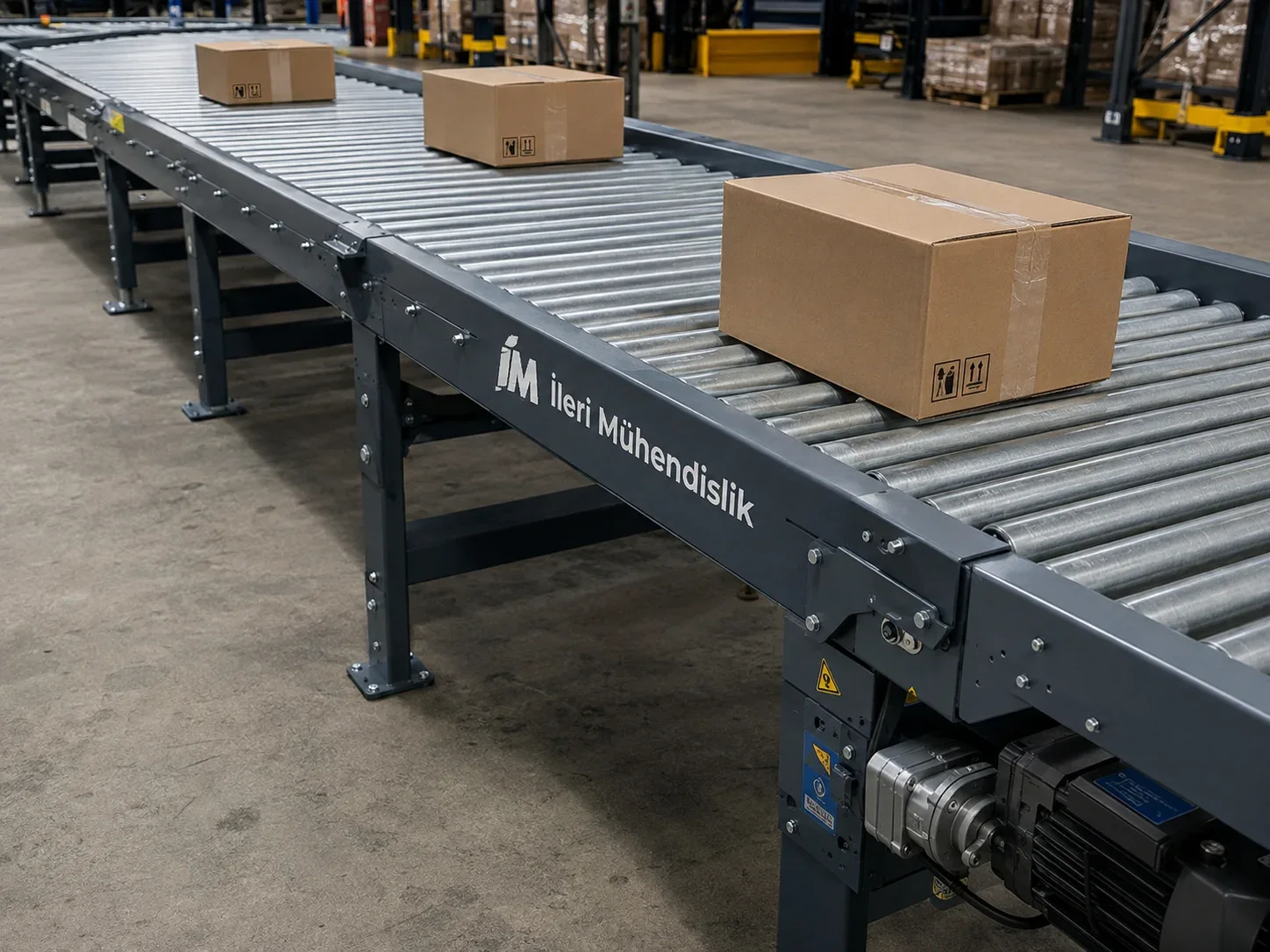
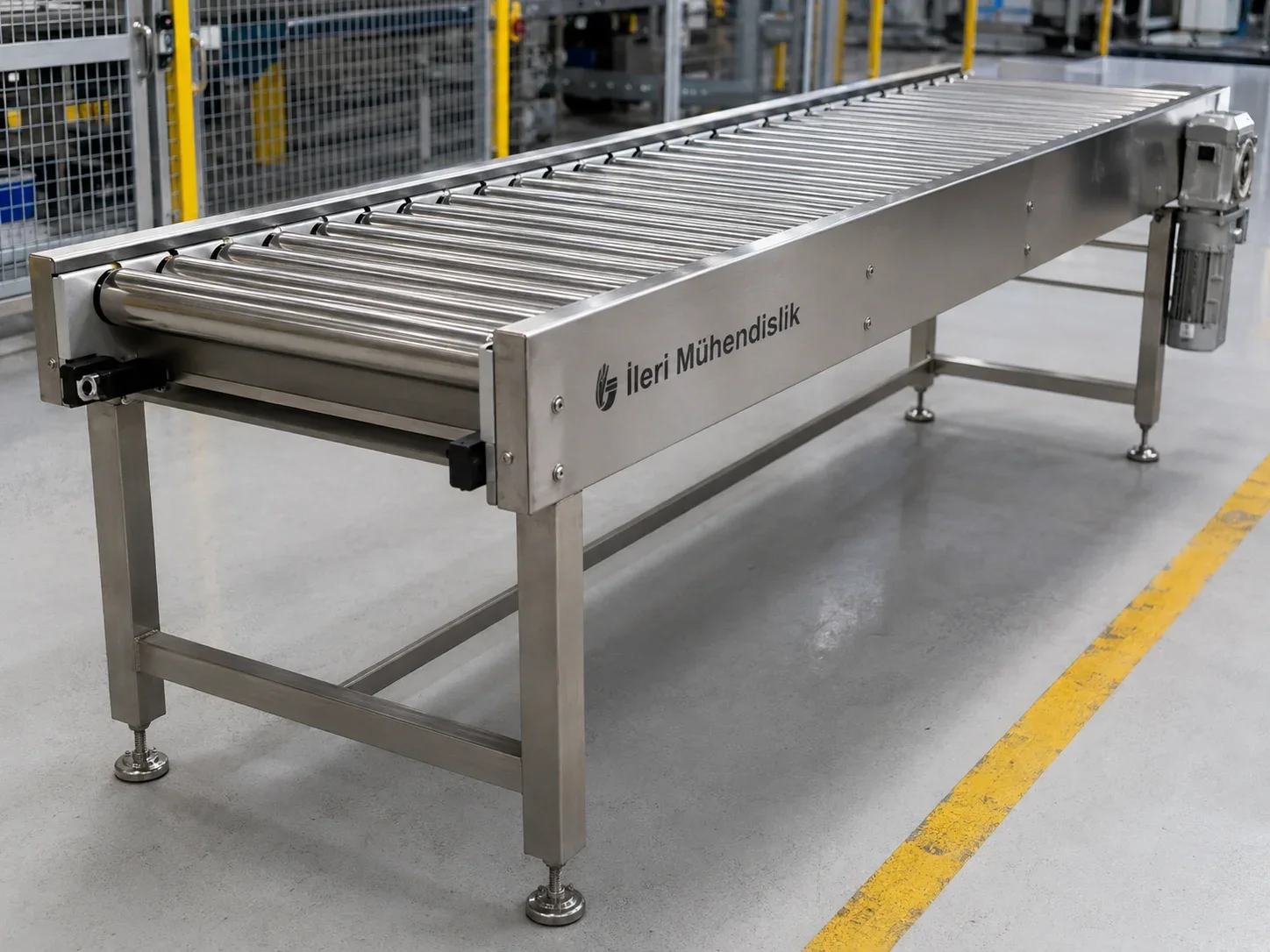
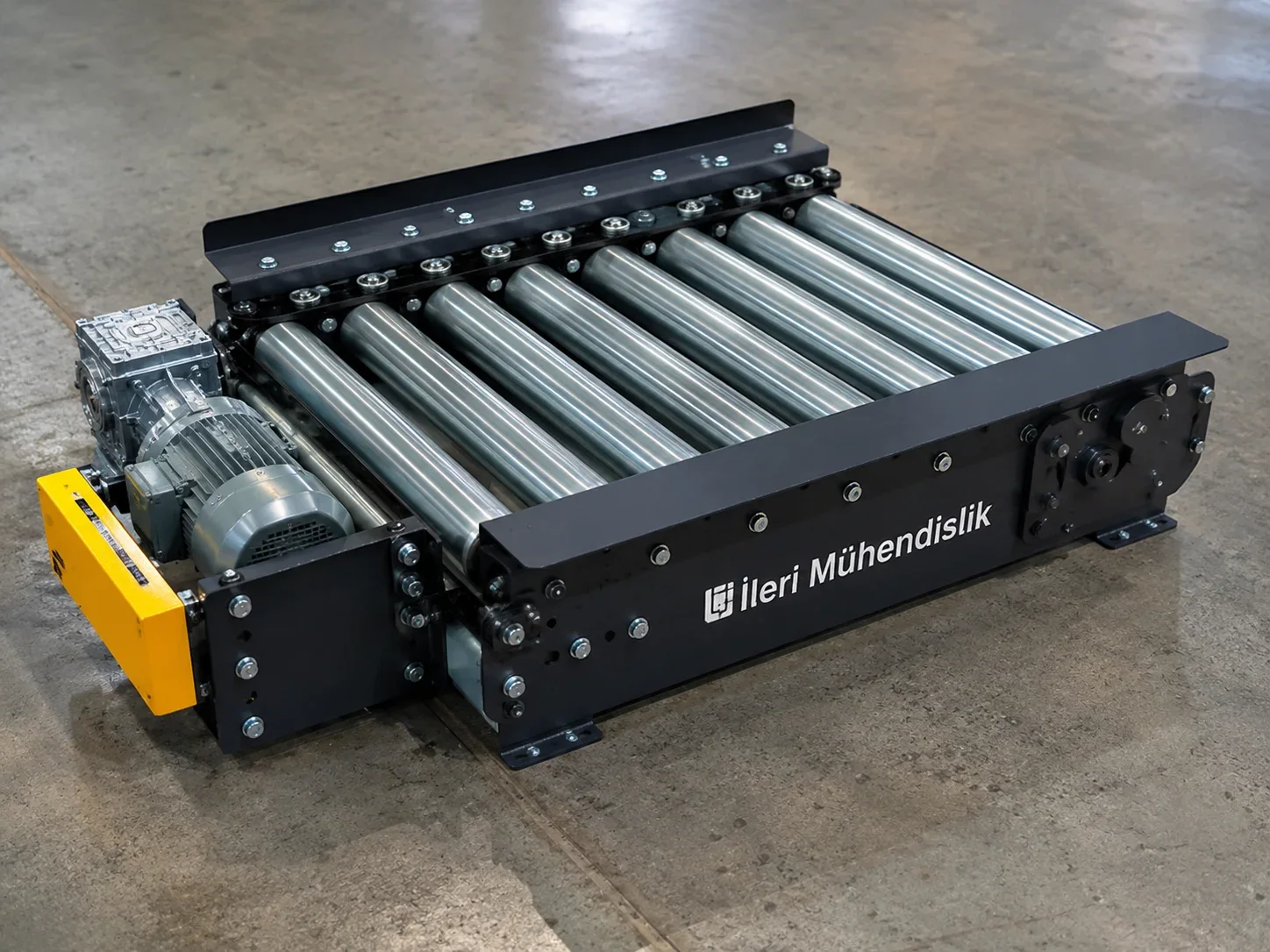
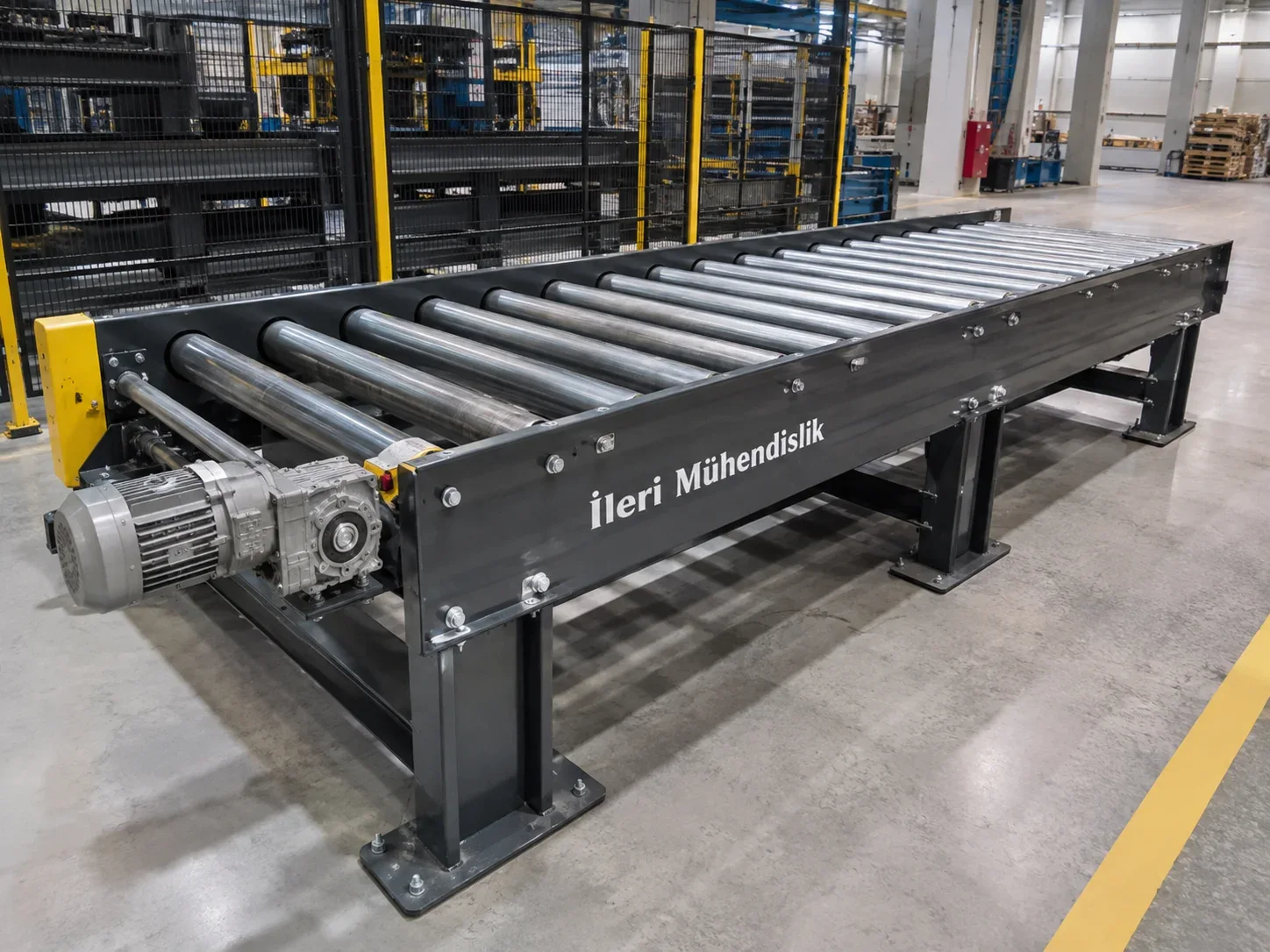
Motor rolled carriers are transport systems where products are advanced with motor power through the rolls. These systems, also called the rolled carriers, allow the transfer of coli, cash and appropriate-based cargo on the automatic power, packaging and shipping lines. Advanced Engineering assesses the driving method not only according to the product weight, but according to the desired line speed, output frequency, standpoint and storage needs.
How do motor rolled carriers work?
The movement produced by the engine is transferred to the carriers through the chain, the thread or the motor roll according to the chosen layout. It advances the contact product between the roll surface and the product base. Therefore, even if the engine power is sufficient, the unsuitable base structure may lead to transportation problems. Flexible bags may require a carriers box or other transportation surface for very small pieces and loads that do not sit on the rolls.
The system's continuous operation and the operation according to the product requires different control arrangements. Signals such as product detection at the entrance, machine prepared information at the output and area availability control are defined according to the line's work scenario. Mechanical design and automation processing together helps to reduce unnecessary positions and uncontrolled accumulation in the product flow.
Role range and load distribution
The roll range is selected according to the progress with sufficient support of the shortest product to be moved. The smallest base product is important as the product with the greatest weight. The bottom legs or nerves in the box can limit the contact surface; it should not be assumed that the load is equally distributed to all the rolls. The roll diameter, the tube thickness, the mile and the rolling layout are assessed together taking into account the real contact points.
If the cover is needed to be used on the roll surface, the possibility of holding, stretching and leaving traces on the product surface is studied. Oil, moisture or dust can change the contact conditions. The clear area that the side guides leave for the product while the transport width is determined is preserved. The total external width of the shell includes the driver elements, reserves and connective parts.
Chain, trail and motor roll options
Chain drive, poly-V thread, O-ring thread and motor roll solutions are assessed according to different load and working conditions. One of these methods does not replace the other in all applications. The movement to be transmitted, desired speed, maintenance access, environment and sound expectations play a role in the choice. The rolling order must be compatible with the geometry of the rolls.
The behavior of the system divided into separate areas with the rotating line with a central engine is different. The length of each part in the regional structure is determined by the length of the product and the desired range of the product. The product entering the area must be clearly defined where the next area will stop when filled. If the engine roll option is used, the driver and control equipment must also be in accordance with the relevant roll system.
Products and interstations communication
The accumulation should not be considered as the product's only successive arrival at the end of the line. The packaging resistance, the inter-product contact permit and the way of control of the work circle of the output station. If the untouched or low-touch accumulation is required, the necessary sensors and independent movement areas should be included in the design. A standard constant-driven line does not provide this function without additional arrangement.
The packaging machine, the switching station or the robot cell is determined how ready, full and error signals will be shared in connection. When the energy is cut and returned, the line behavior is also part of the work scenario. The re-movement of the product must be controlled in terms of the operator and the connected machines. Stopers, direction elements and transition points are selected according to the same flow plan.
Maintenance, access and safe use
The tension of the rotor elements, the free turn of the rotors and the condition of connections are regularly controlled. Over-normal noise, heating or irregular movement may indicate a problem of climbing or balancing. while maintenance access is provided, moving transfer points must be protected with appropriate conservations. Cleaning and intervention processes must be done according to the equipment's safe stop procedure.
Offer information for the price of the motor rolled carrier
The product measurements, unit weight, total load, the desired speed and daily working time are required in the preparation of the offer. The line length, the work height, the drive method and the automation range determine the price. If the storage, direction change or machine needs synchronic power should be explained before the order. The existing line's plan and control interface information ensure the solution is prepared in the right range.
Frequently Asked Questions
Can the motor rolled carrier speed be adjusted? When the right engine, driver and control layout are selected, the speed settings can be assessed. The settings range is determined along with the work limits of the product’s balanced movement and the drive system.
Can the products be kept without value? This requires independent areas and product detection control in the appropriate length. This function should be designed separately from the standard drive.
Can different sizes be the same or even moving? The smallest and largest product support, detection and transition conditions are provided can be assessed.The product diversity should be shared in the supply phase.
The existing product information
| The product | Motor/Tahrikli Rolled Conveyor |
| The basic function | Turn the rounds with the engine power |
| Area of Application | Automatic food and shipping lines |
| Information needed in the election | line speed, total load, work circle |
| Technical control point | The method of transfer and the need for product savings should be specified in the design |
Ask about this product or application
Product images