
Plastic carrier rolls
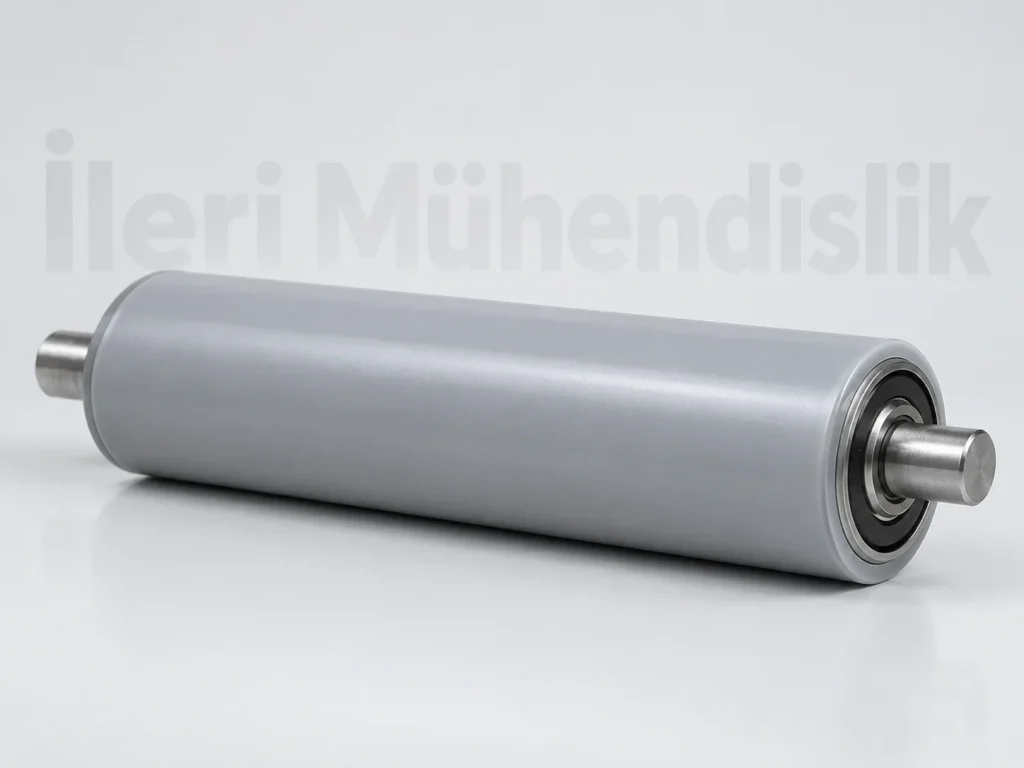
Plastic Carrier Rules Visual Gallery
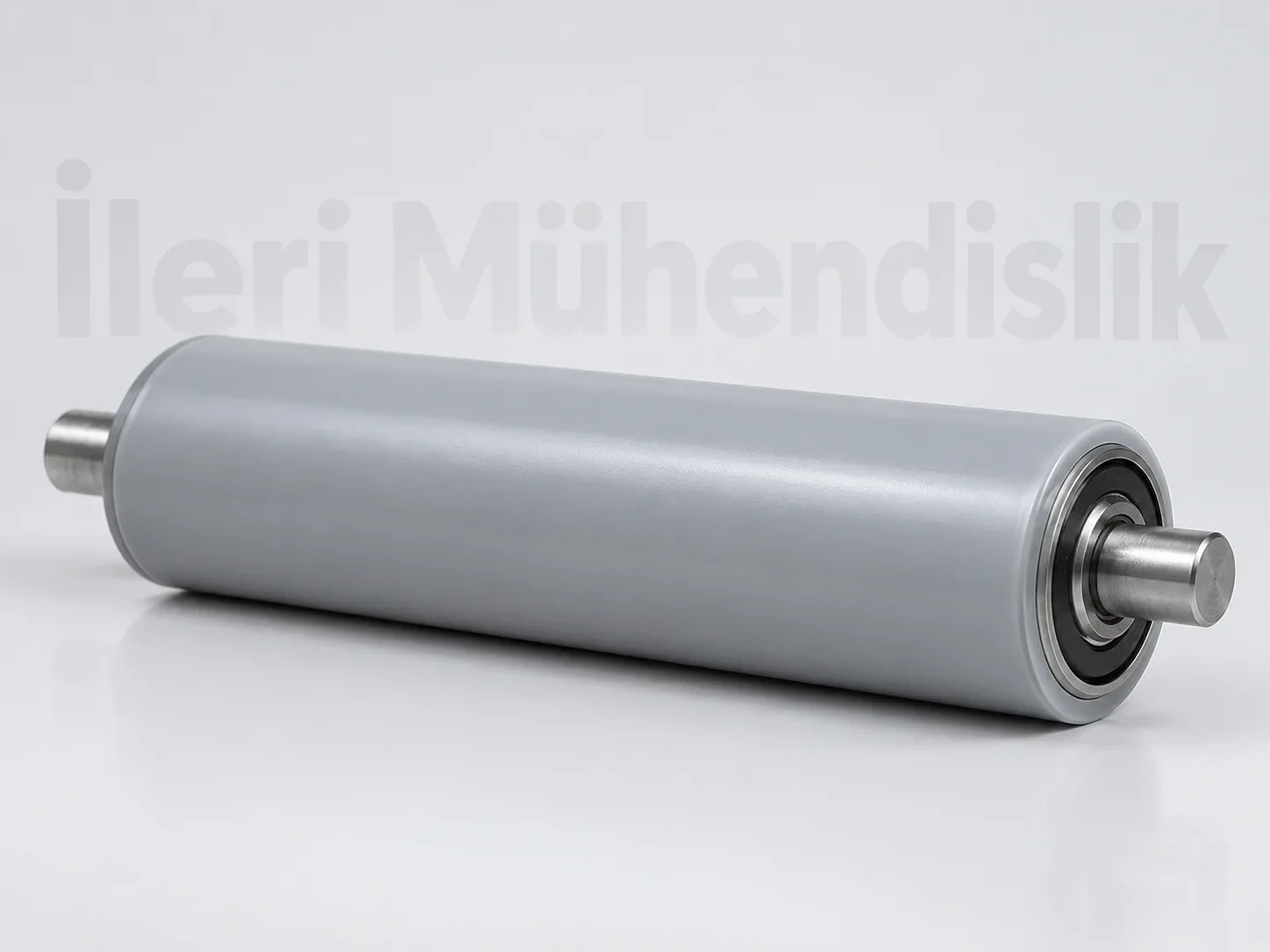
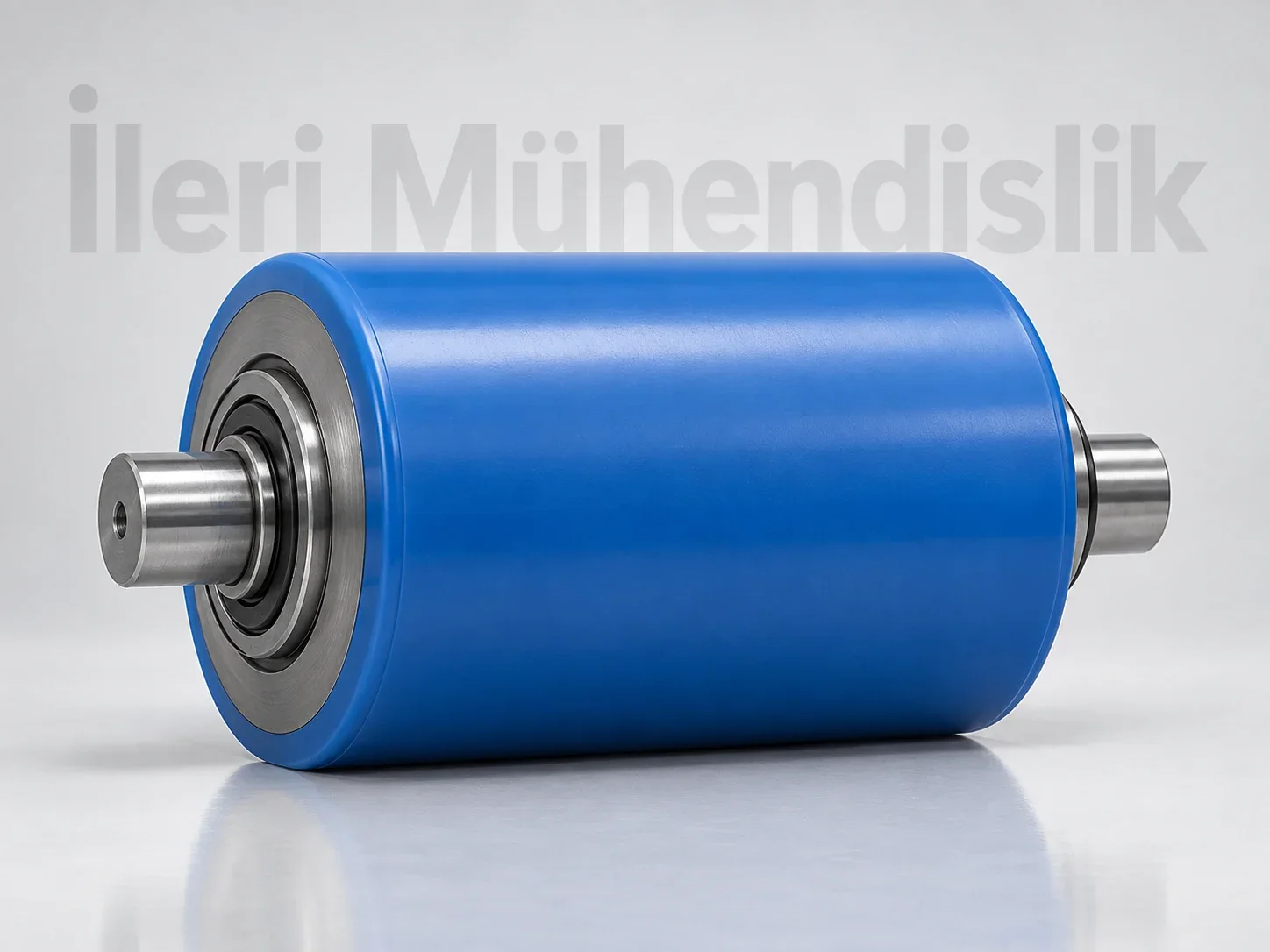
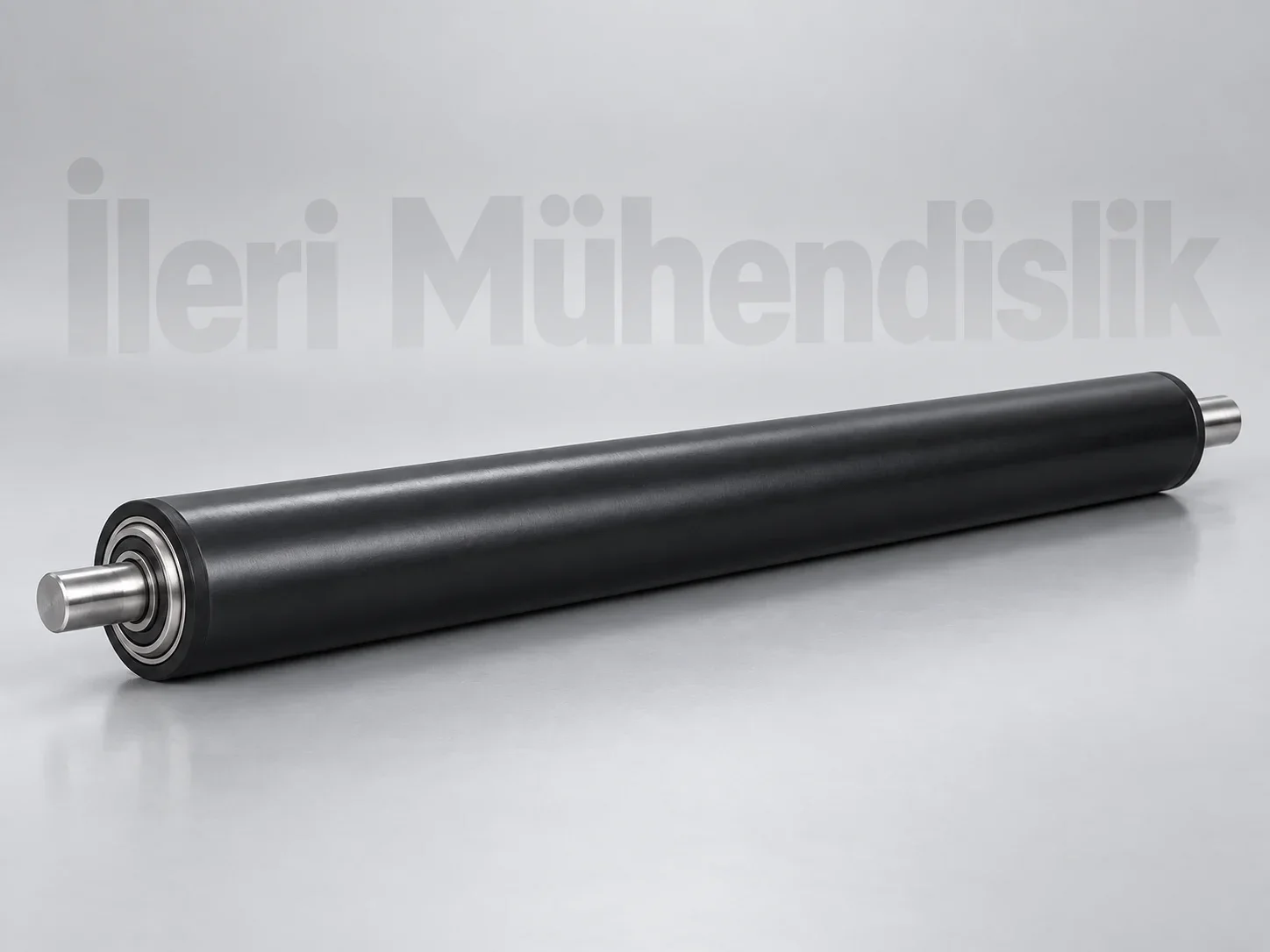
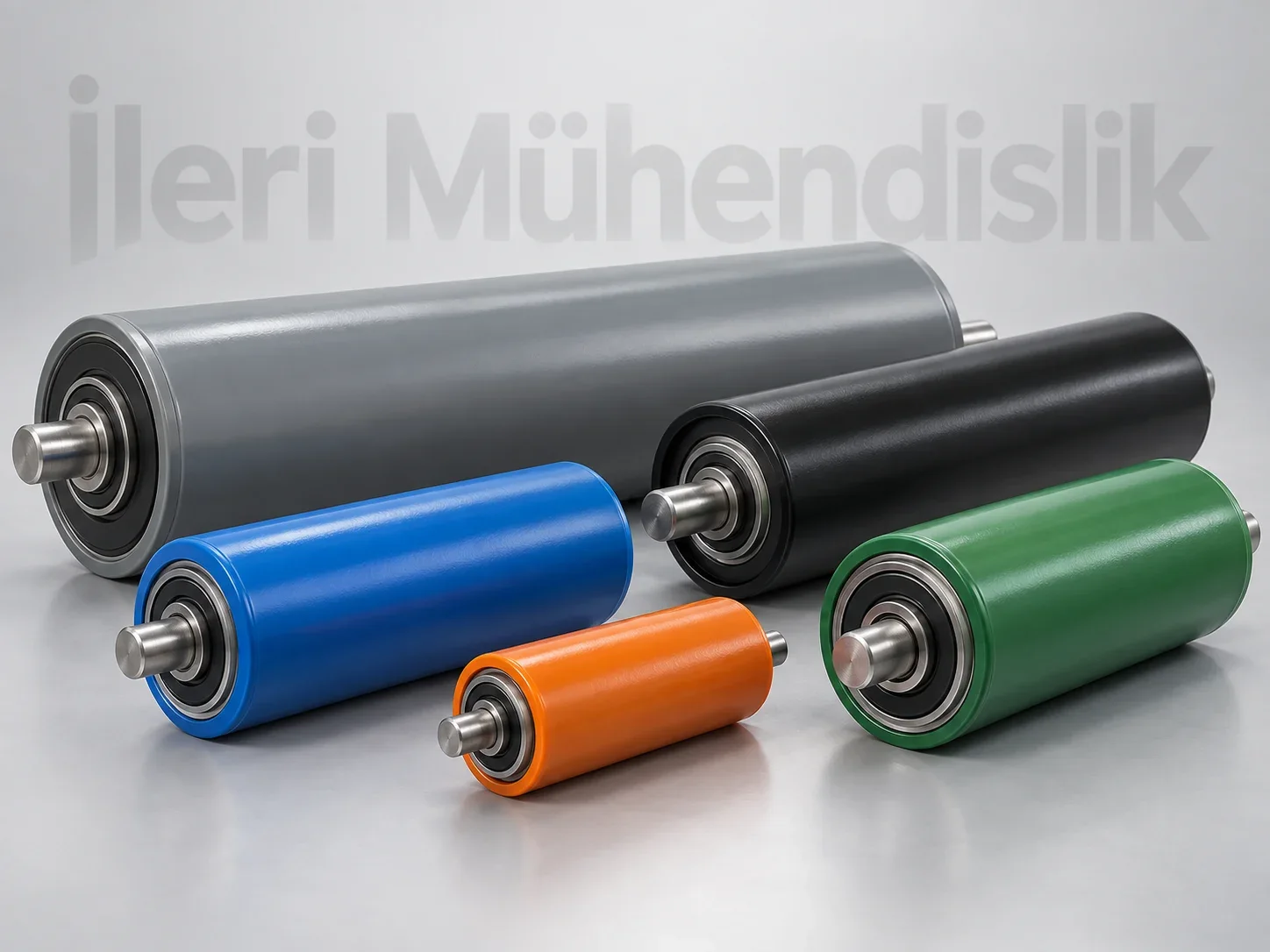
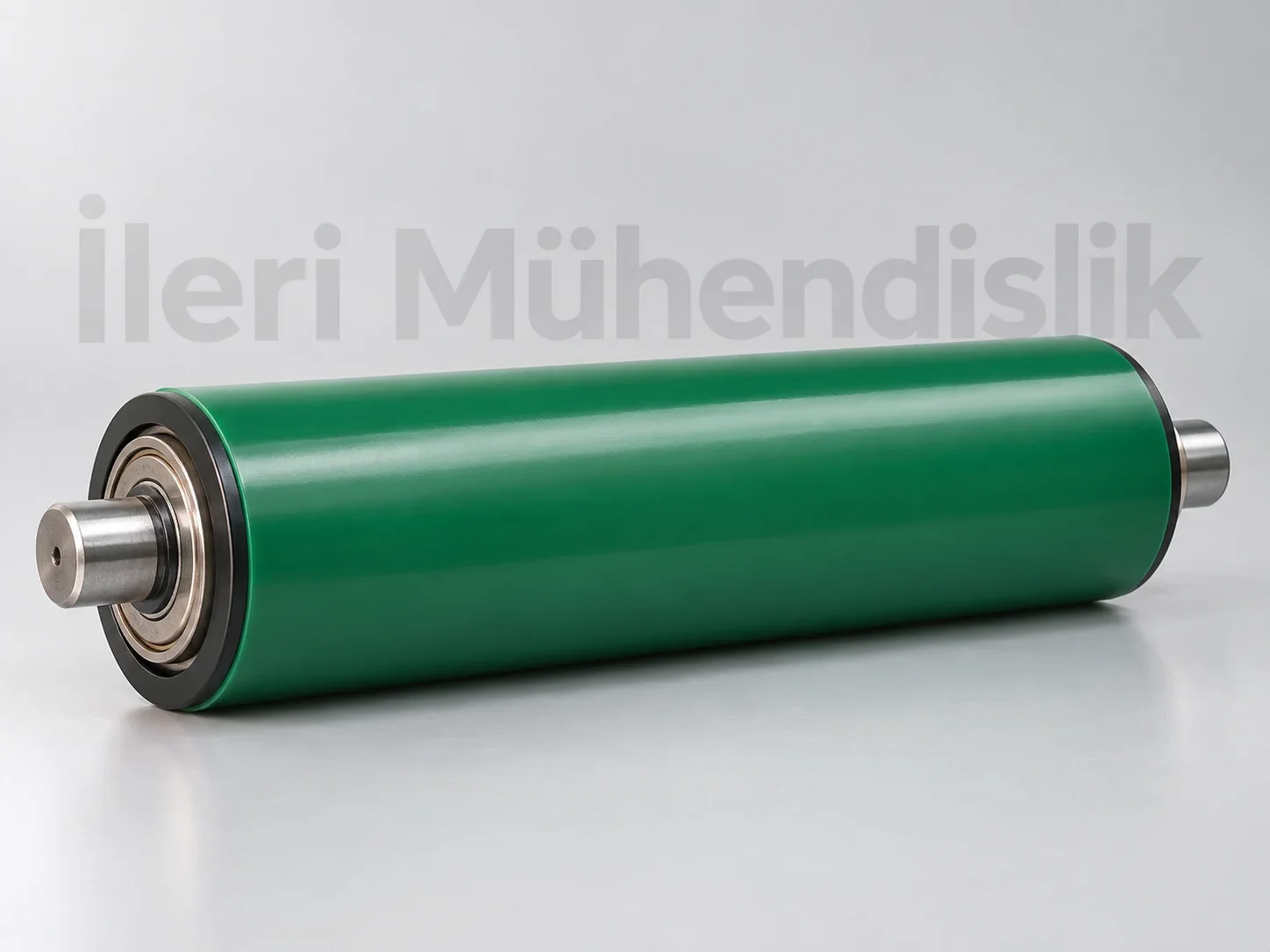
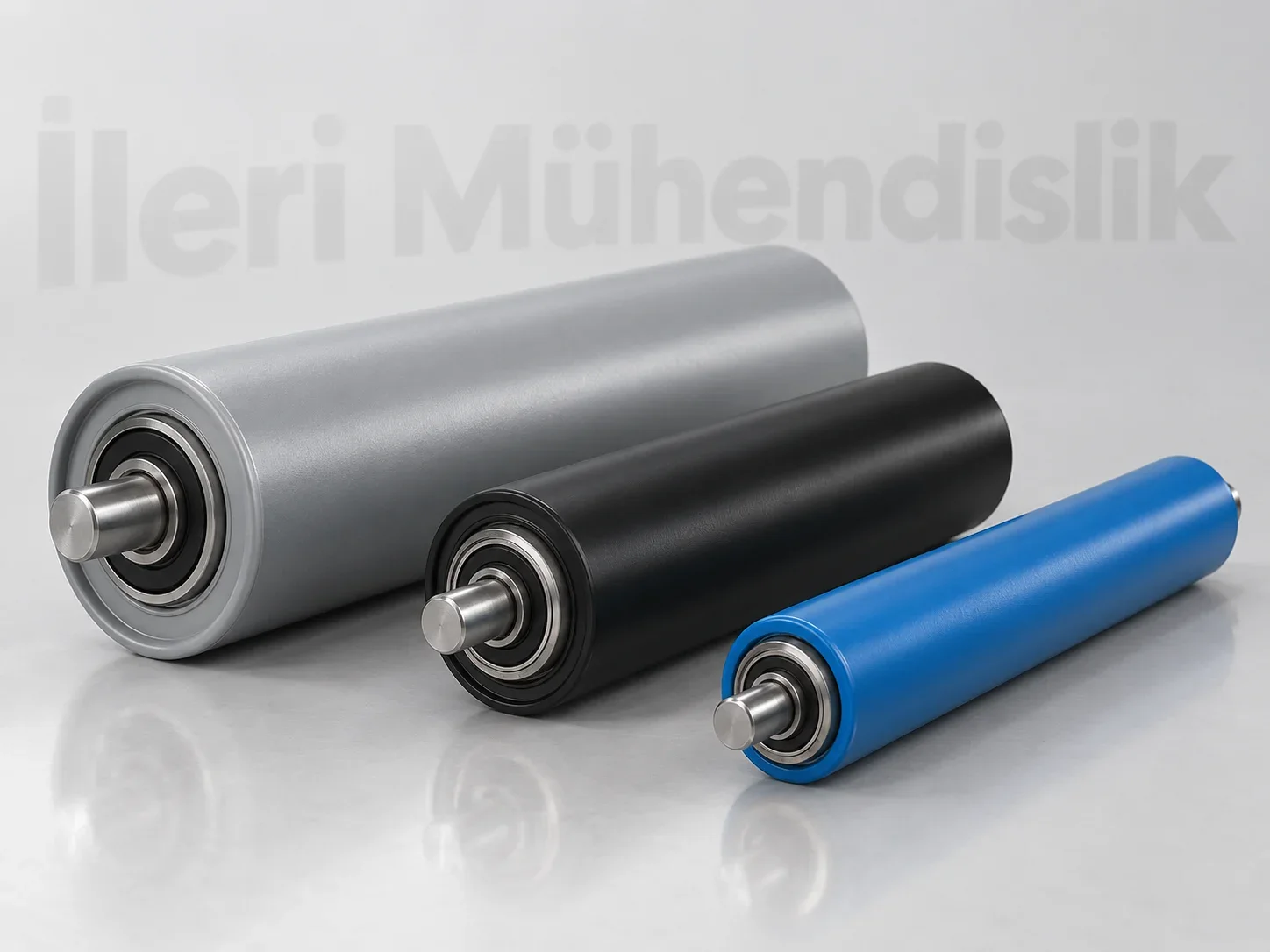
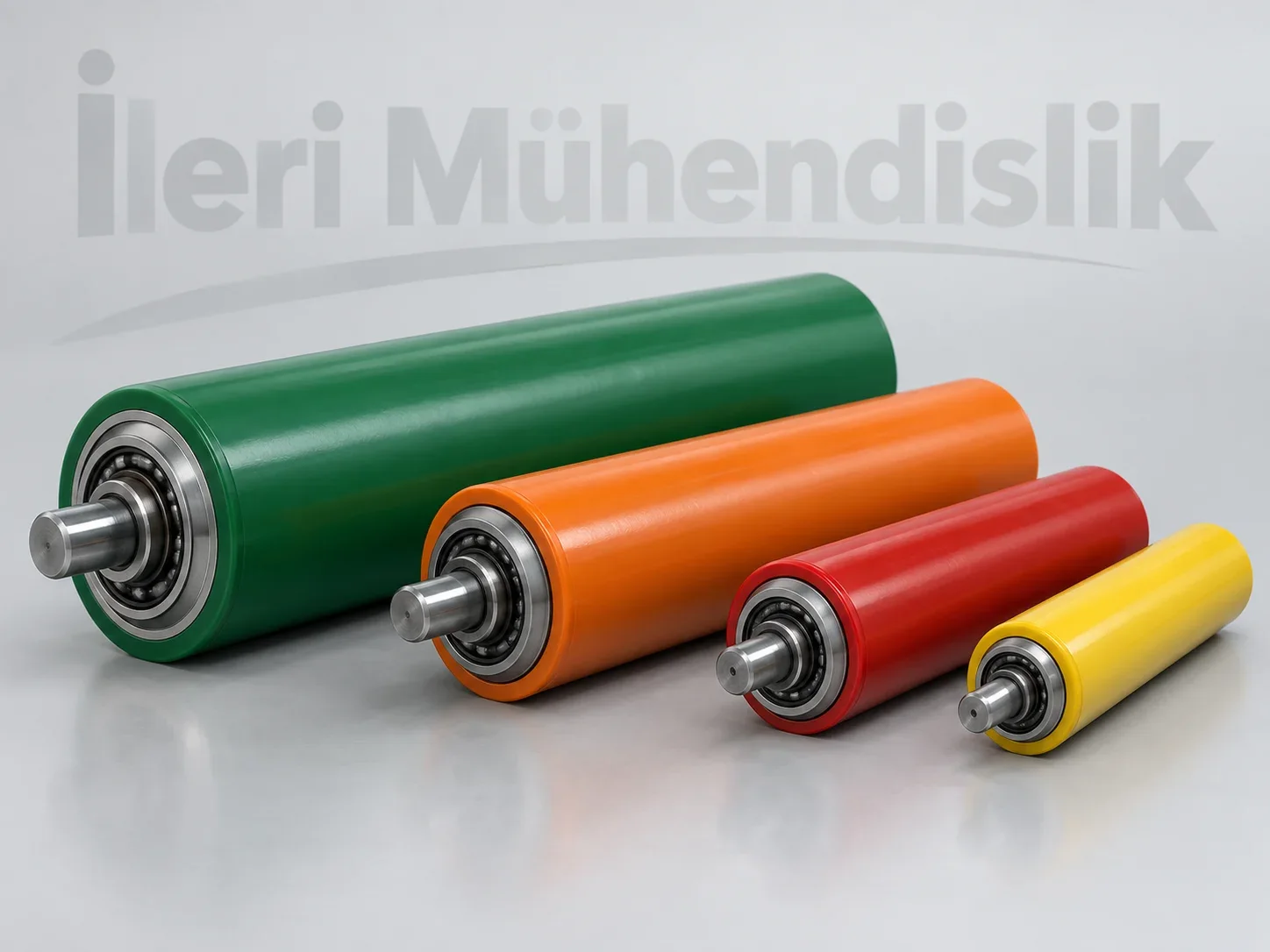
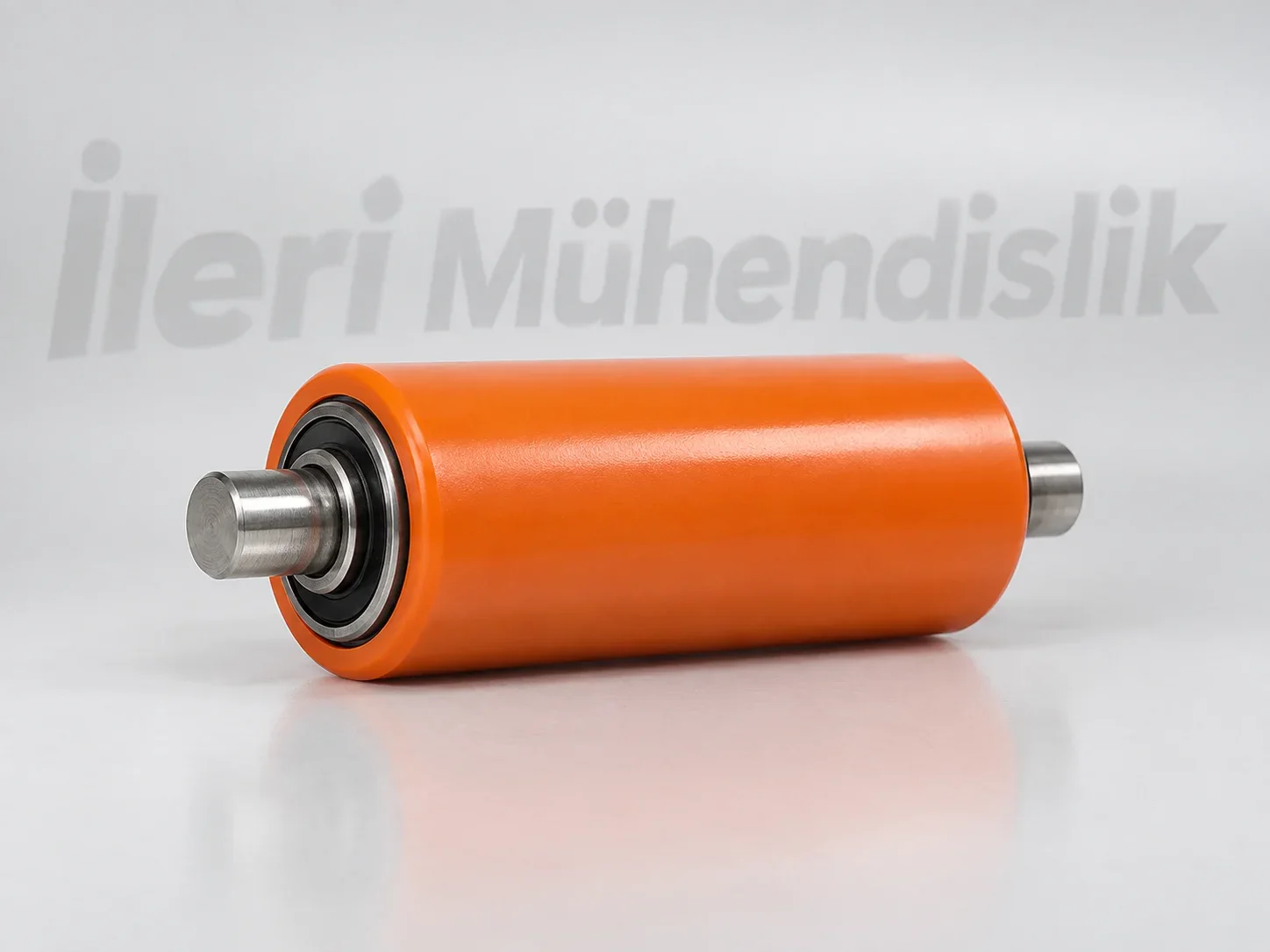
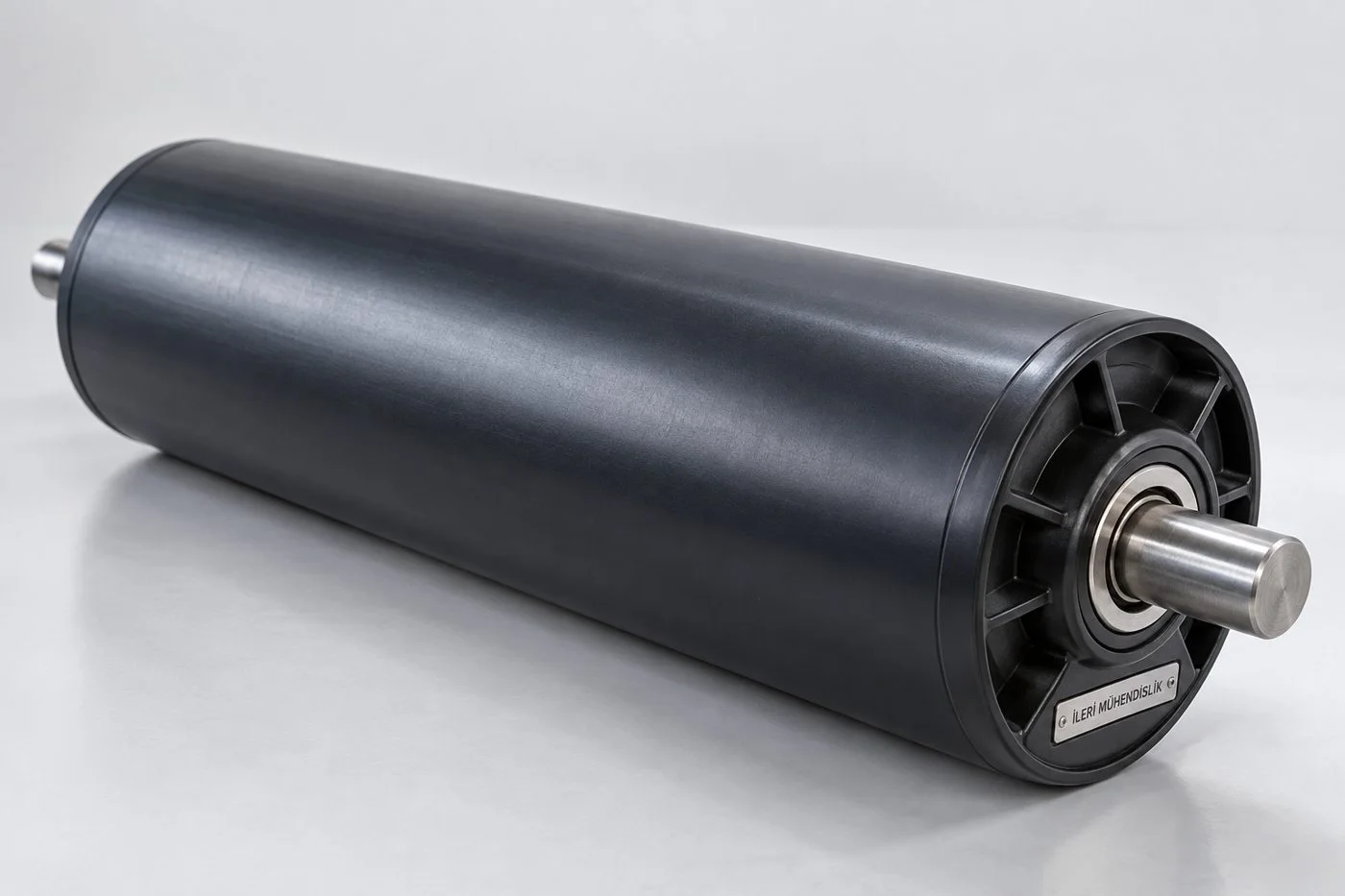
Plastic Body Conveyor Rules — The plastic body roll transportation tube itself is plastic material. This structure is separated from the PVC cover applied to the metal tube. The material type and environmental suitability are assessed along with the body sizes.
PVC Conveyor Rules It is one of the preferred roles in the carrier systems where light products are moved due to the low weight, quiet work and corrosion resistance advantages. It can be produced with different diameter, work width, miles and rolling options in the systems where light products are moved.
What is PVC Conveyor Roll?
In the PVC carrier roll, the roll body is made from a PVC-based tube instead of a metal tube. In the roll can be used miles from different materials, steel, stainless or suitable for application. The roll and cover system is determined according to the product weight, the working environment and the desired roll cycle.
The low weight of the PVC body can help the roll to easily turn and can provide advantage especially in light product transport applications.
Where is the PVC Conveyor Rolls used?
PVC rolls can be used in many transport systems that do not require high impact and heavy load.
- Light transportation lines
- Box and package transfer systems
- Plastic Parts Transportation
- Packaging Conveys
- The Montage Systems
- Electronic product transportation
- Light Role Carrier
- Manual product transfer systems
- Low-weight special machines
The Advantage of PVC Roll
PVC roll body may have a fairly low weight compared to steel and stainless roll body. This reduces the rolling mass and light products can turn the rolls easier.
Especially in the avar systems, the advantage of the low strength that the product needs to apply to move the roll can be given.
Does the PVC Conveyor Roll Work Silently?
PVC surface has a different contact character than metal rolls. The work sound may be lower due to the reduction of metal-metal contact in the systems where light colli and plastic products are moved.
But the total system sound is not only dependent on the roll material. the quality of the roll, the shase structure, the roll range and the structure of the carried product also affect the sound level.
How to choose a PVC roll?
When determining the PVC roll diameter, the product weight, the roll work width, the roll range and the flesh thickness of the PVC tube should be taken into account.
Because the mechanical characteristics of PVC differ from steel, the risk of deformation in heavy and long wheels may be higher, therefore, wheels should be controlled on large carriers or high loads.
For detailed information about the selection of the roll diameter How to determine the roll? You can check our page.
PVC rolled tube mass
PVC pipes meat thickness is important in terms of rolling. Thin meat pipes can be enough in very light products while the wheel width or product weight increases may require higher meat thickness.
The work temperature of the PVC pipe can also affect the material resistance. The suitability of the material in applications with high temperature should also be checked.
PVC Avare Conveyor Rules
One of the most common uses of PVC rolls Idler Conveyor Roller These rounds, not driven by the engine, turn back thanks to the product movement or manual power.
Due to the low roll weight, the place where light products are moved can provide advantage in the drawing or manual systems.
PVC Conveyor Rules
PVC body rolls with the appropriate design can also be used in some drawing applications. O-ring or different light drawing systems can be applied.
But the turning and mechanical voltage occurring during the connection of the drawing elements to the PVC body must be assessed.
PVC O-Ring Channel Conveyor Roll
In the systems where light loads are moved, the O-ring channel structure can be used on the PVC body. O-Ring Grooved Conveyor Roller It provides the movement transfer from roll to roll with elastic tracks.
This structure can provide a cost-effective solution in small coli and package transport applications.
PVC rolling mile
Although the PVC roll body is lightweight, the load transport capacity of the mile structure should be sufficient. The mile diameter roll should be determined by the work width, product weight and the type of roll.
Mills can usually be selected from steel or stainless material. for detailed information, you can check our page of the selection of the mile of the carrier roll.
The National PVC Conveyor Roll
The roulette is easily disinstalled and installed. Spring-Loaded Shaft Conveyor Roller The structure can be used.
The wheels of the mile system can speed up maintenance and roll change. It is a practical installation solution, especially in light carrier systems.
National PVC Conveyor Roll
In systems that need more stable assembly, a stable national structure can be preferred. The mill ends can be prepared in a dental, hole or special form according to the carrier shade.
PVC rolling rolling
When choosing the roll, the product weight, the roll turn and the daily working time should be taken into account. The lightness of the PVC roll does not require the use of the low-quality roll; the roll life directly affects the system performance.
For detailed information about the rule selection, you can check our page of the rule selection of the carrier rule.
PVC Roll Plastic Cover
The use of plastic rolling cover with the PVC rolling body can create a light and economical rolling structure. The plastic cover material should be selected according to the rolling size, the working temperature and the product load.
The impact of PVC roll surface
PVC surface can provide a more soft contact than the metal roll. This feature may be a advantage in the movement of some products with a sensitive surface.
However, the chemical conformity and drilling behavior of the product to the PVC surface should also be assessed.
Difference Between PVC Conveyor Roll and Galvanize Roll
Galvaniz Conveyor Rules Thanks to the steel body, PVC roll can provide higher mechanical resistance than the roll, while the PVC roll is advantageous in terms of low weight and quiet work.
While PVC rolls in light products can be suitable, galvanized steel rolls in medium and heavy loads can be a safer choice.
Difference Between PVC Roll and Aluminium Roll
Aluminium Conveyor Rolls It also has a low weight but can provide higher mechanical and temperature resistance than PVC.
PVC rolls can provide a cost and lightweight advantage. The appropriate material should be selected according to the product weight and the working environment.
Difference Between PVC and Stainless Roll
The untouched carrier roll Heavy service, high temperature, hygiene and corrosion resistance needs more widely used.
PVC rolls can be an economic alternative to systems with light products and low mechanical loads.
Why is PVC Role Temperature Important?
The mechanical characteristics of the PVC material may vary depending on the working temperature. at high temperature the material may soft and roll deformation may occur.
Therefore, the PVC roll choice should not be made without the work temperature known on the lines where hot products are moved.
PVC rolling rolling
The roll range should be determined by the base length of the product. The roll can need to be placed more frequently in small boxes and packages.
This is ⁇ important in the systems used in PVC rolls, because the load that falls on each roll can also increase as the roll range increases. for detailed information how to calculate the roll range? you can check our page.
The Advantages of PVC Conveyor Roll
- Low roll weight
- Easy to move light products
- The advantage of silent work
- Corrosion resistant body
- Possibility of economic production
- Fixed or fixed miles options
- Can be produced in different diameter and lengths
- Compatibility with light carrier systems
Where PVC Conveyor Rolls Should Not Be Used
PVC rolls are not suitable for every application. Steel, aluminium or stainless rolls should be preferred in systems with heavy products, high-touch work, high temperature and intense mechanical hardening.
When choosing the right roll material, it is necessary to take into account not only the cost, but also the product weight and working conditions.
How to measure the PVC Conveyor Roll?
PVC pipe for roll production should be indicated the outer diameter, work width, total mile length, mile diameter, roll and cover type.
In the driving applications, measurements of the O-ring channel or other driving elements should also be given. If the current roll is available, the photo and measurement sending facilitates the production.
PVC Conveyor Rules
PVC carrier roll prices vary according to the roll diameter, work width, tube meat thickness, mile diameter, roll type, cover structure and production unit.
The use of a special channel, a different mil structure or a special plastic material can affect the total cost.
The project is dedicated to the PVC Conveyor Rolls.
As a Advanced Engineering, we can produce PVC carriers rolls according to the project dimensions with different diameter, length, miles and rolling options that fit light cargo transport applications.
The diameter of the roll, the work width, the mile diameter, the weight of the product to be moved and the required unit Get a quick offer You can send it through the form.
Other types of carrier roles
for different materials options The Conveyor Rules From our section, you can explore galvanized, stainless, aluminum, rubber-covered, polyurethane-covered and other special production roles.
Interested products and application links
- All types of carrier roles
- Aluminium Conveyor Rules
- The untouched carrier rolls
- Galvaniz Conveyor Rules
- Share your roll sizes and ask for an offer
Technical information on other sites
You can also read the descriptions on our other Advanced Engineering sites for the same product group. We can clarify the technical scope of your measurement-specific product together through your existing parts and working conditions.