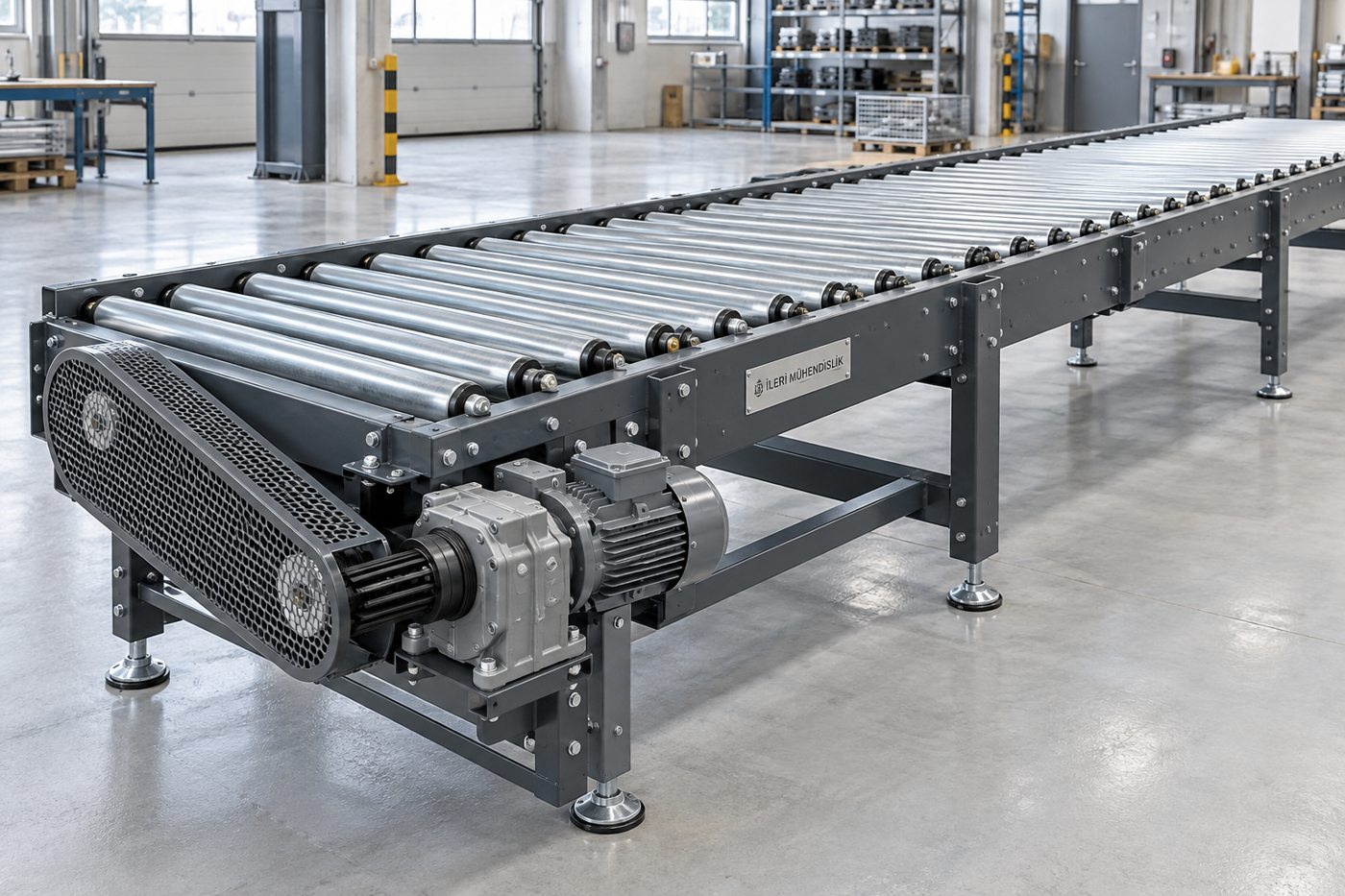
Poly-V roulant carrier
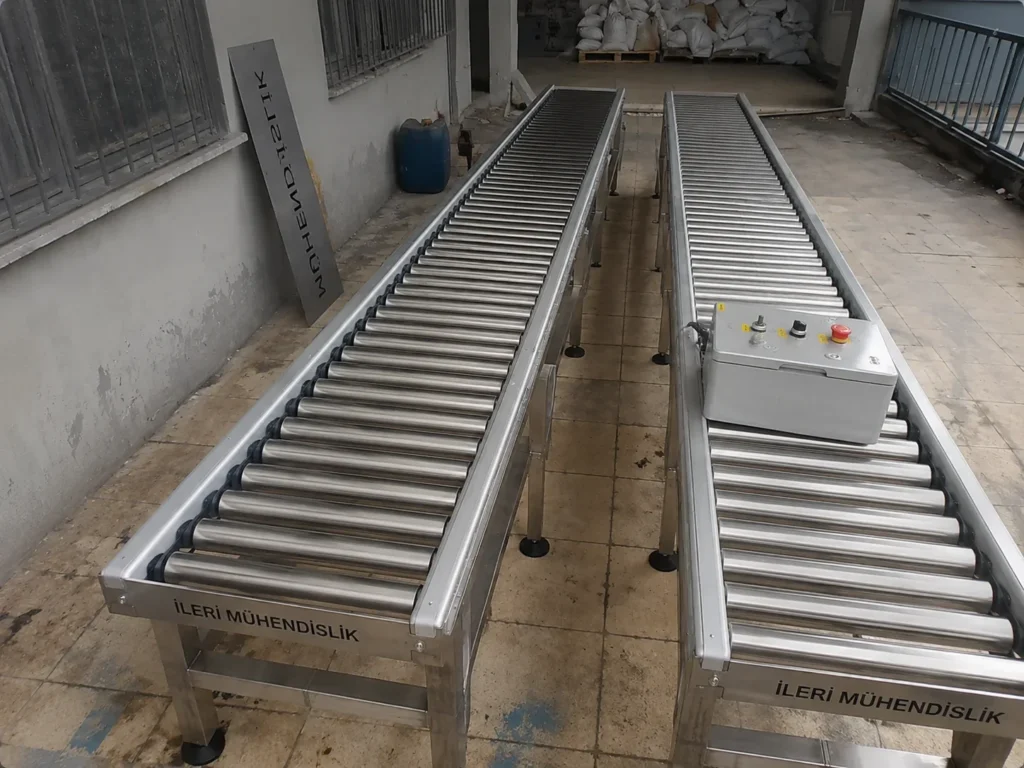
Poly-V Wire Rolling Conveyor Visual Gallery
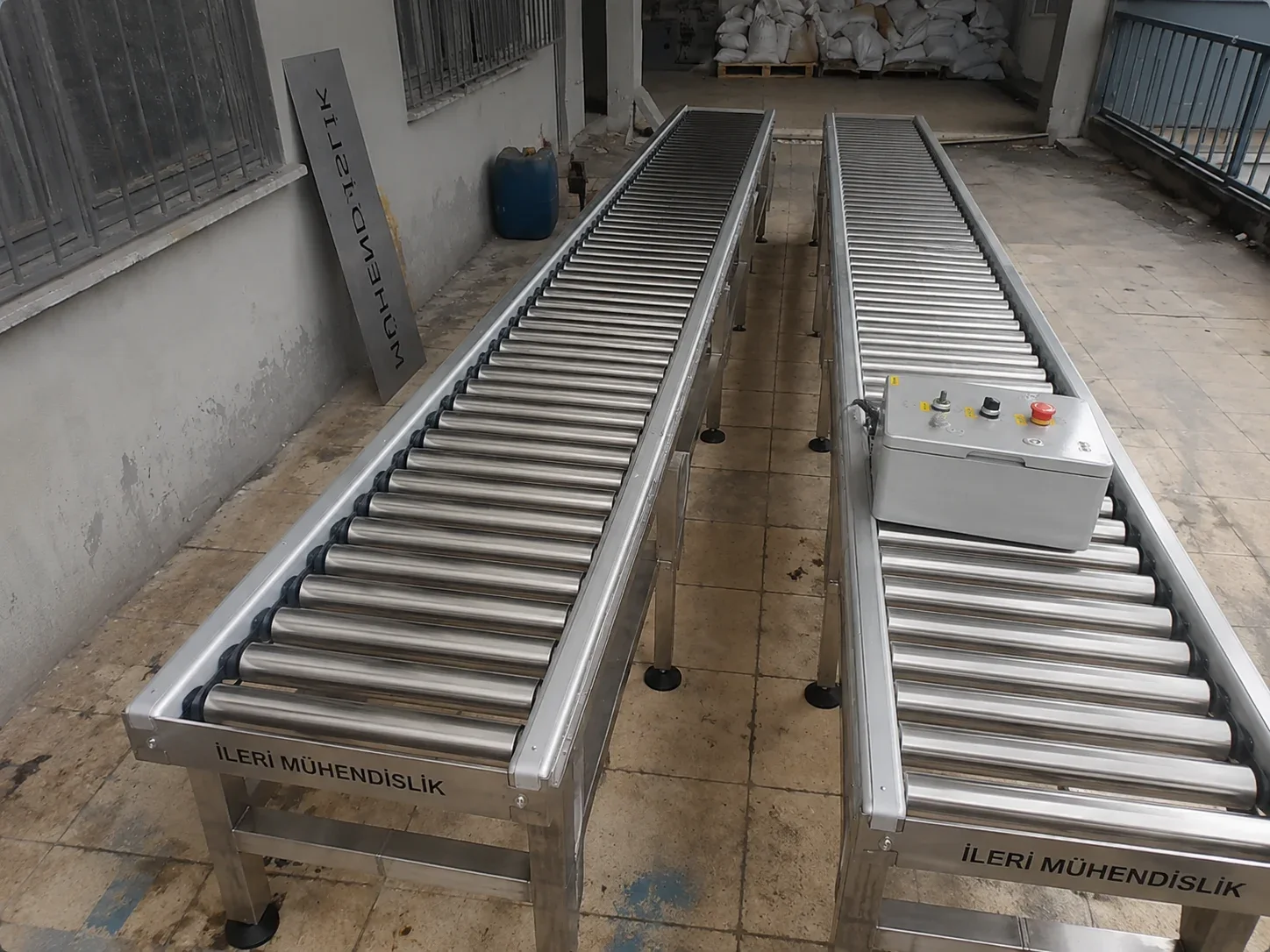
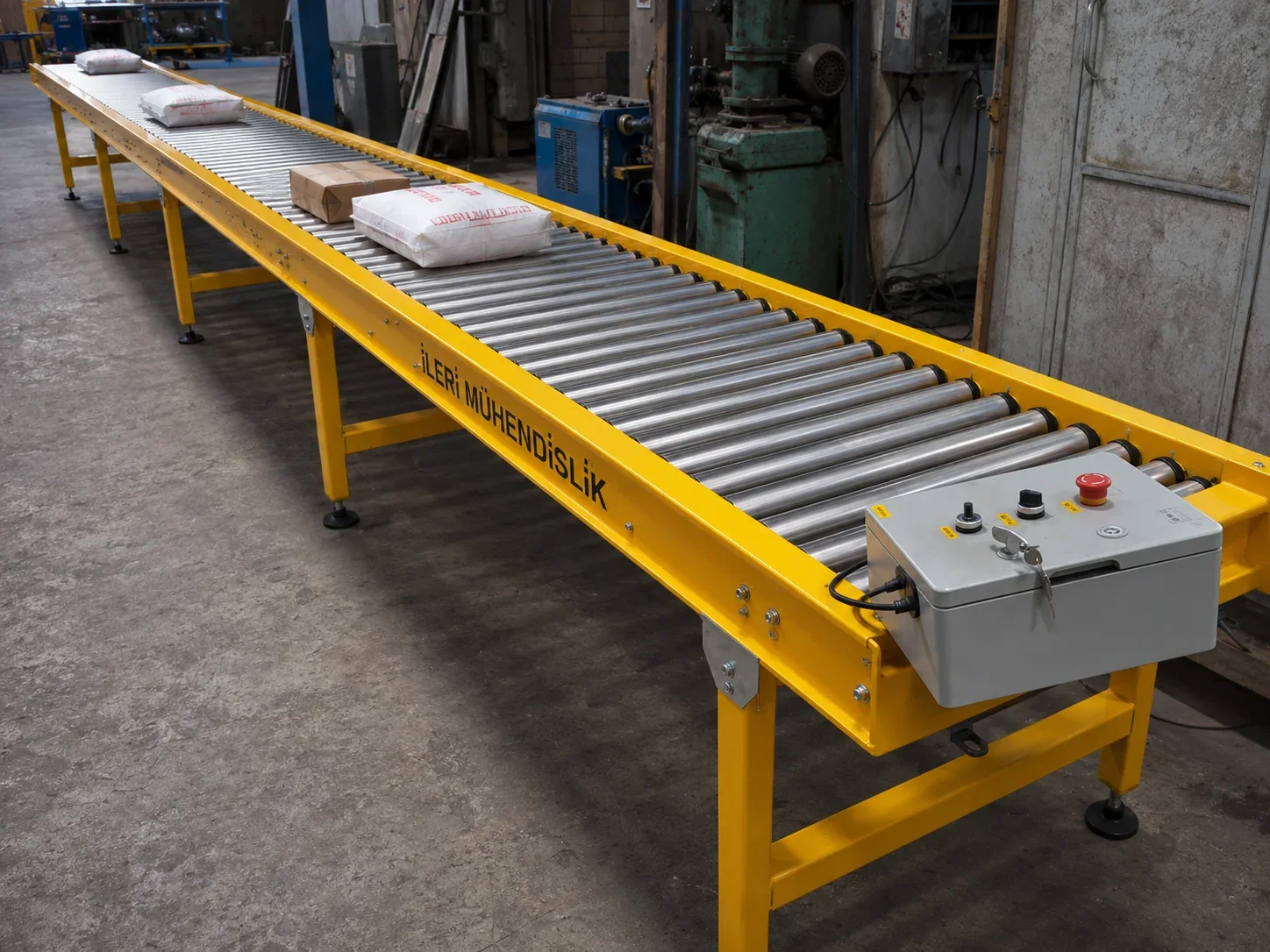
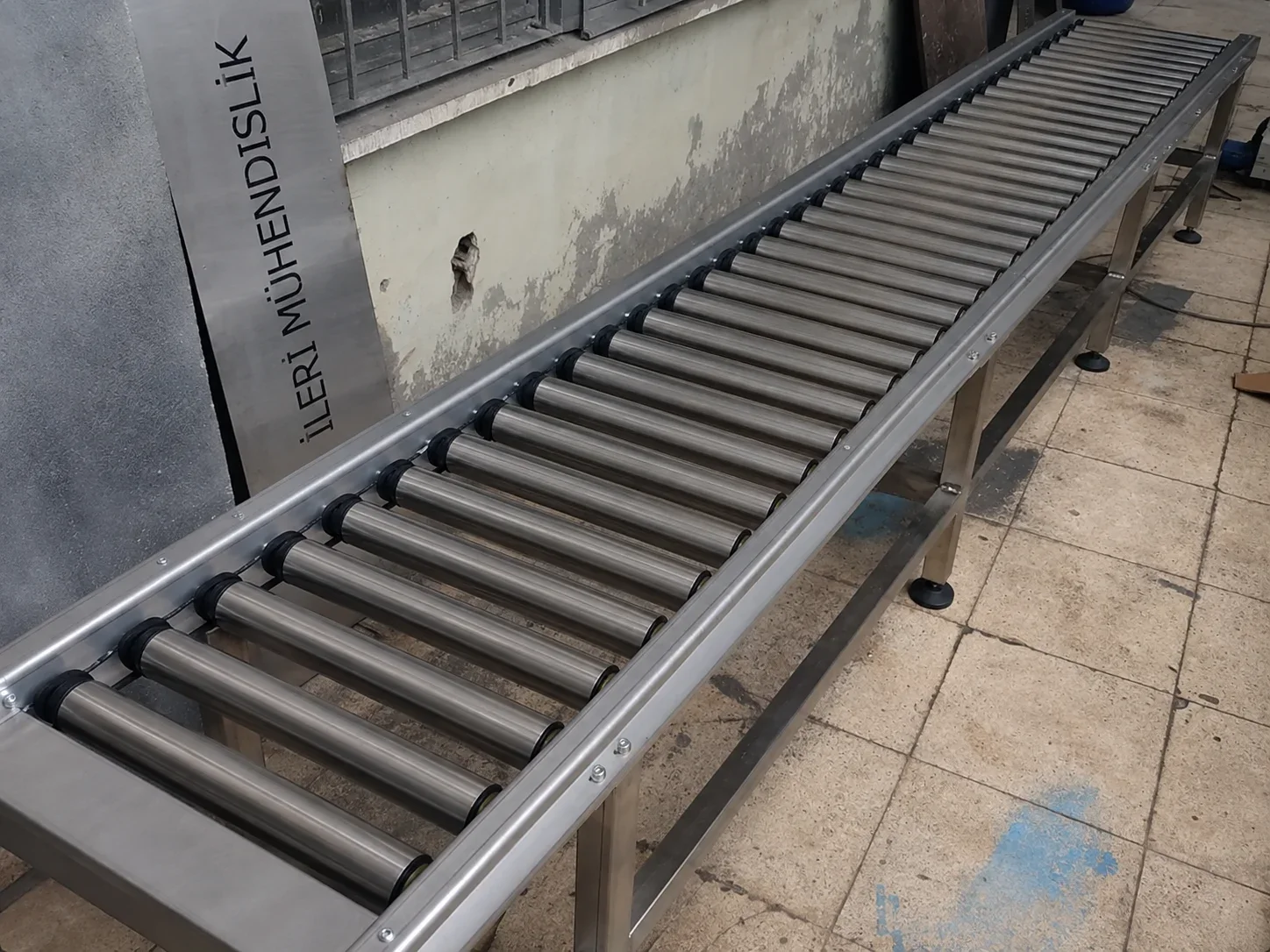
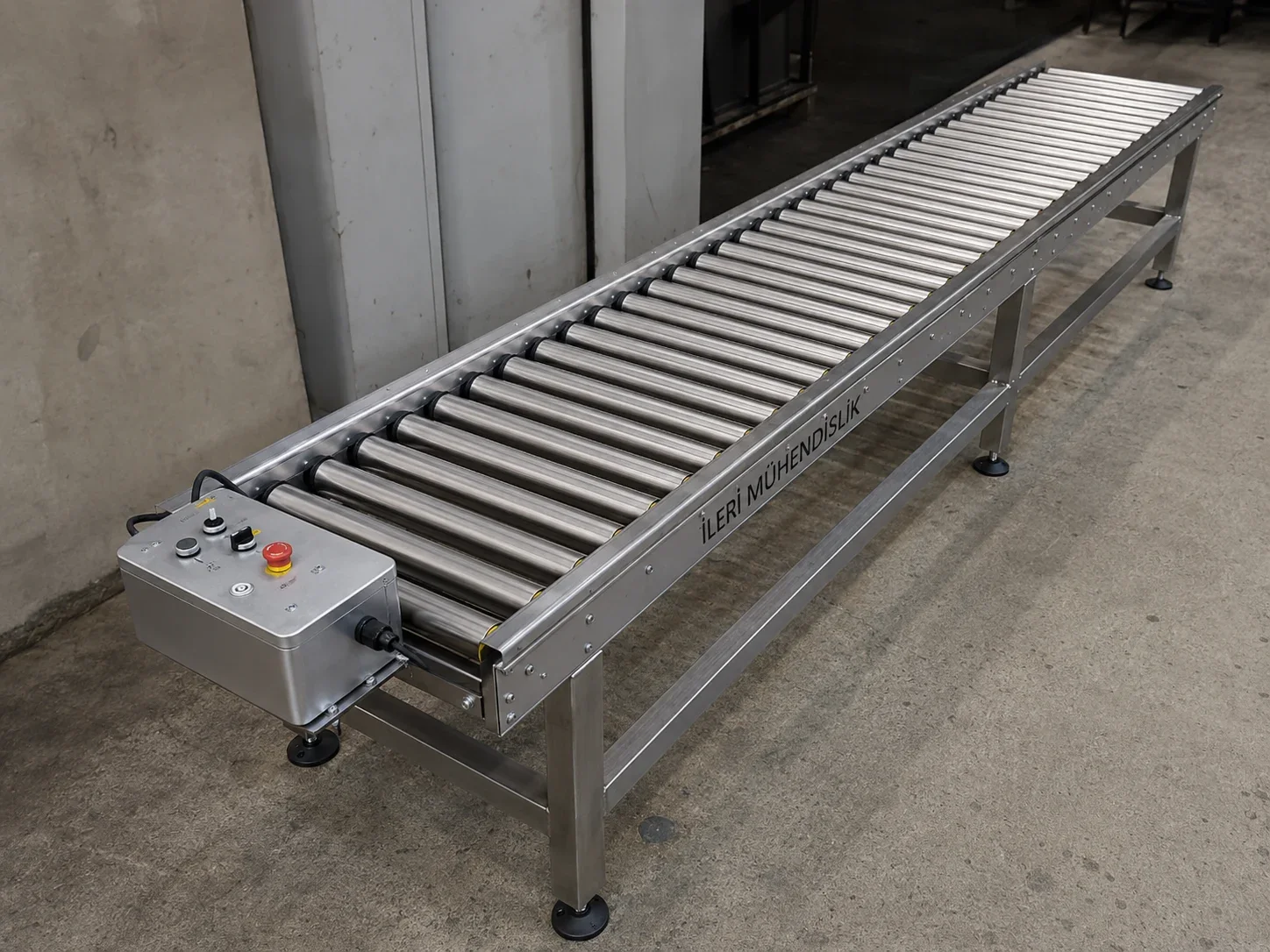
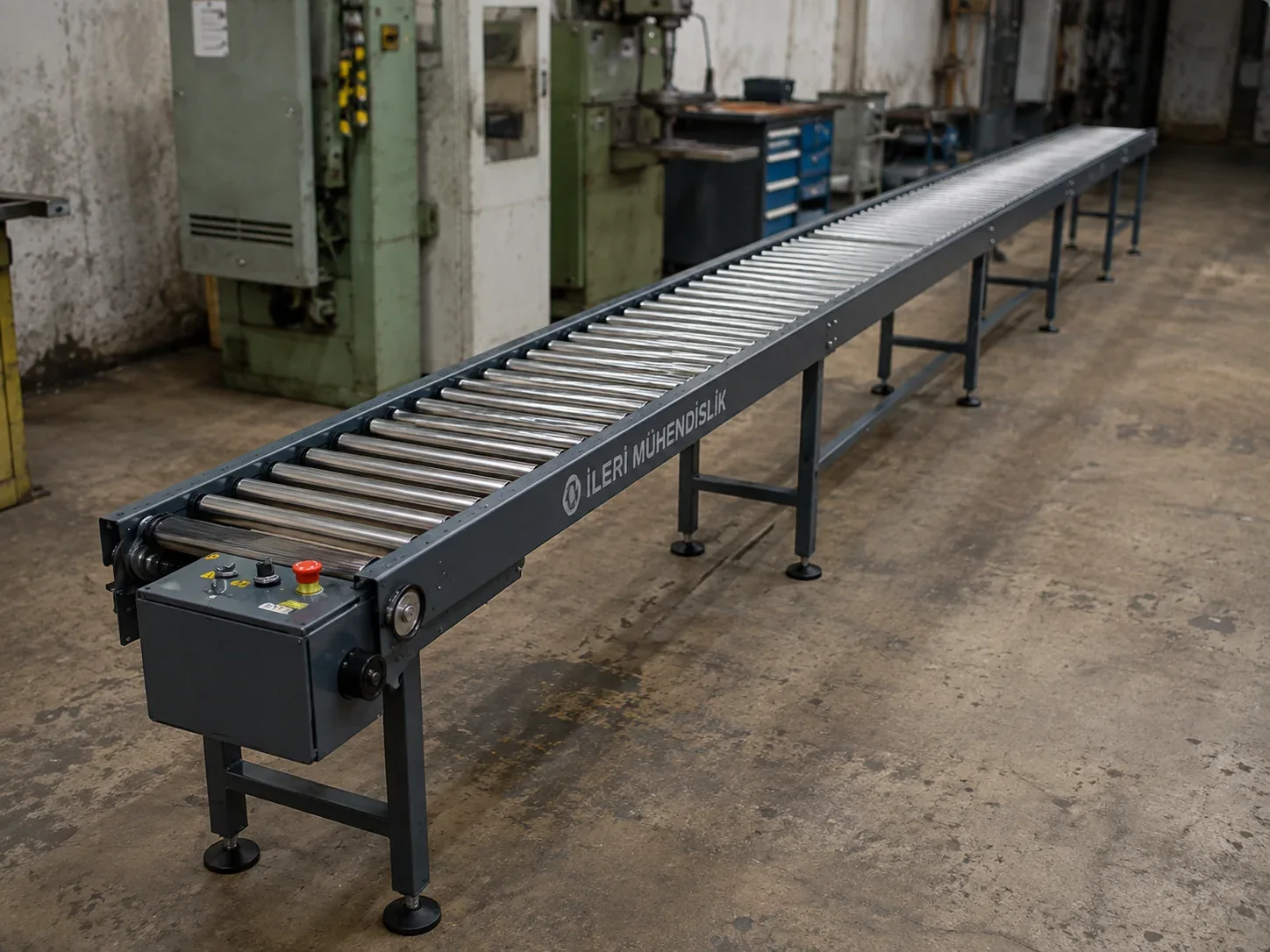
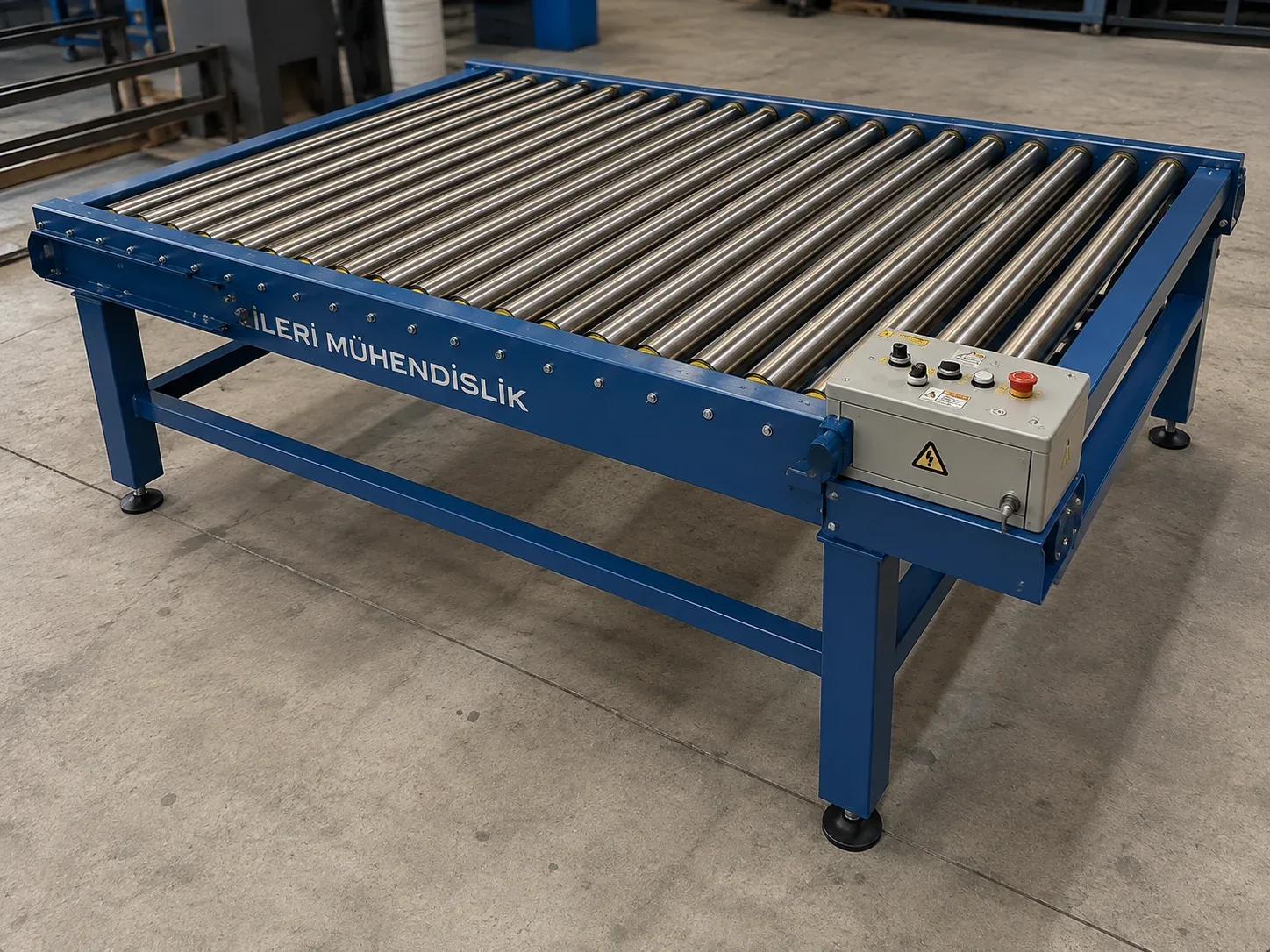
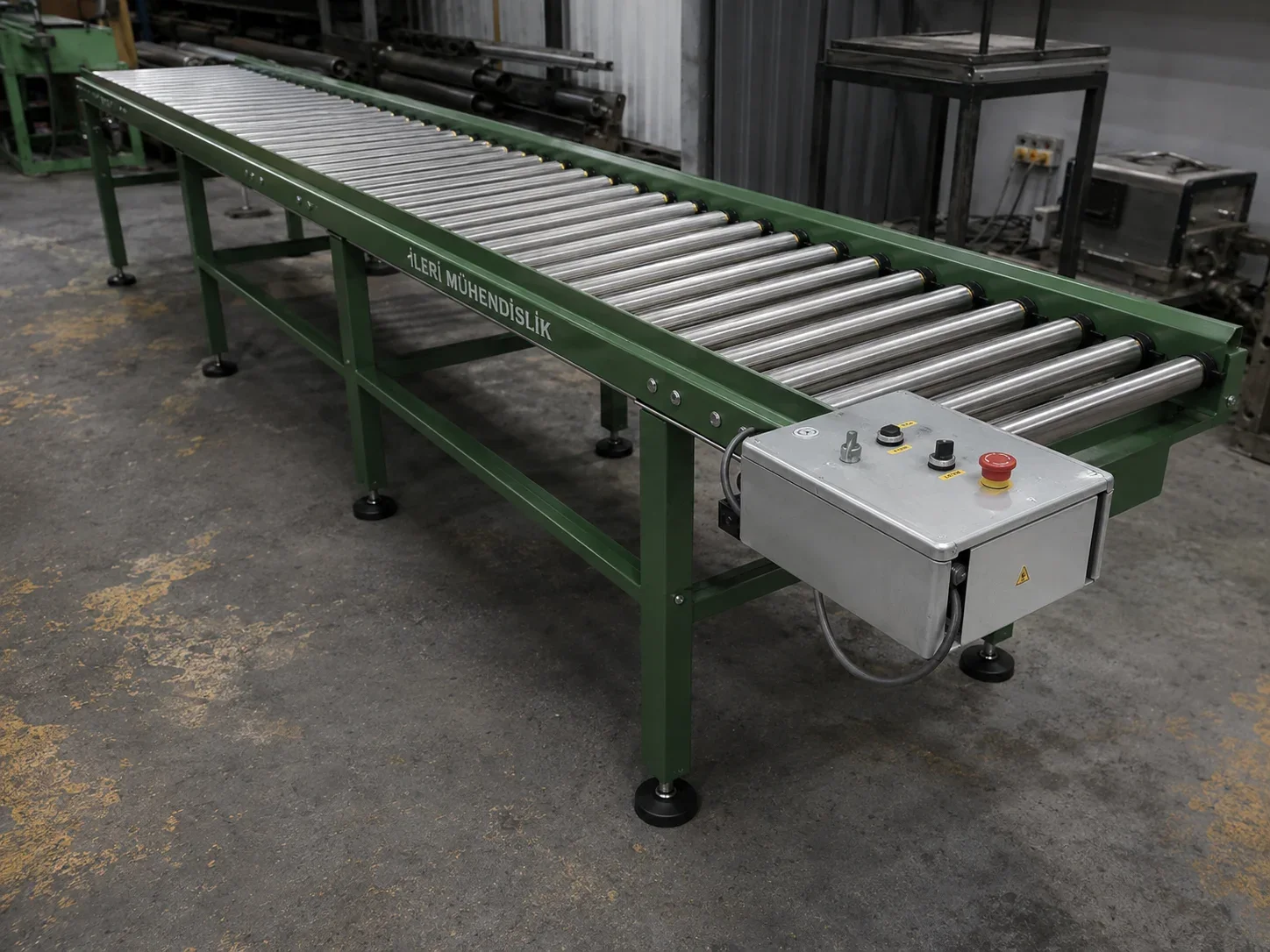
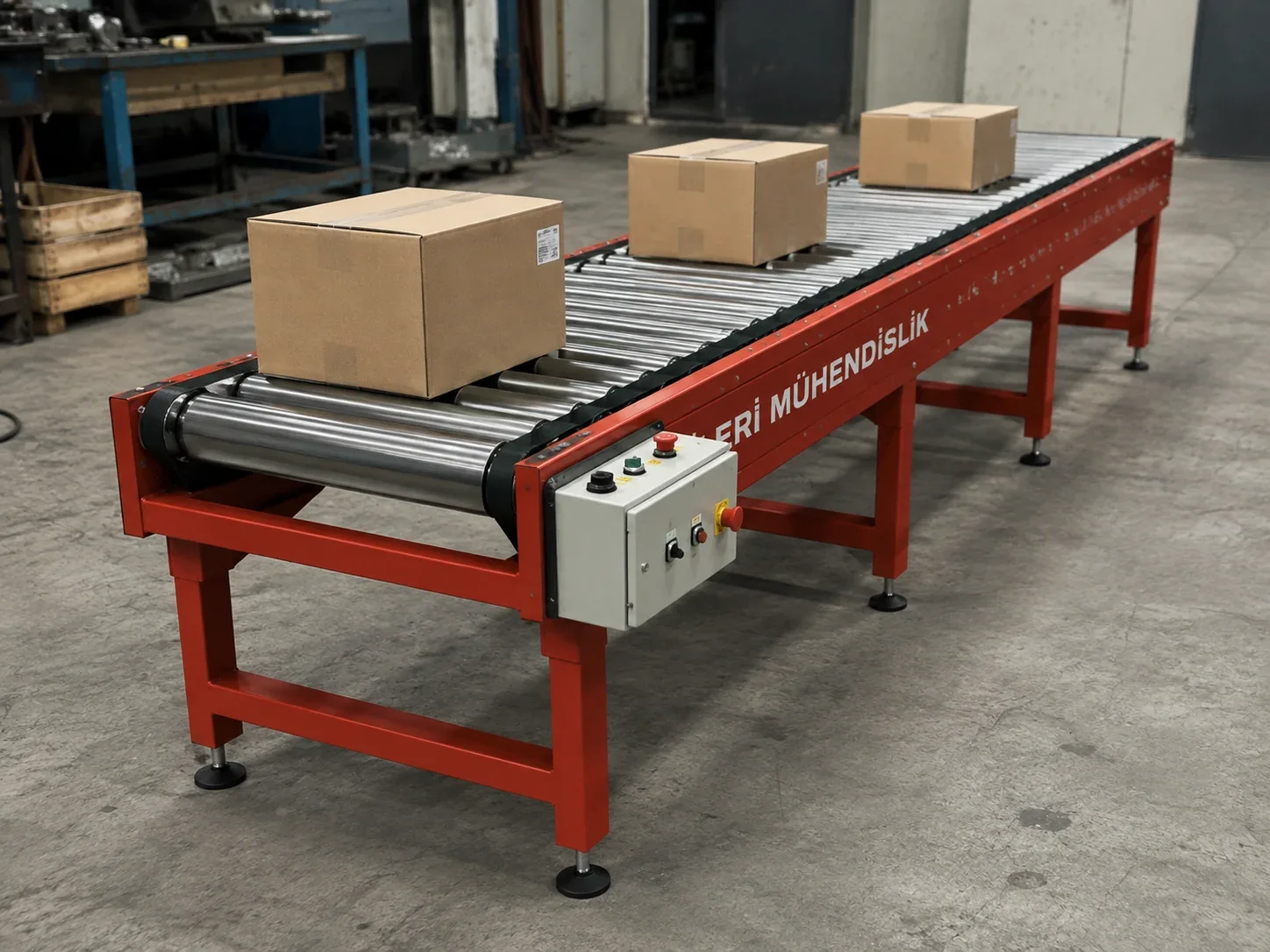
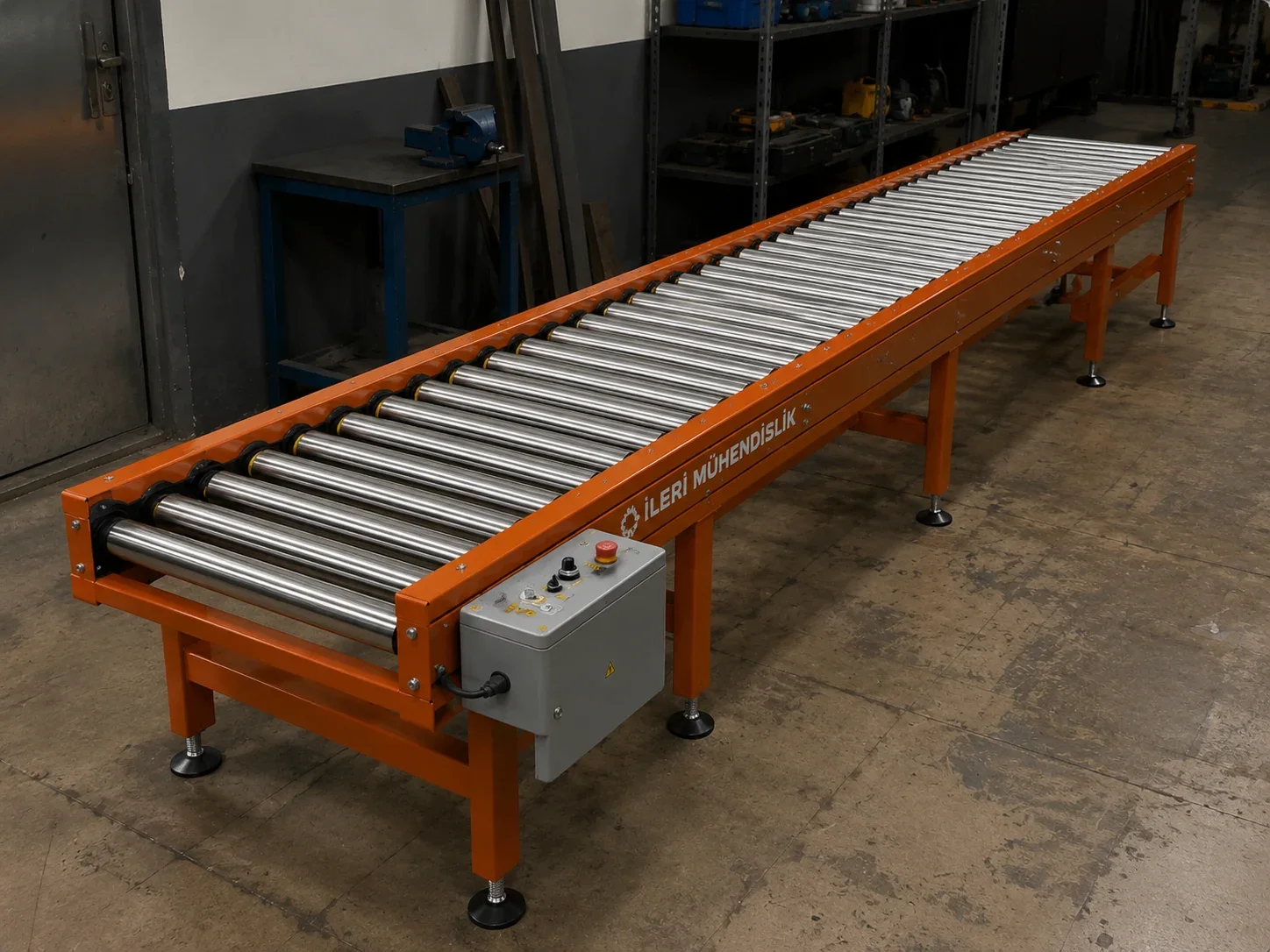
Poly-V trail rolled carriers transfer movement between the trails and the rounds sitting on the multi-channel trails. The trail, box and appropriate base trails are assessed in the movement between the production and delivery stations. The work of the system depends on the trail geometry, the trail type, the inter-roul central distance and the combined selection of the load to be moved. Advanced Engineering deals with the need for line placement and control.
How to choose Poly-V roulating carriers?
First, the base structure and measurements of the product are determined. The shortest box is important for proper transfer, having enough number of roles along the line. When the roll range grows, small products may have a loss of support; when the range is reduced, the length of the slope to be used and the layout of the slope changes. Therefore, mechanical measurements are not details to be changed independently after the slope selection is completed.
The number of rounds the load is contacting at the same time and the total number of products on the line affects the drive account. The move of a single light box to the back does not create the same conditions. The speed, stop-up frequency and the product will not progress in a curved area should also be indicated. The capacity assessment is not only based on the appearance of the thread or the roul diameter.
The canals and the trail
The channel profile of the Poly-V thread must be in accordance with the same system as the thread. The number of channels and the thread width are parts of the transmission order. The thread may not work properly when the axon position of the thread on the roll ends is not matched. If a current roll is changed, the tube length next to the thread diameter, channel structure and the thread position should also be measured according to the thread.
The length of the thread is related to the central distance between the rounds. Unsuitable size or tension may cause switches, unnecessary bed load or early stretching. The installation conditions in the systems used in the elastic thread are assessed according to the producer data of the relevant thread. It should not be assumed that each thread can be stretched in the same way. The code and size information of the existing product should be shared together in the spare parts order.
Motor roll and drive areas
Poly-V transmission can be used to distribute movement from a suitable motor roll to neighboring rolls. In such a order, the area length, the capacity of the motor roll and the number of rolls rounded together are determined together. It is not always suitable to add more rolls to the area without changing the driver element. The driver, cable and control signals must also be compatible with the motor roll system used.
If the products are required to be kept without value each other, the line can be divided into independent control areas. The point in which the sensor detects the product, the position distance and the information of the next area's availability determines the workflow. The existence of the Poly-V thread does not mean automatic savings itself. The savings behavior should also be defined in the control program as mechanical structure.
Products and six-sized settlements
At the entrance and exit of the carrier, the base of the product should receive sufficient support. The height of neighboring machines or the transfer gap is not appropriate, the product can be changed and installed. Side guides can be assessed as adjustable order if needed for different box widths. The effect of the guides on the net transport area and the sensor view should be checked in the placement drawing.
The service access to the side of the castle and the tracks is left to help reduce the maintenance time. The six-out size includes reservations, cable route and foot connections. Access to the transmission elements in the areas where the operator works is limited to appropriate protectors. If the line is connected to a machine cell, the secure position arrangement is handled together with the entire system.
Control and maintenance of the boat
The scratches, surface damage, output from the channels or irregular climbing in the trails require control. The dirt and product waste accumulated in the trails can also affect the movement transfer. The suitability of contact with oil or cleaning chemicals depends on the trail material. During maintenance, the trail should not only be changed, the rotation resistance and the trail balance of the rounds should also be studied; otherwise the same failure may reappear.
Poly-V carrier price and offer preparation
The product size and weight, line length, clear width, roll range, desired speed and work circle are required for the offer. The number of control areas, the motor roll or central drive preference, sensors and side guides affect the cost. The information of the roof and thread should be shared if the existing or even adaptation is made. The measurable settlement drawing ensures the proper creation of the roof along with the input and output directions of the product.
Frequently Asked Questions
Is the O-ring strip the same as the Poly-V? No. The cuts and the need for the cranks or channels are different. The current roll requires compliance checking that they are used directly instead of each other.
If the roll range is changed, will the thread change? Because the center distance changes, the length of the thread and the installation conditions are re-evaluated. The old thread should not be assumed to be appropriate.
Can a part of the line stand independent? For this, the appropriate drive and control arrangement for the sections must be established. Product detection and communication with the next area are defined in the design.
The existing product information
| The product | Poly-V roulant carrier |
| The basic function | Multi-channel rolls with slopes and slopes |
| Area of Application | Coli and box transfer lines |
| Information needed in the election | Role name, shell structure, speed |
| Technical control point | The selection of the thread and tension affect the transfer capacity |
Ask about this product or application
Product images