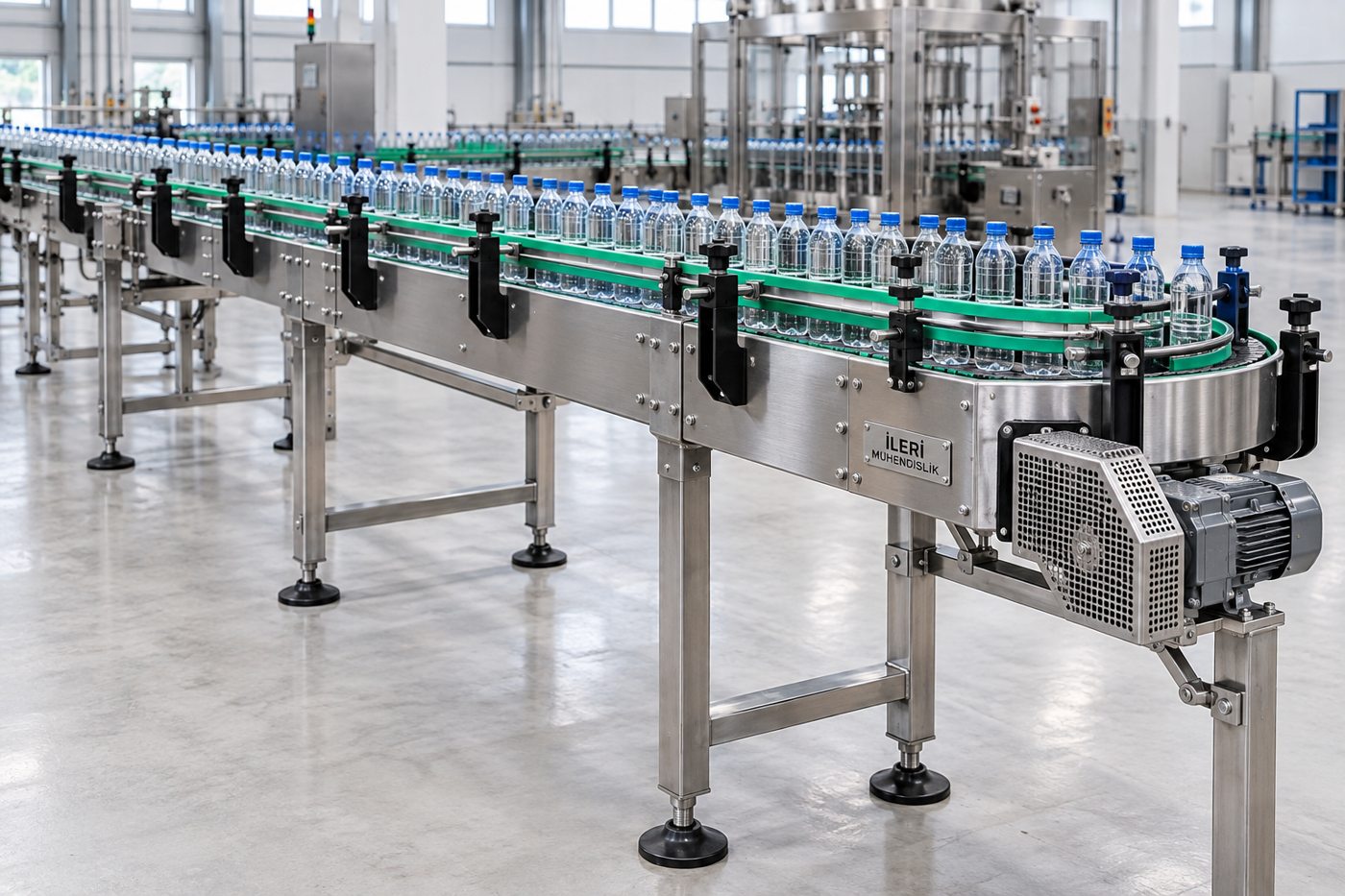
The bottle transportation
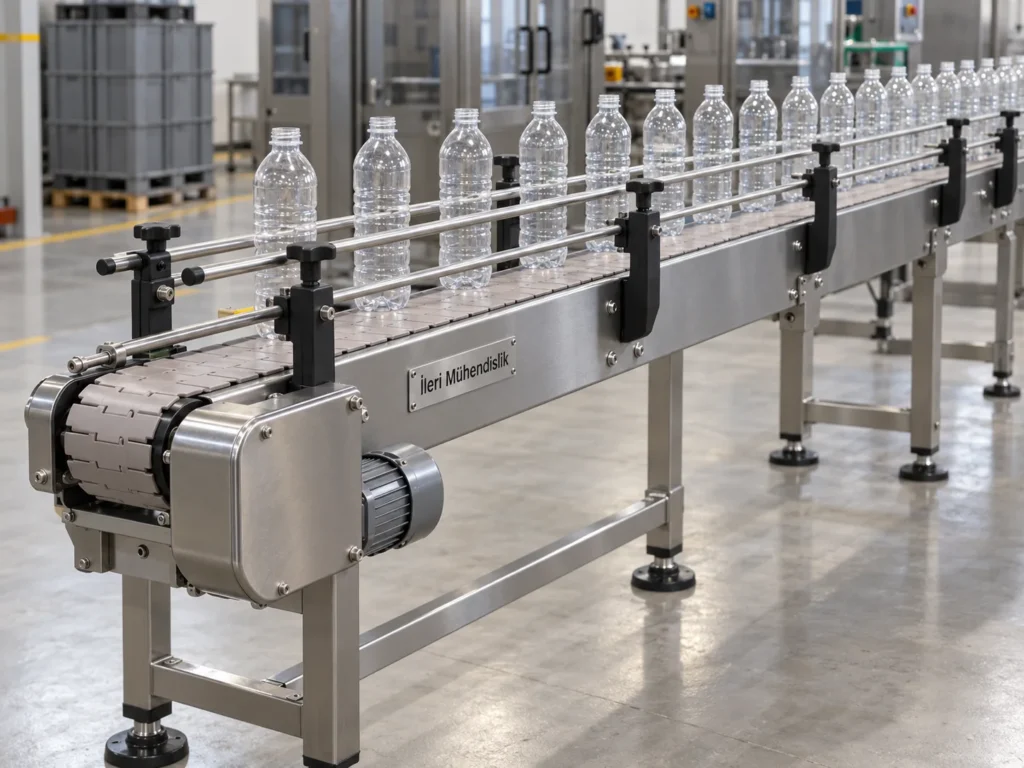
The visual gallery of bottle transportation carriers
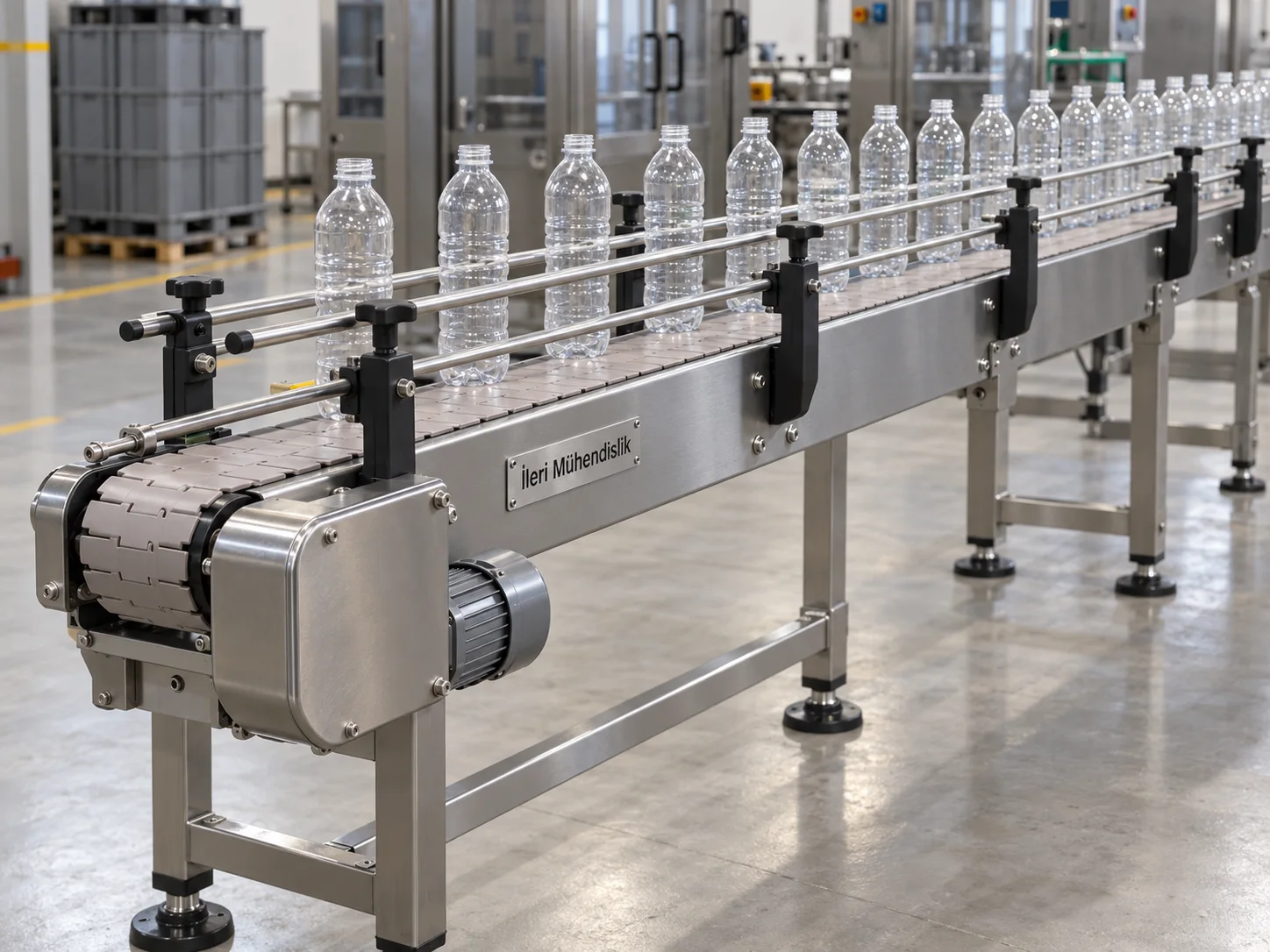
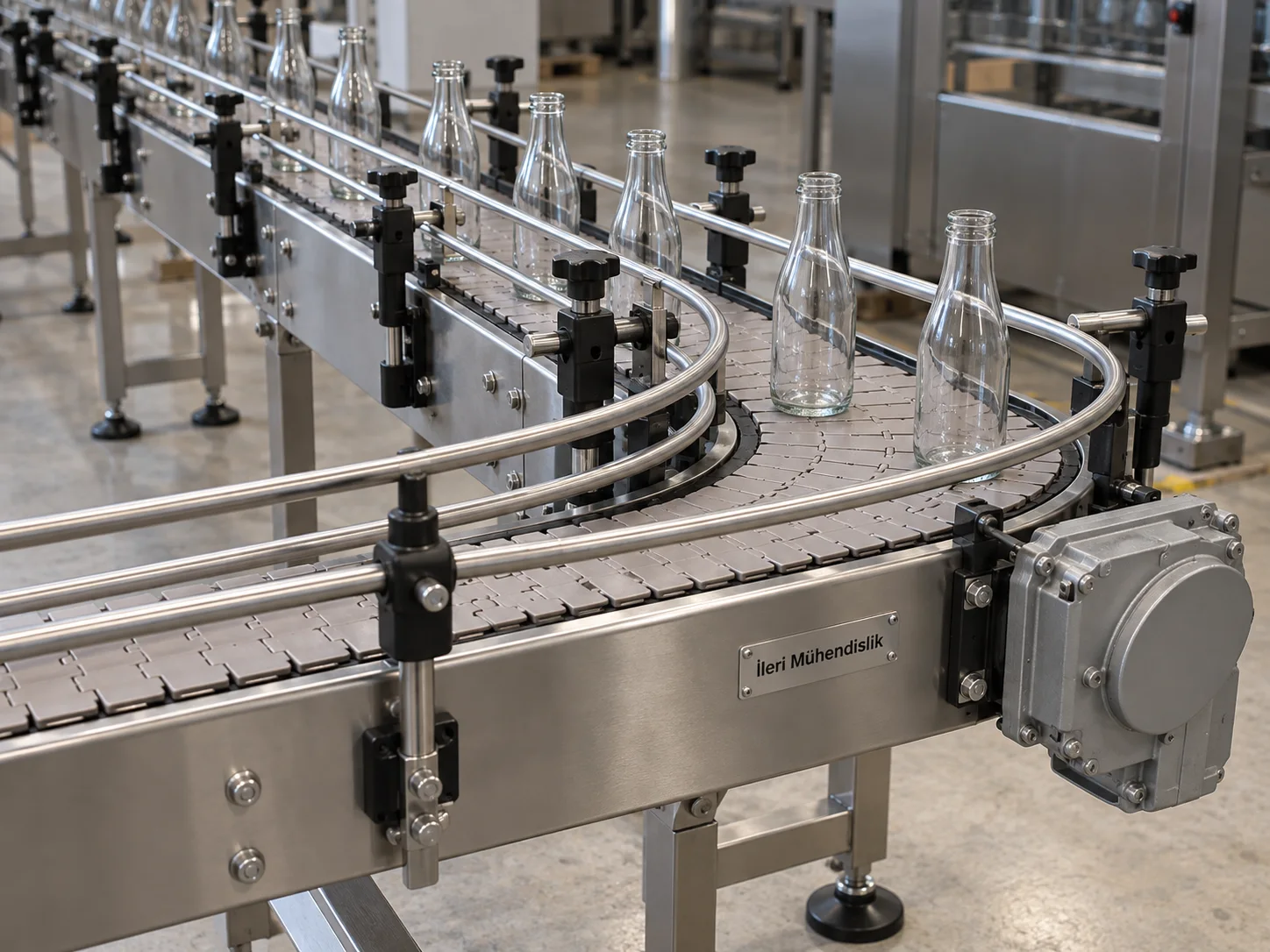
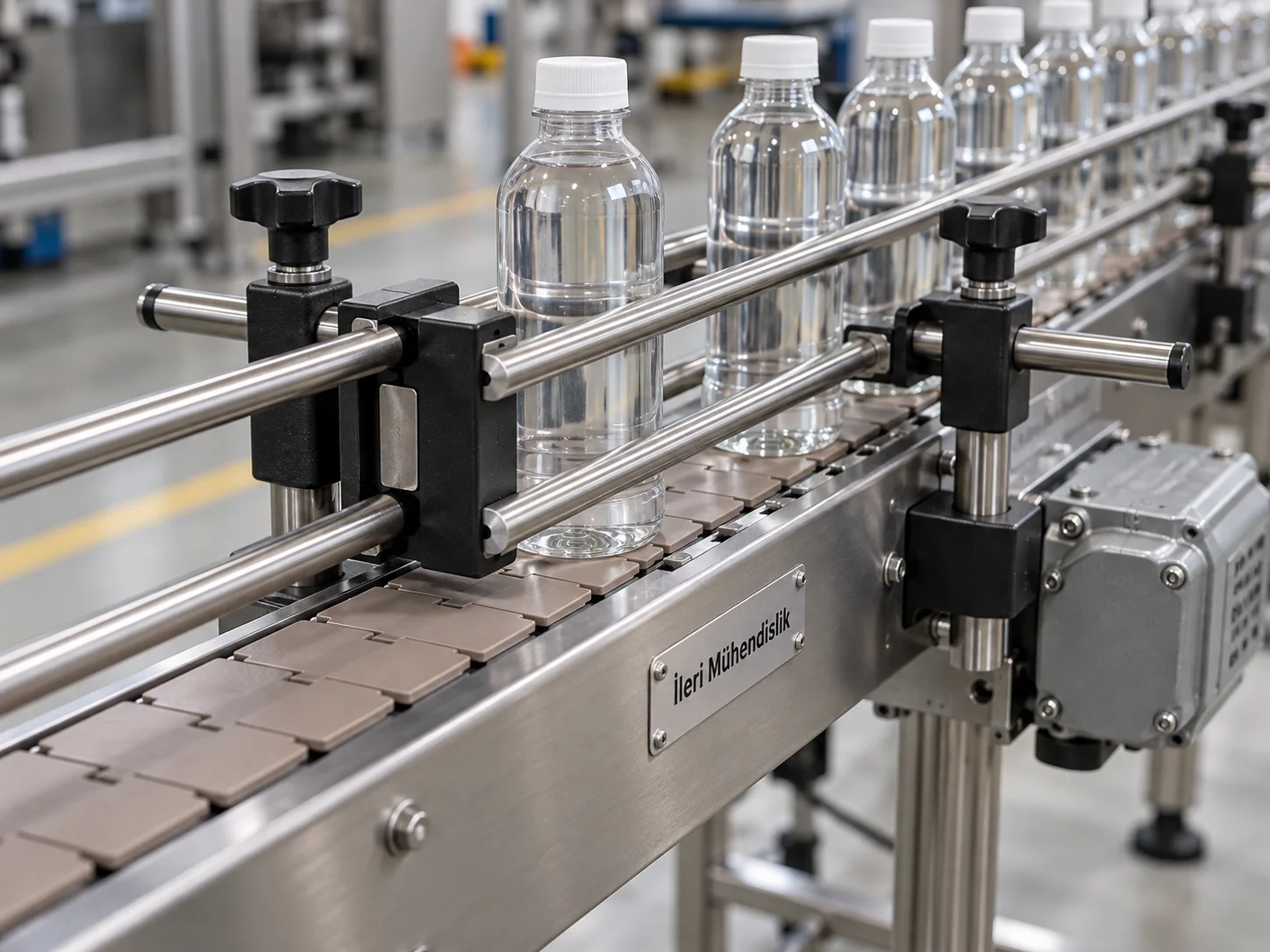
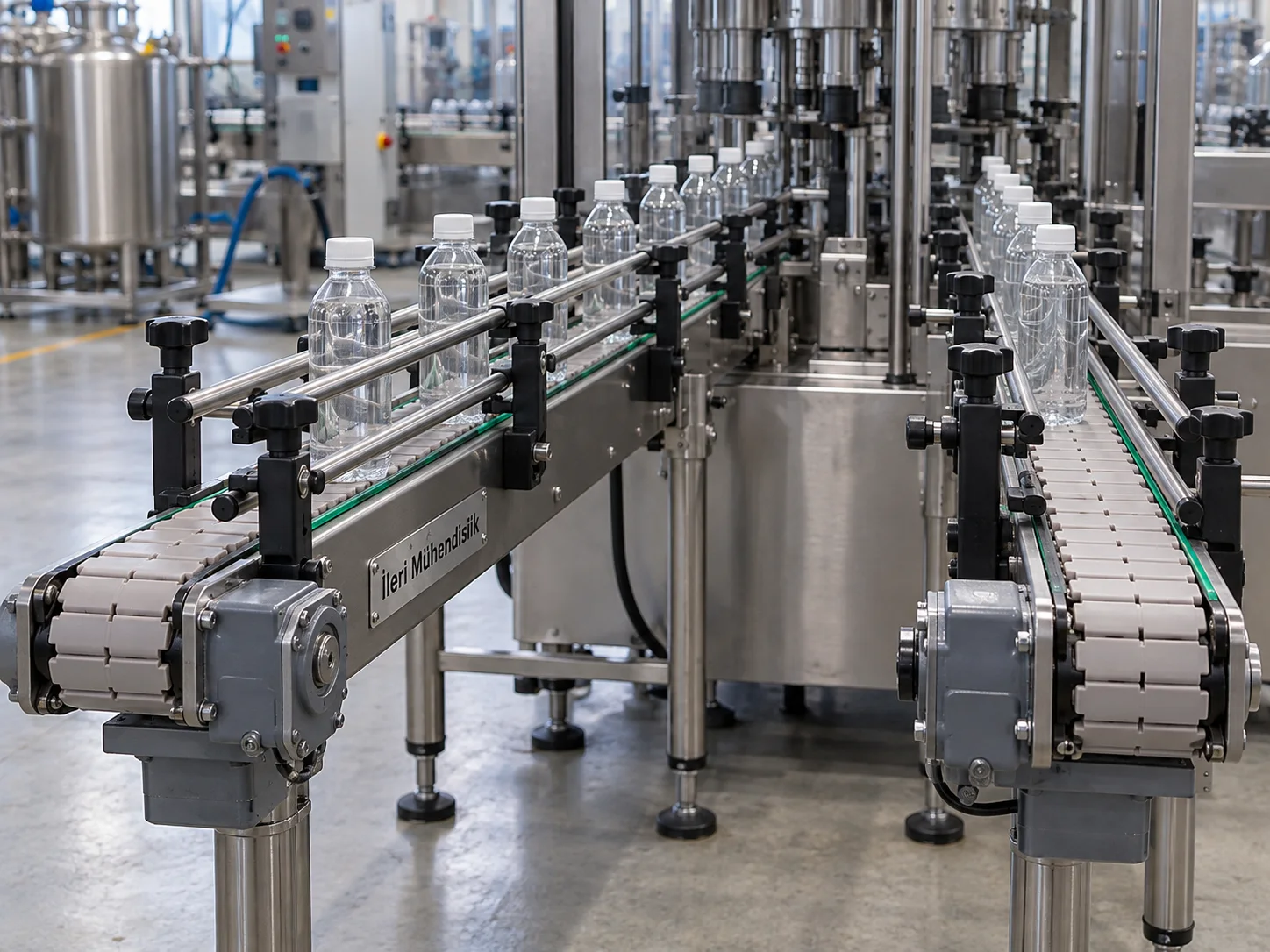
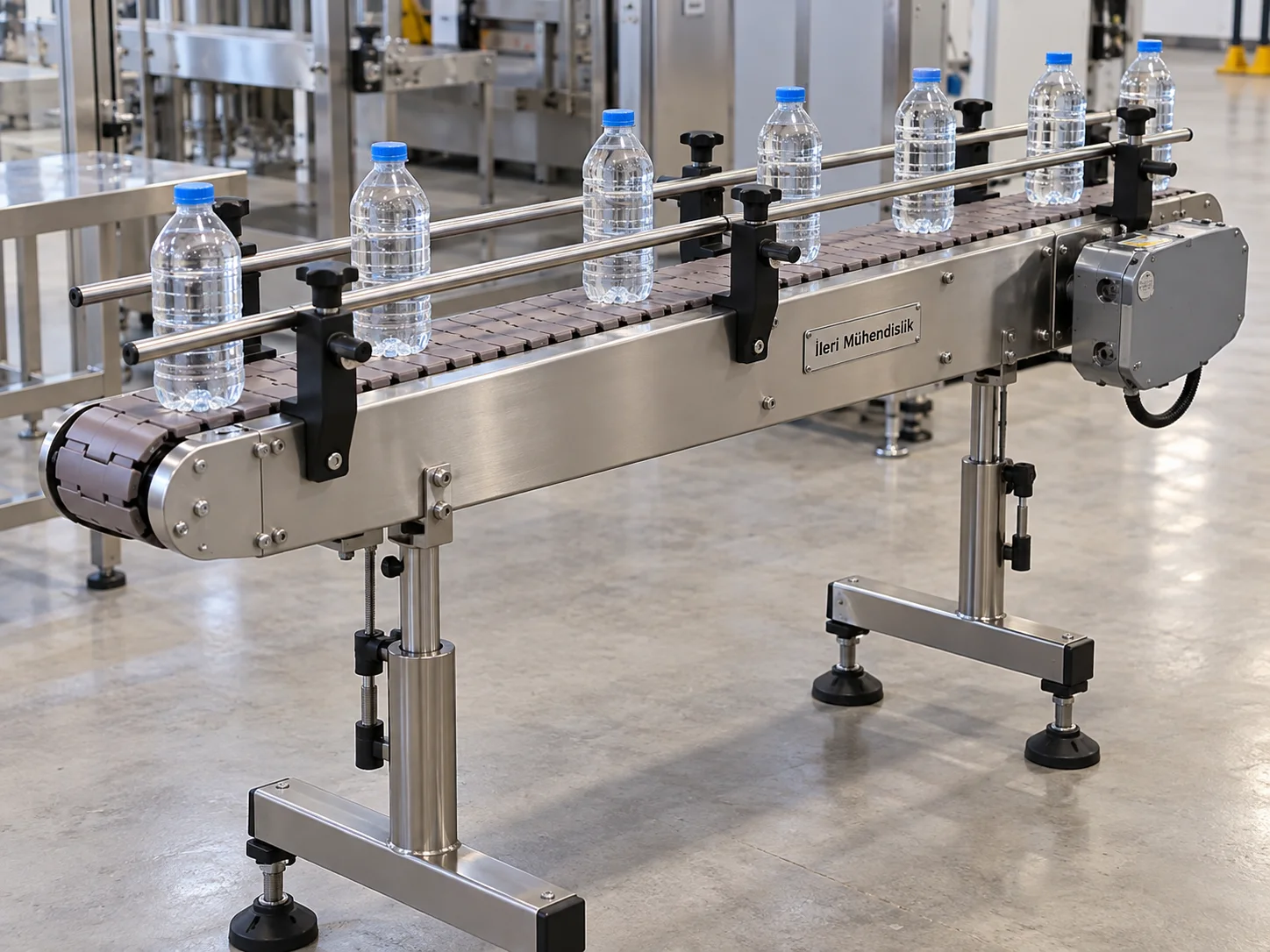
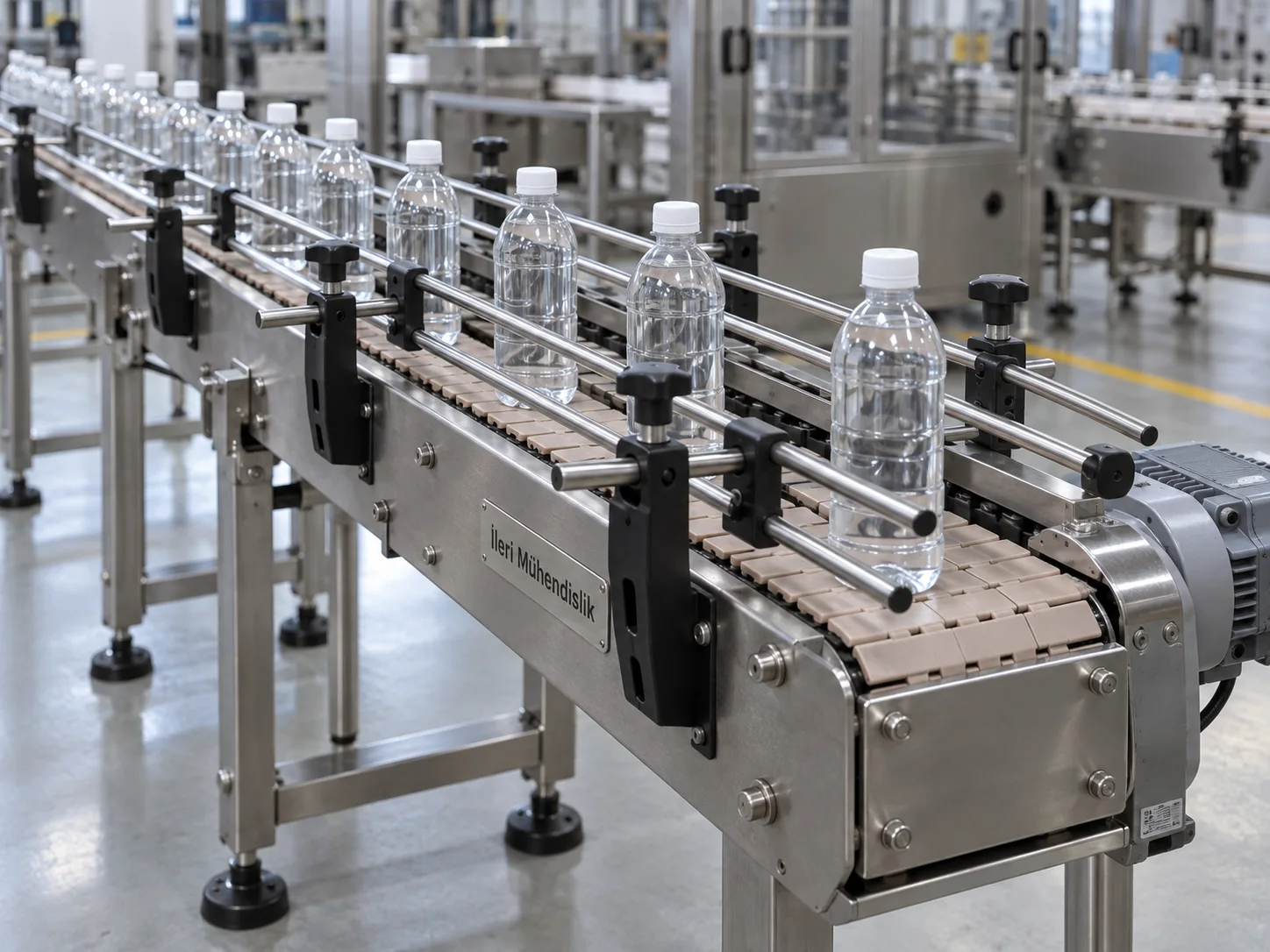
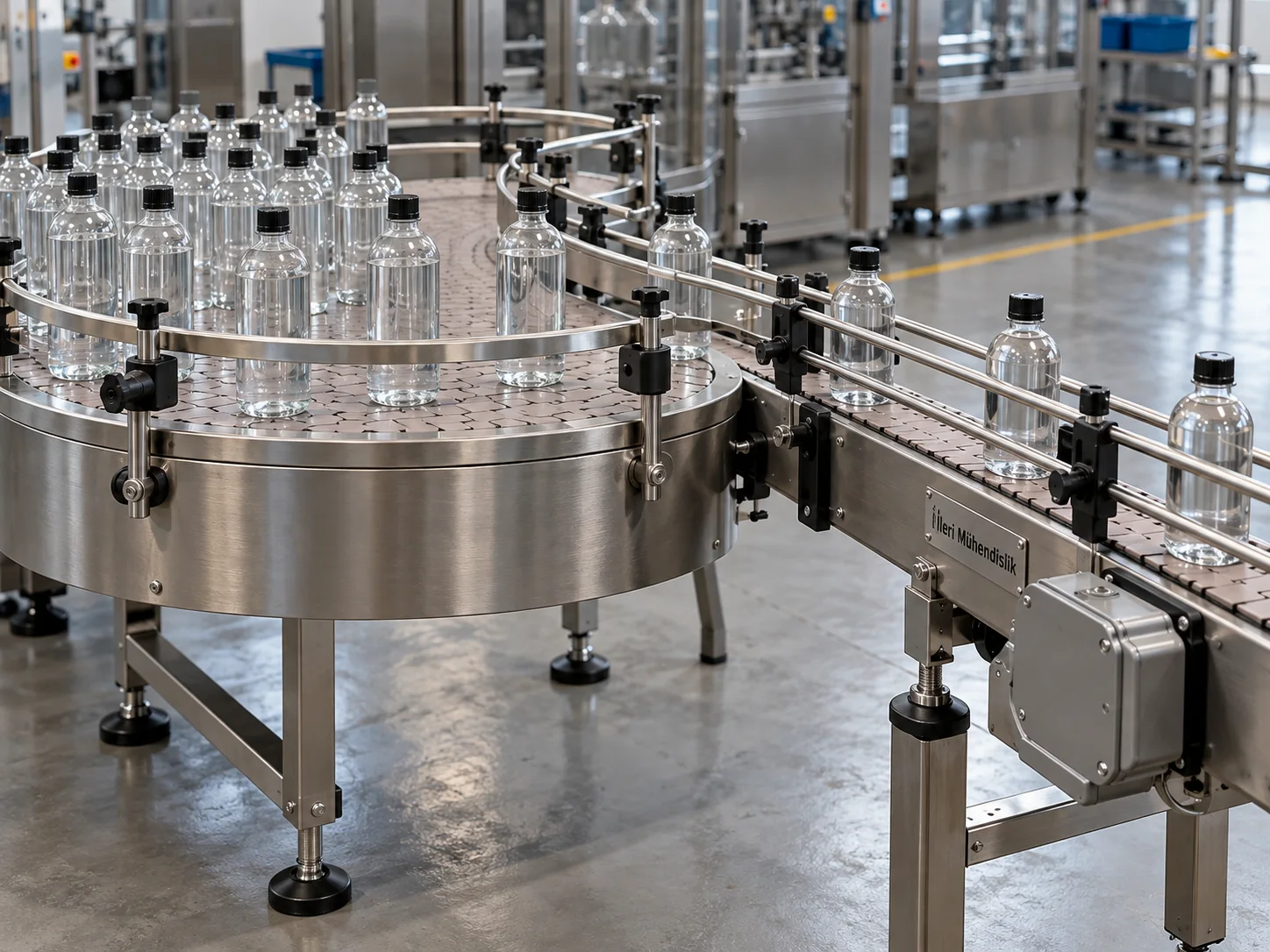
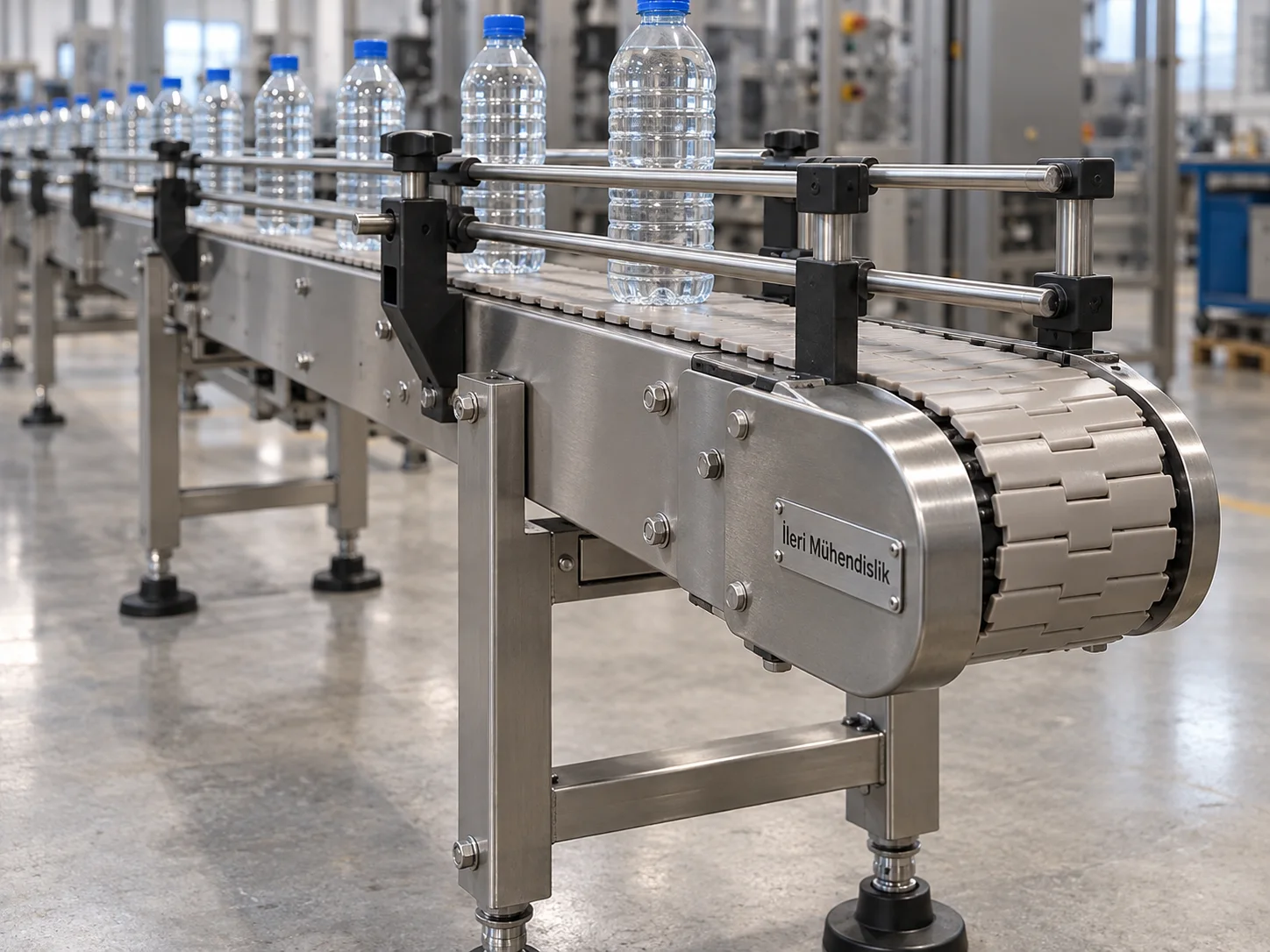
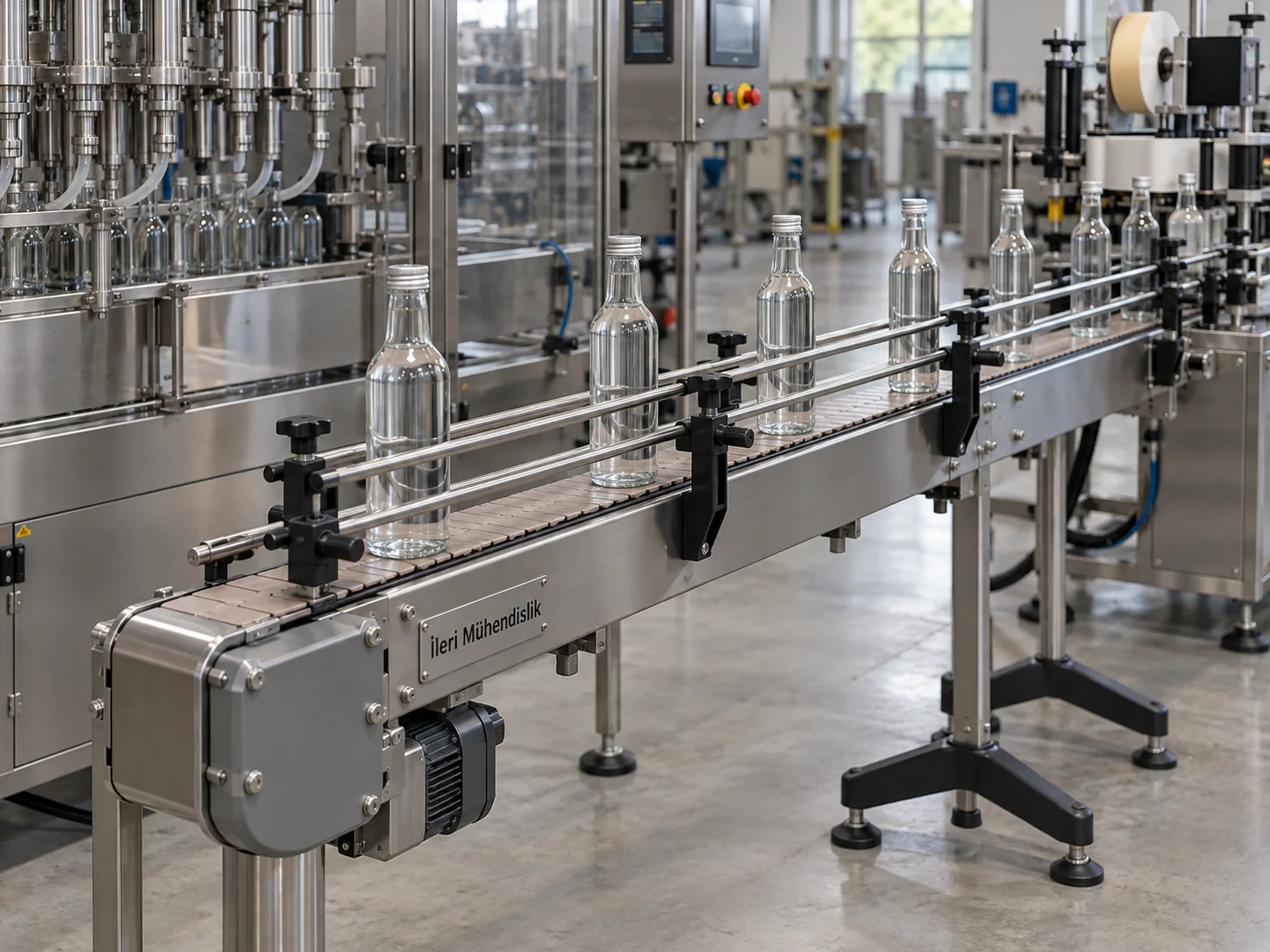
Flask transportation carriers are used to carry bottles straight and balanced between filling, covering, labelling and packing stations. Transportation surface, side guidelines and machine passes are selected according to the bottom of the bottle and the weight center. Advanced Engineering assesses the empty or full state of the bottle and the production speed together. The same bottle may be different before and after filling behavior should be addressed as a whole line.
Product measurements for bottle transportation carriers
The outer diameter and height of the bottle is the basic choice information; but the real area that touches the transport surface of the base is also important. A narrow-based and high-based bottle with a wide-based low-packing does not have the same balance conditions. The ground geometry, the surface material and the position of the weight center of the product should be assessed. If different bottles are to be moved, the smallest and the largest sizes should be shared together.
The low weight of the empty bottle may cause it to behave differently in relation to air flow or guide contact. In the full bottle, the total weight and movement of the liquid may affect the output-stop conditions. The surface contact and the expectation of collision for glass, plastic or other types of packaging are different. The product samples make it easier to understand the actual transport behavior.
Transportation surface and bottle support
The transport surface should provide appropriate support to the bottom of the bottle. The chain or band type is selected along with the product weight, line geometry and cleaning conditions. The surface openings and connective areas gain importance in small-based bottles. The product base is not adjusted to these areas and the progress is steadily controlled along the line.
The drilling conditions on the lines open to moist or product drop may change. The removal of the spilled liquid and the cleansing of the transport surface should be considered in the design. The material to be used is assessed according to the contact and cleaning conditions with the product. Only the proper progress of the bottle in dry condition does not mean that it will show the same behavior in all production conditions.
The side guidelines
Side guidelines help the bottle even stay and direct it towards the machine entrance. The height of the guidelines is selected according to the appropriate body area of the bottle. The strict setting from the need may increase the drainage; if the over wide openness may allow the bottle to change or turn. The guidelines should be assessed not only according to the bottle diameter looked from the top, but with the whole body shape.
If the product changes to different diameter, the setting range is determined from the beginning. The accessibility of the setting points and the re-capability of the same position facilitates the production change. The guide links should not relax during work. The impact of the guide theme on the label surface in label products should also be studied; in some applications the contact height is selected accordingly.
Transitions between machines
The input-out measurements of the filling, covering and labelling machines should be matched with the carrier. The gap between the two surfaces and the passage gap affect the balance of the bottle. Small-based bottles may not be able to bridge the gap. If the transfer plate or other passage layout is used, it should be checked with the actual sample where the product is progressing without being placed here.
The speed difference in the neighboring transport surfaces may change the movement of the bottle. In particular, sudden speed change or direction change in narrow-based products may lead to unwanted rotation. The one-range progress of the bottles in the delivery to the machine requires different solutions to be in a certain range or to be fed by accumulating. The desired flow form should be clearly defined in the supply phase.
The line and line control
If a machine stops for a short time, if the bottles even need to wait, the accumulation area and control arrangement should be planned. The strength applied by the back-of-the-back bottles to the front is assessed according to the product's resistance and line geometry. The accumulation behavior in the turn and compression areas may be different from the straight line. Instead of uncontrolled compression, the production scenario is adapted to the feeding and position arrangement is created.
Sensors detect the bottle should be treated according to the product material and shape. It may be necessary to choose the appropriate detection method for transparent or bright bottles. The machine is ready, line-filled and output-closed information is included in the control range. The product change the sensor position and the manual setting are checked together and the production is re-started.
Information for the price of the bottle transportation carrier
For the offer, the bottle sample, the diameter and height range, the empty-fill weight, the desired production speed and line installation are required. Input-output coats, turns, accumulation need and cleaning method should also be shared. Transport surface, shade material, manual setting and automation range price determines. Transfer measurements of the connected machines ensure the proper installation preparation.
Frequently Asked Questions
Can the same or even different bottle diameter be moved? The transport surface, the guide set range and the machine passes must be in accordance with all products.
Is the same speed suitable for empty and full bottles? The balance, holding and machine acceptance conditions may be different. Both situations must be checked separately.
Can bottles be moved after labelling? The guide theme and the impact of the surfaces on the label can be assessed and the appropriate layout can be selected.
The existing product information
| The product | The bottle transportation |
| The basic function | Balanced base support and side guidance of bottles |
| Area of Application | Fill, cover and tagging transfer |
| Information needed in the election | The bottle diameter, weight center, line speed |
| Technical control point | The guideline settings and the transition vacuum are scheduled according to the risk of turning |
Ask about this product or application
Product images