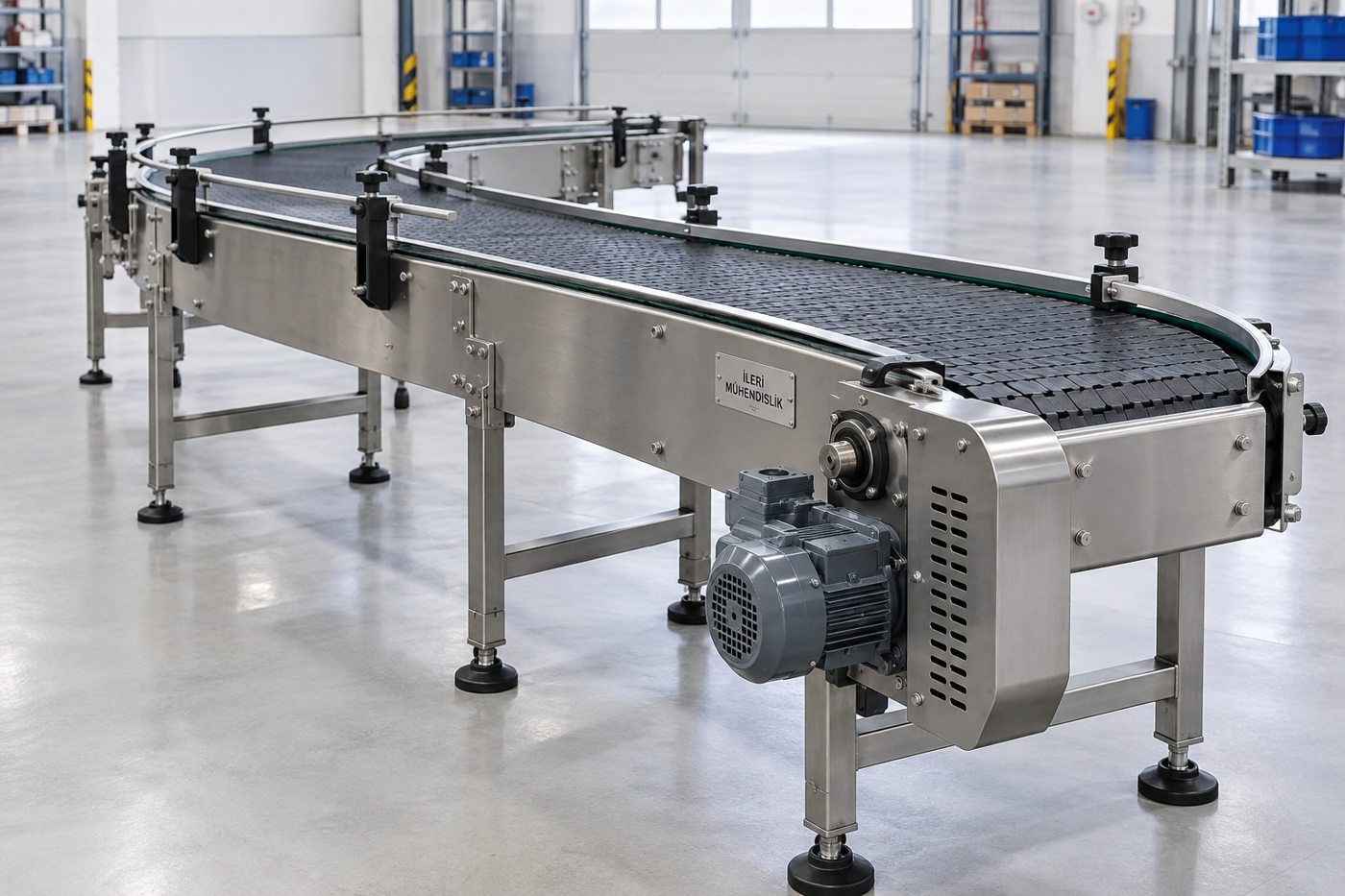
The returned carriers
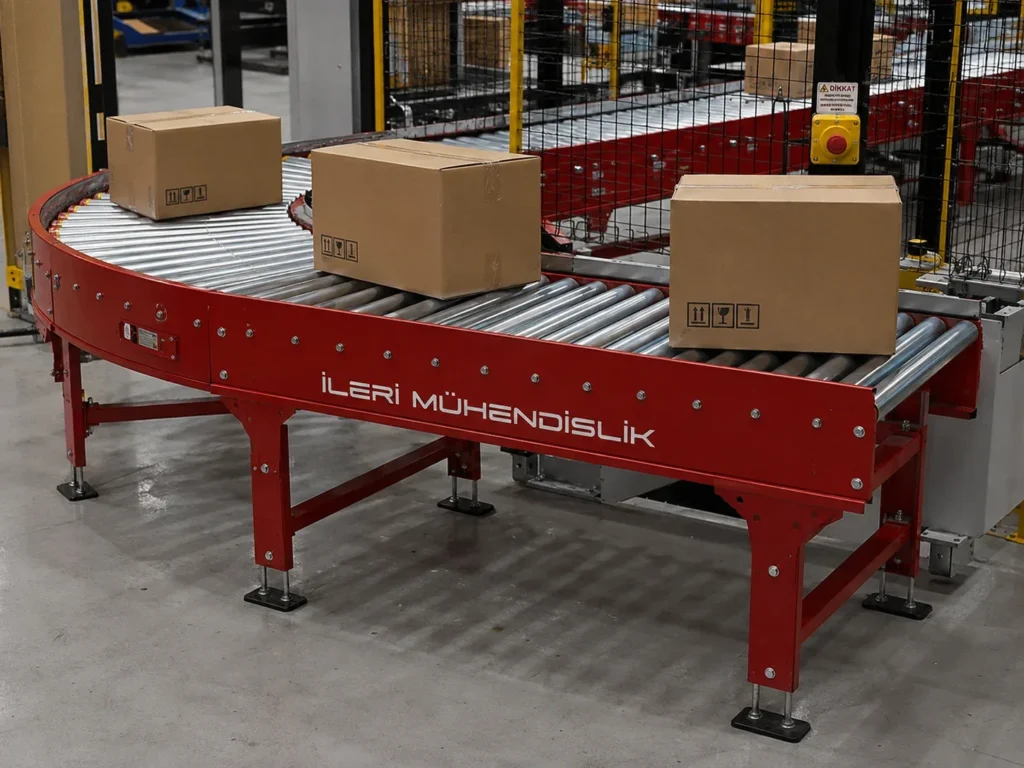
The Reverse Converter Visual Gallery
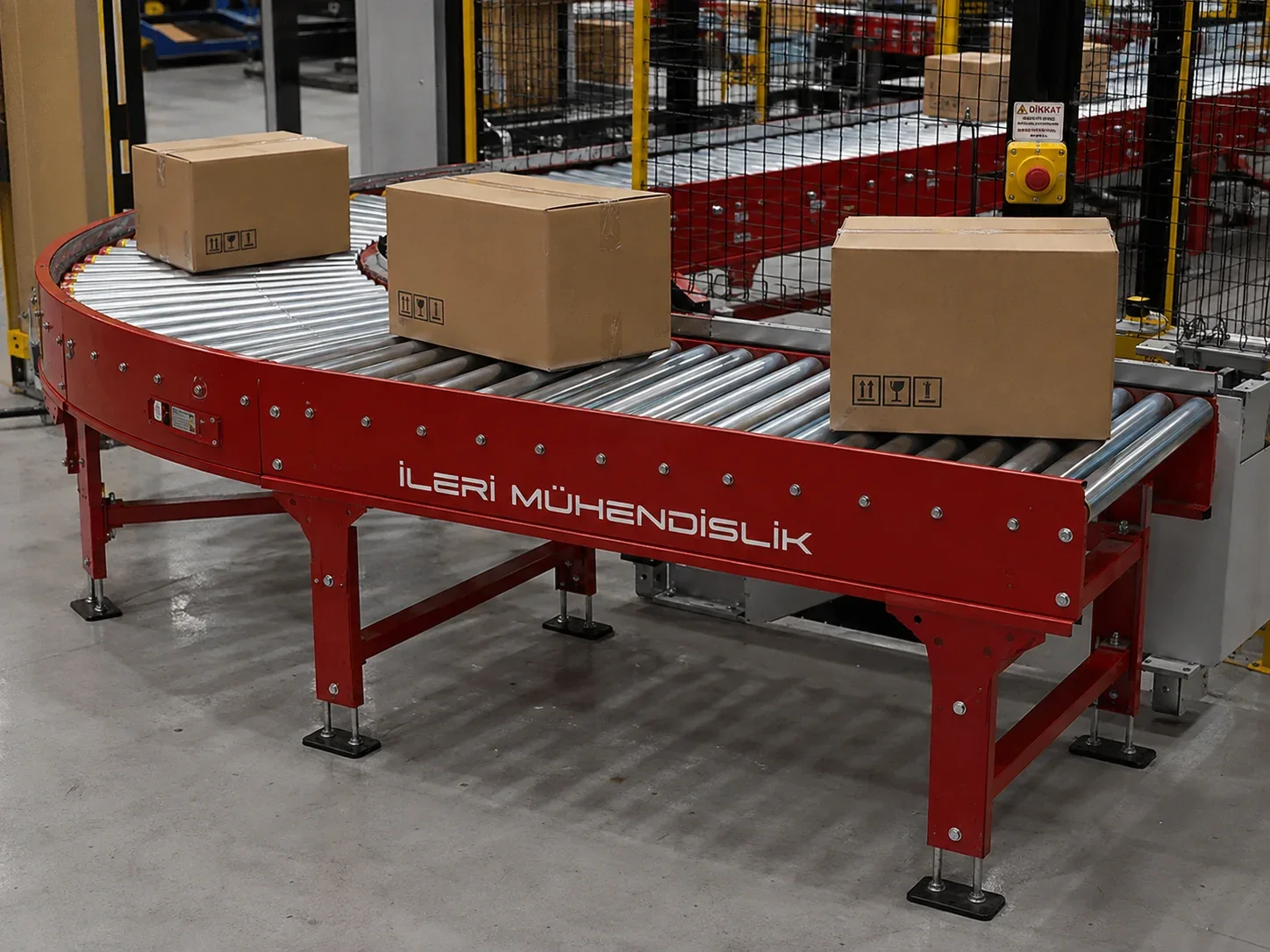
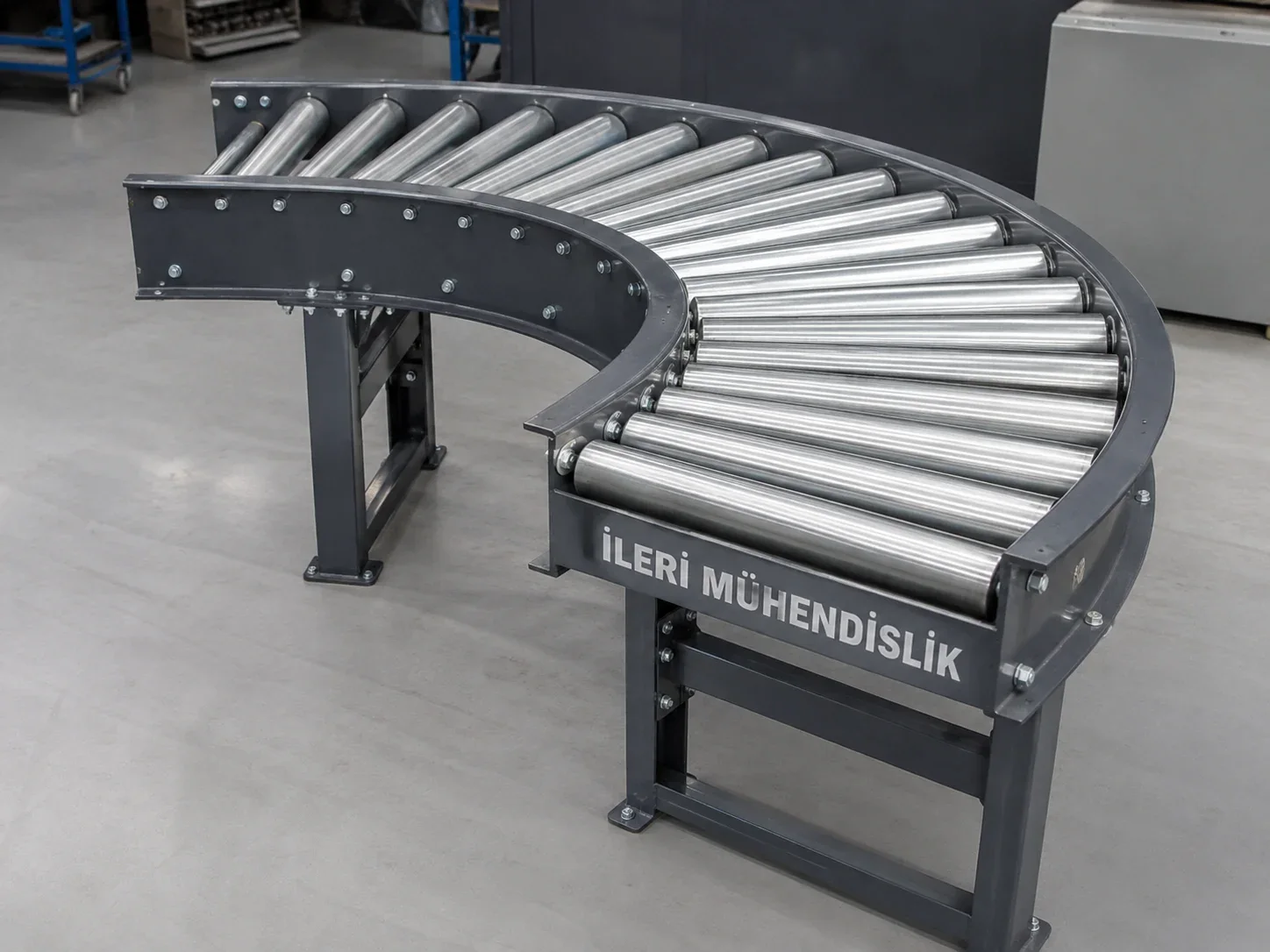
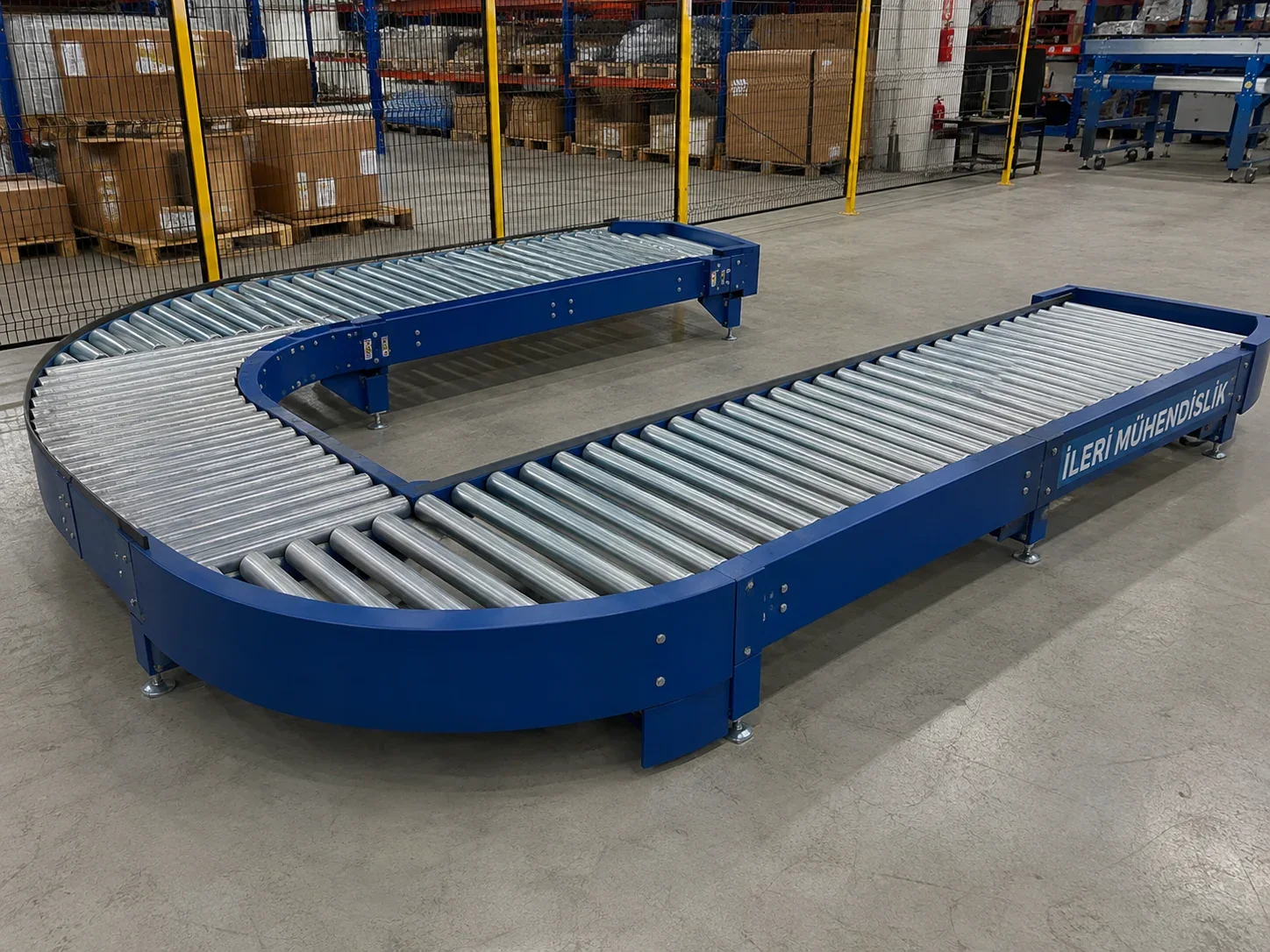
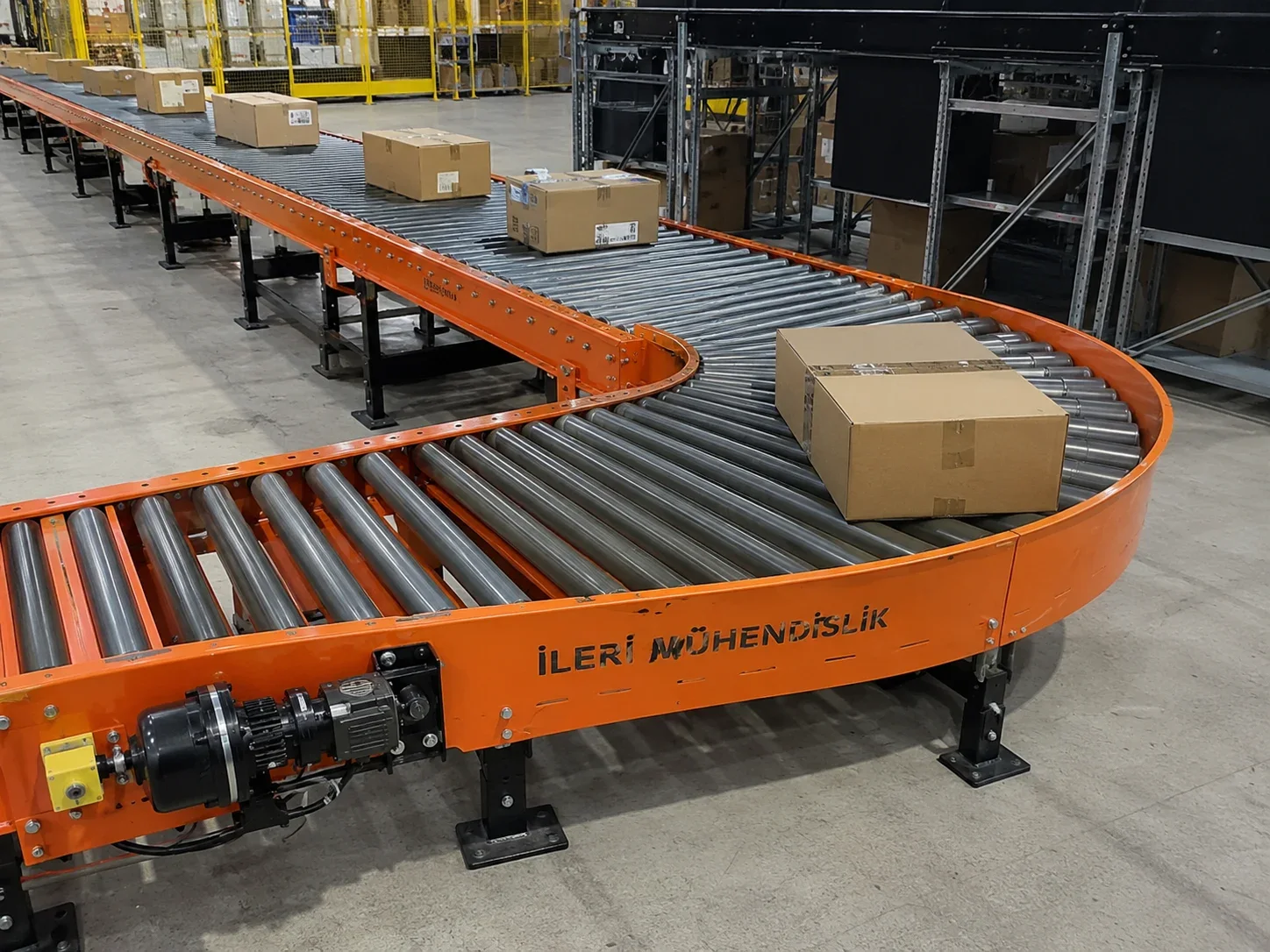
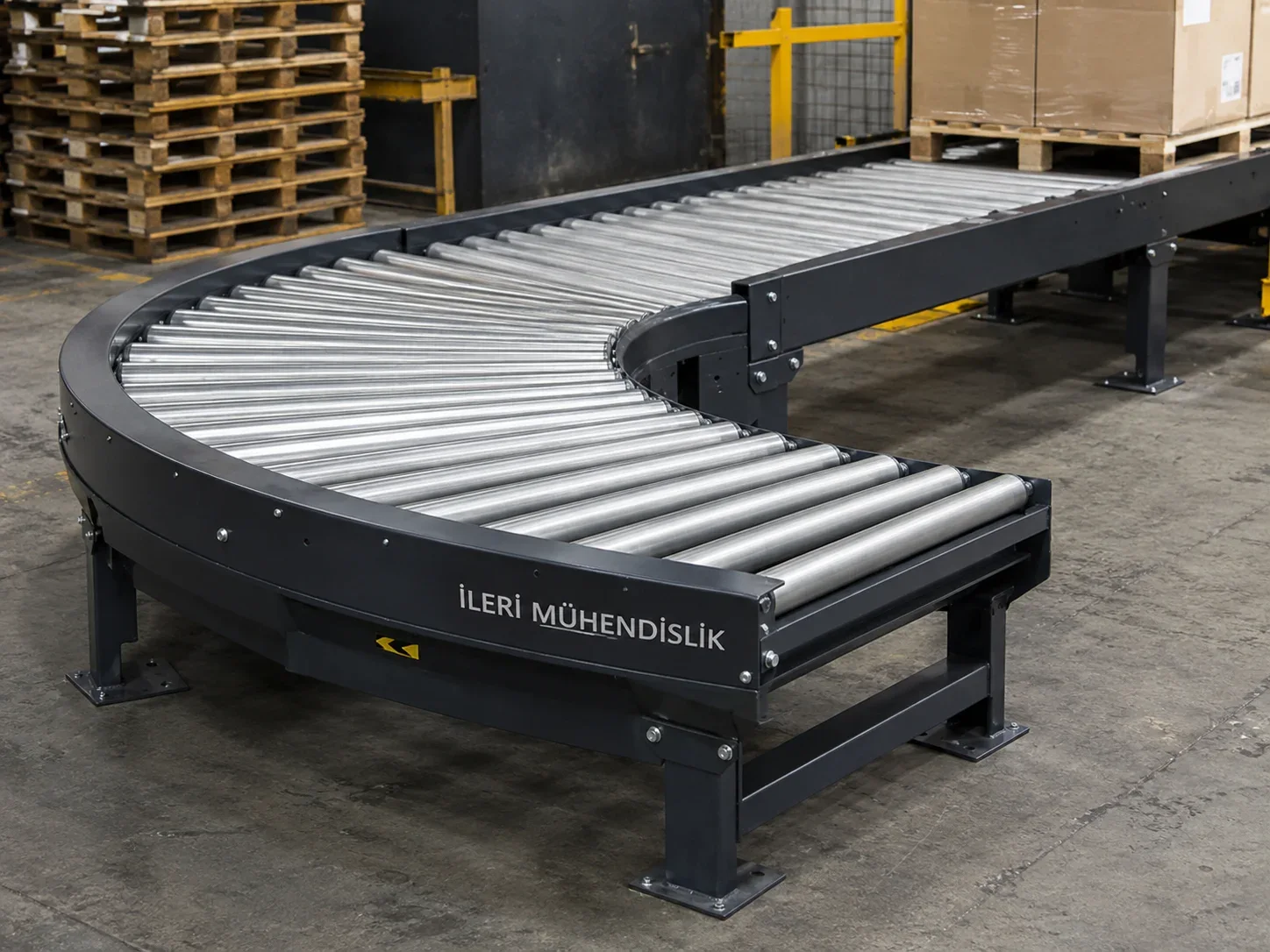
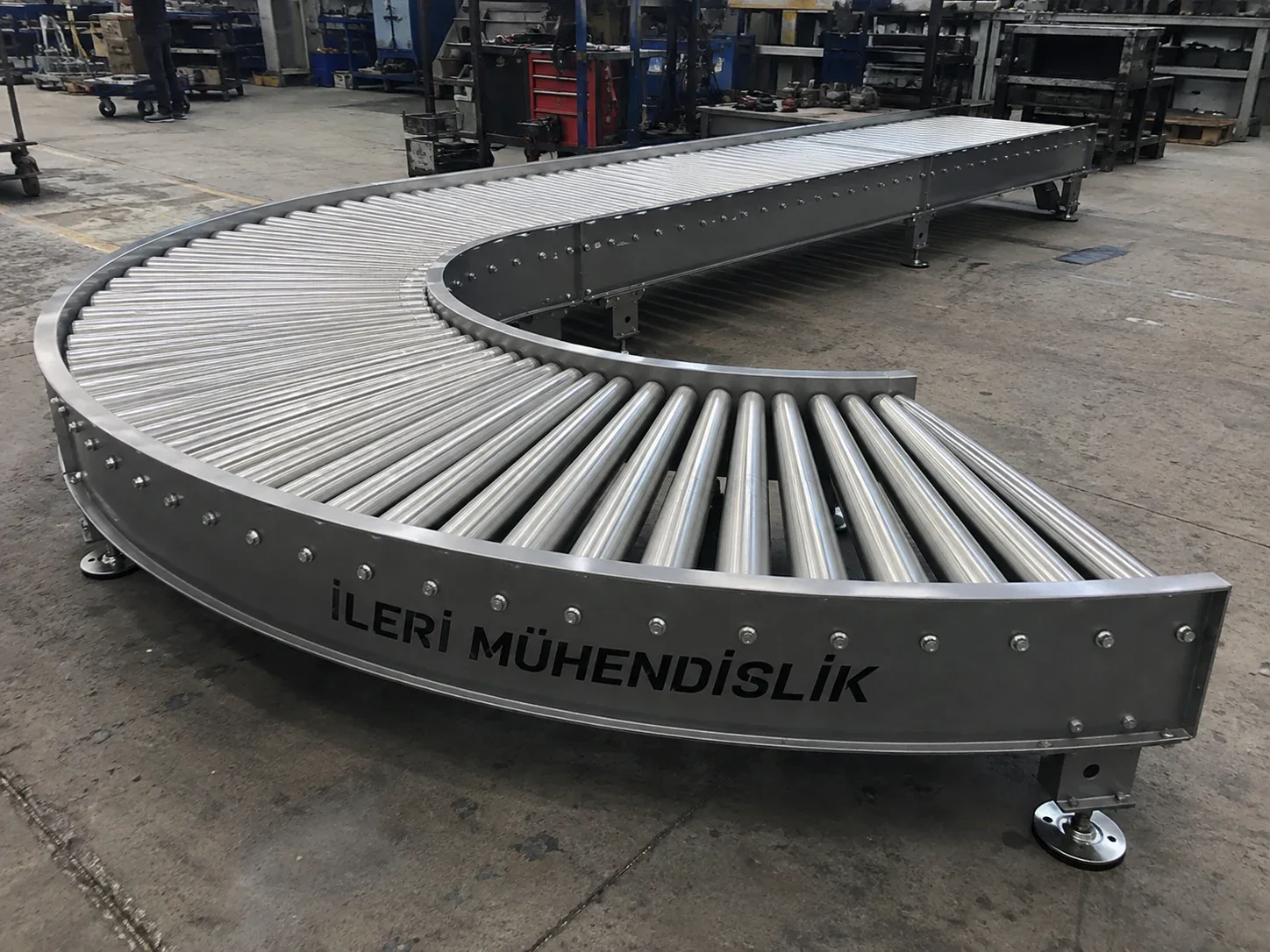
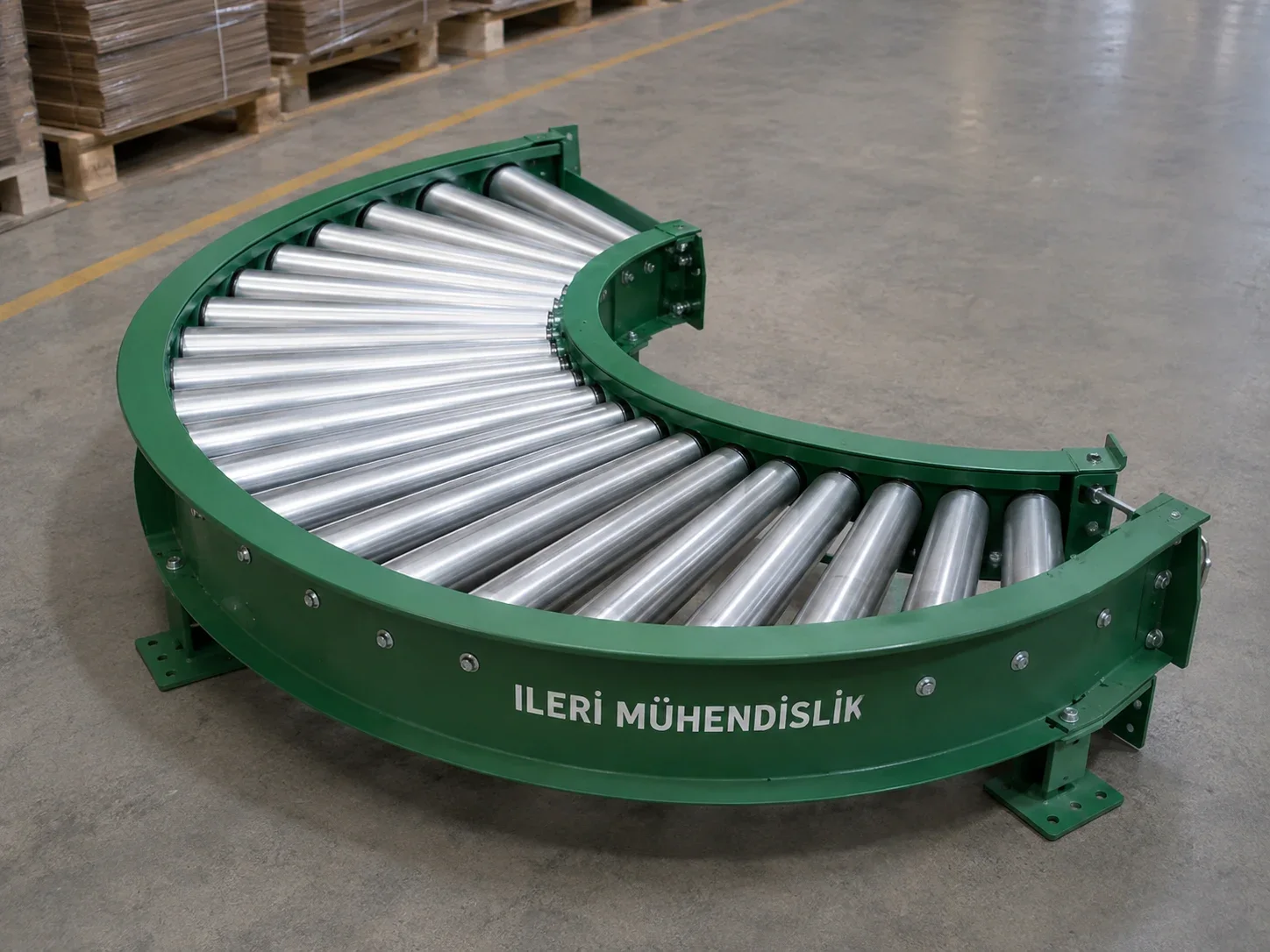
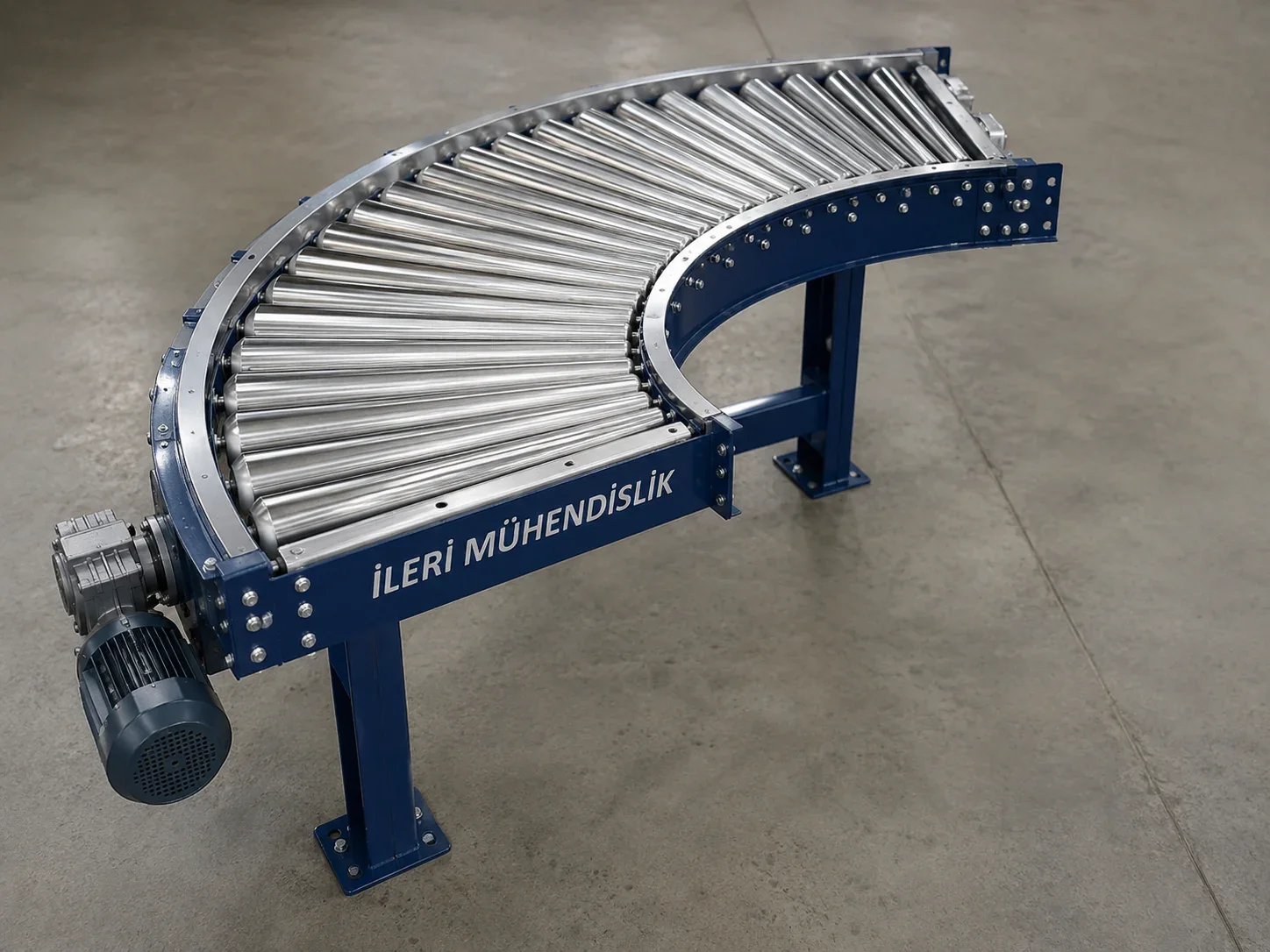
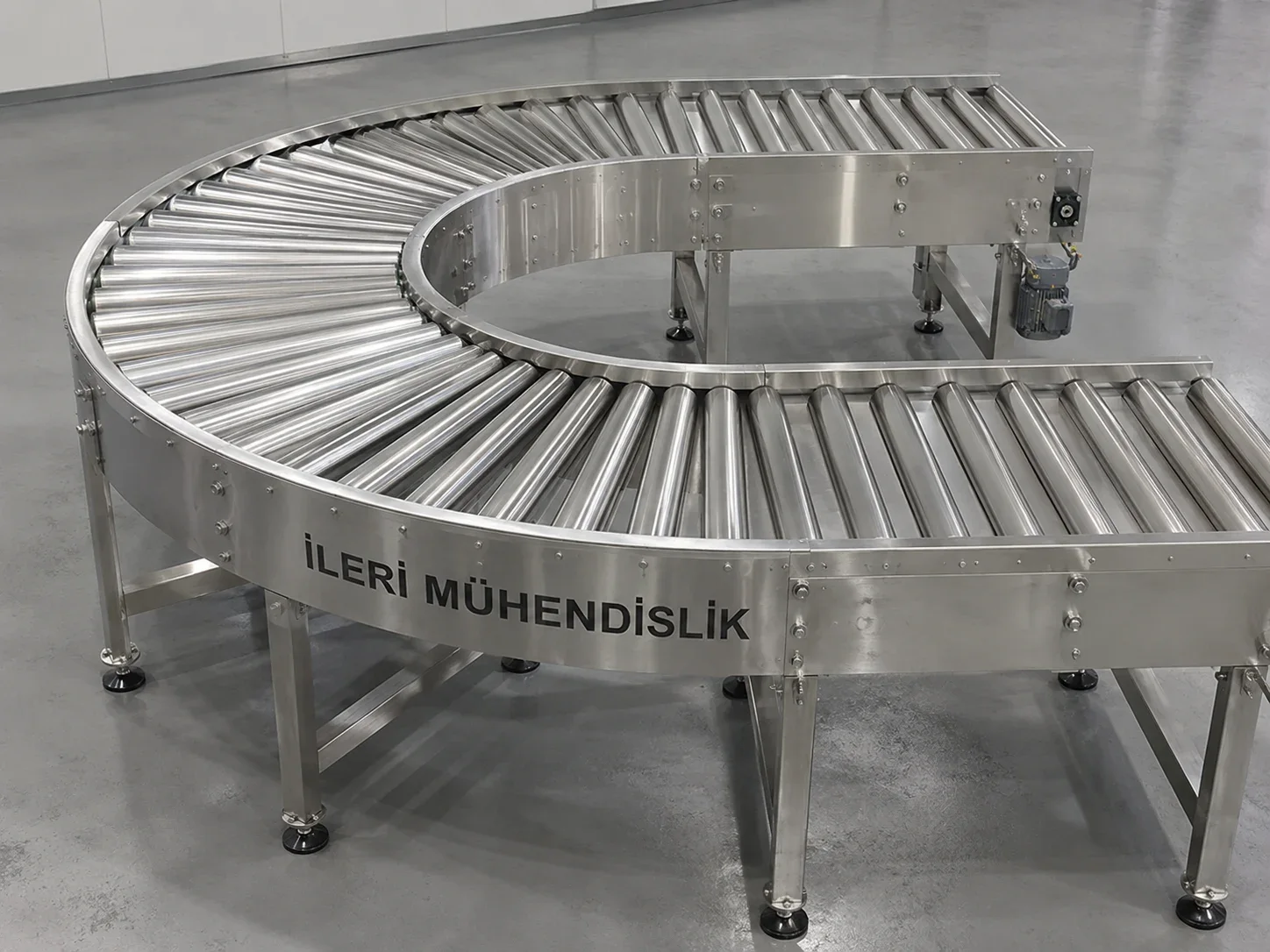
Reverse carriers are used to change the direction of product flow on the production line and to create a transport route suitable for the existing area. Bands or rolled turn solutions can be assessed on the lines that cannot continue straight due to machine settings, columns or work corridors. Advanced Engineering deals with the turn angle along with the product measurements, base structure and input-out position. Thus, it is aimed at not only the shade to fit the area, but the product's return is completed without problems.
The necessary settlement measurements for reverse carriers
The turn-round angle alone does not define the location of the carrier. The internal semiconductor, the net transport width and the external boundaries of the shell should also be known. The axes of the straight lines at the entrance and output should be shown on the drawing. The two carrier with the same angle can cover a very different area of each other due to the different semiconductors. In the installation control, the out-most parts of the engine, feet and gardens also take into account.
A long coli or cash can scan a wider area than the flat line during the turn. The corners of the product can approach the internal or external guide; it is not enough to choose the band wire only with regard to the width of the product. The longest, the wider and the weight center is studied the movement area for the highest product. If different products use the same line, the entire product range should be shared as design data.
The choice between the roll and the roll
In the banded turn solution, the product progresses over the transfer surface suitable for the turn. In the rolled solution, the product base must have sufficient and balanced contact with the rolls. These two methods may not give the same result for small parts, soft packaging or the base unregular loads. The need to protect the product's under surface and direction during transfer is determining in the selection of the suitable mechanical arrangement.
The internal and external sides of the turn have different road lengths. The roll geometry or band structure should be selected in such a way that meets this movement difference. The corner roles are one of the options assessed in the appropriate rolled turn arrangements. In a modular band used system, the selected series must be suitable for the side turn and the permitted half-drive must be provided. Placing the flat line components only in a curved shade does not create a sufficient turn design.
Entrance, exit and side guide
The position of the product entering the return section affects the movement in the output. If the product crosses or stands on a side at the entrance, the possibility of rebounding may increase. The height and the passage spaces of the neighboring lines should be matched appropriately. At the transfer point, the product's base should not lose support, the output packaging parts should not contact the moving elements.
Side guides help the product even stay; but unnecessary stretch may lead to drilling or clinging. The guide height is assessed according to the product's durable surface and weight center. If different product widths are moved, the need for setting is determined. The operator can reach the set points and the guide is safe fixed after setting is considered in the design.
The distance between speed and product
As the speed of transport increases, the product’s balance and interaction with the return and the guidelines can change. High or narrow-based products behave differently according to low and broad-cuts. Therefore, it is unpredictable that the speed on the straight line can be applied directly to the turn section. The product’s weight center, the base drilling and the turn geometry are assessed together; if necessary, the work control with the sample is carried out.
Long products that move backward should be left enough distance so that they do not get in touch with each other in return. The frequency of power from the input line and the receipt speed of the output line affect this range. If the sensor or controlled power is needed, it is planned along with mechanical design. The demand for accumulation in the return section is a work scenario different from the constant free flow and should also be explained.
Care and access areas
Access to the inner semiconductor area is one of the points where maintenance is difficult in stuck settings. It should be considered in advance how to change the roll, band or drive part. The guideline stretching, the band monitoring state, the rotation of the rounds and the stability of connections are controlled. The lack of closure of the area assigned for maintenance for storage purposes helps to maintain the system's availability.
Returning carrier price and project information
For the offer, the turn angle, the internal radius, the transport width and the work height should be shared. The product’s sizes, weight, base photo and desired speed are also required. The wire or rolled mechanical arrangement, the drive range, side guidelines and automation needs change the price. A measurable settlement drawing, entrance and output aspects should be clearly shown in the projects that will be combined with the existing line.
Frequently Asked Questions
Does the conversion carrier protect the direction of the product? When appropriate mechanical arrangement and product conditions are provided, direction control can be assessed throughout the flow. The desired output direction of the product should be indicated at the beginning of the design.
Can a smaller halfway be used in a narrow area? The limit determines the product size and the selected band or roll system. Mining the radius to gain the field is not suitable for each product.
Can the current transmitter be connected? The line, the net width, the passage gap and the speed compatibility can be controlled and the connection arrangement can be prepared. If control signals are needed, they are also defined in the range.
The existing product information
| The product | The returned carriers |
| The basic function | Changing the direction of the product flow on the line |
| Area of Application | Production and packaging lines with area limit |
| Information needed in the election | The reverse angle, the inner semiconductor, the product size |
| Technical control point | Bands and rolled turn solutions require separate mechanical arrangements |
Ask about this product or application
Product images