
Metal covered carrier roll
Metal covered carrier rolls visual gallery
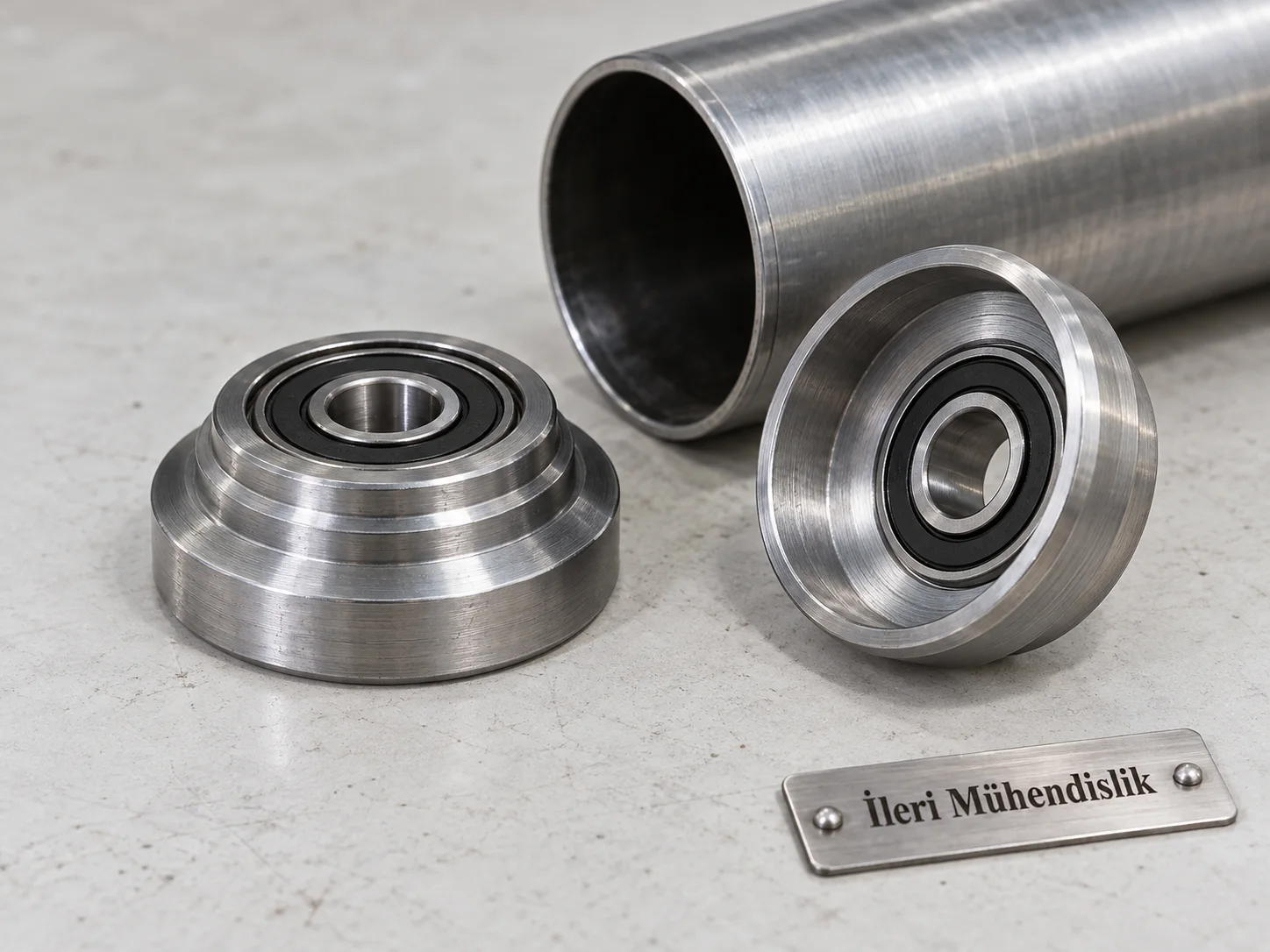
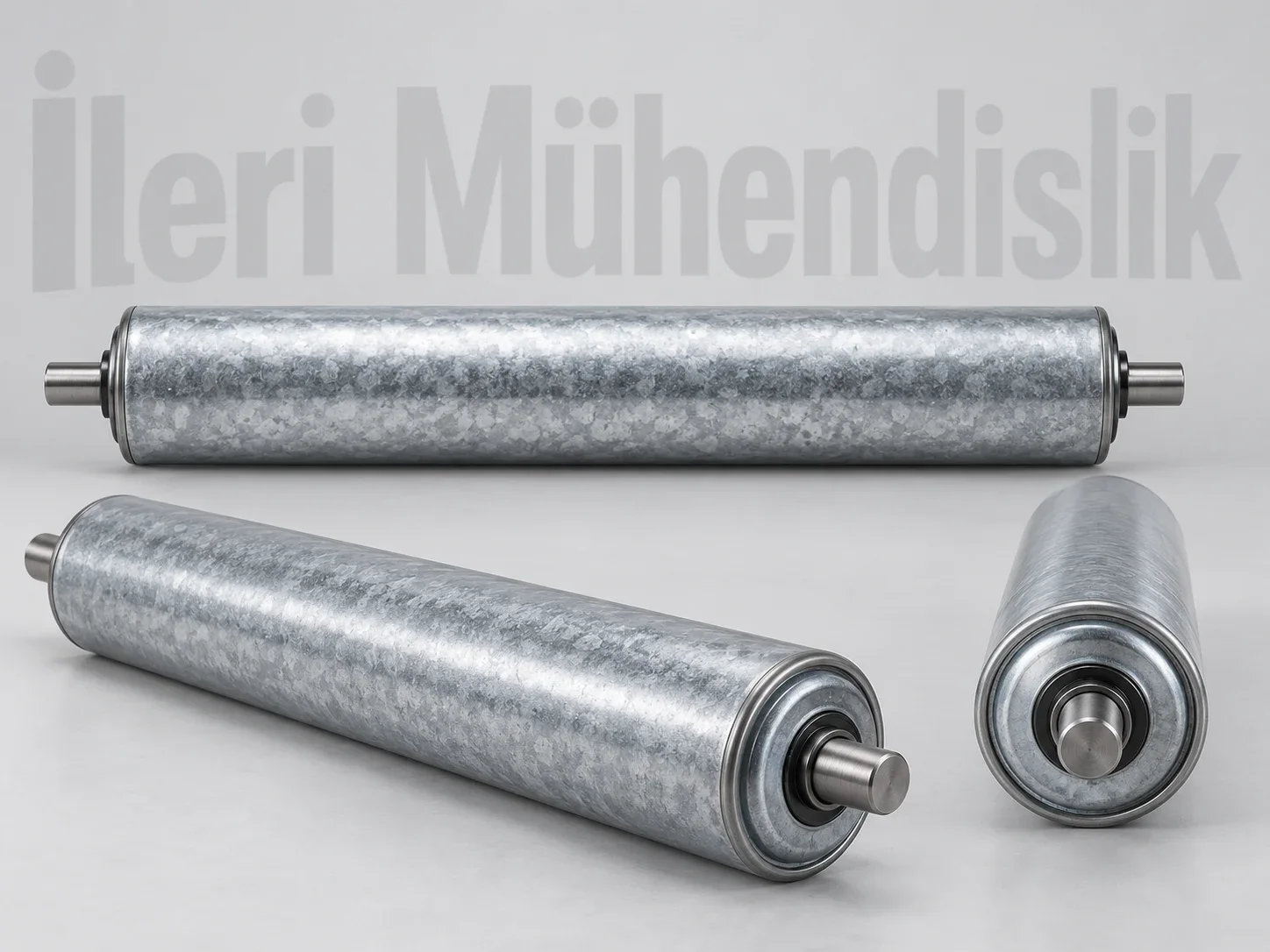
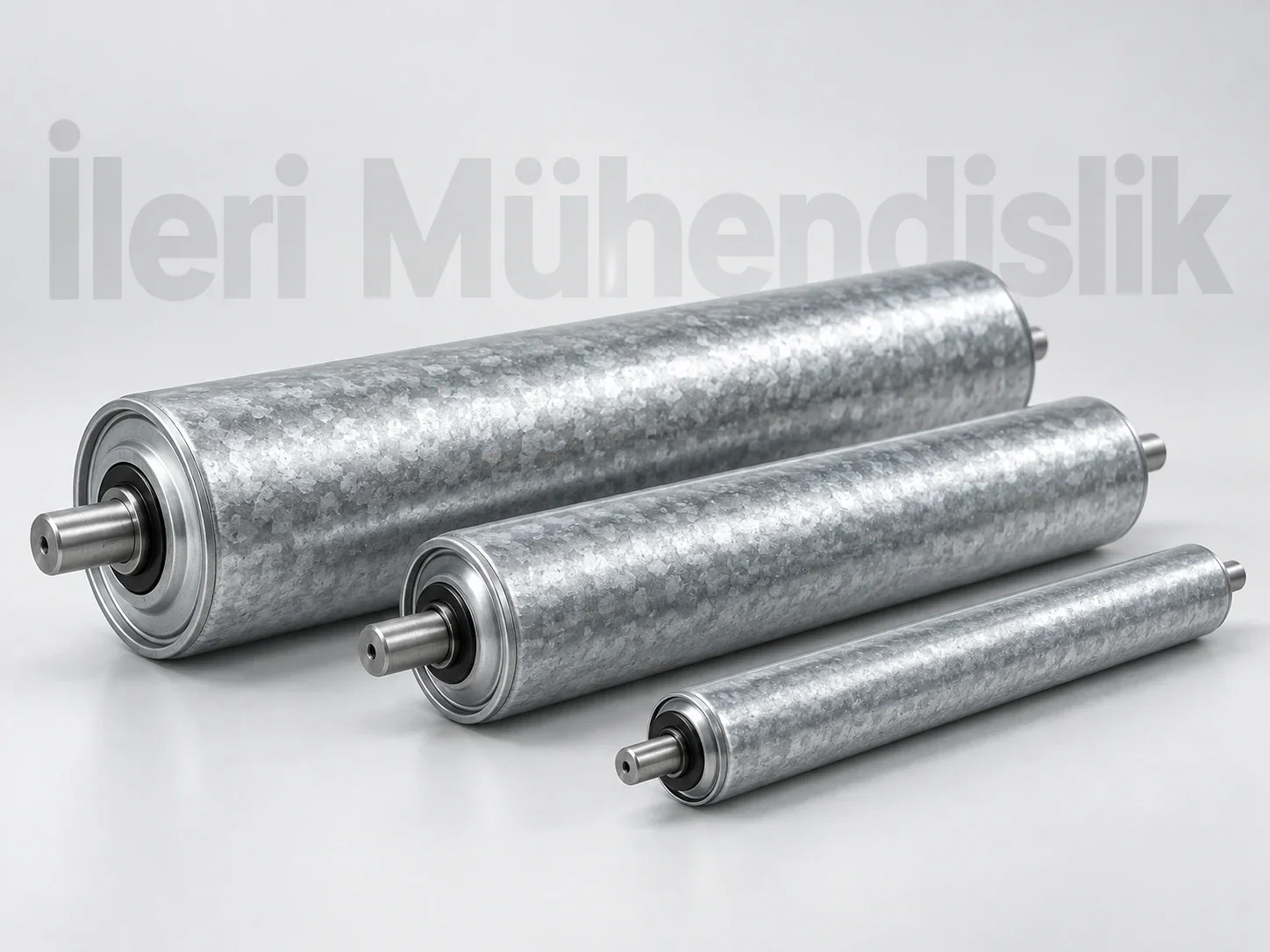
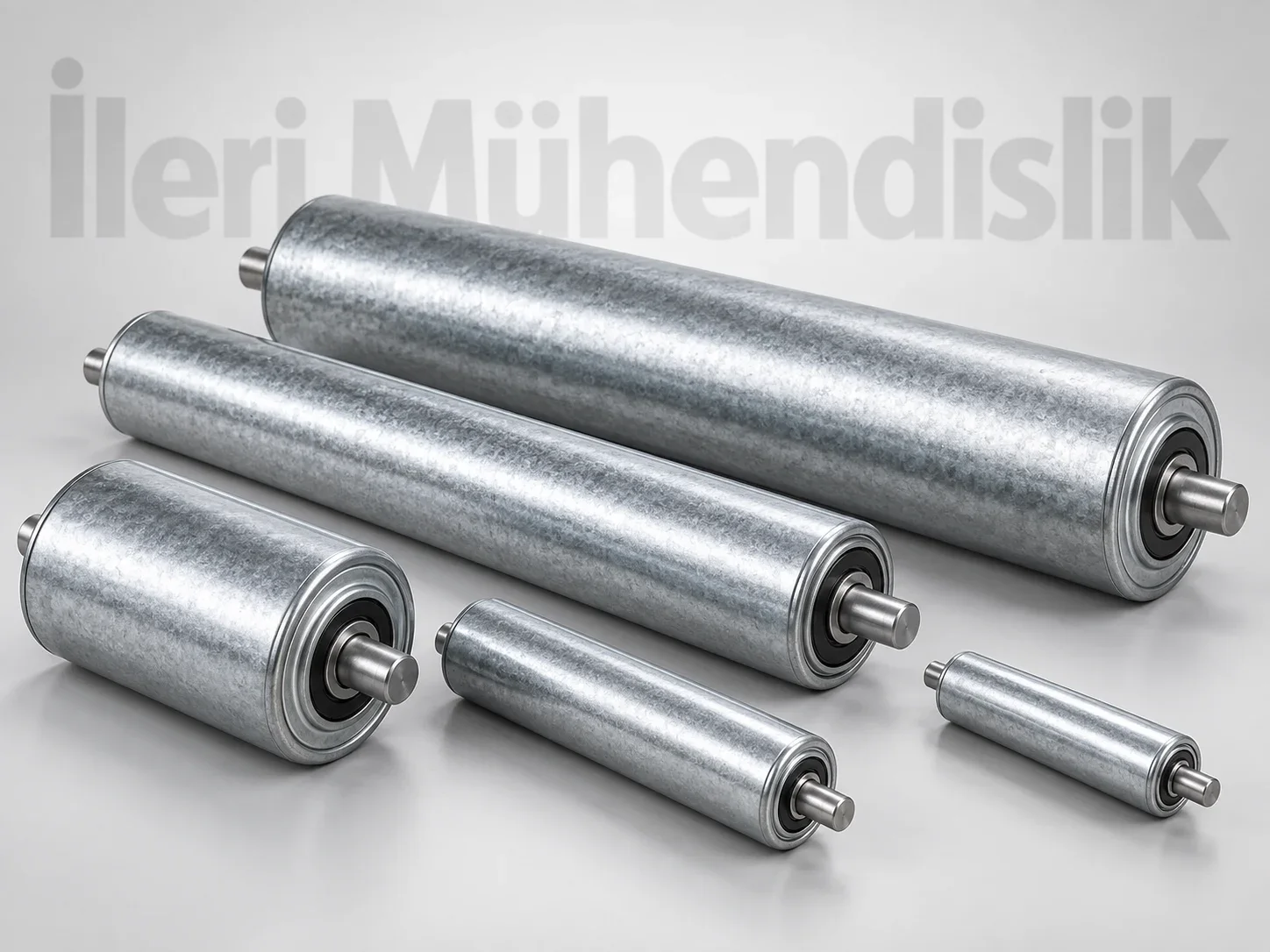
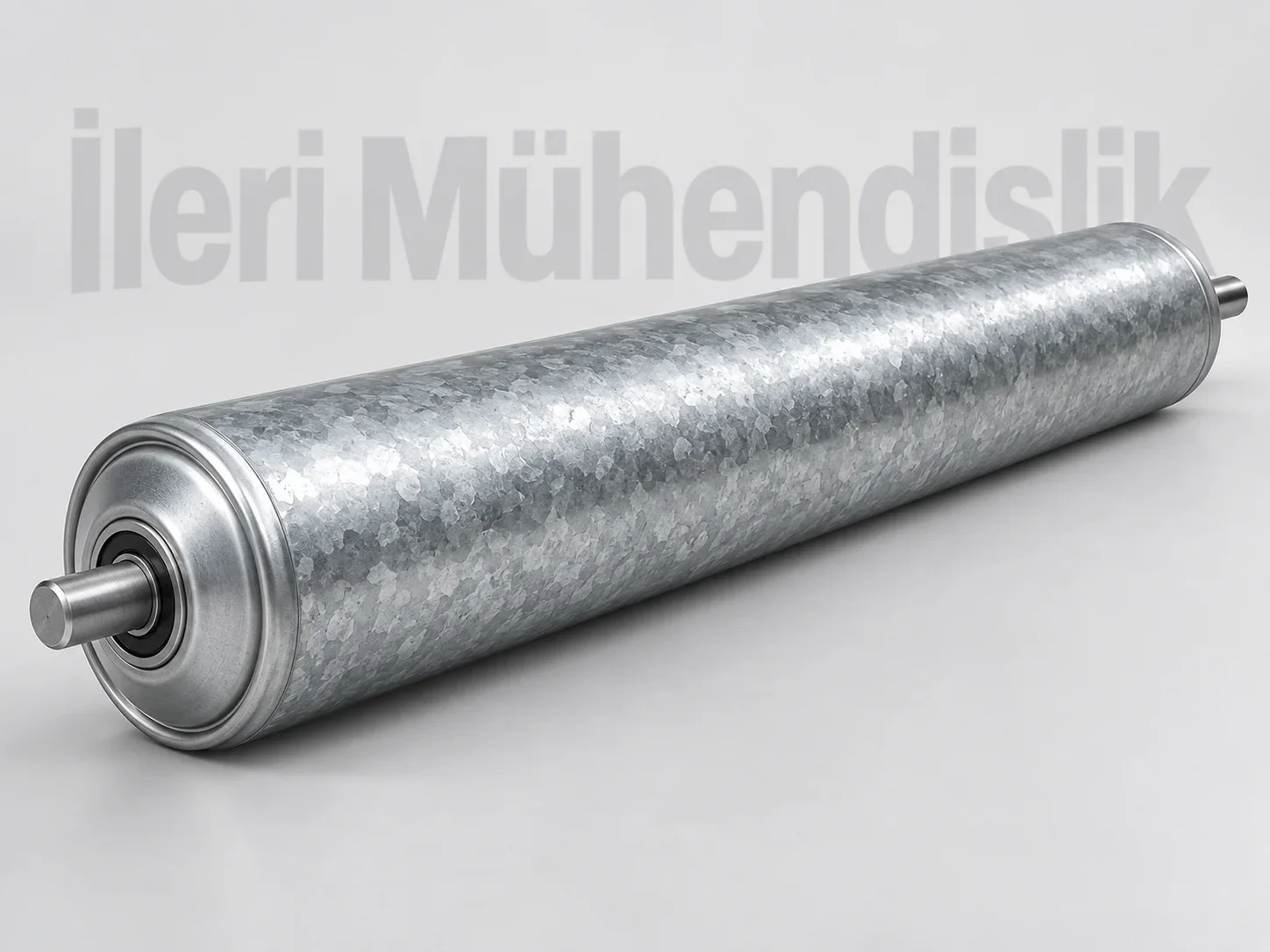
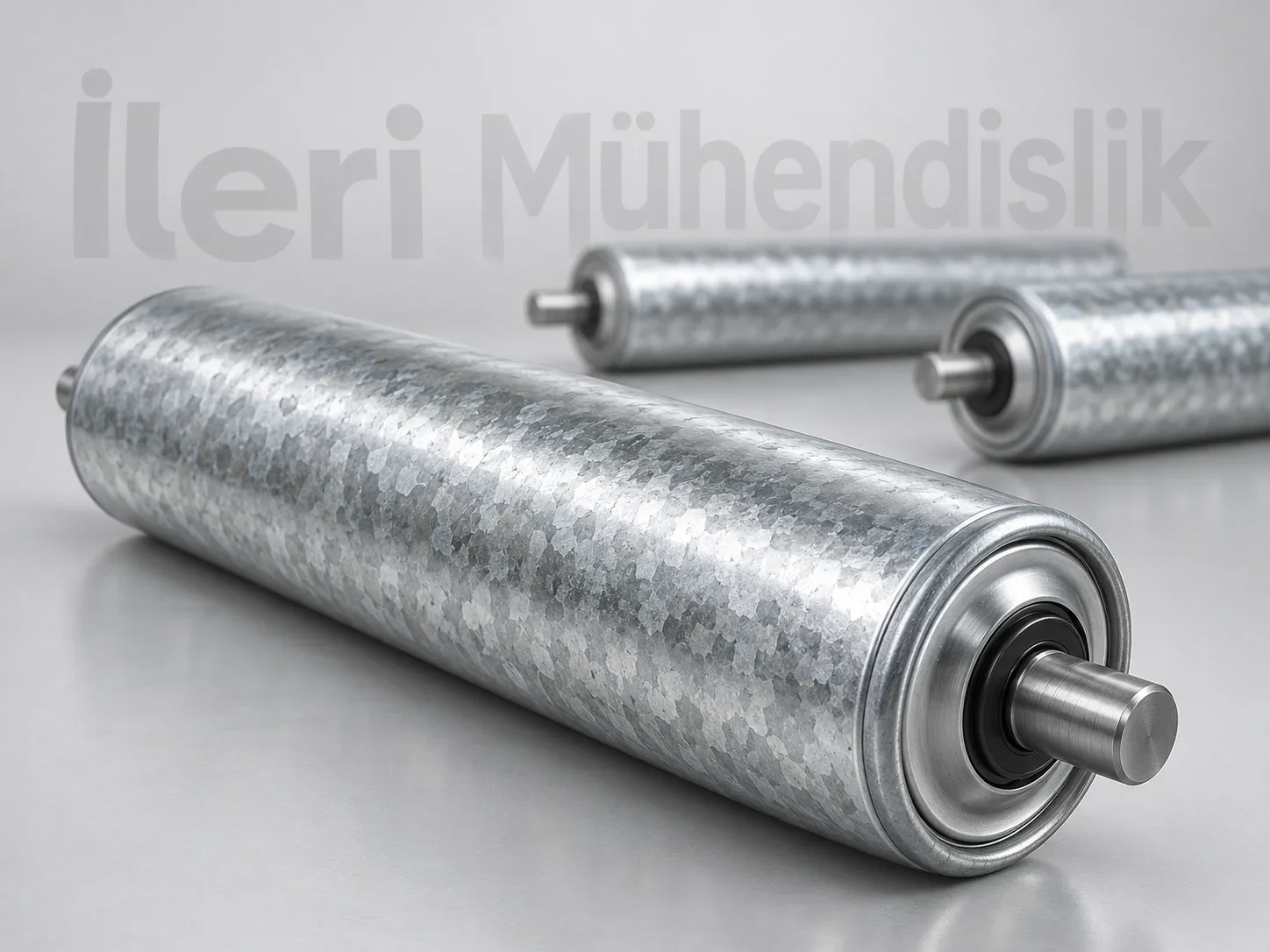
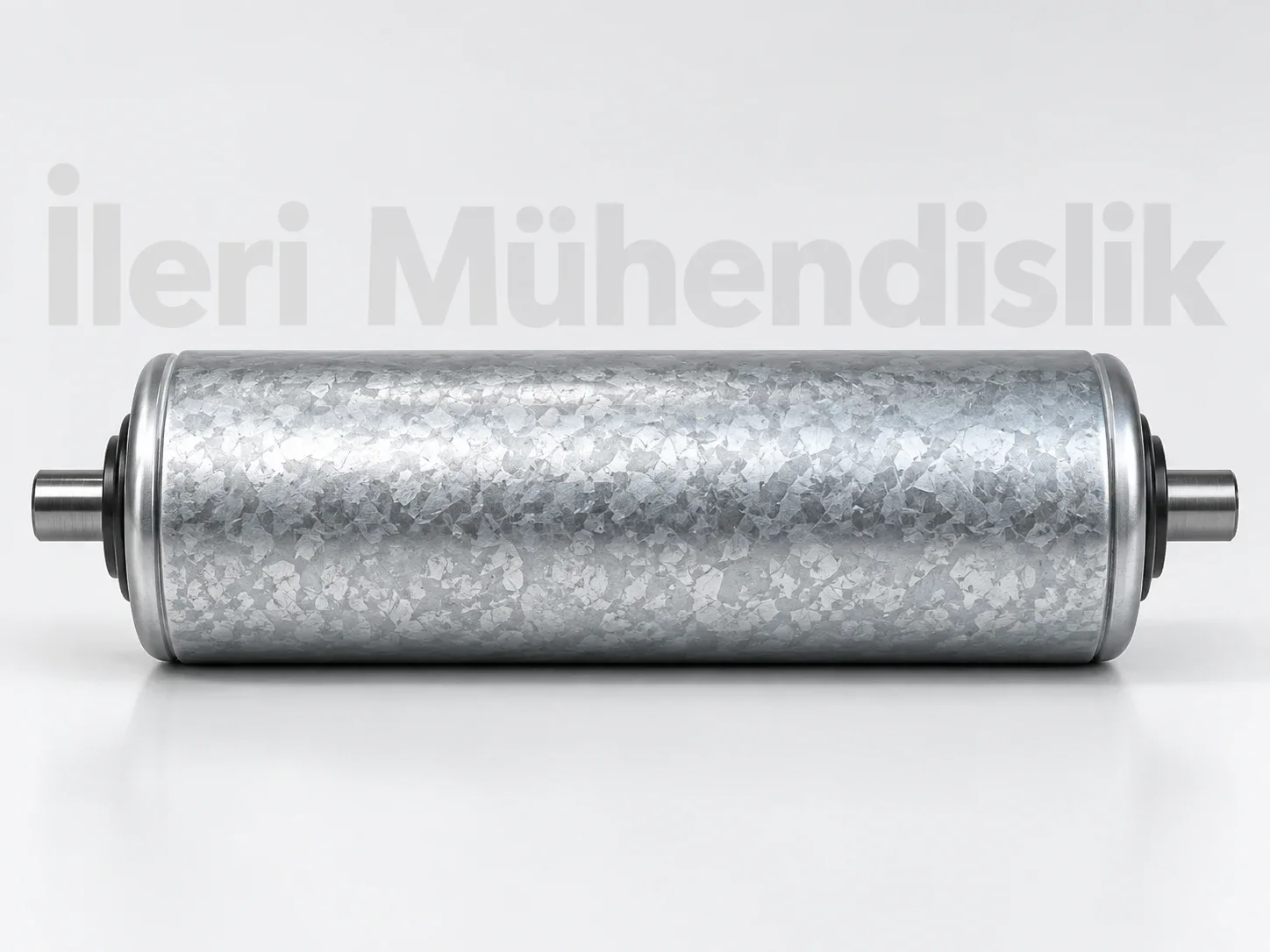
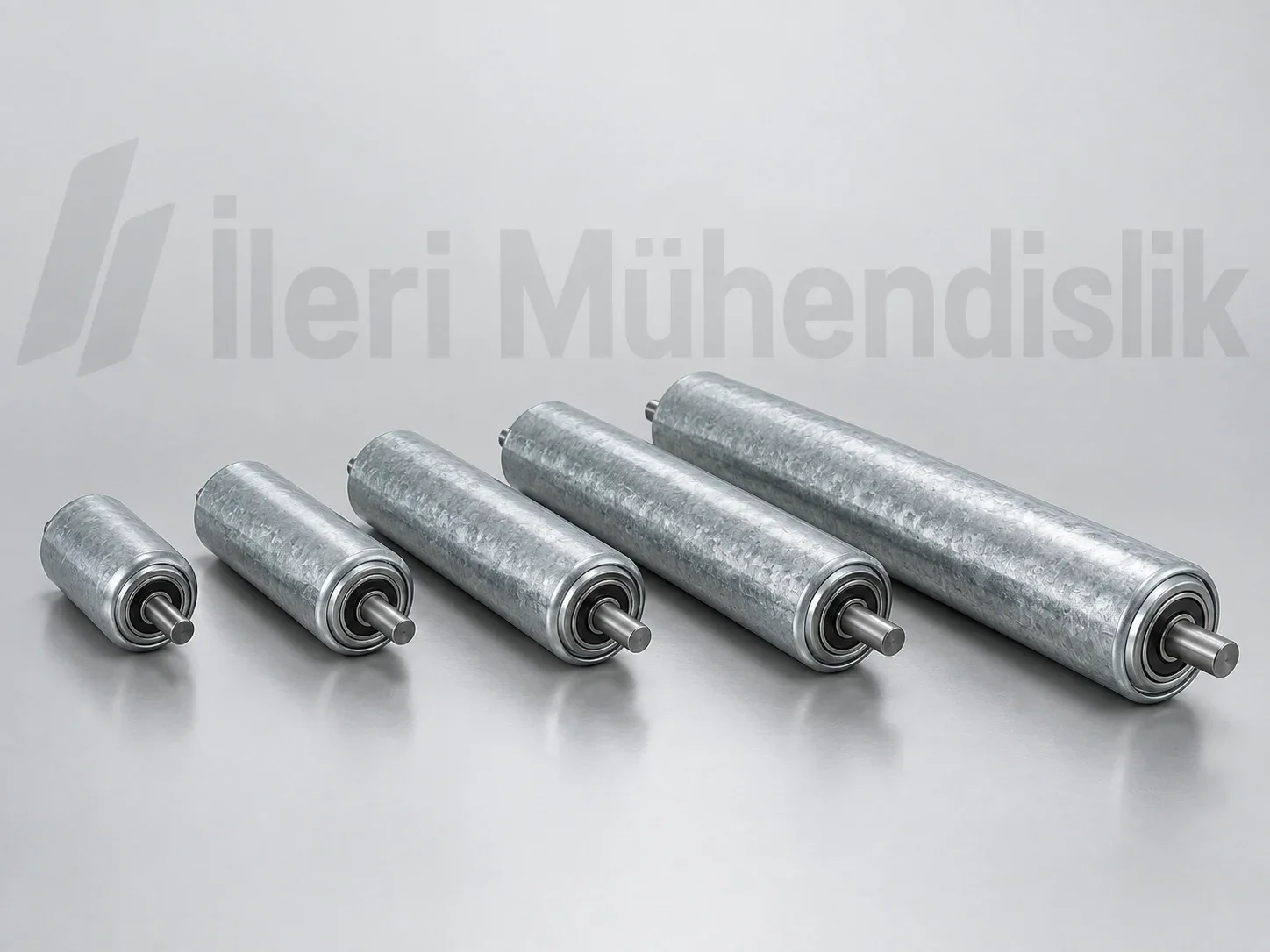
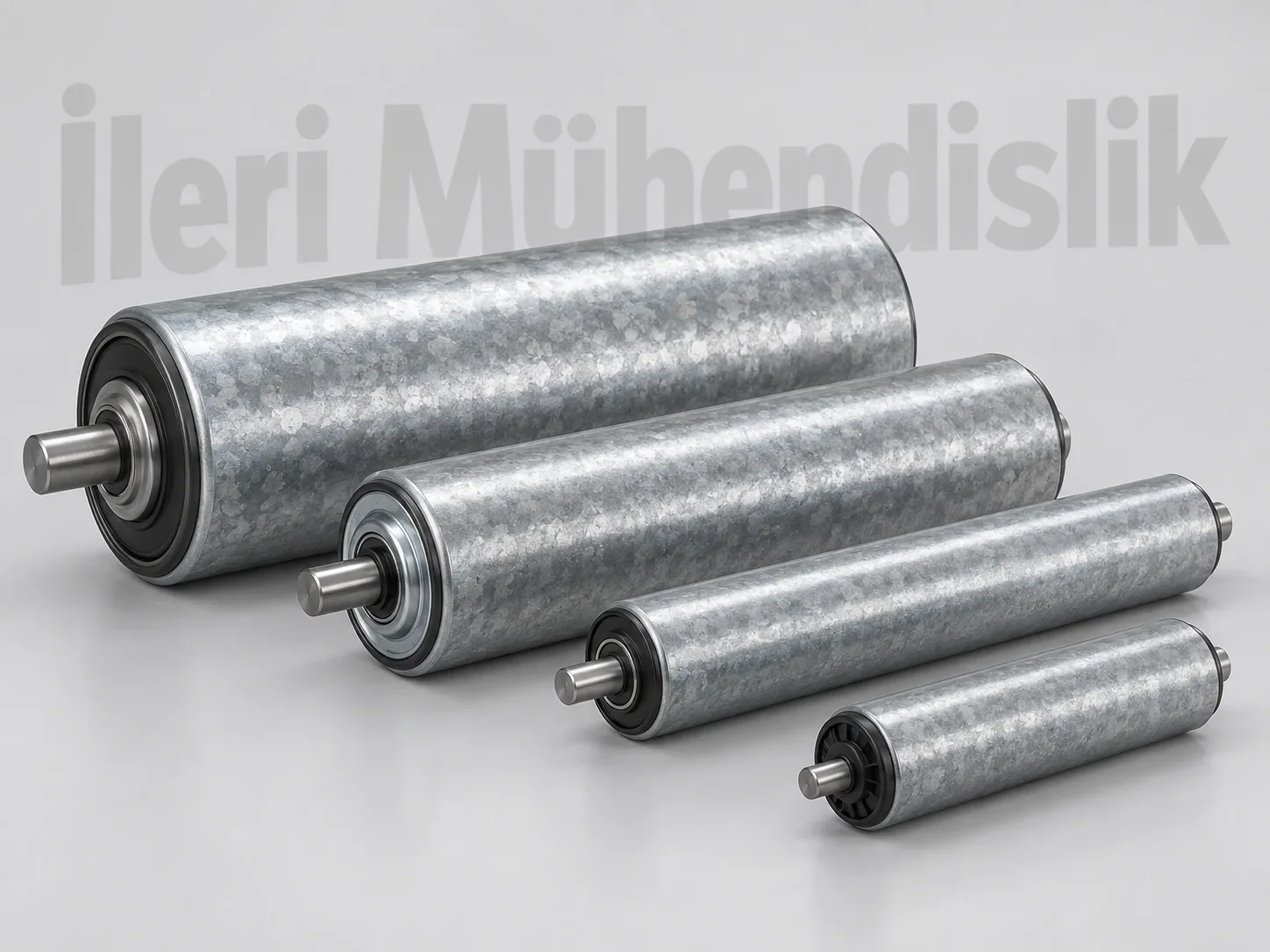
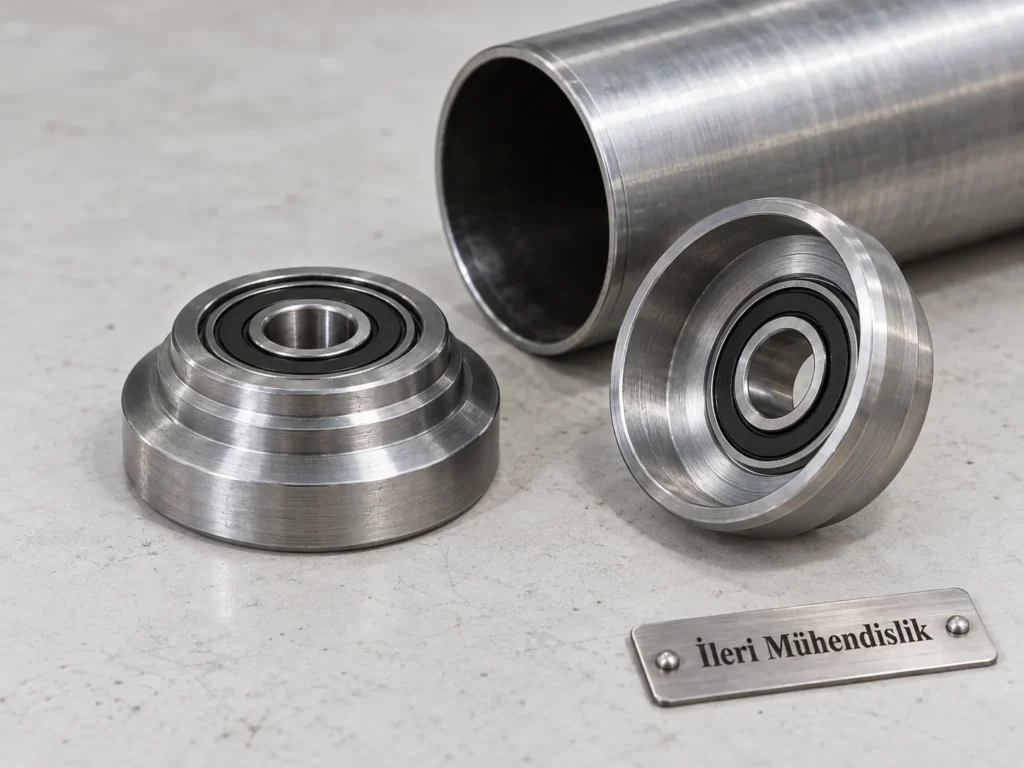
The connection between the tube body and the roll in the metal-covered carrier roll is established through a metal title. This page discusses the seating size of the metal head, the rolling roll and the mile ends to be matched with the existing six. In the new manufacturing or replacement roll demand, the cover structure is a selection title separate from the tube diameter.
Compatibility with the metal head and rolling tube
The outer diameter of the roll head must be in accordance with the internal diameter of the tube and the thickness of the meat. The two pipes in the same outer diameter may have different cover seating dimensions due to different meat thickness. The cover is not only considered appropriate because it can enter the tube; the seating form, axis gap and the body connection protection during the work is also controlled. The head is derived, must pass tightly or prepared with another connection is clarified through the technical picture and production method.
The seating part of the rolling roll with the rolling rolling rolls completes each other. The size of the rolling roll, the outer handful and the diameter of the rolling rolls are assessed together. A wrong seating layout may lead to rotation resistance, vibration or early stretching, regardless of the resistance of the metal cover. If the rolling rolls are dissolved and installed, the service method and maintenance access must also be determined before production. The free turn of the rolling rolls, the proper turn of the body around the rolls and the end connections are separate control points that do not play in the shade.
The photo taken from a end in the renewal of the current roll often describes the shape of the cover; but it is not enough for the production size. The tube length, the total mile length, the output on both sides and the connection geometry are also measured. If there is a metal covered roll with a tower or a slope, the relationship of these parts with the cover and the position according to the shade are also recorded. The sharing of appearance on both sides, without assuming that the right and left ends are the same, helps the spare part to be compatible in the first assembly.
The metal covered structure can be used along with different roll bodies and load arrangements. However, a fixed transport capacity is not given to the roll only in terms of the cover material. Tube gap, mile, roll and load distribution between the rolls are parts of the account. If the work environment has moisture or cleaning liquid, the protection of the head surface, rolling unflatability and mile material will also be reviewed. In order, the cover structure, along with the body material, must be clearly specified.
Measurement and connection control for metal-covered carrier roll
The total length of the mile is written separately with the tube length in measurement. The mile output may not be the same on both sides. The clear openness between the mile, the hole or channel and end connection is recorded. The size of the spare part is taken from the old sample and the size of a overwhelmed surface should not be considered as the production value. If there is a technical picture, it is shared with the photo, the interpretation of the measurement and the position of the pieces is clearly made according to each other.
| The body size | External diameter, tube length and meat thickness |
|---|---|
| Measurement of Mills | Diameters, total size and output in two ends |
| Connection | Sixth slot, mile end and assembly part |
| beds | Rulman code, cover seating and non-flat |
| Working knowledge | Product base, load distribution, speed and environment |
Point to be checked and monitored
The control of the metal head is highlighted by the body, the axis precision and the condition of the rolling slot. After assembly should not be contacted between the cover and the six. If the tube end is ovalized or relaxed related to the blow, only the change of the rolling may not solve the problem. If an abnormal sound, increased rotation resistance or the cover moves in the body, the head, mile and rolling are controlled together by stopping the rolling.
Frequently Asked Questions
Is the metal-covered roll only used for heavy loads?
No. Metal head selection is made along with the body, mile, roll and connection order. The head material alone does not determine the load capacity.
Can the current metal cover be replaced by another headline?
The tube is assessed if the internal diameter, the rolling slope, the head seat and the mile connections match. Only the external appearance similarity does not provide the assembly compatibility.
Is the title photo enough for the offer?
The photo gives an idea about the structure. The tube length, miles output, diameter and the connection geometry of the two ends are also required for production.
What information should be shared for the offer?
In a new transport line, the product's base size, the weight of the piece, the number of the product accumulated on the line and the working time are indicated. The photo from close to two ends with the general appearance of the existing piece in the replacement roll or head is shared. The order's full roll is clearly written that it is only cover, the rolled head or the cover renewal. The piece, the material preference and the existing technical picture can be evaluated together and the production scope can be more accurate determined. The production scope can be pre-evaluated according to the photo, but the production basic measures must also be verified.
Interested products and application links
- All types of carrier roles
- Plastic covered carrier roll
- Role cover and headlines
- Share your roll sizes and ask for an offer
Technical information on other sites
You can also read the descriptions on our other Advanced Engineering sites for the same product group. We can clarify the technical scope of your measurement-specific product together through your existing parts and working conditions.