
O-Ring Grooved Conveyor Roller
O-Ring Channel Conveyor Rules Visual Gallery
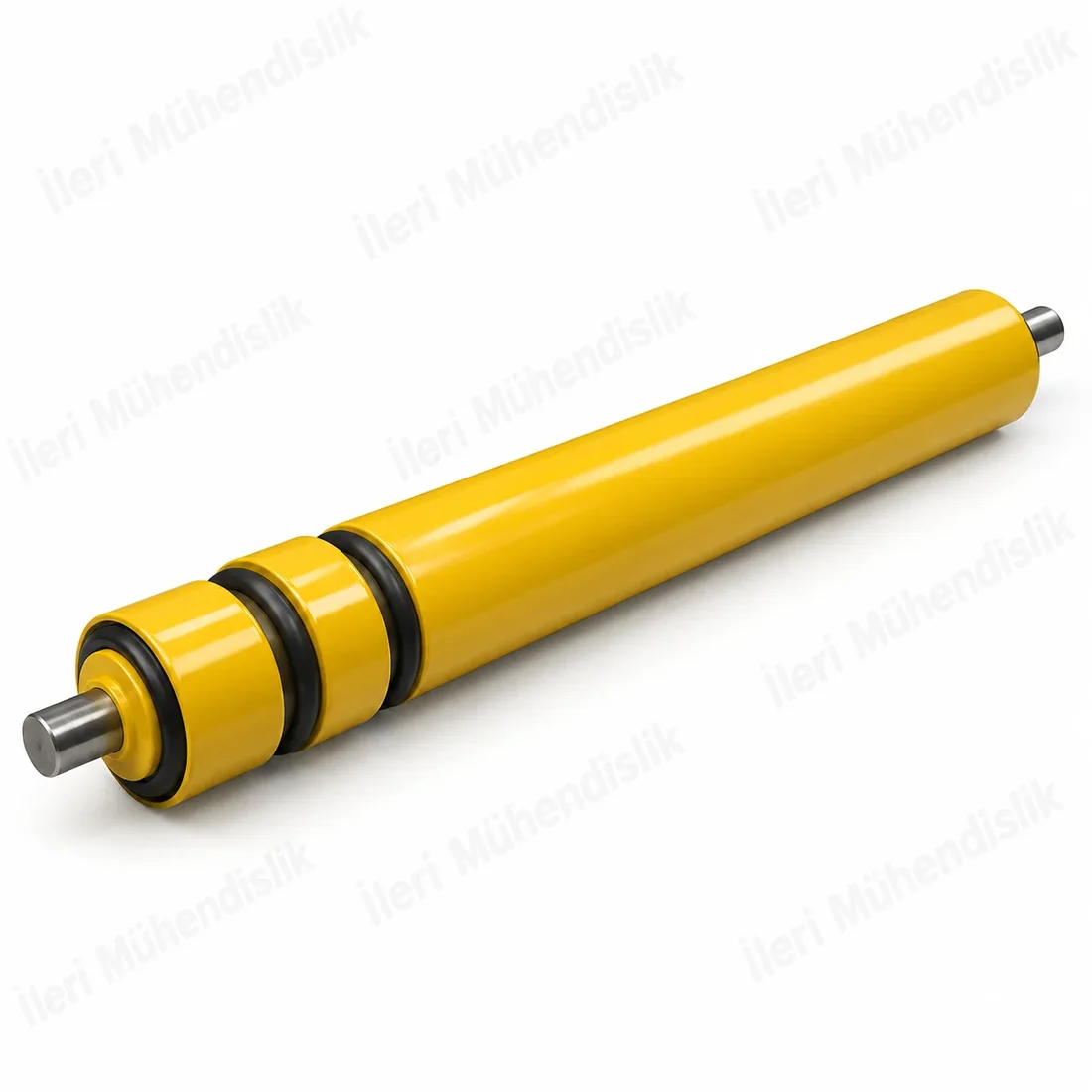
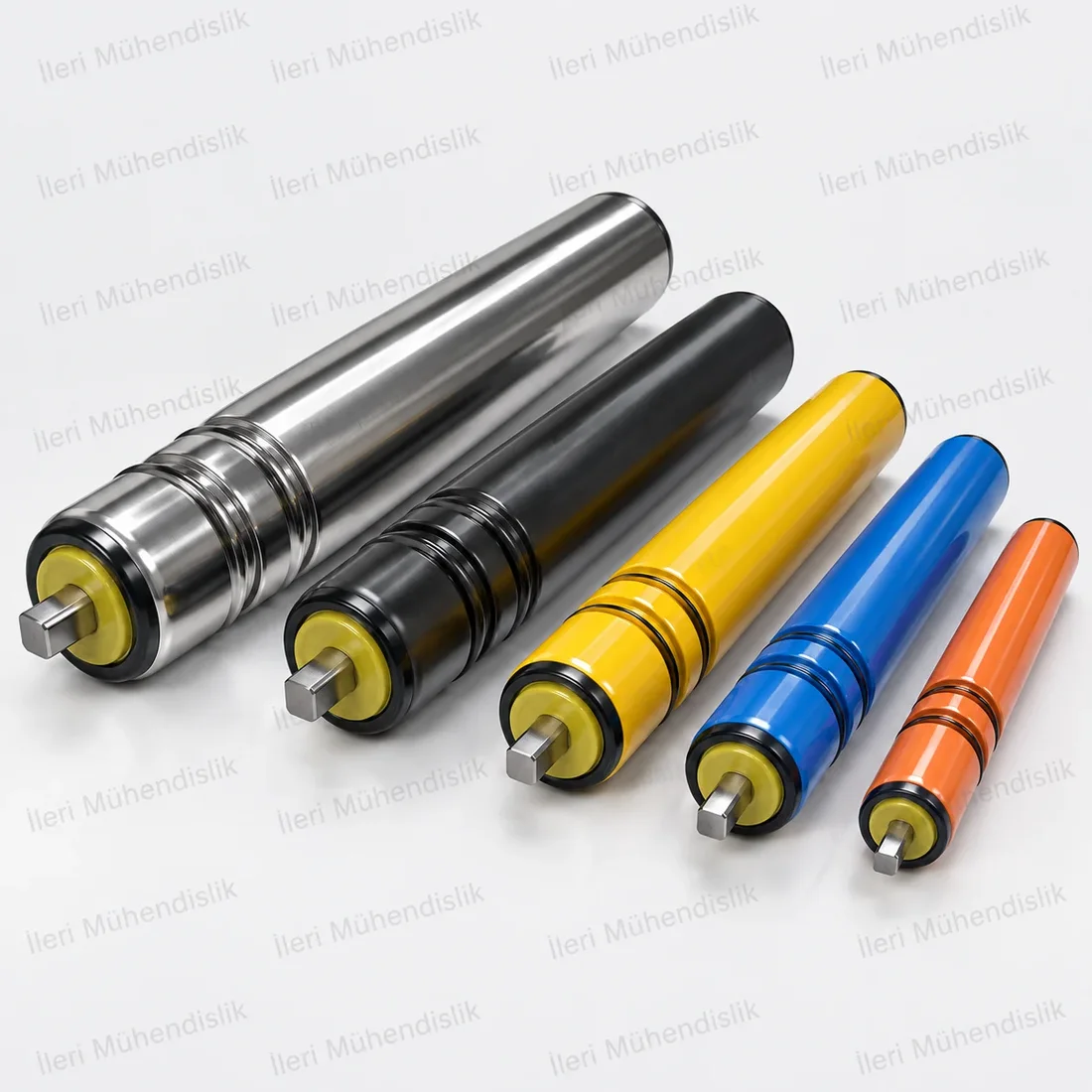
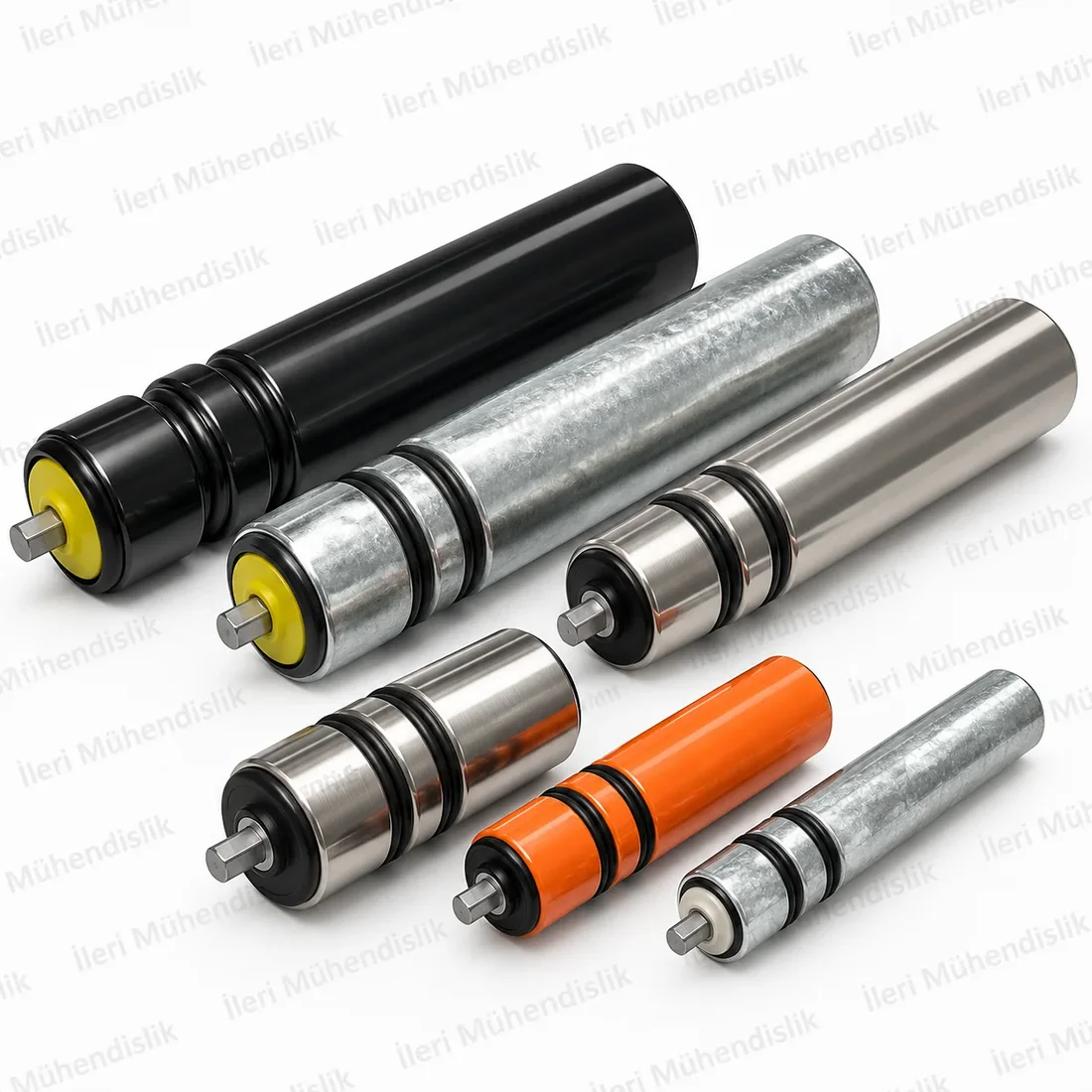
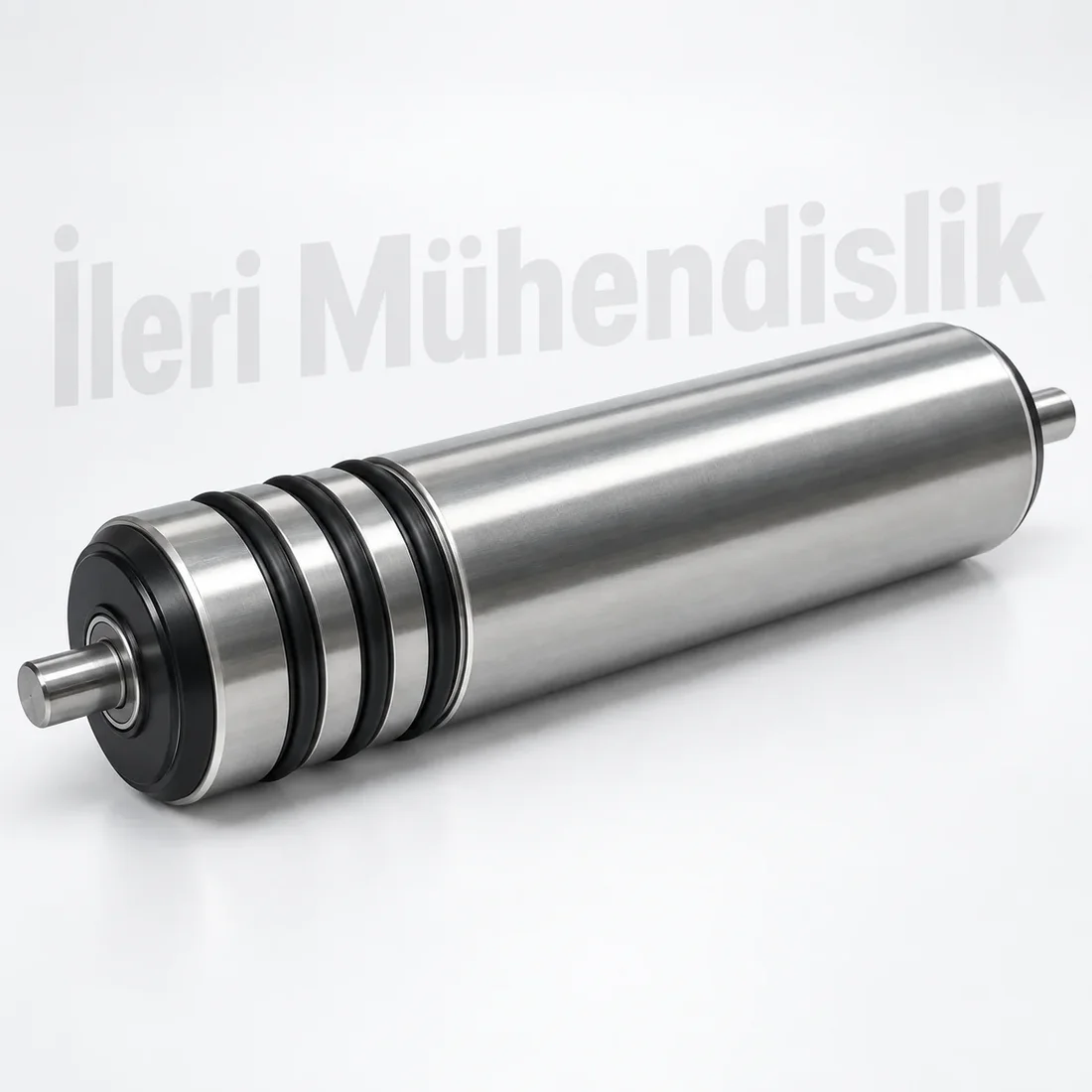
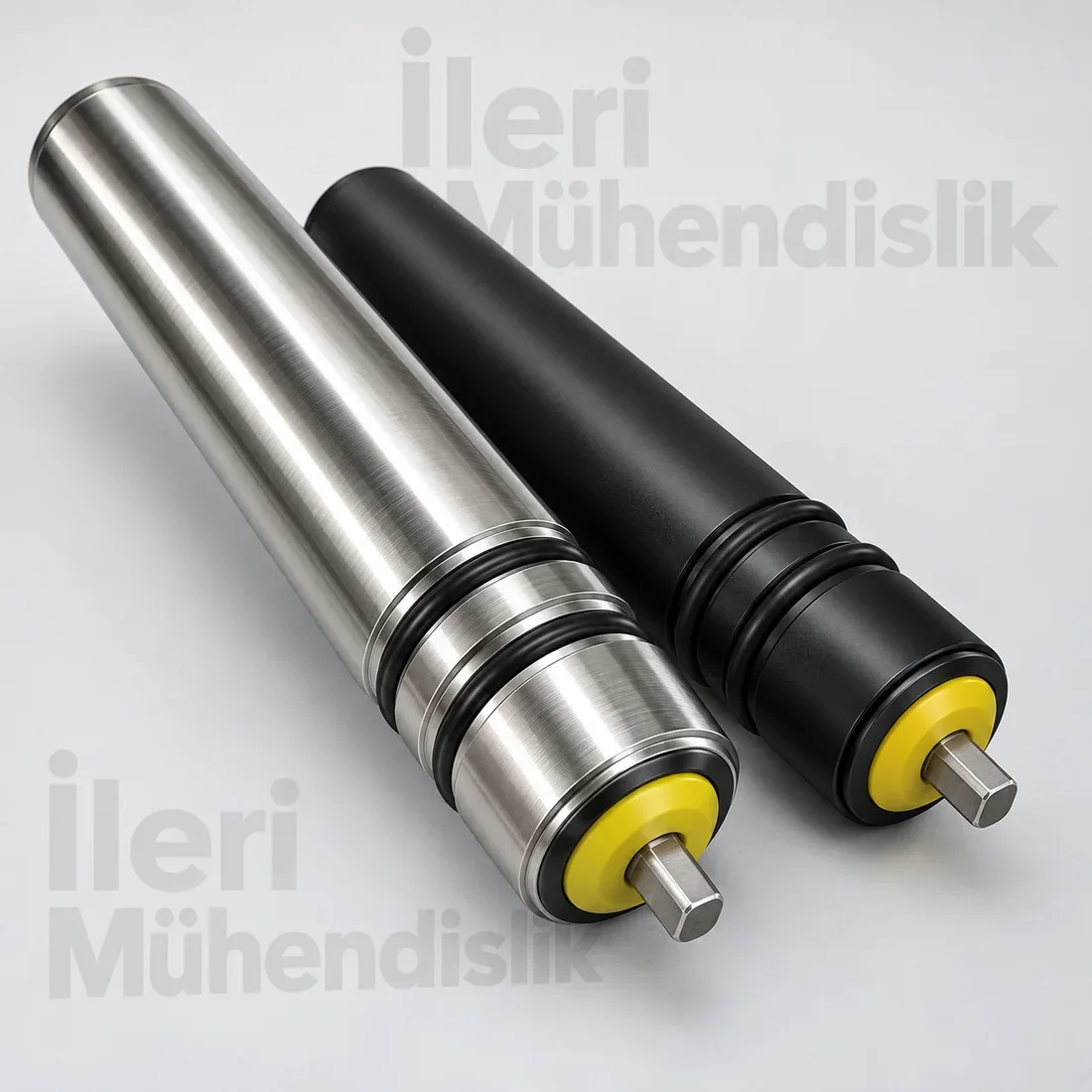
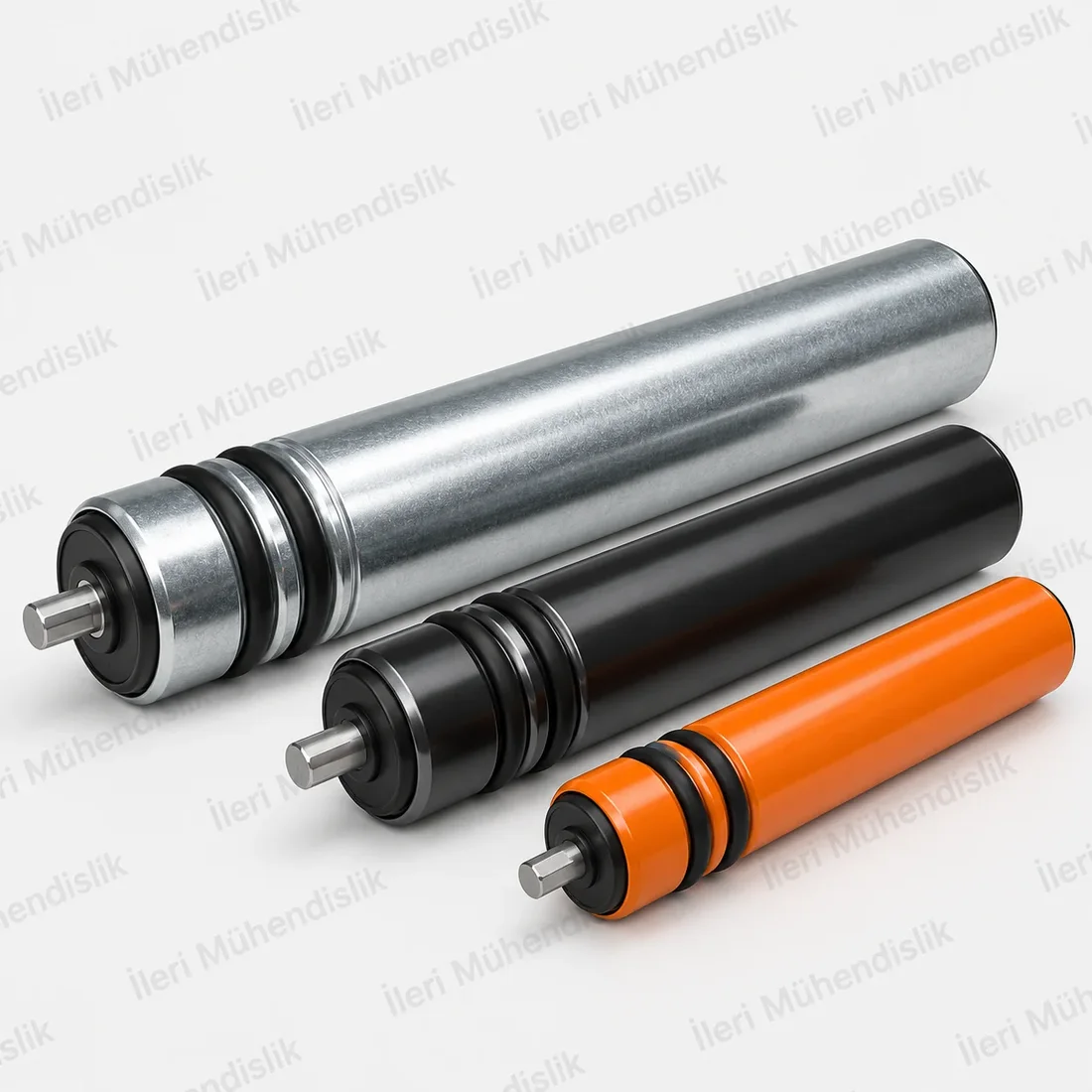
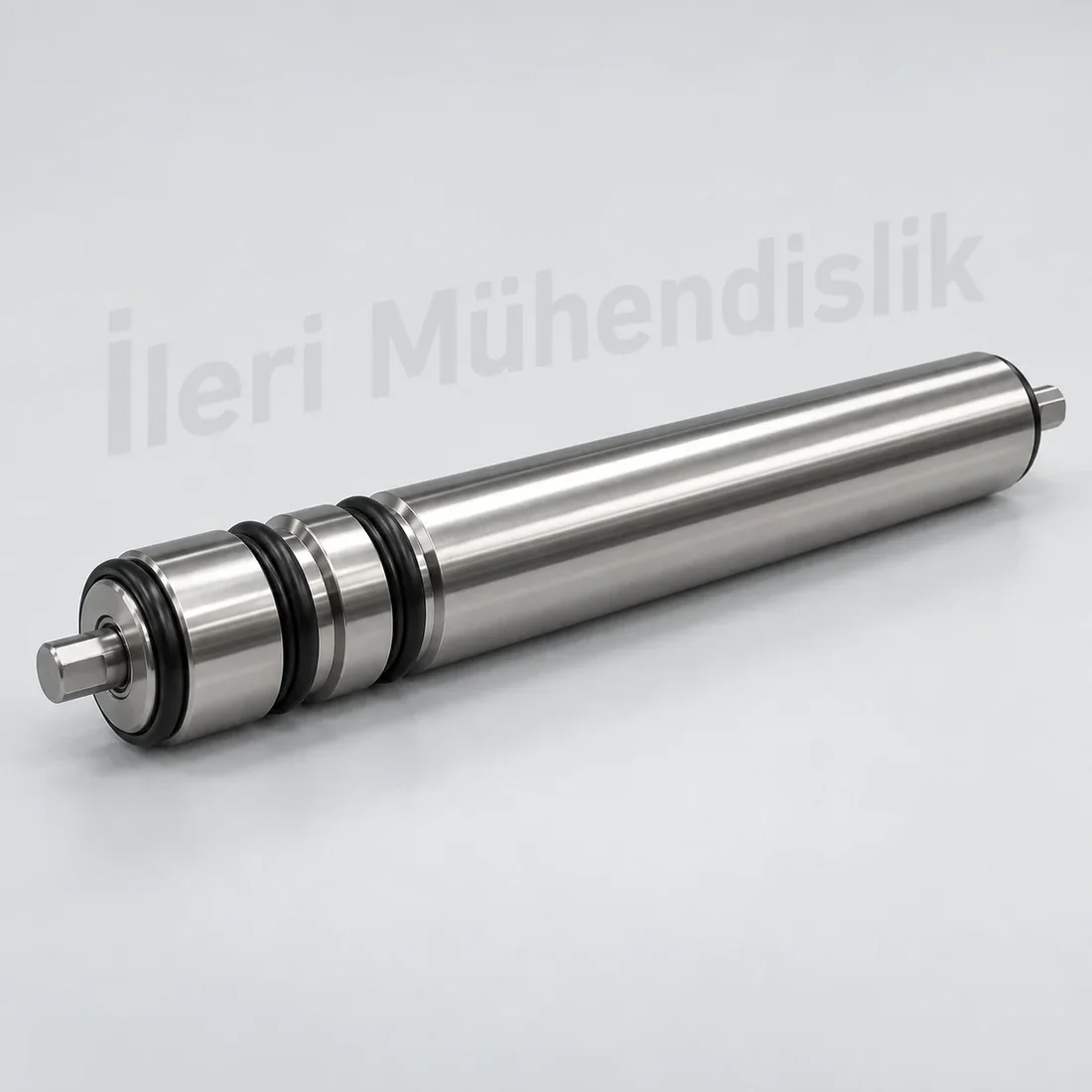
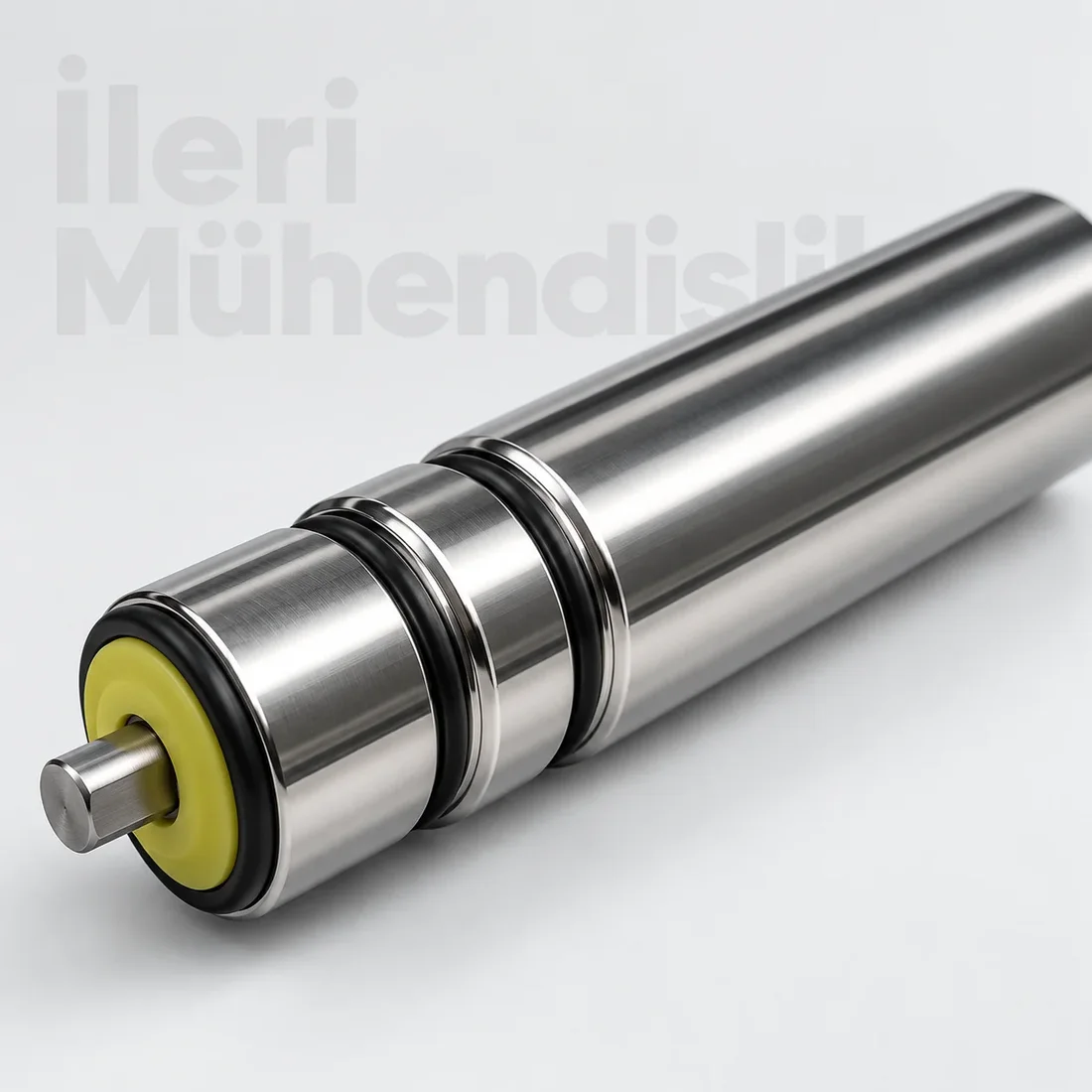
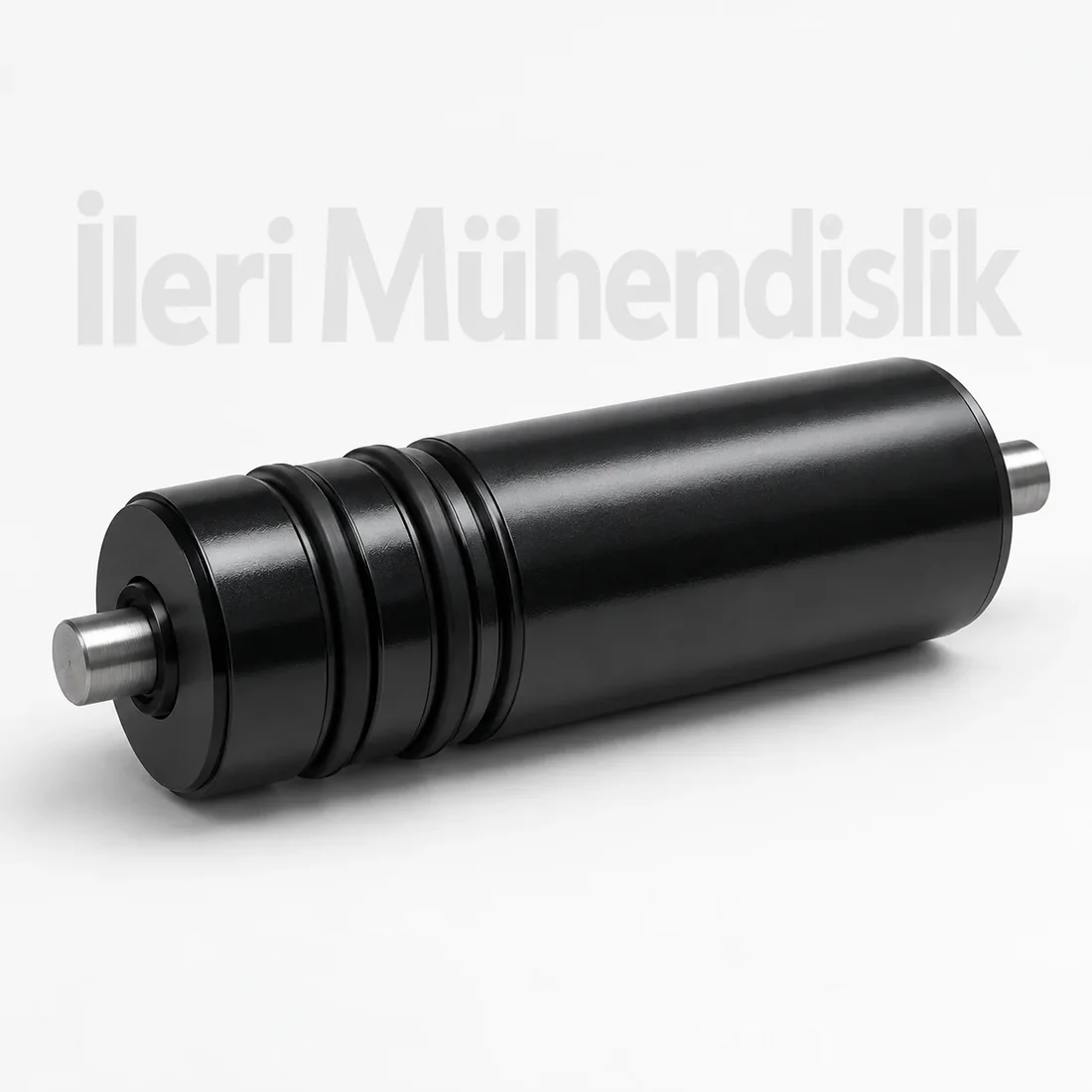
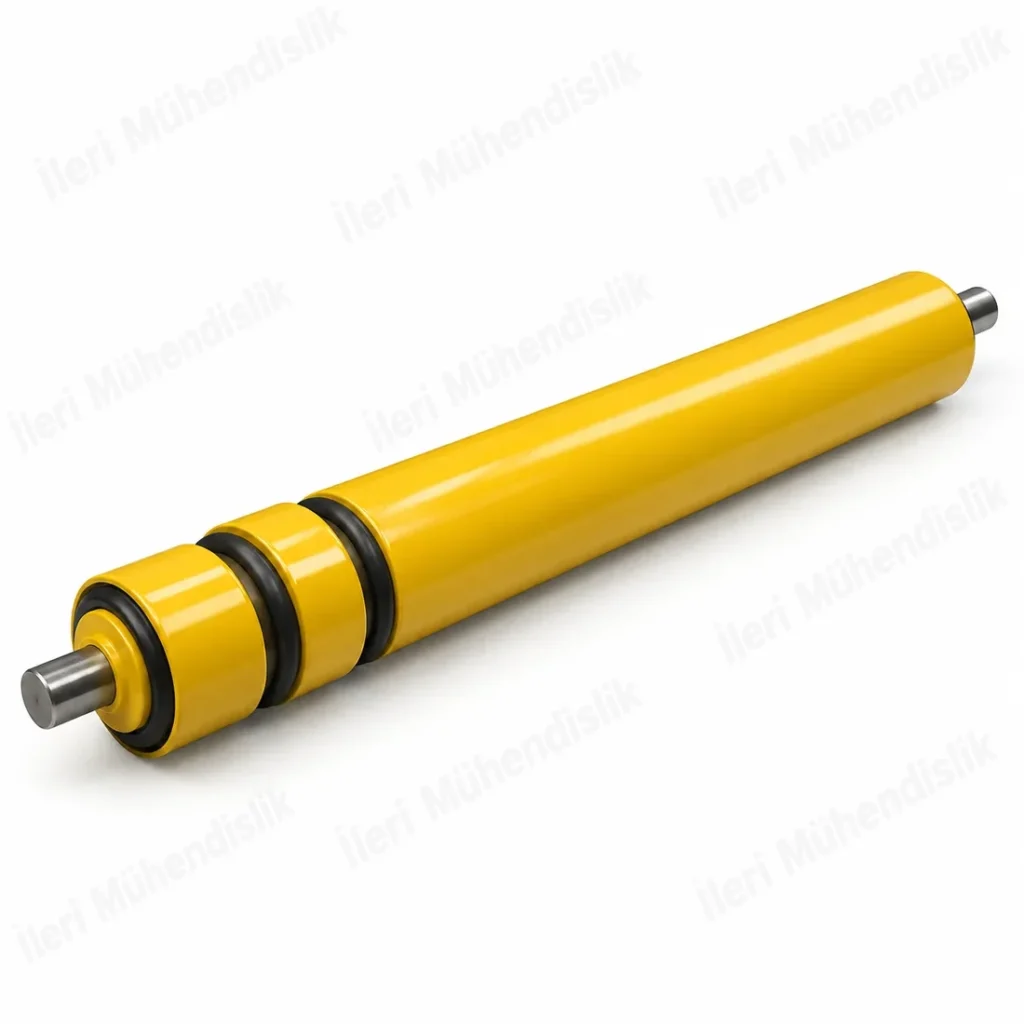
O-Ring Channel Conveyor Roll — The movement in the O-Ring drive is transmitted by round-cutting tracks placed in the appropriate channels. The channel location and geometry are matched with the current line dimensions while the product-bearing part of the roll is also assessed.
O-Ring Grooved Conveyor Roller It is a driven carrier roll used to transfer the movement taken from the engine and reducer through the elastic O-ring tracks to the roll. It offers an economic, quiet and simple driven solution, especially in the rolled carrier systems where the roll, box, package and light products are moved.
What is the O-Ring Channel Conveyor Roll?
O-Ring channel wheels have special channels where the elastic thread can work on the wheel body or at the wheel end. The round-cutting O-ring wheels sit on these channels and transfer the turn movement in one wheel to the other wheel.
Because of its coated system, it can work more quiet than the chain and the dentist, so it is often preferred in the warehouses, packaging and automation lines where light and medium loads are moved.
How does the O-Ring Channel Roll work?
The movement from the motor-reductor is transferred to the first drive roll. The O-ring line on the first roll is connected to the channel of the next roll. Thus the rolls turn each other in a row.
There can be more than one channel on one roll, so one thread can move from the previous roll while the other thread can move to the next roll.
Where is the O-Ring Channel Conveyor Roll used?
O-ring-driven rolls are used especially in systems where light and medium loads are moved.
- Transportation of Coli
- Box and package transfer lines
- Plastic Cache Transportation Systems
- Depository Transportation Lines
- Packaging machines entrance and exit
- The Conveyor
- Sensor product transfer systems
- Light automatic lines
- Distribution and separation systems
The O-Ring Channel
The wire width and depth on the roll must be in accordance with the cut of the O-ring thread to be used. The wire is over-developed or transmitted through the channel can negatively affect the system performance.
When the channel geometry is wrongly selected, the stretching of the thread can be accelerated, the thread can be out of the channel or the movement transmission can become irregular.
How to choose the O-Ring?
The diameter, material and length of the O-ring thread should be determined by the distance to the center of the roll and the load to be transported. The right front tension in the elastic thread systems is important.
If the thread is too light, the swing can occur. If the thread is too tensioned, it can carry too much radial load on the roll rolls.
One channel and double channel in the O-Ring Rule
According to the application, one or more O-ring channels may be on the roll. One channel can only be used in systems that require a transmission connection.
In the driving systems that continue from the roll to the roll, the movement can be transferred to the next rolls by using two or more channels.
How to choose the O-Ring Channel Role Diameters?
The roll diameter should be determined by the weight of the product to be moved, the work width, the roll range and the total transport capacity.
While smaller diameter rolls in light colli applications may be enough, the greater the product weight increases, the larger diameter and thick meat roll pipes may be needed. How to determine the roll? You can check our page.
The O-Ring Role Range
The roll range should be determined by the product base size. the carried product must be on a sufficient number of roles at the same time.
It is also important that the O-ring trail length and the roll center distance are matching each other. How to calculate the roll range for detailed information about the roll range? you can check our page.
O-Ring Channel Rule of the Mills
Mill diameter rolls should be determined according to the work width and the product load. Unsufficient selection of mills can lead to swelling under the load and the deterioration of the rolling working conditions.
The mile ends can be prepared in a fixed, folded or a special connection structure. For detailed information, you can check our page of the mile selection of the carrier roll.
O-Ring Channel Rulman Selection
When choosing the rollman, the load of the product that is moved, as well as the strength that the thread tension creates, should be taken into account, especially in the systems that are constantly working, the right rollman choice is important in terms of the roll life.
For detailed information about the rolling options, you can check our page of the rolling option of the carrier roll.
Galvaniz O-Ring Channel Conveyor Roll
In standard industrial applications, galvanized steel body O-ring channel rolls can be widely used. Galvanized surface helps protect the roll body from corrosion.
It can offer a cost-effective solution in the coli, packaging and plastic cash transport systems.
The O-Ring Channel Conveyor Roll
In humid or corrosion risk environments, stainless roll body can be used. The wire, roll and other connector elements should also be selected in accordance with the working environment.
for untouched options The roulette of the non-cover You can check our page.
Difference Between O-Ring Channel Roll and Poly-V Wire Roll
Poly-V Conveyor Roller While working with the multi-channel flat thread system, the O-ring channel roll uses a round-cutting elastic thread.
Poly-V systems can provide higher turn transfer in certain applications, while O-ring systems can provide a simpler and more economical drive solution in light and medium loads.
Difference Between O-Ring Channel Roll and Chain Teeth Roll
Sprocket Conveyor Roller While high-riding and heavy-load transport applications are preferred, O-ring systems are suitable for lighter products.
While the chain and the metal of the tooth provide a mechanical transmission with touch, the O-ring thread has a more quiet and flexible work character.
O-Ring Role Conveyor Systems
O-ring channel rolls are used for complete carrier systems O-Ring roulette carrier You can check our page.
These systems can create a quiet and economical automatic transportation solution, especially on the coli, box and light product transport lines.
O-Ring Channel Conveyor Rules
The O-ring trails should be controlled at certain intervals in terms of stretching, breakdown and relaxation. When the trail loses its elasticity, the movement transmission may be weakened.
Also, the accumulation of dust in the roll channels can prevent the thread from working properly. Periodic cleaning and control system can extend the life of the wire.
The O-Ring Channel Conveyor Roll
- The Silent Work
- Simple mechanical drive structure
- Economic trail transfer
- Compatibility with light and medium cargo transport systems
- Single or multiple production options
- Can not be produced in different rounds
- Easy integration into automation systems
- Galvanis and non-space body options
How to measure the O-Ring Channel Conveyor Roll?
The tube diameter, the roll work width, the total mile length, the mile diameter, the number of channels, the channels location and the O-ring thread size to be used for roll manufacturing should be indicated.
If a new current roll is made, the close plan photo and measurements of the channel section will make it easier to make the proper production.
O-Ring Channel Conveyor Rules
The O-ring channel carrier roll prices vary according to the roll diameter, work width, tube material, mile size, roll type, channel number and production unit.
Additional features such as stainless production, special channel geometry or heavy service rollers may affect the total rolling cost.
Special O-Ring Channel Conveyor Rolls Manufacturing
As an advanced engineering, we can produce O-ring channel carriers rounds according to the project dimensions with different diameter, length, miles and channels options. The roll body, the roll, miles and channels structure can be determined according to the product and the carriers design to be moved.
Rule diameter, work width, mile diameter, channel number and the required unit Get a quick offer You can send it through the form.
Other types of carrier roles
for different driving options The Conveyor Rules From our section, you can explore the varieties of avar, chain-tooth, Poly-V-cranking, motor, coins and other special production roles.
Interested products and application links
- All types of carrier roles
- O-Ring Rules
- Poly-V Rules
- Motor Rules
- Share your roll sizes and ask for an offer
Technical information on other sites
You can also read the descriptions on our other Advanced Engineering sites for the same product group. We can clarify the technical scope of your measurement-specific product together through your existing parts and working conditions.