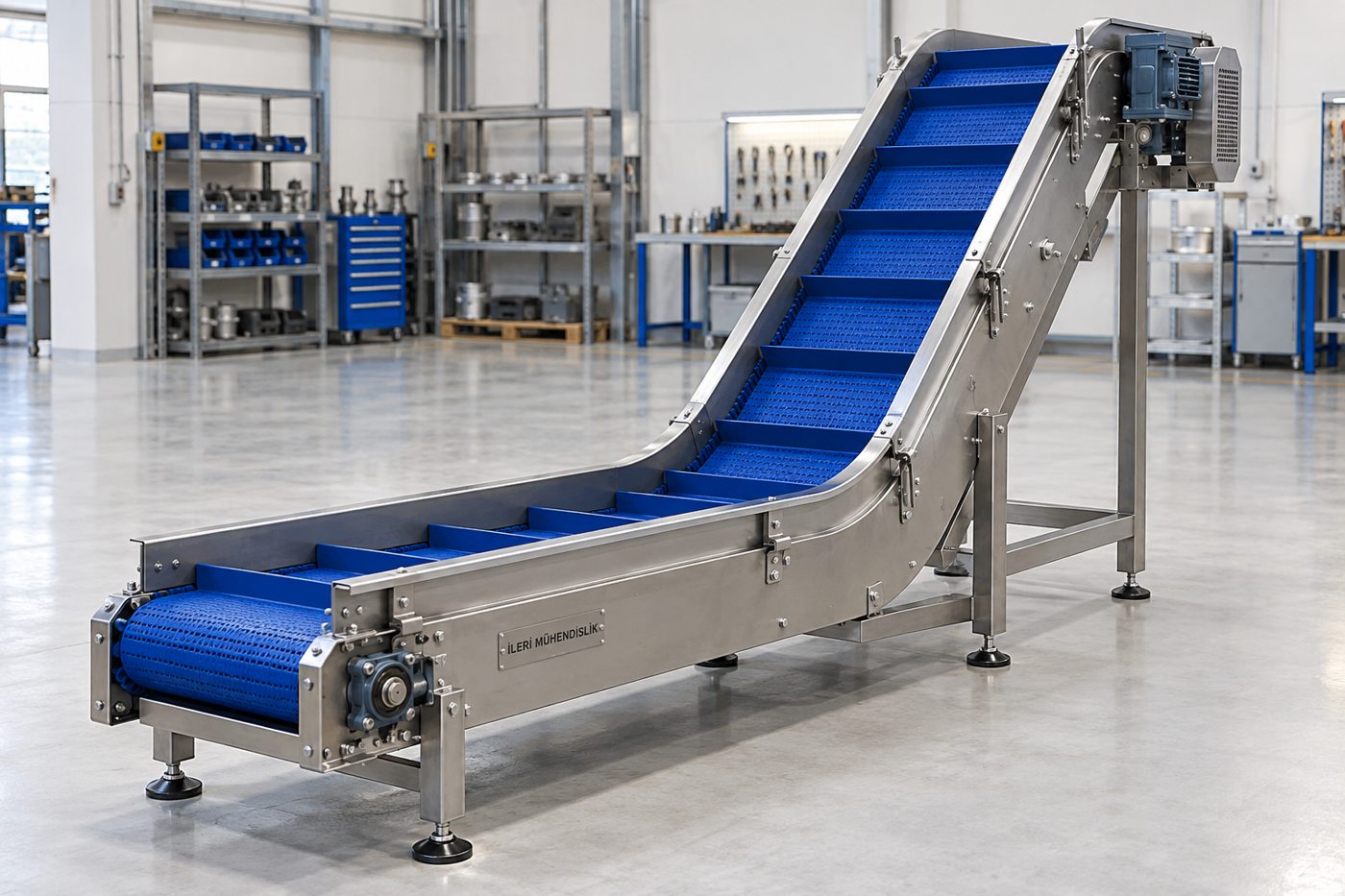
Type of L carriers
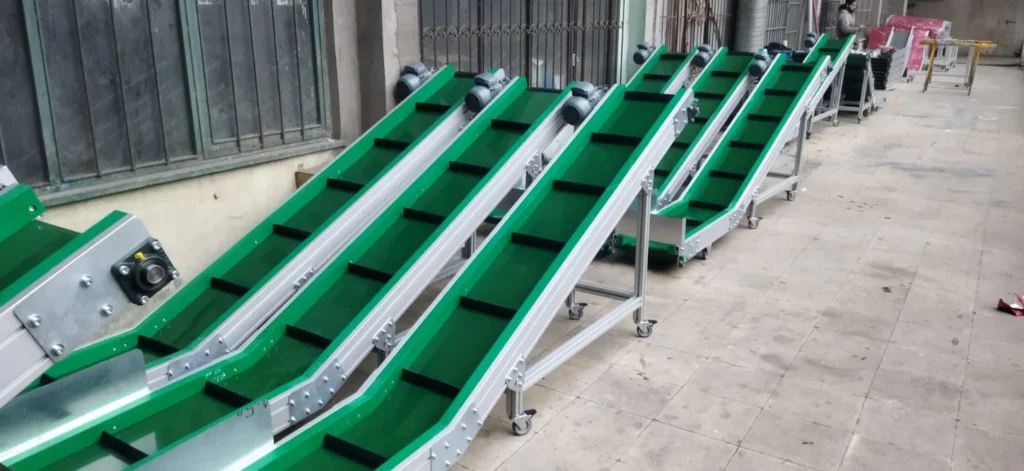
Type L Conveyor Visual Gallery
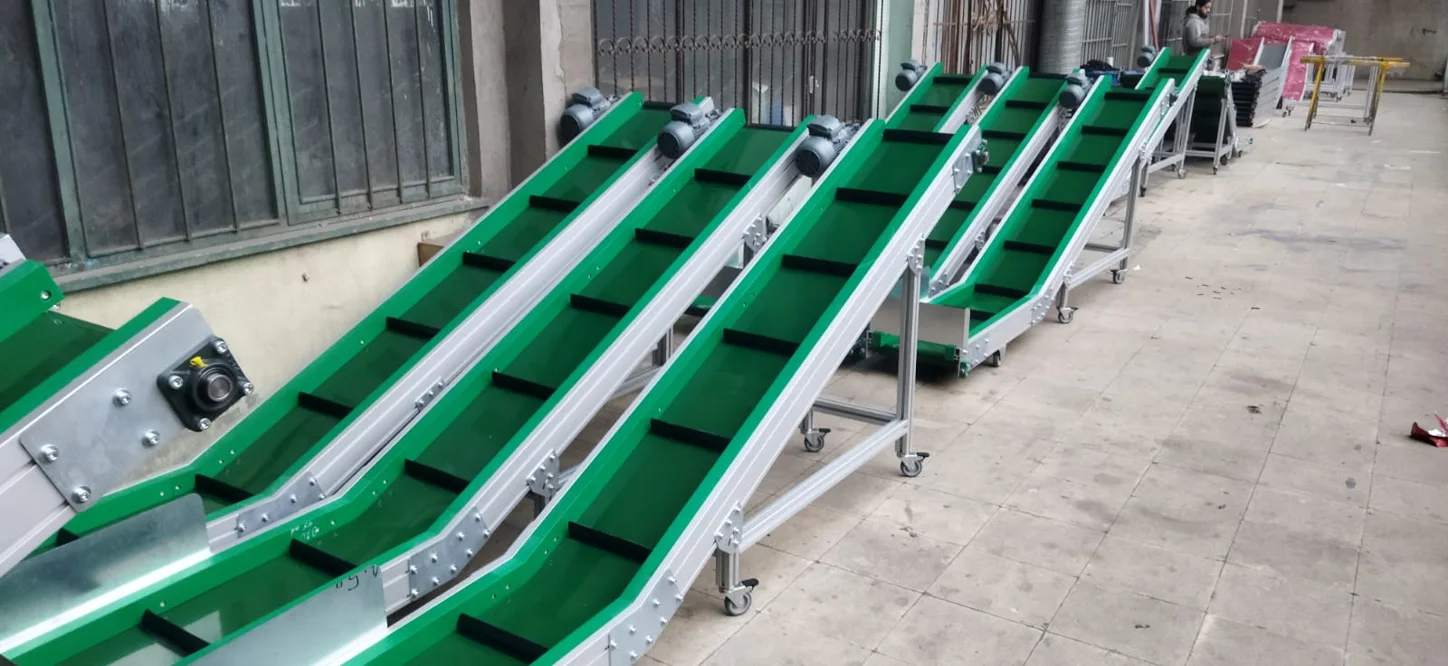
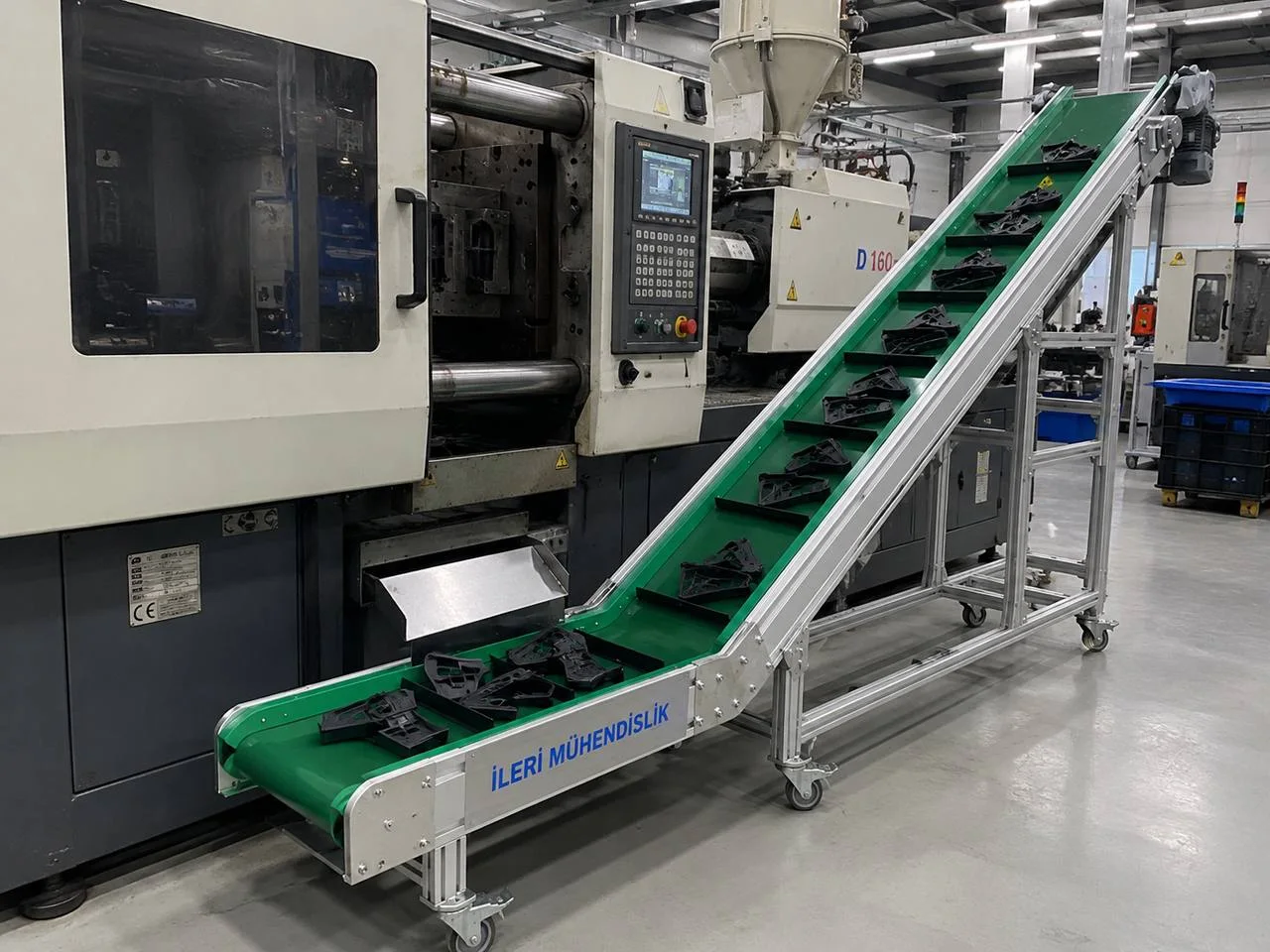
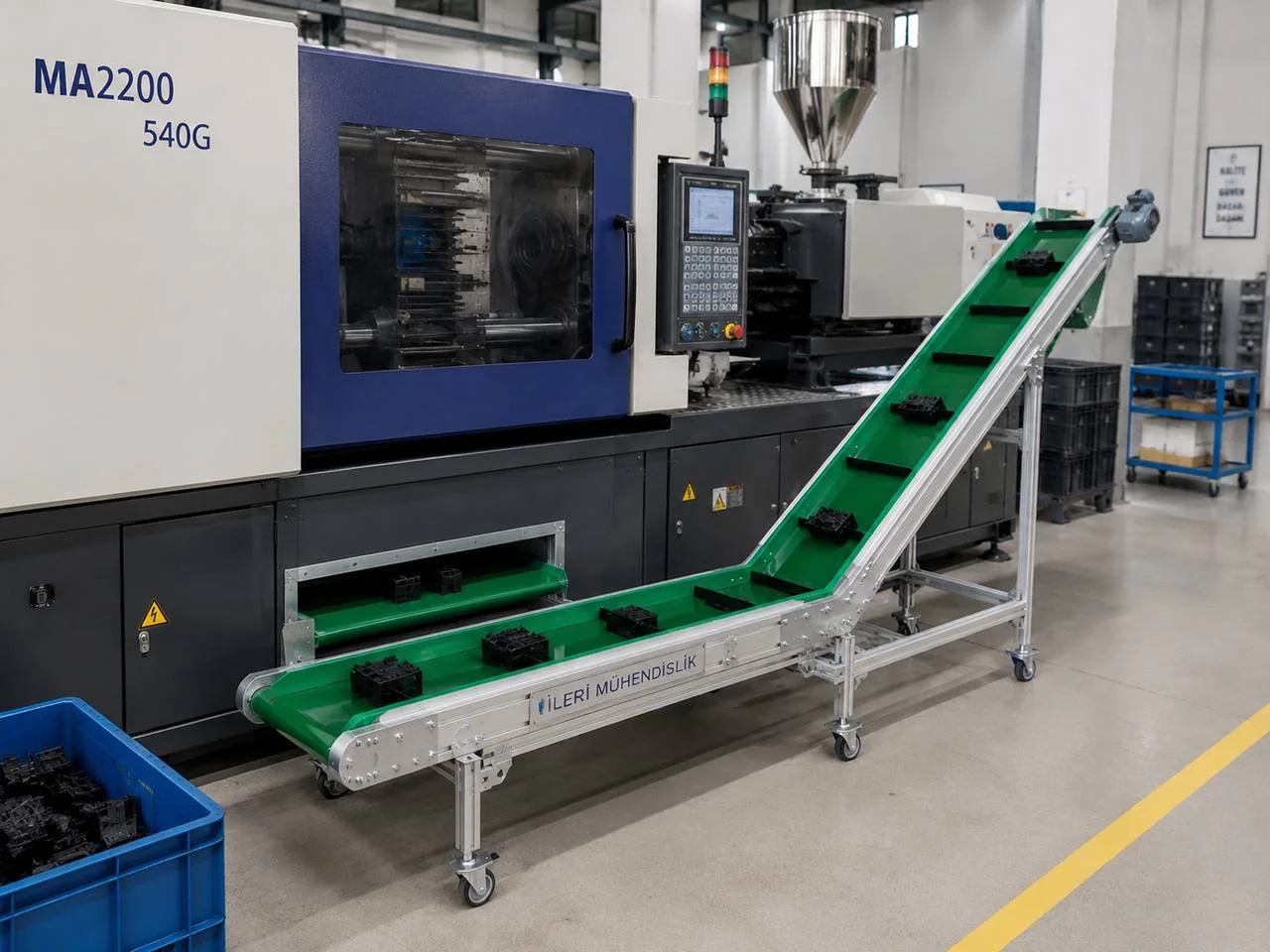
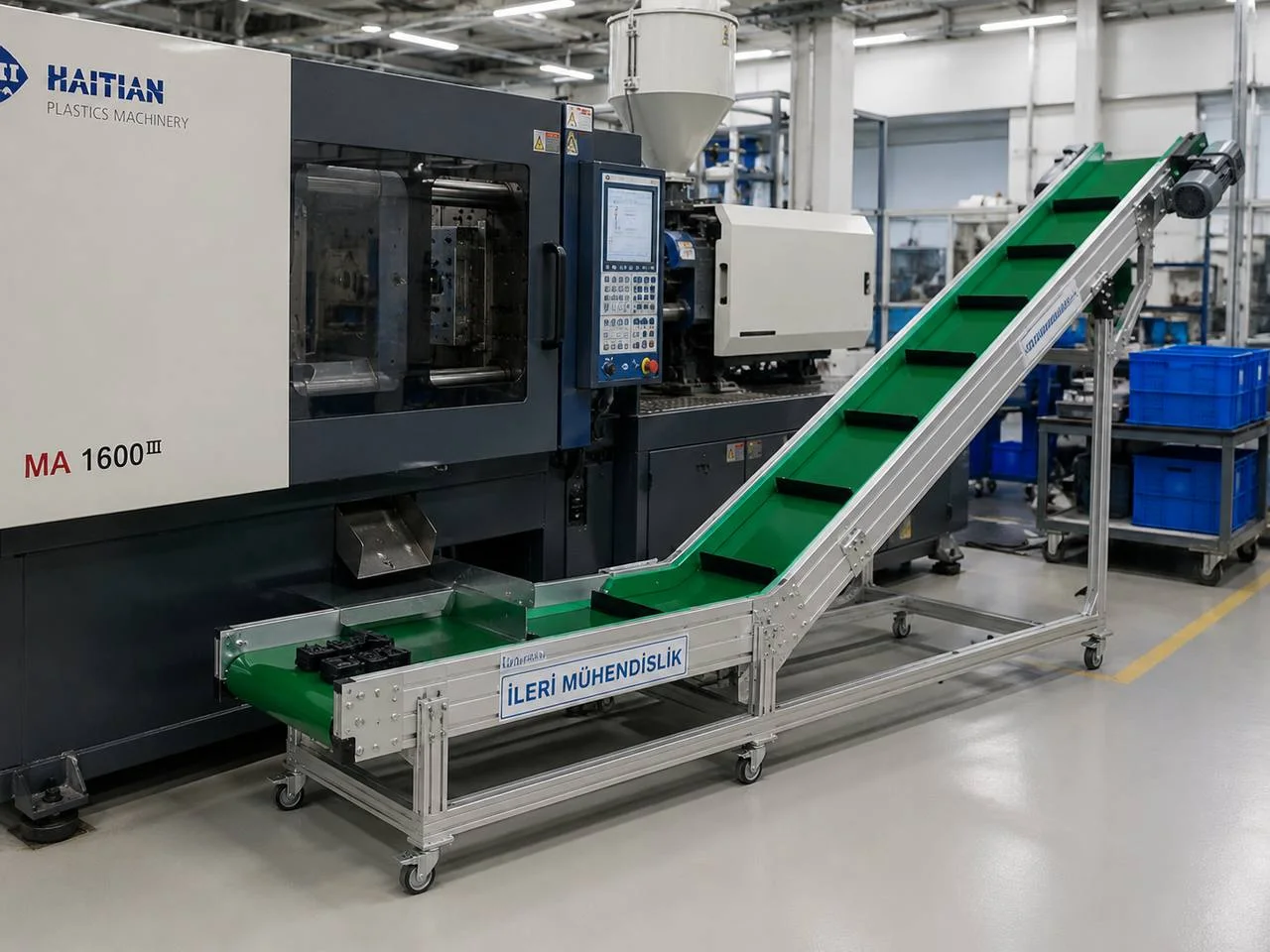
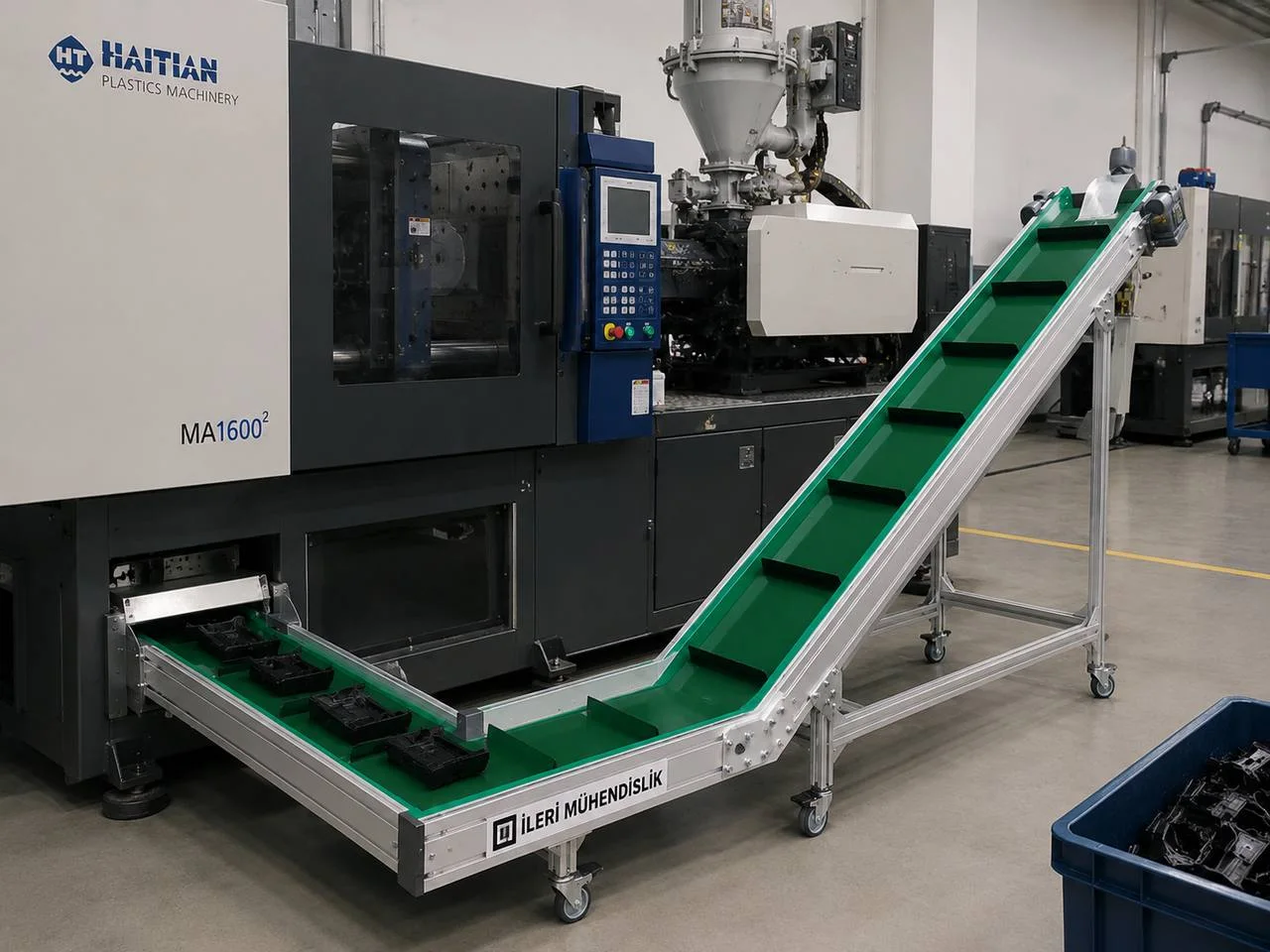
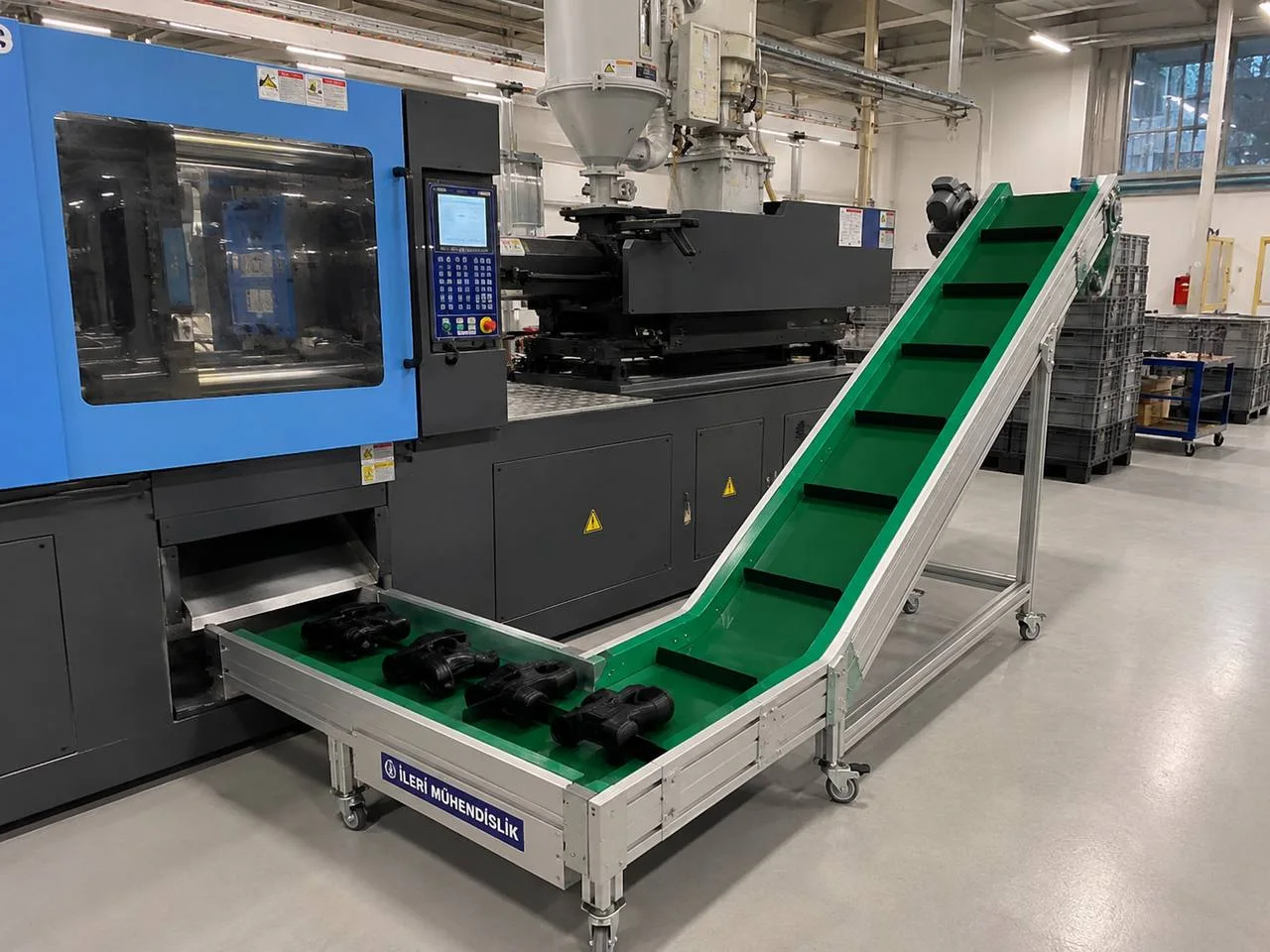
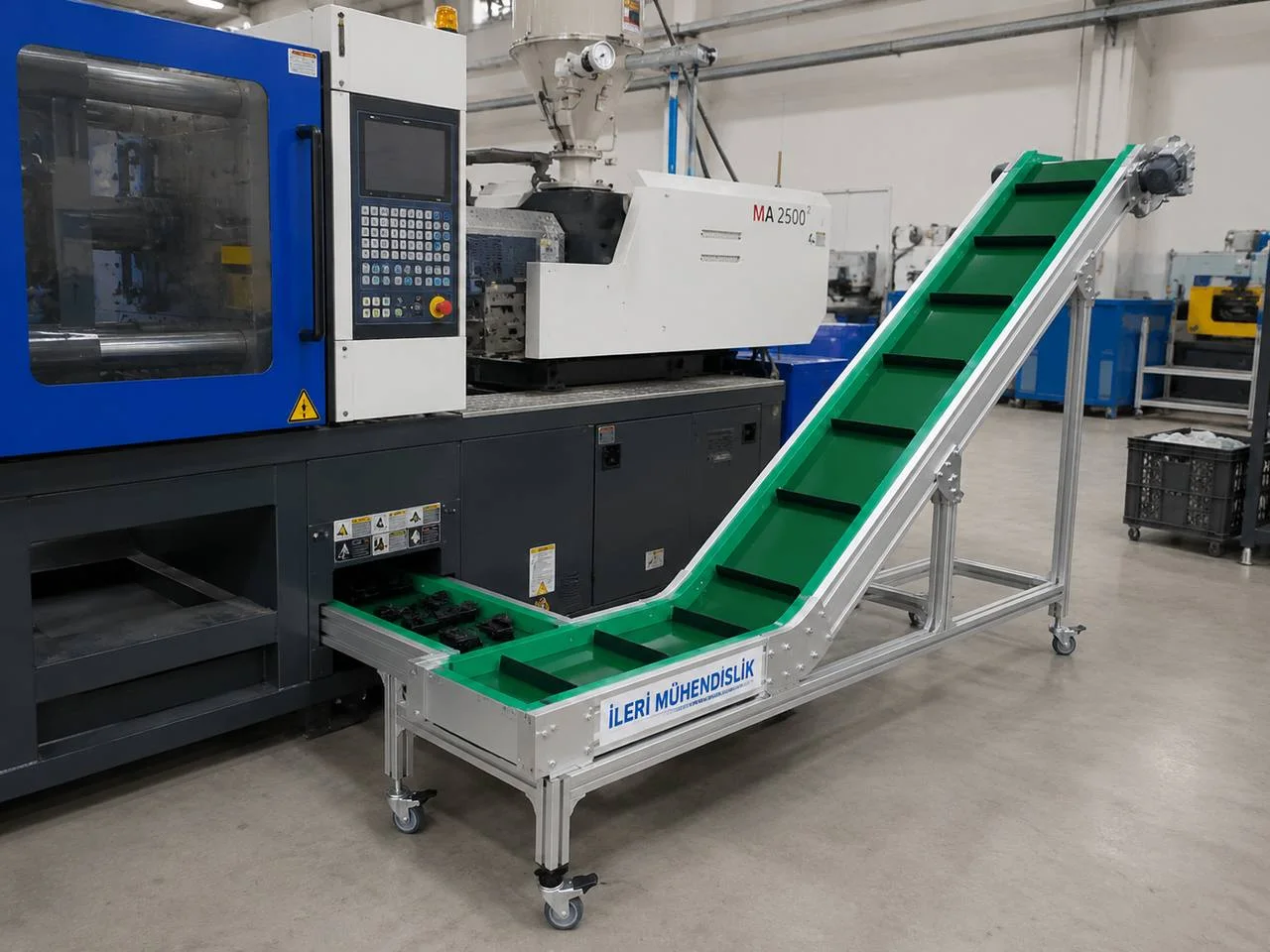
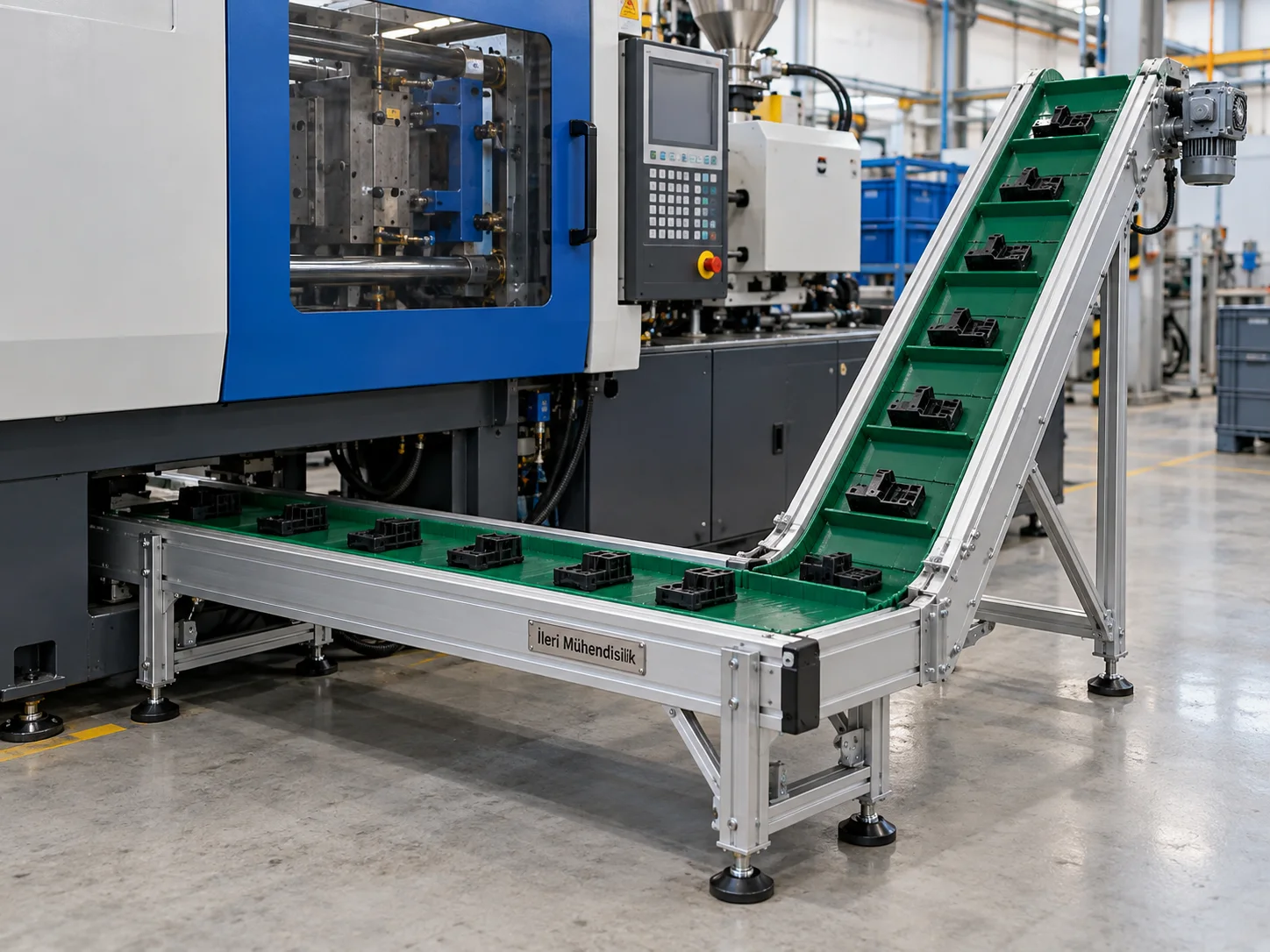
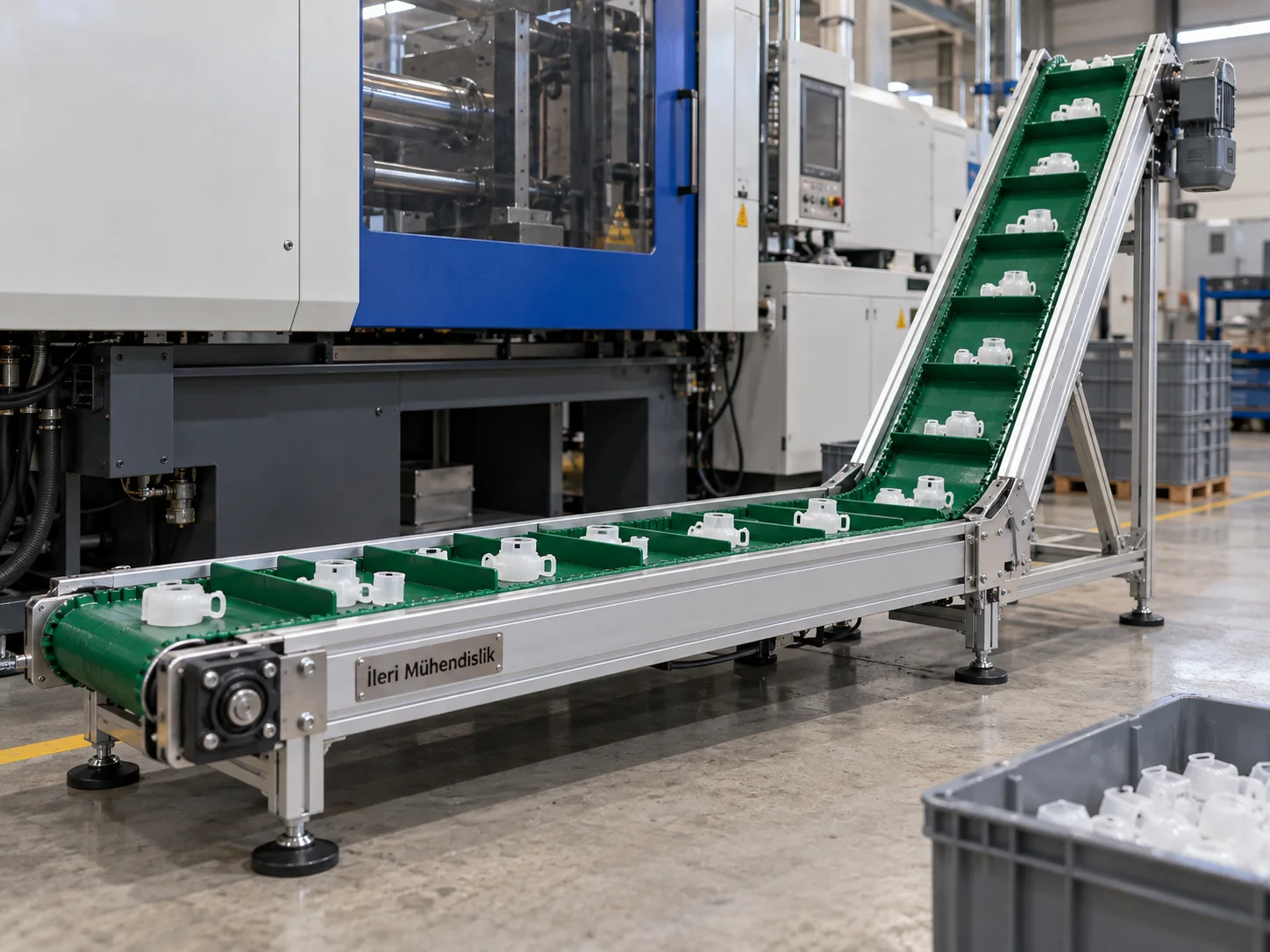
L-type carriers combine a horizontal product receipt section with a curved transport section and transfer parts to a higher point. From the limited opening under the machine, it is assessed in the application of product collection, box filling and connection stations in different boxes. Advanced Engineering deals with the entry height, the lower horizontal section and the output position together. The curved passage and discharge of the product until the carriers are placed in the machine is also solved in the design.
How to get the measurement for L type carriers?
The height of the part to enter under the machine, the available width and the horizontal length must be measured separately. The feet, cover and connections of the machine may shrink this area. The output height is determined by the box or the next machine to which the product will be left. Only the total transmitter length is not sufficient to describe the L geometry; the position of the horizontal and curved parts must be shown on a crockey.
The area covered by the sliding part is assessed along with the amount of elevation. In the narrower area, it may require a more straightforward transport arrangement to reach the same height; its conformity to the product is also checked. The external measurements of the engine, feet and back mechanism are included in the installation. The space required for the opening of the maintenance cover of the machine or the change of shape must be preserved.
Support of the product from the surface
One of the critical points of the L type structure is the passage from the horizontal take section to the curved section. The length, shape and weight center of the product determines how it will move here. A long passage piece can behave differently when the bridges are a small piece. The band support and direction elements are assessed in such a way that the product will progress without staging and without uncontrolled turn.
The point where the piece falling from the machine is also important. The falling distance, the piece temperature and the impact of the blow affect the band choice. If necessary, a collection box or side barrier that directs the product entrance is assessed. The box should be designed in such a way that the product cannot prevent the accumulation flow here. The real product sample only helps to understand the rotation and assembly behavior that the measurements do not show.
Bands and side barriers
The product can be used to limit the recurrence of the product. These profiles are also called band palettes in the application. The palette height and range are selected according to the product size and the amount of feed. The narrow range from the need may make it difficult to place the product; it may affect the unsuitable height transport or discharge. The choice must be made according to the actual product behavior.
Side barriers help to limit the output of small parts out of the band. The relationship between the barrier and the moving band should be controlled especially for thin parts. The spaces in which the product may be stuck and the distances varied at the passage of the curvature are assessed. The band material is selected in accordance with the temperature and surface characteristics of the product. The same band surface and curvature angle for each product are not considered appropriate.
Not filling out and filling the box.
The product should be determined in which direction and from which height it will fall after the band is dissolved. When the distance between the output end and the box is too high, the sensitive parts may get a blow. As the box is filled, the rise of the product level also changes the discharge conditions. If the product needs to be directed or the availability detection, it must be addressed in the work scenario and clearly written in the offer scope.
If the carrier will feed another machine, the output speed and product range will gain importance. The carrier’s amount must match the receipt speed of the machine. Continuous work with the surrounding work requires different control arrangements. When the launch, stop and machine ready signals are planned along with mechanical settlement, the product flow becomes more controlled.
Six, setting and maintenance access
The position of the legs, the balance of the curved part and the condition of the ground are assessed together. If height or angle settings are required, the setting should be determined how to fix. The access to the band tension, tambours and the passage area is left. The band monitoring state, palet connections, side barriers and product remains are regularly checked. Intervention on moving points should be done after a safe stop.
Information for the price of the L type carrier
The offer requires the ground area available with bandwidth, lower horizontal size, entrance and output heights. The product size, weight, temperature, fall distance and the amount of feed should also be shared. Band palettes, side barriers, shase materials, setting options and control needs change the price. The machine makes it easier for the photo and measurement crocky to show the six-discovery to prepare the right setting.
Frequently Asked Questions
What is the difference between the type L and the type Z? The L-type order combines the horizontal reception and curved transport parts. The Z-type installation also has a horizontal delivery section on top. The choice is made according to the product movement required in the output.
Can my body be changed later? For this, the adjustable shase and connection layout must be designed. The product's sliding and emptying behavior in the new curve is also controlled.
Can hot injection parts be moved? The temperature and time of contact with which the band is contacted is assessed by comparing the limit of use of the band and accessories selected.
The existing product information
| The product | Type of L carriers |
| The basic function | Combining the curved transport section with the horizontal receipt section |
| Area of Application | Transfer of pieces to a higher point from the machine output |
| Information needed in the election | The height of the output, the height of the output, the height of the |
| Technical control point | The selection of the palet and side barrier is made according to the product's sliding behavior |
Ask about this product or application
Product images