Poly-V Conveyor Roller
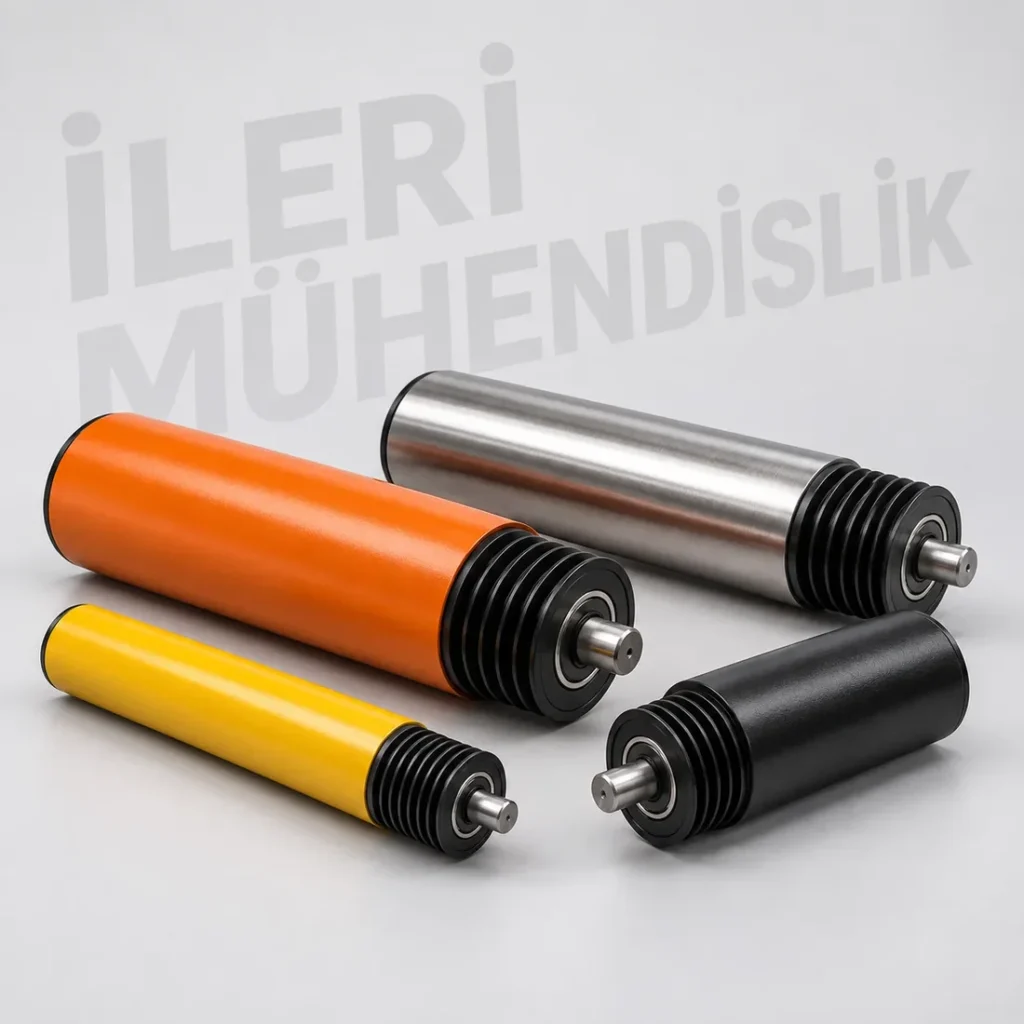
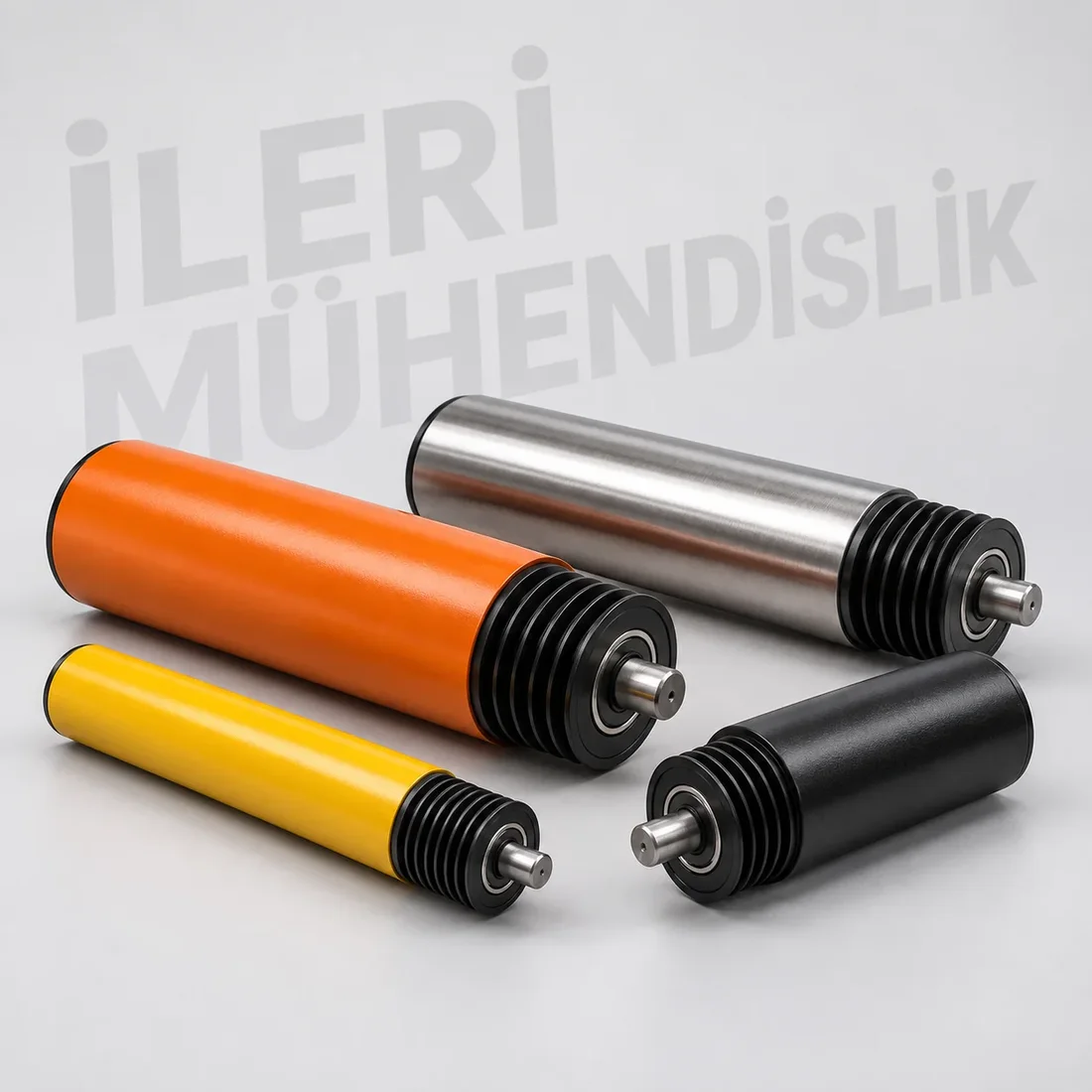
Poly-V Conveyor Rules Visual Gallery
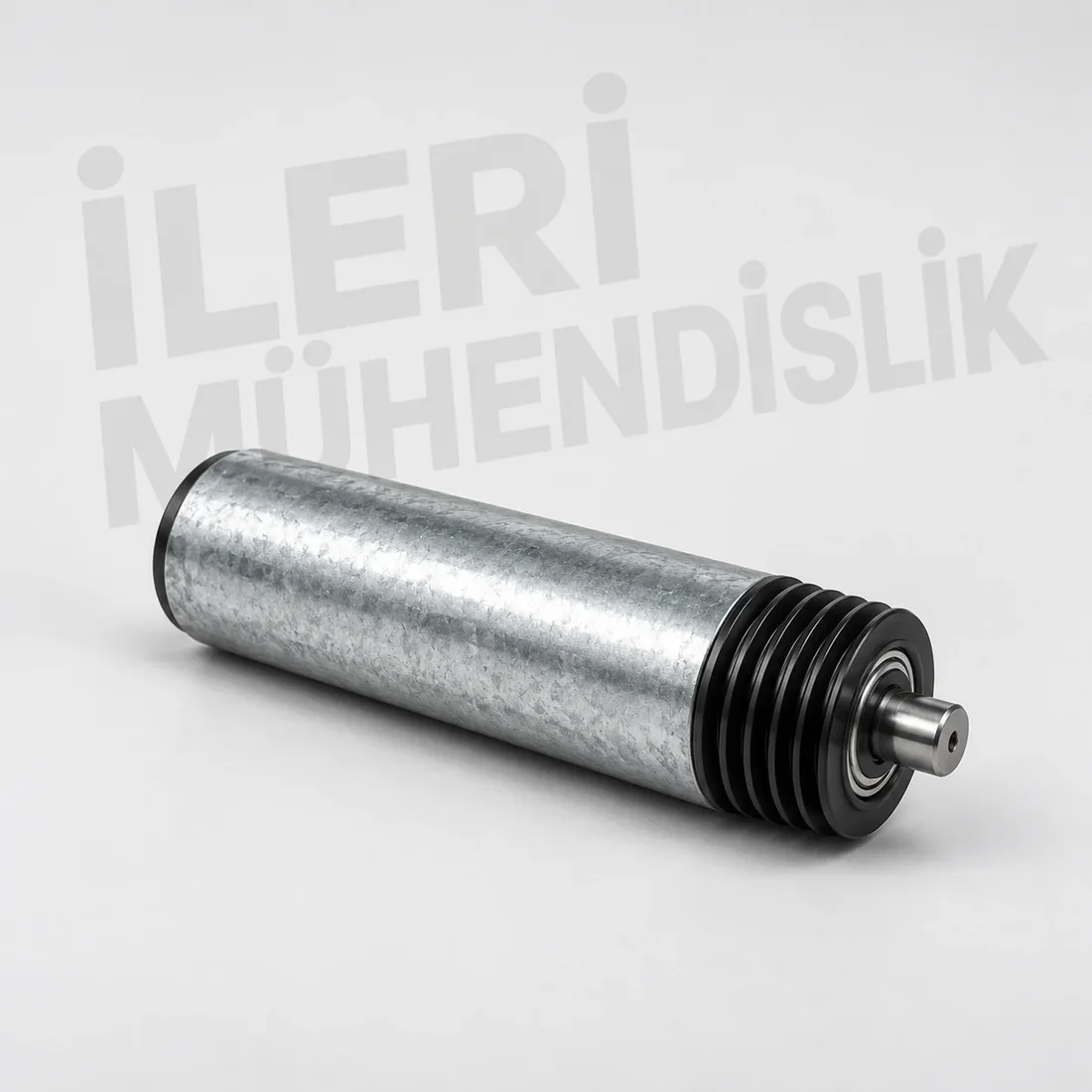
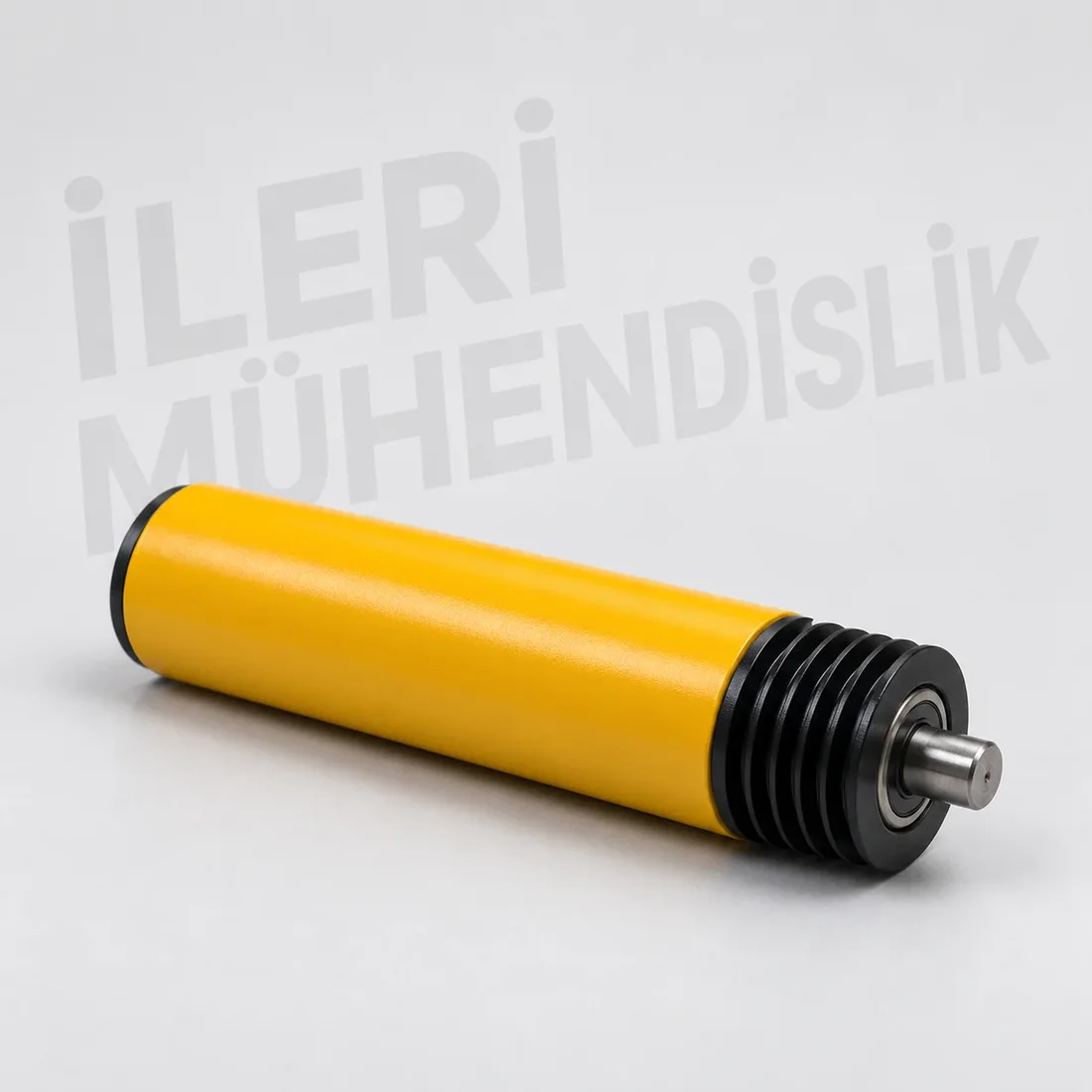
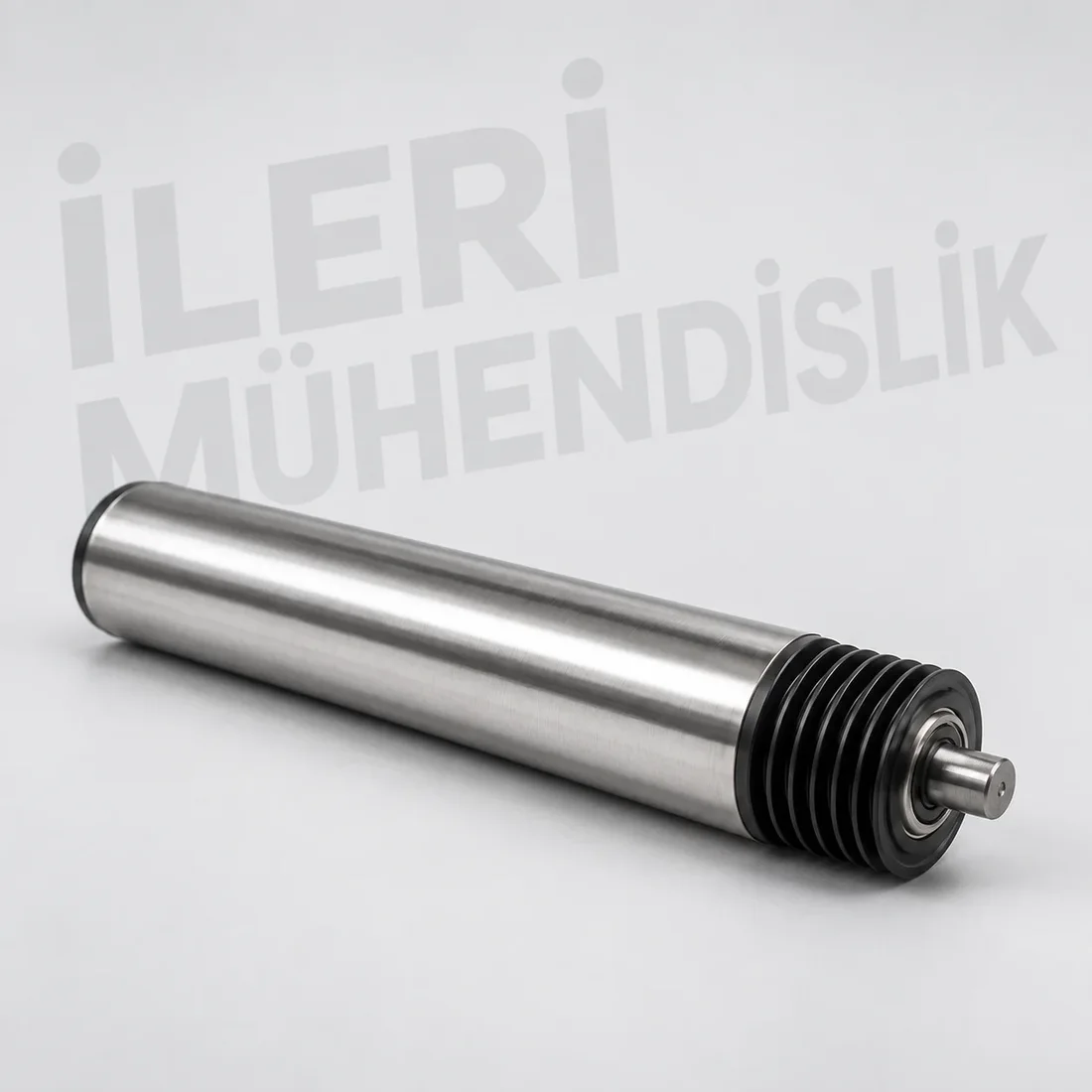
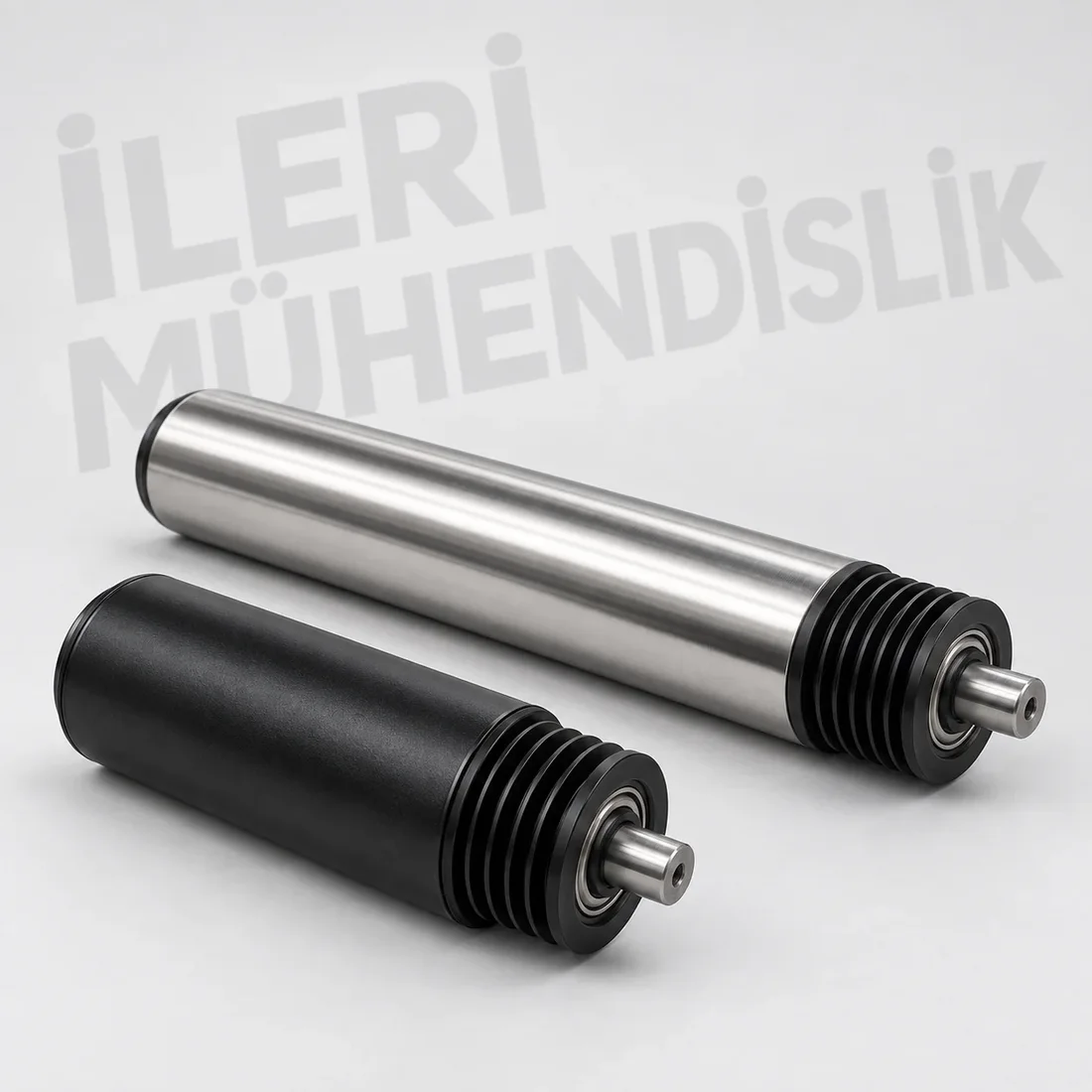
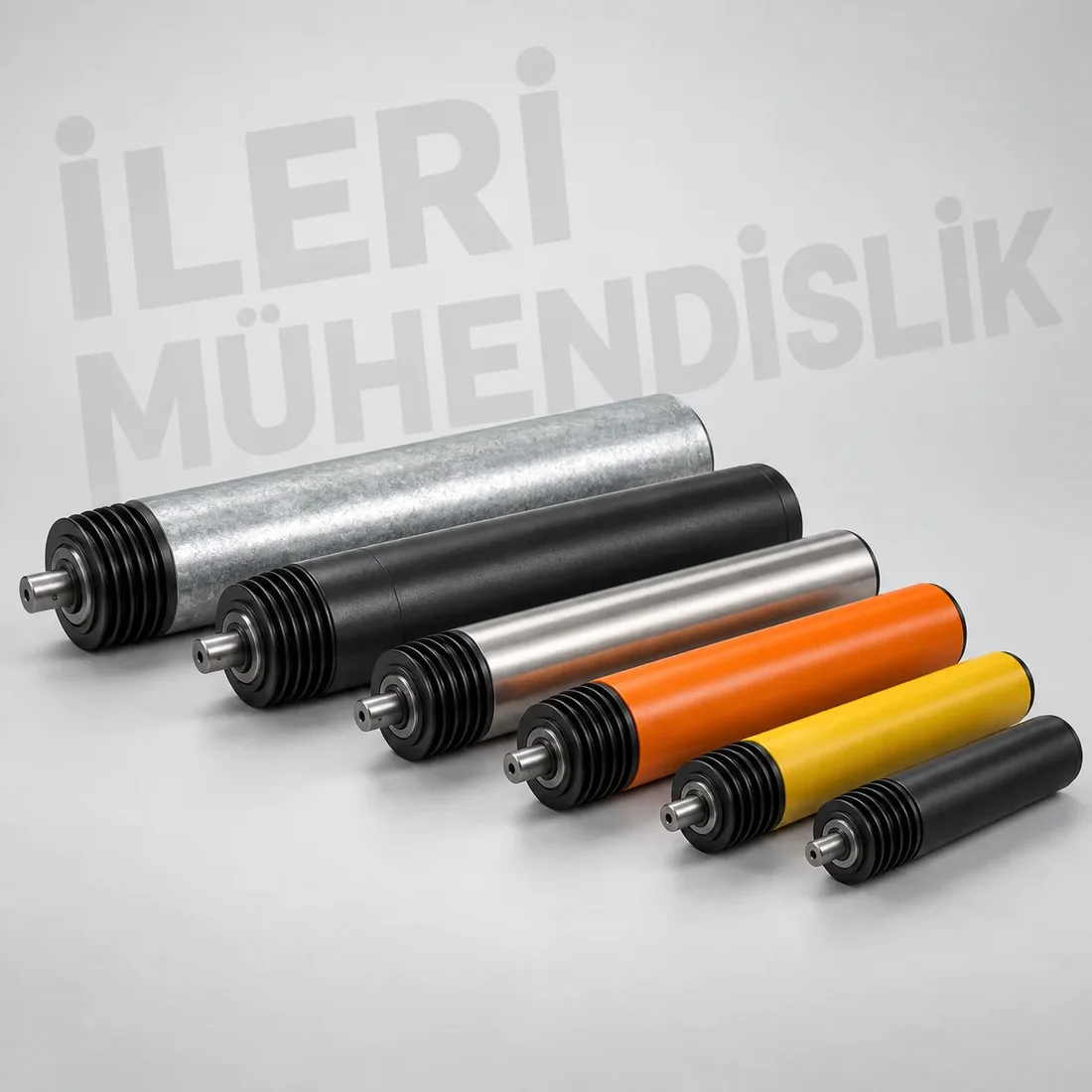
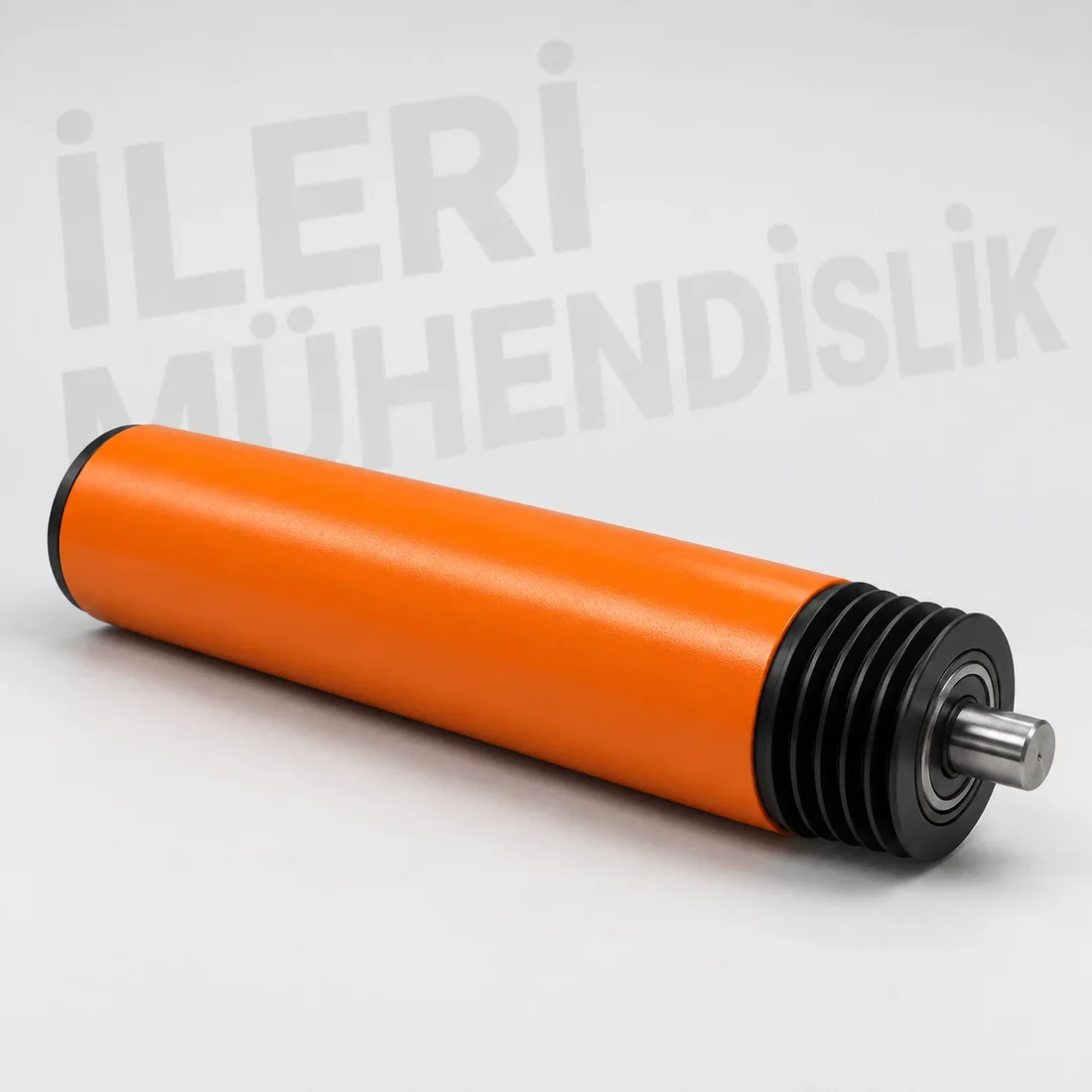
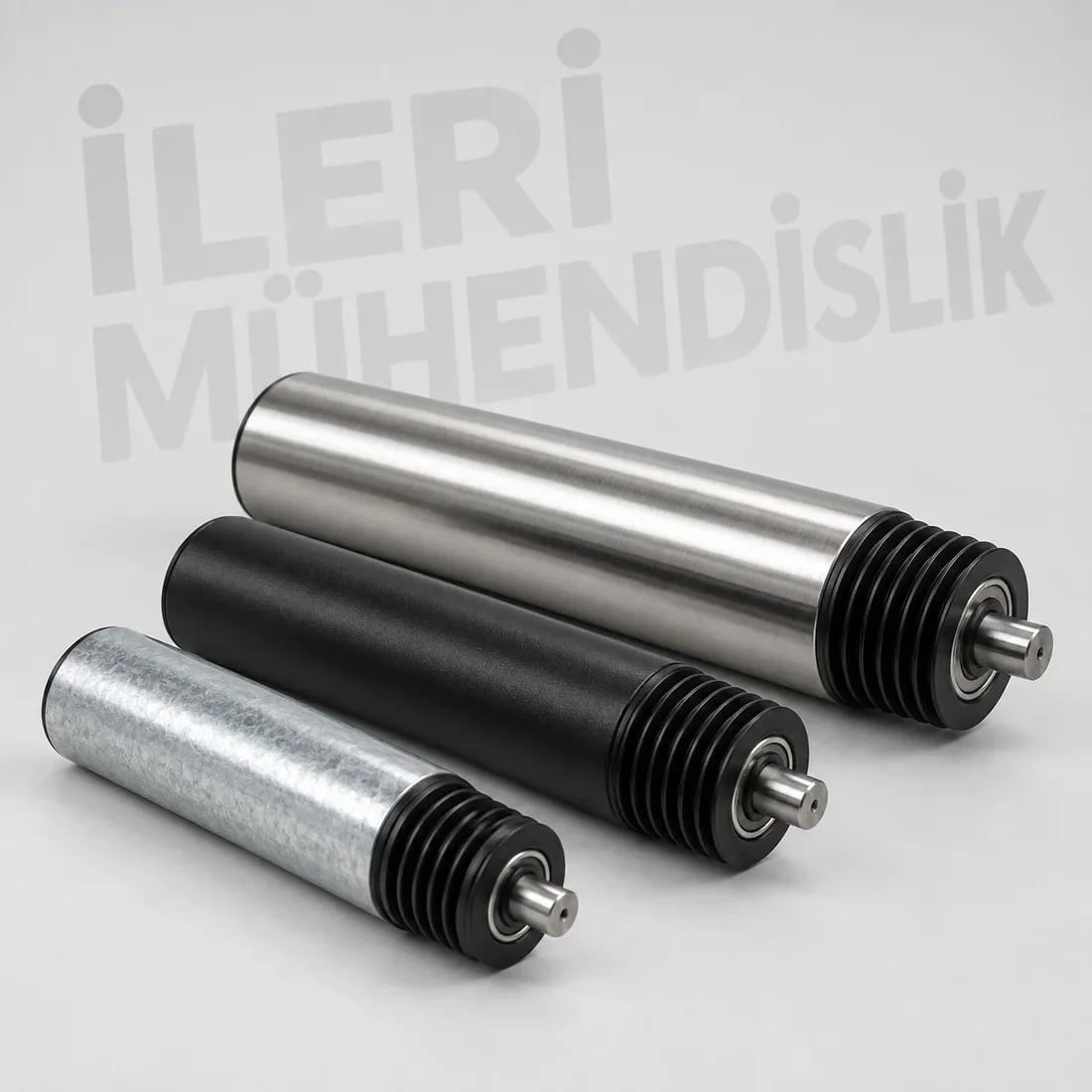
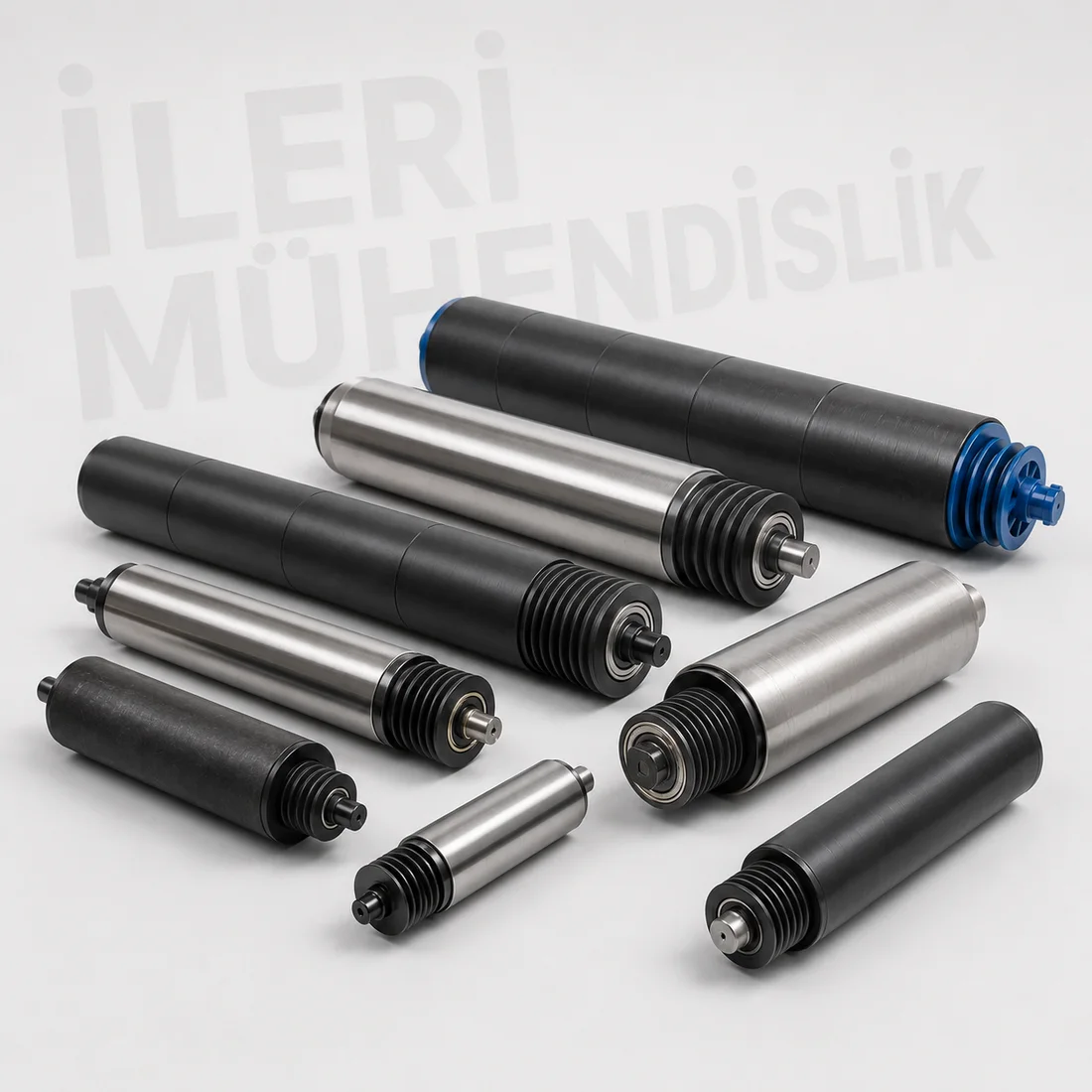
Poly-V Cannular Conveyor Roll — the small parallel channels of the Poly-V Cannular work with a compatible multi-channel thread. The Cannular profile and axle position should not be accepted as the O-Ring or other transmission arrangement on the current line without verification.
Poly-V Conveyor Roller The motor and reducer is the multi-channel transmitter rolls used to be transferred to rolls through Poly-V tracks. It can be widely used in the automation lines where light or medium-weight products are moved due to quiet work, compact driving structure and suitability for serial product transfer.
What is the Poly-V Conveyor Roll?
On one end of the poly-V-cranking roll, there is a special cranking structure where the multi-channel Poly-V thread can work. The main roll or the driver element that is turned by the engine is transferred to other roles with the help of the movement thread through the main roll or the driver element.
Thanks to the multi-channel structure of the Poly-V thread, a small shell diameter can create a high contact area, which helps to design compact drawing systems in narrow areas.
How does the Poly-V Role work?
The turn movement from the motor-reductor is transferred to the first roll. The Poly-V thread transmits the turn movement by passing the first roll's shell to the next roll's shell. This method allows multiple roles to be run within the same drive system.
The fact that the thread is in the right tension, the shell is in the same line and the roll axes are parallel is important for the system's proper functioning.
Where is the Poly-V Conveyor Roll used?
Poly-V-covered rolls are preferred especially in the carrier applications where silent work and serial product transport is important.
- Transportation systems
- Box and package transfer lines
- Plastic Box Transportation
- Depo automation systems
- Packaging lines
- The Conveyor
- Distribution and Classification Systems
- Sensor roulette transmitters
- Automatic production lines
Poly-V structure
Poly-V canals are found on the poly-V chest. The channels on the length of the thread allow the movement to be transferred by sitting in these chest chest channels.
The number of the channels and profile of the channels should be in accordance with the Poly-V tape to be used. The use of the disconnected channels and tape can cause the tape to exaggerate, sound or get out of the channels.
Why is the Poly-V thread preferred?
Poly-V trails can provide efficient power transfer in a compact system by increasing the contact surface thanks to their multi-channel structures.
The lack of metal chain and dental use provides a advantage in storage, packaging and automation applications, especially where low sound levels are important.
How to choose a poly-V roll diameter?
When the roll diameter is determined, the weight of the product to be moved, the roll work width, the roll range, the slope system and the total carrier capacity should be taken into account.
The thickness of the meat as much as the diameter of the roll tube, the diameter of the miles and the rolling capacity are also important. for detailed information How to determine the roll? You can check our page.
Poly-V rolling range
The roll range should be determined according to the base size of the product. The contact of the wheels and boxes with sufficient number of wheels at the same time ensures the product to be moved balanced.
When determining the roll step, the central distances where the Poly-V thread can be applied should also be taken into account. for technical information how to calculate the roll range? you can check our page.
Poly-V Role by Mile
The mile diameter roll width should be determined according to the product weight and the rolling structure. Unsufficient selection of the mile can lead to swelling under the load and the deterioration of the rolling work geometry.
The mile ends can be prepared as fixed, dented or dedicated connected according to the carrier chassis. for detailed information, you can check our carrier roll mil selection page.
Poly-V Rulman Rulman
When choosing the rollman, the product load as well as the radial force created by the thread should be taken into account. The stress of the thread is too high as necessary can negatively affect the rollman life.
The roll-type work speed, daily work time and environmental conditions should be determined. For detailed information, you can check our page of the roll-type roll-type selection.
Galvaniz Poly-V Conveyor Rules
In standard industrial applications, galvanized steel body poly-V rounds can be used. Galvanized coating rolling helps protect the surface against corrosion and offers an economical solution.
Poly-V Closed Conveyor Roll
In humid or corrosion risk environments, stainless roll body can be preferred, but the conformity of the coat, slopes and rolling materials to the environment conditions should also be assessed.
for different options The roulette of the non-cover You can check our page.
Difference Between Poly-V Wire and Chain Wire
Sprocket Conveyor Roller While the movement is transferred by the metal chain and the dental system, the Poly-V-cranking roll movement is transferred through the rubber-based multi-channel thread.
While chained systems offer a advantage in high rotations and heavy loads, Poly-V systems can offer a quieter and more compact solution in the coole and medium loading transport applications.
The difference between the Poly-V-Castle Role and the O-Ring Channel Role
O-Ring Grooved Conveyor Roller While working with round-cutting elastic tracks, the Poly-V system uses multi-channel flat tracks.
The Poly-V thread has a broader contact surface, which can provide higher turn transfer in certain applications, while O-ring systems can be a simple and economical solution for light loads.
Poly-V Craft Conveyor Rule of Chip Strength
The thread tension directly affects the system performance. The lightweight thread from the need can cause switches and irregular vibration. The excessive stressed thread can carry unnecessary burden on the rollers and shells.
The center distance and the length of the thread must be determined in a consistent manner at the production stage.
Poly-V Role speed
Rolling turn depends on the motor-reductor output turn, the drive ratio and the roll diameter. As the rolling diameter grows, the linear speed of the carrier increases in the same turn.
If the products need to be controlled, the engine turn and therefore the carrier speed can be adjusted using the frequency inverter.
Poly-V Role Conveyor
Poly-V-cocked rolls can be used on sensor-based automation lines. When the product is detected by the photosell, the engine can be run or stopped.
The carrier can be divided into different areas to ensure the consecutive progress of products without contacting each other. This feature provides a advantage in warehouse and packaging automation.
Advantages of Poly-V Craft Conveyor Roll
- The Silent Work
- Compact Structure
- Compatibility with the product transfer
- Lower work sound than the chain
- Easy to move on multiple rounds
- Compatibility with automated systems
- Can be produced in different diameter and lengths
- Galvanize and Stainless Roll Options
How to measure the Poly-V Conveyor Roll?
The tube diameter, the work surface length, the total mile length, the mile diameter, the shell side and the Poly-V trail profile to be used for roll production must be indicated.
If a current roll needs to be renewed, sending a close plan photo and measurements of the casting section will make it easier to make the correct production.
Poly-V Craft Conveyor Rules
Poly-V carrier roll prices vary according to the roll diameter, work width, tube material, mile diameter, roll type, carrier structure and production unit.
Except for standard sizes, the cost of using a specific stainless roll, different shell profile or heavy service roll can be affected.
Projects for the production of special Poly-V carrier rolls
As a advanced engineering, we can produce Poly-V-corn carriage rounds in different diameter and widths depending on the carriage size, product load and drive system. The roll body, mile, roll and Poly-V carriage structure can be determined according to the project requirements.
Role diameter, work width, mile diameter, the required unit and if necessary the photo of the current roll Get a quick offer You can send it through the form.
Poly-V roulant transmitter systems
If you need a complete system Poly-V wire rolled carrier From our page you can look at the work principle, uses and carriage options.
Other types of carrier roles
for different solutions The Conveyor Rules From our section, you can explore the varieties of avar, chain-to-the-counter, O-ring channel, motor, coon and other special production roles.
Interested products and application links
- All types of carrier roles
- O-Ring Rules
- Poly-V Rules
- Motor Rules
- Share your roll sizes and ask for an offer
Technical information on other sites
You can also read the descriptions on our other Advanced Engineering sites for the same product group. We can clarify the technical scope of your measurement-specific product together through your existing parts and working conditions.