
Aluminium Conveyor Rules
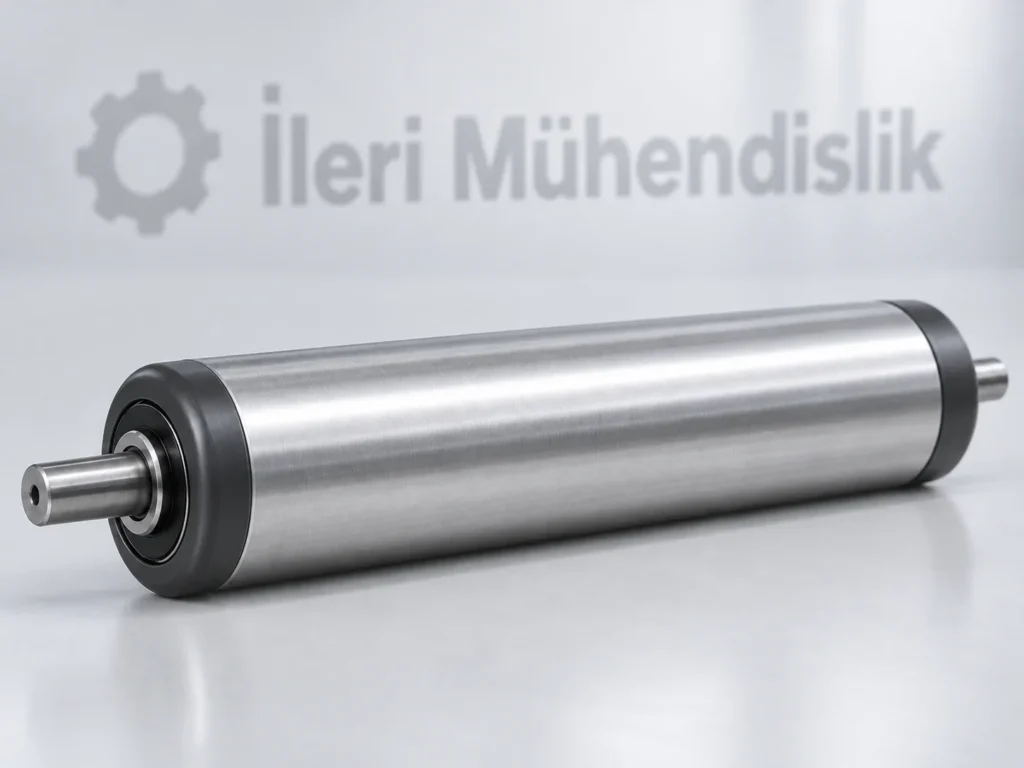
Aluminium Conveyor Rulosu Visual Gallery
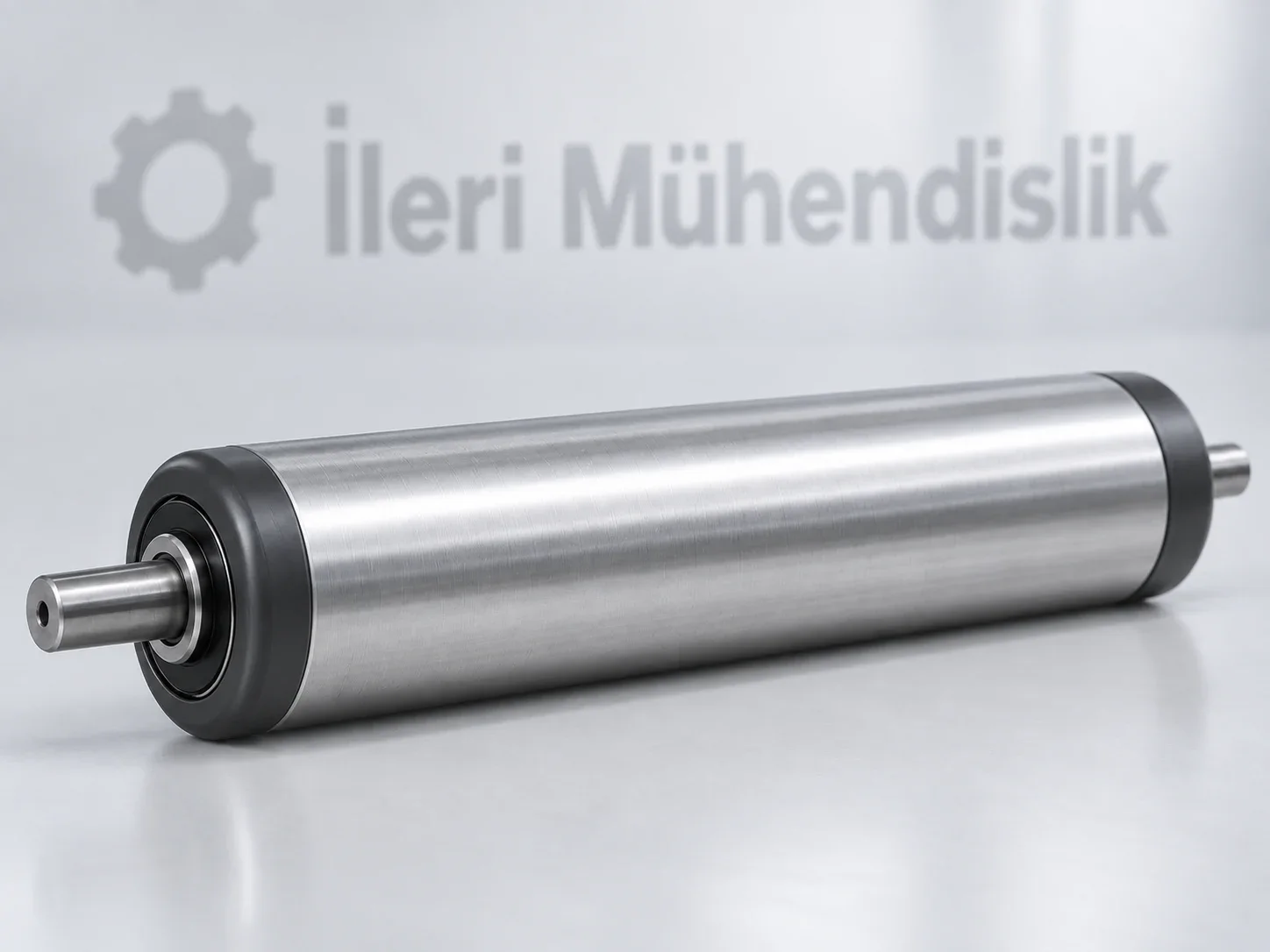
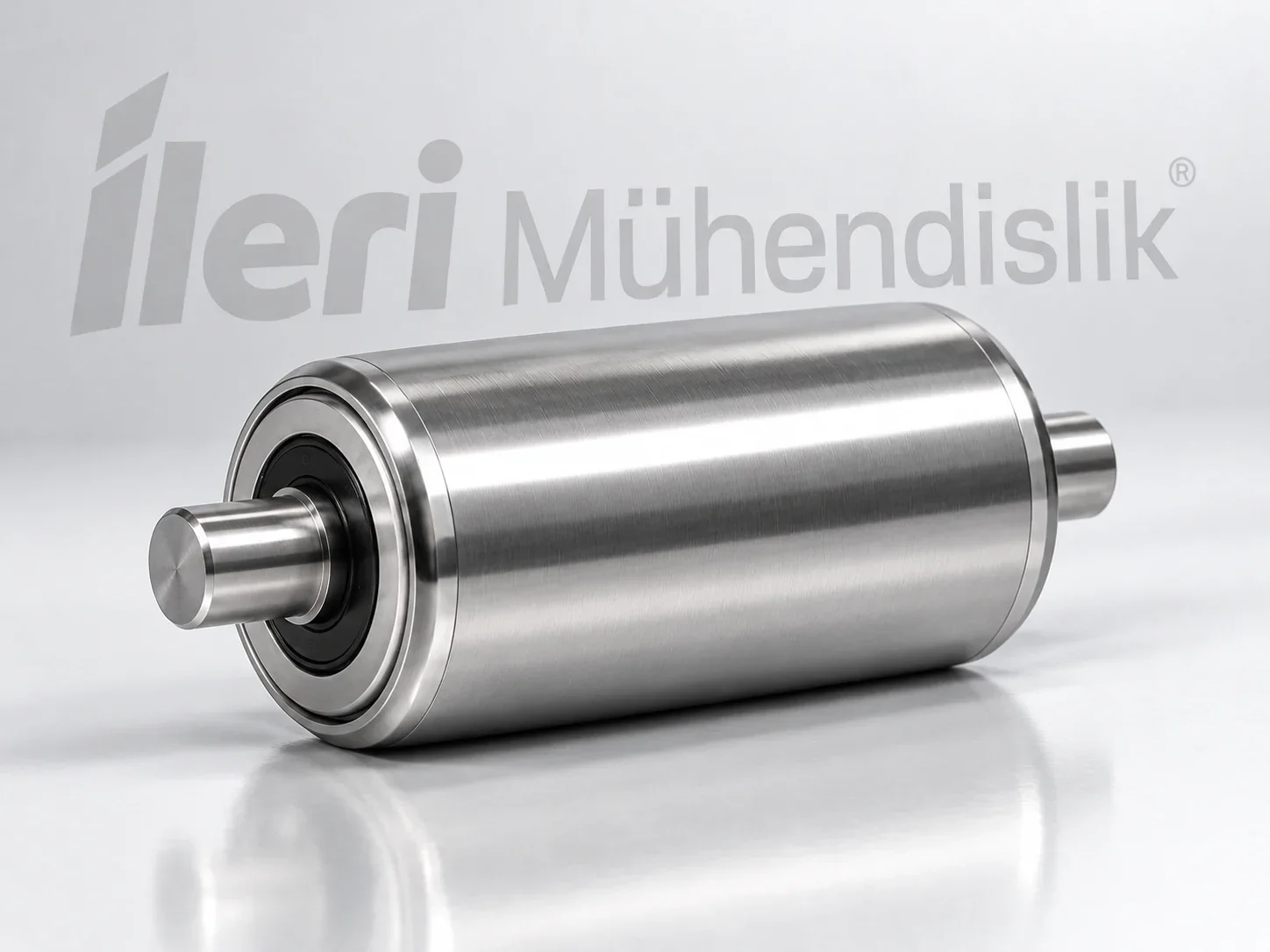
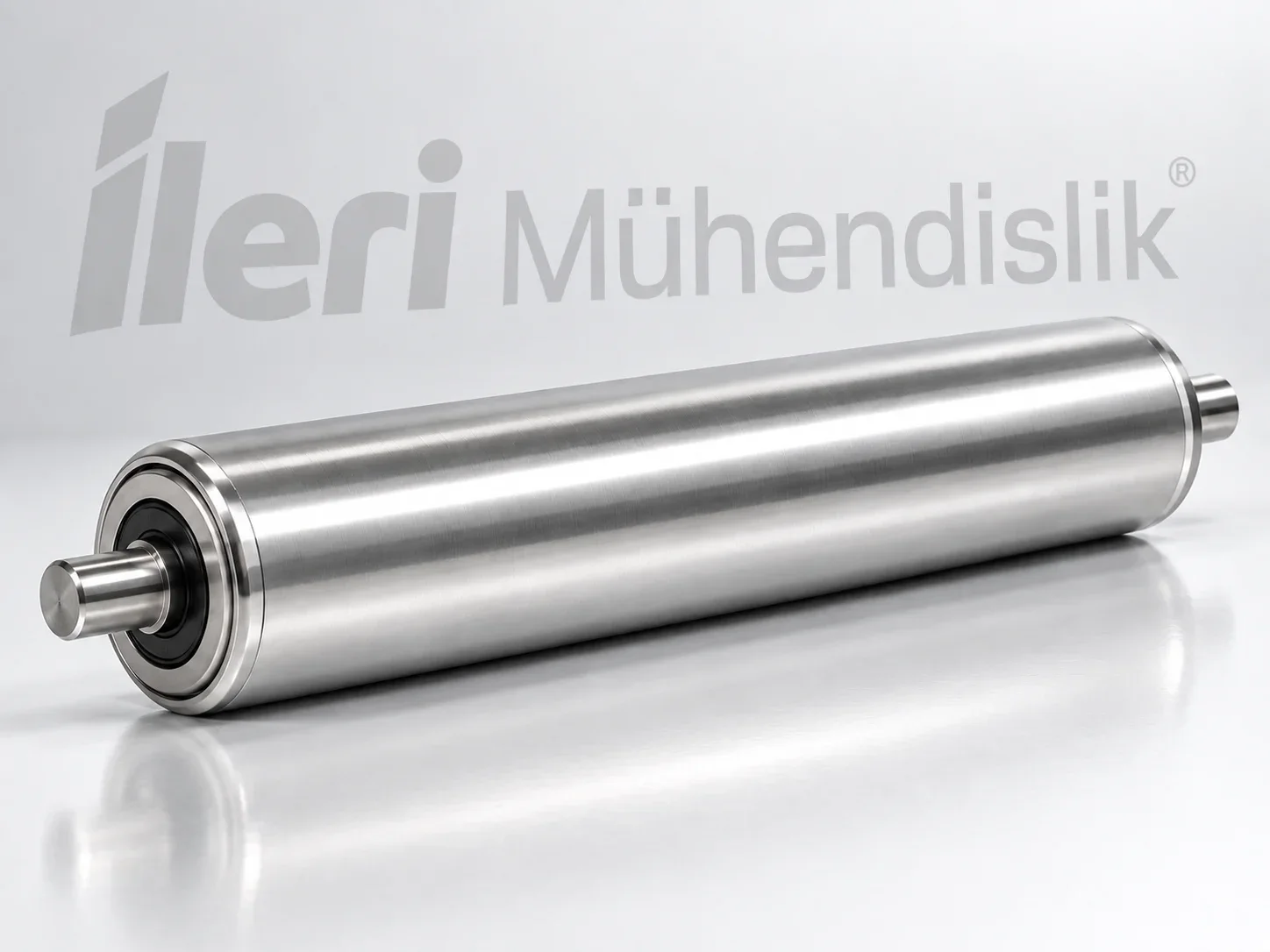
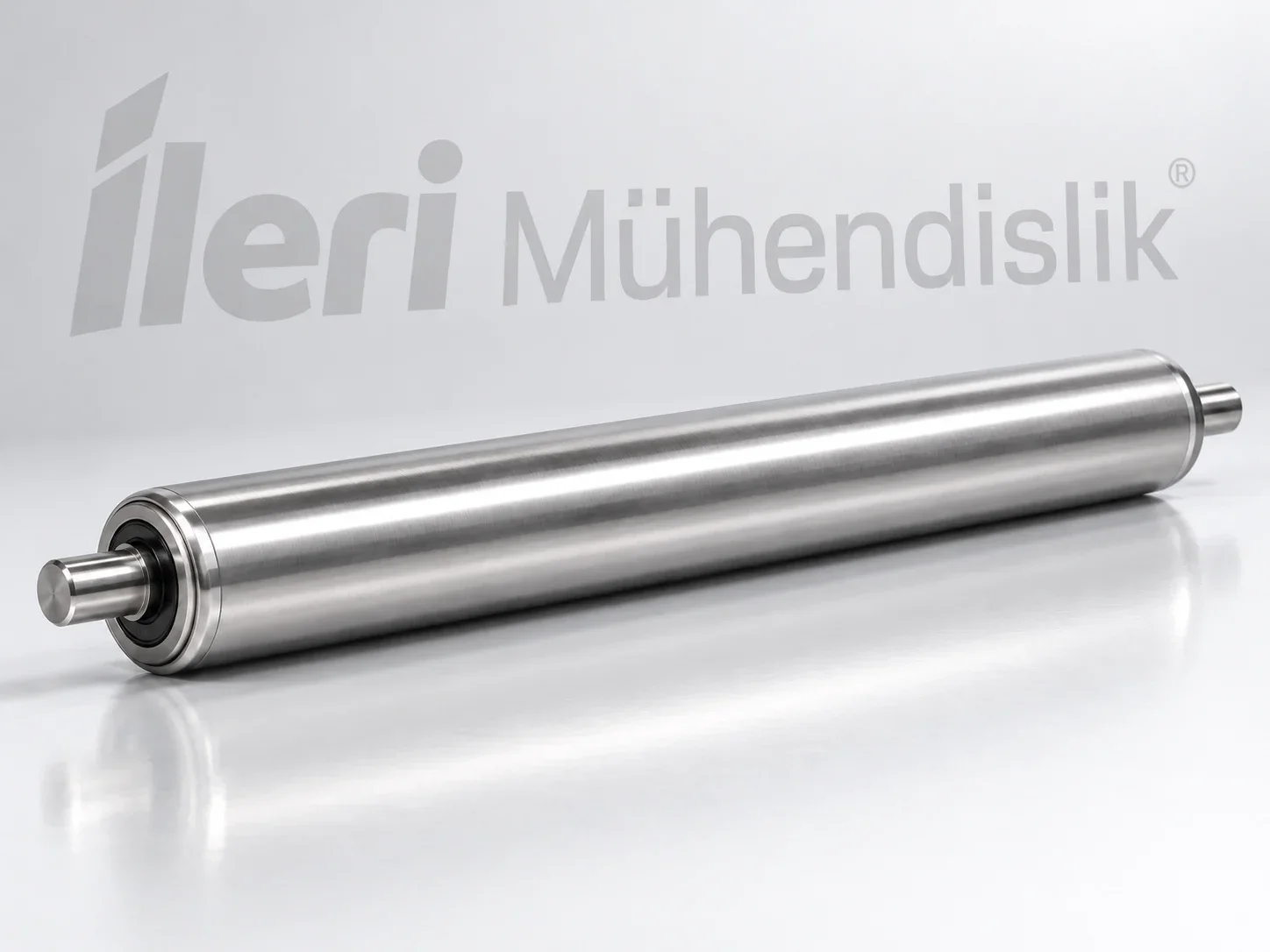
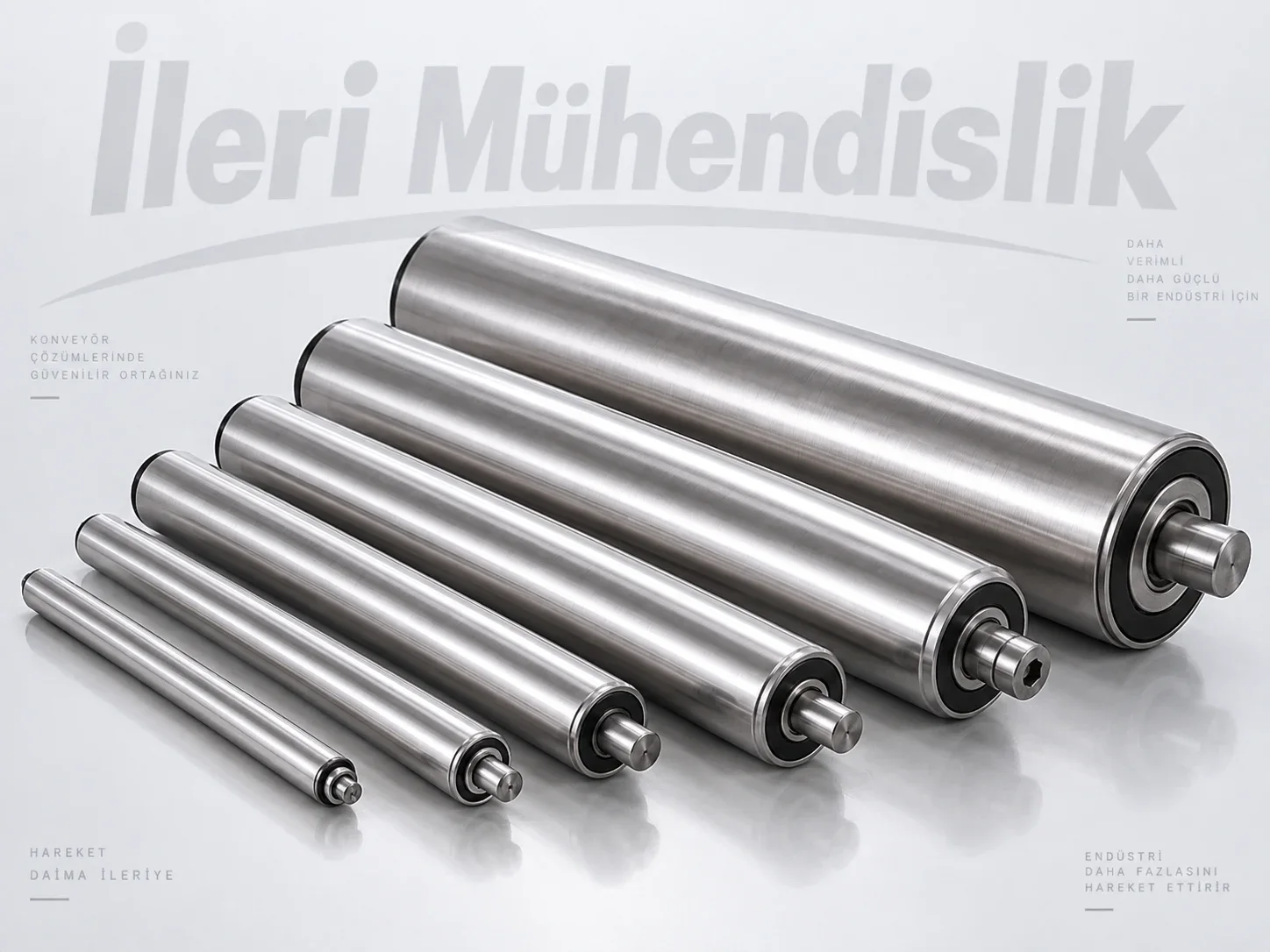
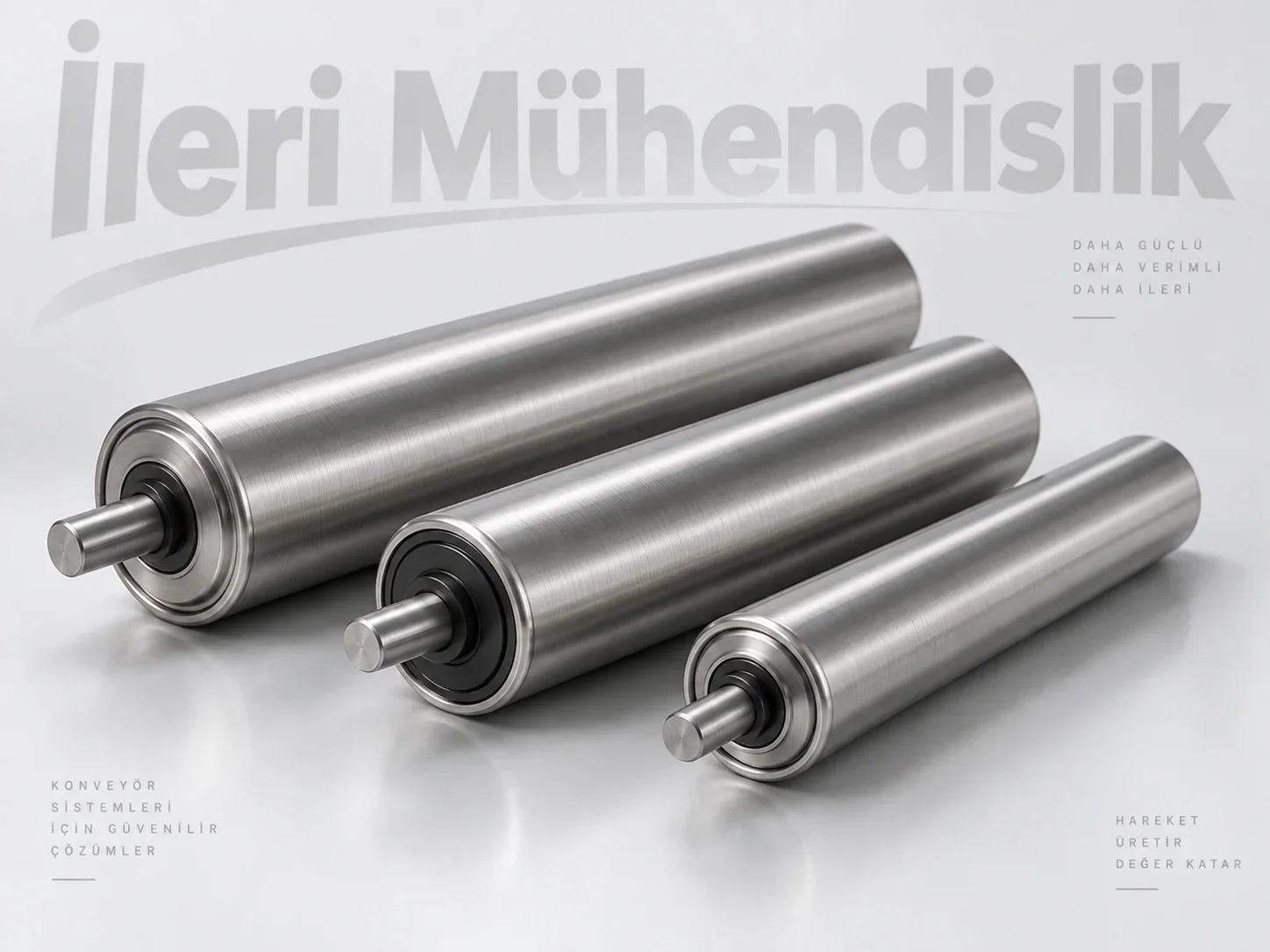
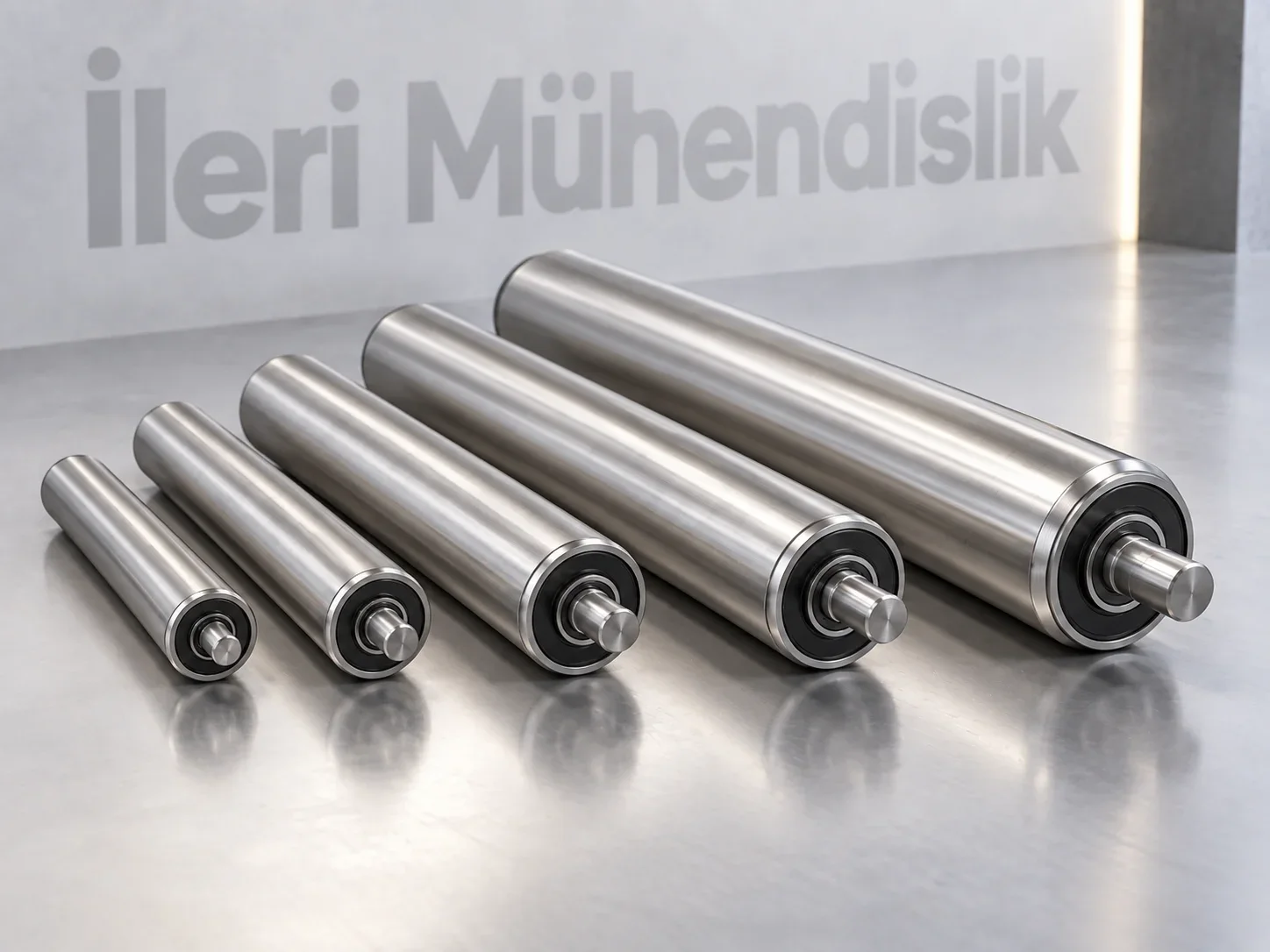
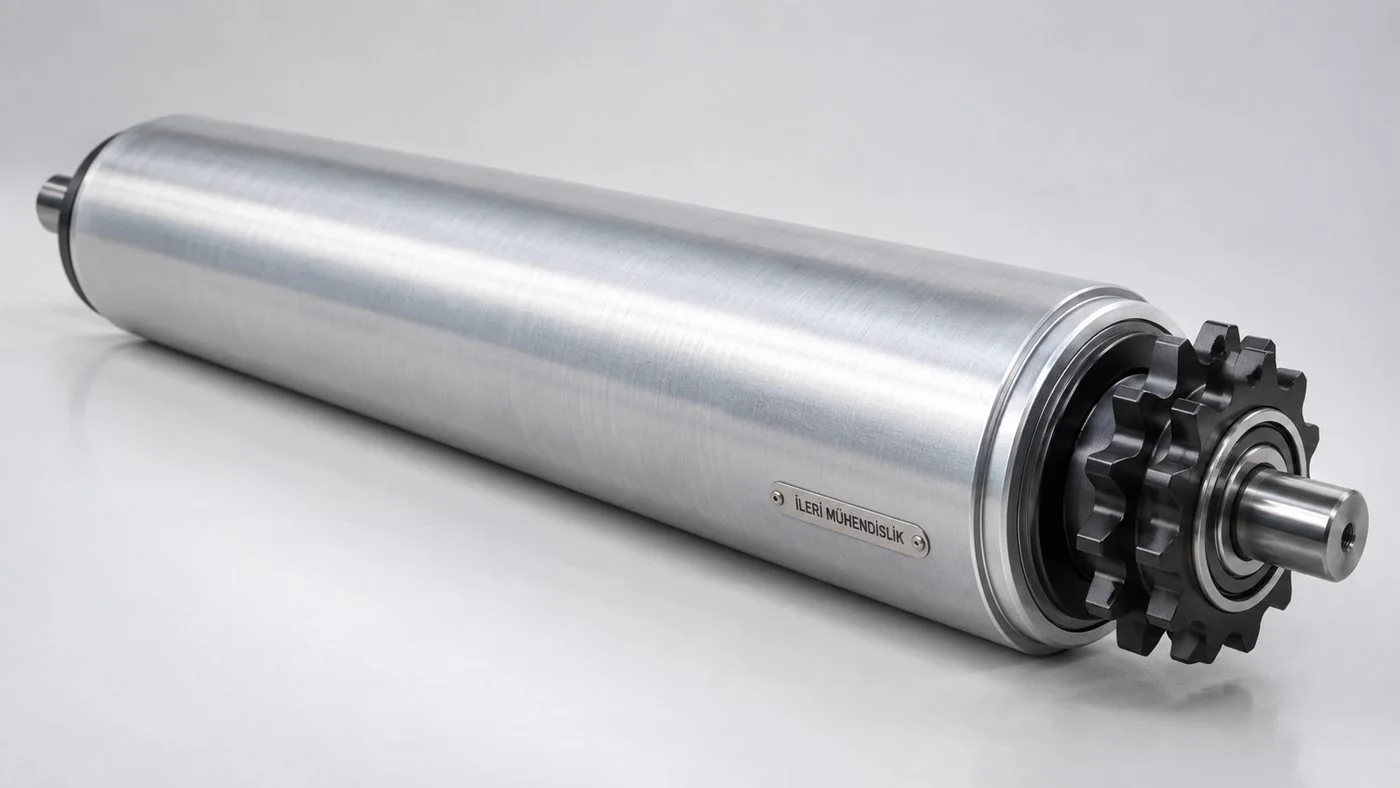
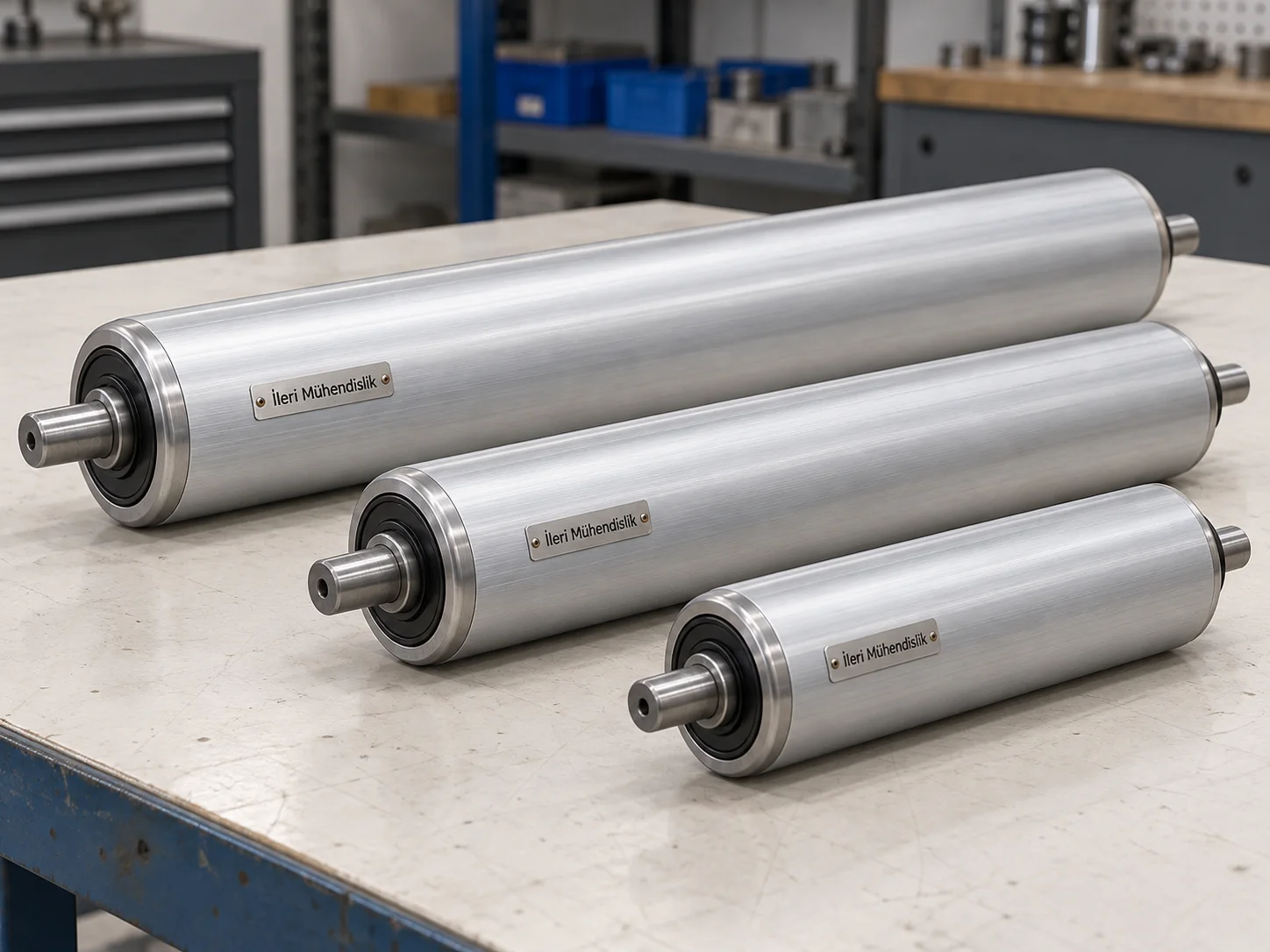
Aluminium Conveyor Roll — Aluminium body requires the reversal mass of the roll and its connection to the existing shade to be evaluated together. This page addresses the aluminum roll body, miles and bed options in terms of the need for new lines or spare parts.
Aluminium Conveyor Rolls It is the preferred variety of carrier rolls in light and medium load transport systems thanks to its low weight, corrosion resistance and easy-to-rotating structure. It can be used in carrier applications, especially where the reduction of the total system weight, low rotation mass and clean appearance are important.
What is the Aluminium Conveyor Roll?
The aluminum carrier roll is a special type of roll where the roll body is made from aluminum pipe. In the roll can be used by miles of steel, stainless or different materials according to application. The roll and cover structure are also selected according to the weight of the product to be moved and the working environment.
The low density of aluminium compared to steel makes the roll body of the same sizes lighter. This feature can provide a advantage especially in mobile, modular and low-weight carrier systems.
Where is the aluminum carrier roll used?
Aluminium rolls can be used in many applications where weight and low rotation resistance are important.
- Light and box transport lines
- Aluminium rolled carrier
- The assembly lines
- Packaging Systems
- Electronic product transportation
- Plastic Part Transfer Systems
- Car and wheeled carriers
- Automatic Applications
- Special machines that need a low system weight
The weight advantage of the aluminium roll
One of the most important advantages of aluminium is low intensity, so aluminum body conveyor roles can be produced at lower weight than steel roles.
Reducing the rotary mass of the roll can help the roll move easier, especially in light products. Low start resistance in the avare carriers can make the products more comfortable.
How to choose the aluminum roll?
When determining the diameter of the aluminum roll, the product weight, the roll work width, the tube-meat thickness and the roll range should be assessed together.
Because the mechanical characteristics of aluminium are different from steel, the aluminum and steel pipes in the same diameter and mass thickness may not show the same behavior under the same load. Therefore, the wheat control should be carried out especially in wheat and heavy load rolls.
for technical information How to determine the roll? You can check our page.
Aluminium Ruloda Pipe Meat Thickness
The tube fat thickness is one of the important parameters affecting the load transport capacity of the aluminium roll. Thin meat pipe can produce tube deformation or deformation in higher loads while providing advantage in light products.
Therefore, along with the outer diameter of the roll, the thickness of the pipes must also be determined by the product load.
Aluminium Avare Conveyor Roll
Idler Conveyor Roller The use of aluminum body in its applications can provide the low-rotating mass and light structure advantage.
In the systems where light collar, plastic pieces and boxes are moved by hand or landing, aluminum avar rolls can be preferred.
Aluminium Conveyor Rules
When the appropriate mechanical design is made, the aluminum roll bodies can also be used in driven systems. Poly-V shell, O-ring channel or different driven elements specified for the project can be applied.
In the rotating applications, the suitability to the rotor transfer of the roll body and the mechanical resistance of the connective areas should also be checked.
Aluminium Poly-V Conveyor Roll
Light and medium loads are silently moved with aluminum body in systems Poly-V Conveyor Roller The structure can be used together.
This combination can combine the advantages of quiet wire transfer with low roll weight.
Aluminium O-Ring Channel Conveyor Roll
Aluminium body in light product transport systems O-Ring Grooved Conveyor Roller The flexible tracks provide the movement transfer from the roll to the roll.
The choice of the aluminum roll
The mile material and diameter roll width should be determined according to the load and assembly structure to be moved. The use of the aluminium roll body does not mean that the mile also must necessarily be aluminium.
In many applications, steel or stainless miles for mechanical resistance can be preferred. You can check our page of the mile selection of the carrier roll for detailed information about the mile selection.
The National Aluminium Conveyor Roll
The roulette is easily disinstalled and installed. Spring-Loaded Shaft Conveyor Roller The structure can be used.
This structure can facilitate maintenance and roll exchange processes and can provide advantage especially in modular carriers systems.
The choice of the aluminium roll
The product weight of the roll type should be determined according to the roll turn, daily working time and environmental conditions. The use of light roll body does not eliminate the importance of the roll capacity.
You can check our page of the rally rally selection for the rally load capacity and protection structure.
Plastic cover of aluminum roll
Plastic rolling cover can be used in light and medium load applications. Plastic cover allows the rolling weight to be further reduced and a cost-effective production structure can be created.
The cover material must be selected according to the load, temperature and environmental conditions.
Metal roulette metal cover
Metal cover can be used in systems that require higher mechanical resistance. Metal cover can increase the rotating of the rolling bed but can also increase the total roll weight.
Aluminium Rulo Surface Specifications
The aluminum roll surface can be prepared by natural, eloxal or different surface processes according to application. The eloxal process can help increase surface hardness and corrosion resistance.
Surface quality and risk of drawing in systems directly contacted with the product should be assessed.
Difference Between Aluminium and Galvanized Conveyor Roll
Galvaniz Conveyor Rules Steel body can provide a higher mechanical resistance advantage, while aluminum roll is advantageous in terms of lower weight and lower rotation mass.
In light products, aluminum, general industrial and higher loads galvanized steel rolls may be more suitable. The final choice should be made according to the application.
Difference Between Aluminium and Stainless Conveyor Roll
The untouched carrier roll It is preferred especially in the environments that need high hygiene and corrosion resistance, while aluminum provides advantage in applications where low weight is important.
If there is a chemical environment or constant washing, the conformity of the aluminum alloy to be used to work conditions should also be assessed.
Difference Between Aluminium Role and PVC Role
The aluminum roll can provide higher mechanical resistance and temperature resistance than the PVC roll, while the PVC roll can provide a low cost and low weight advantage in very light products.
The weight of the product to be transported, the temperature of the environment and the surface expectation should be taken into account in the choice.
The Aluminium Ruloda Rule
The roll range should be determined by the base size of the product to be moved. Small products should not remain between the rolls and the load should be dispersed into a sufficient number of rolls.
How to calculate the roll range for detailed information? you can check our page.
The advantages of the aluminium carrier roll
- Low roll weight
- Low turning mass
- Compatibility with lightweight transportation systems
- Natural resistance to corrosion
- Can be produced in different diameter and lengths
- Not used in the appliances and the appliances.
- Fixed or fixed mile
- Compatible with aluminum shell carriers
How to measure the aluminum carrier roll?
For roll manufacturing, the outer diameter, the roll work width, the tube meat thickness, the total mile length, the mile diameter and the roll type should be indicated.
The rolls should also be given information about the Poly-V shell, the O-ring channel or other driving elements. The photo and technical measurements of the current roll make the proper production easier.
The price of the aluminium carrier
The prices of the aluminum carrier roll varies according to the outer diameter, the work width, the tube meat thickness, the aluminum alloy to be used, the mile, the roll, the cover structure and the production unit.
Eloxal surface, special drivers or special-measured production may affect the total cost.
Special Aluminium Conveyor Rolls for the Project
As an advanced engineering, we can produce aluminium conveyor roles according to the project dimensions with different diameter, work width, miles and rolling options. Avare, Poly-V shell, O-ring channel and custom design aluminum roll options can be prepared according to application.
The diameter of the roll, the work width, the mile diameter, the weight of the product to be moved and the required unit Get a quick offer You can send it through the form.
Aluminium rolled carrier systems
If you need a complete system Aluminium rolled carrier You can look at the six, roll and drive options on our page.
Other types of carrier roles
for different materials options The Conveyor Rules From our section you can explore galvanized, stainless, PVC, rubber-covered, polyurethane-covered and other special production roles.
Interested products and application links
- All types of carrier roles
- Aluminium Conveyor Rules
- The untouched carrier rolls
- Galvaniz Conveyor Rules
- Plastic carrier rolls
- Share your roll sizes and ask for an offer
Technical information on other sites
You can also read the descriptions on our other Advanced Engineering sites for the same product group. We can clarify the technical scope of your measurement-specific product together through your existing parts and working conditions.