
PU covered carrier roll
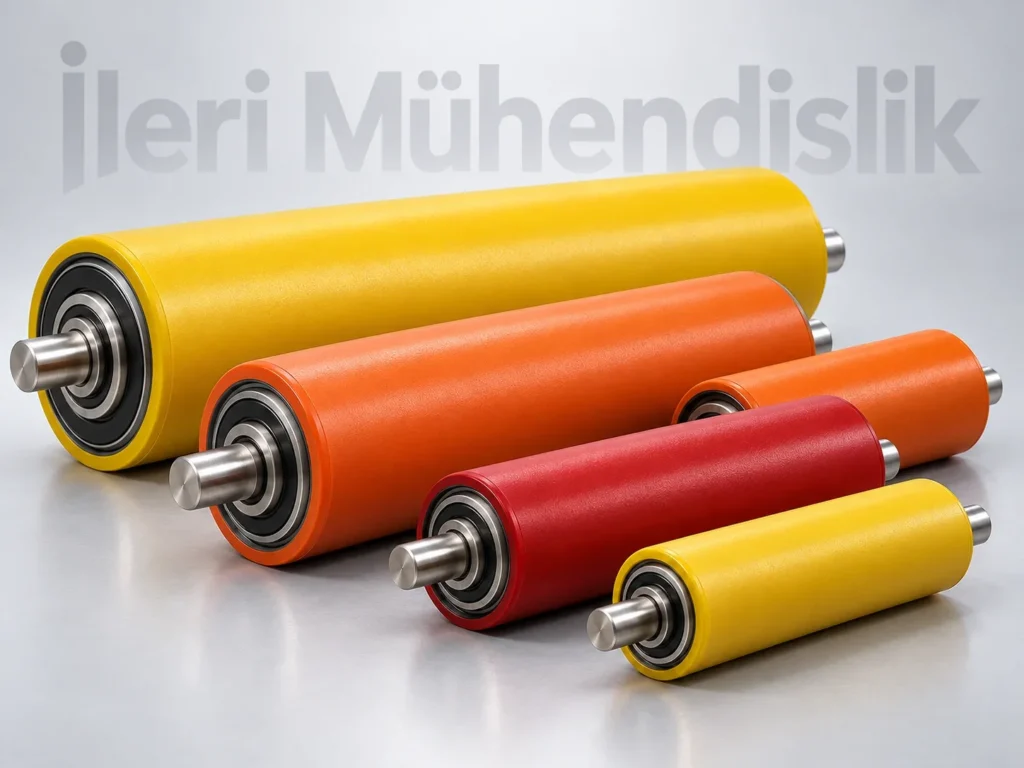
PU Covered Conveyor Rulosu Visual Gallery
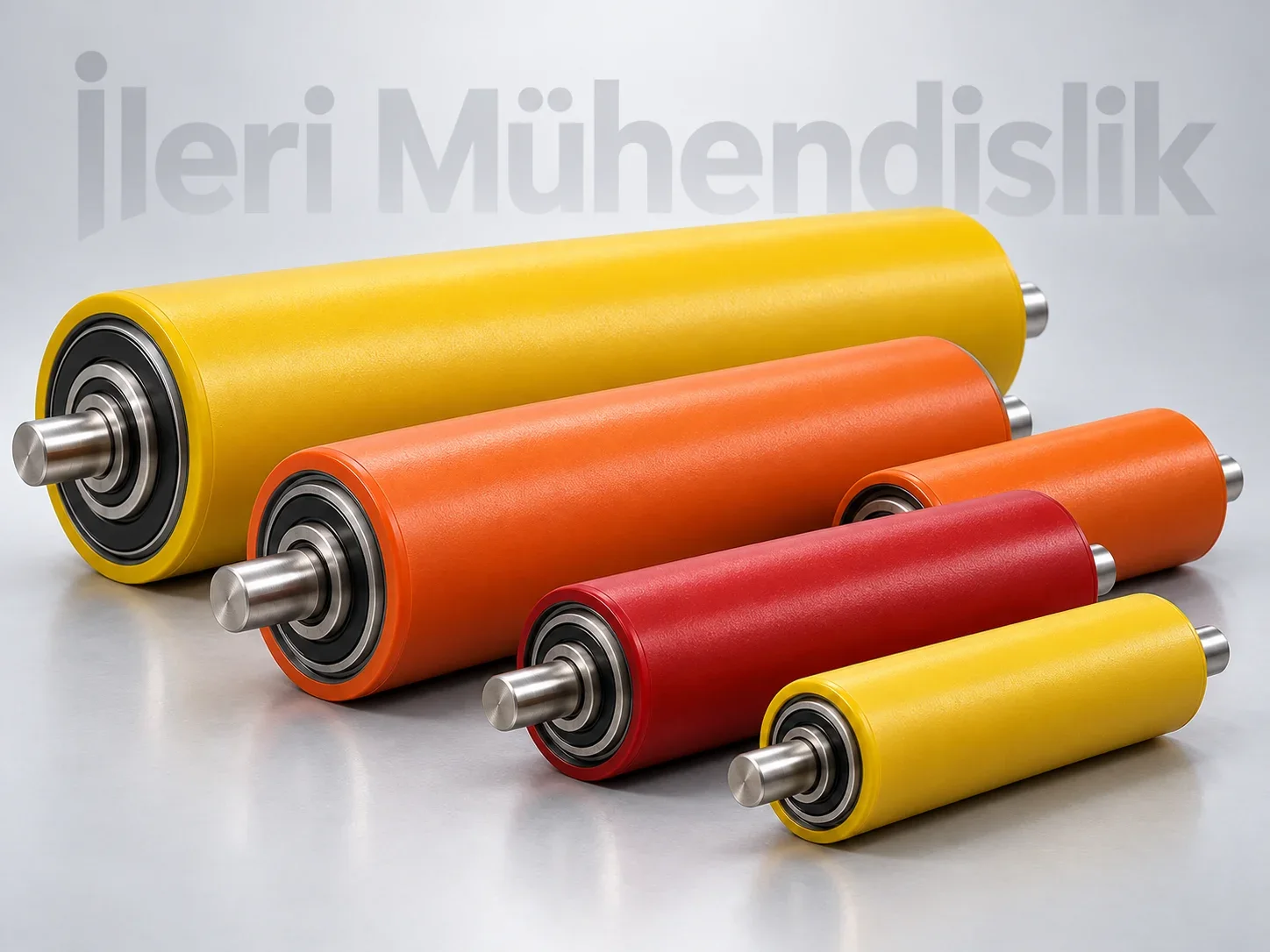
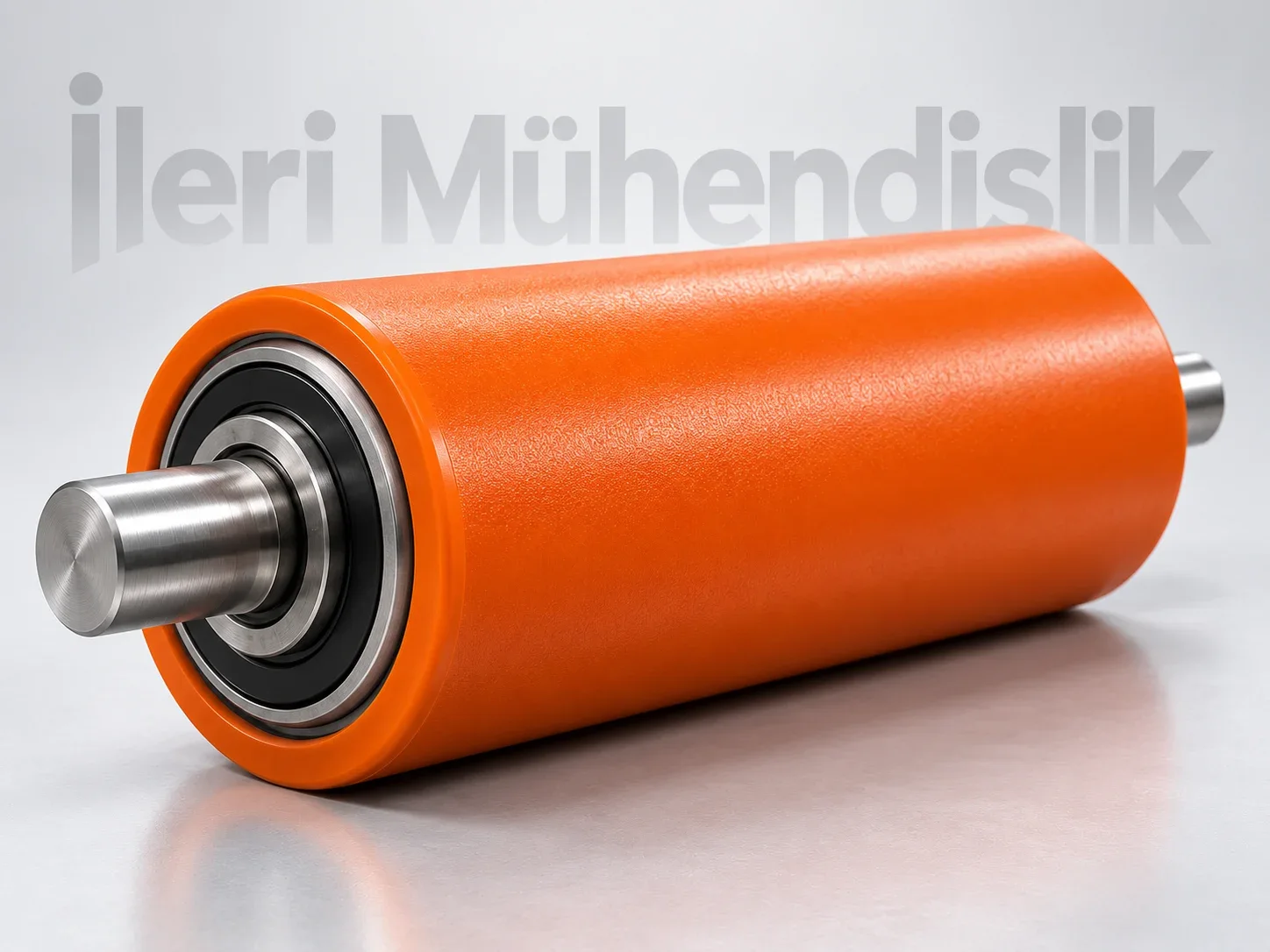
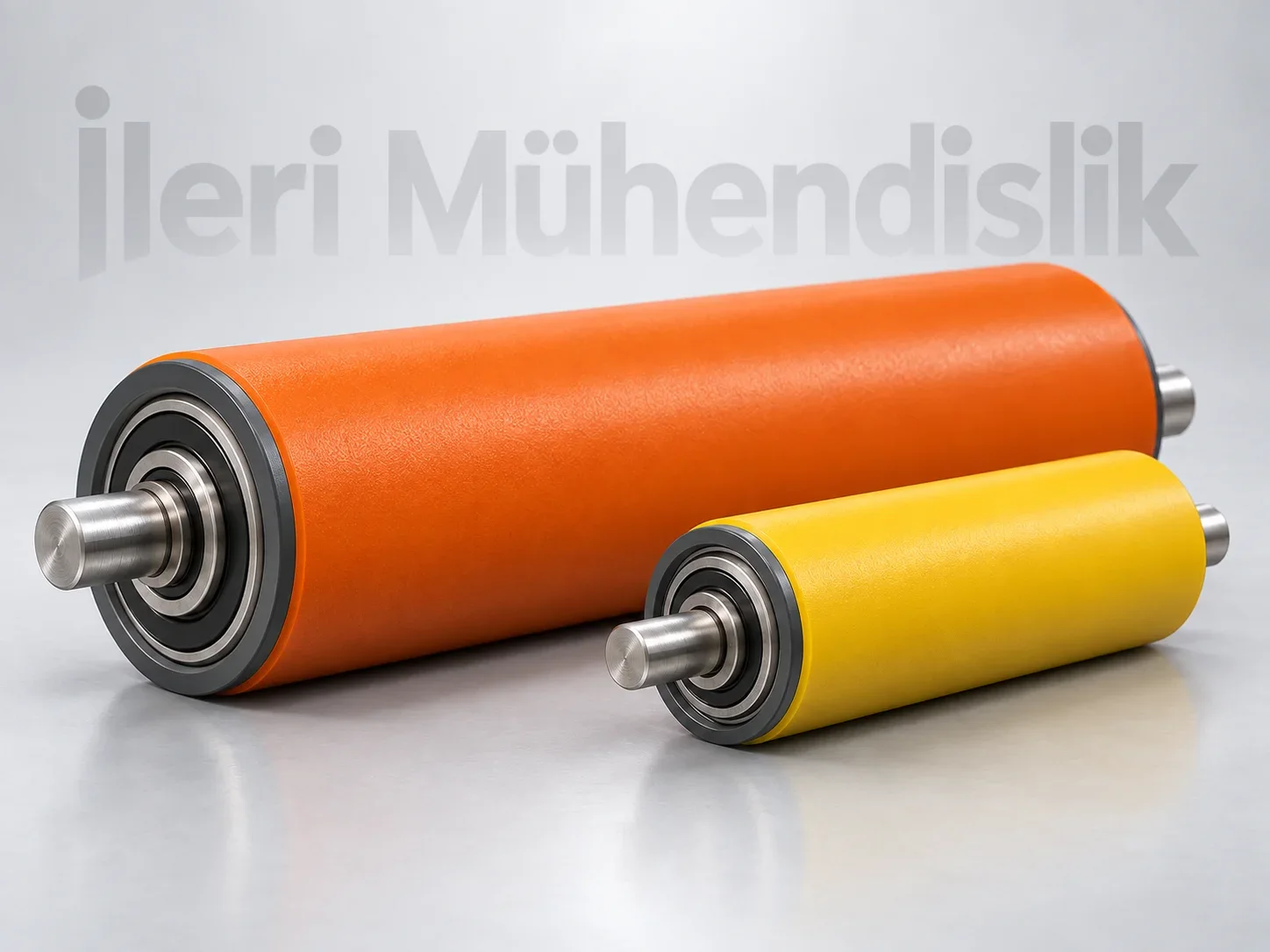
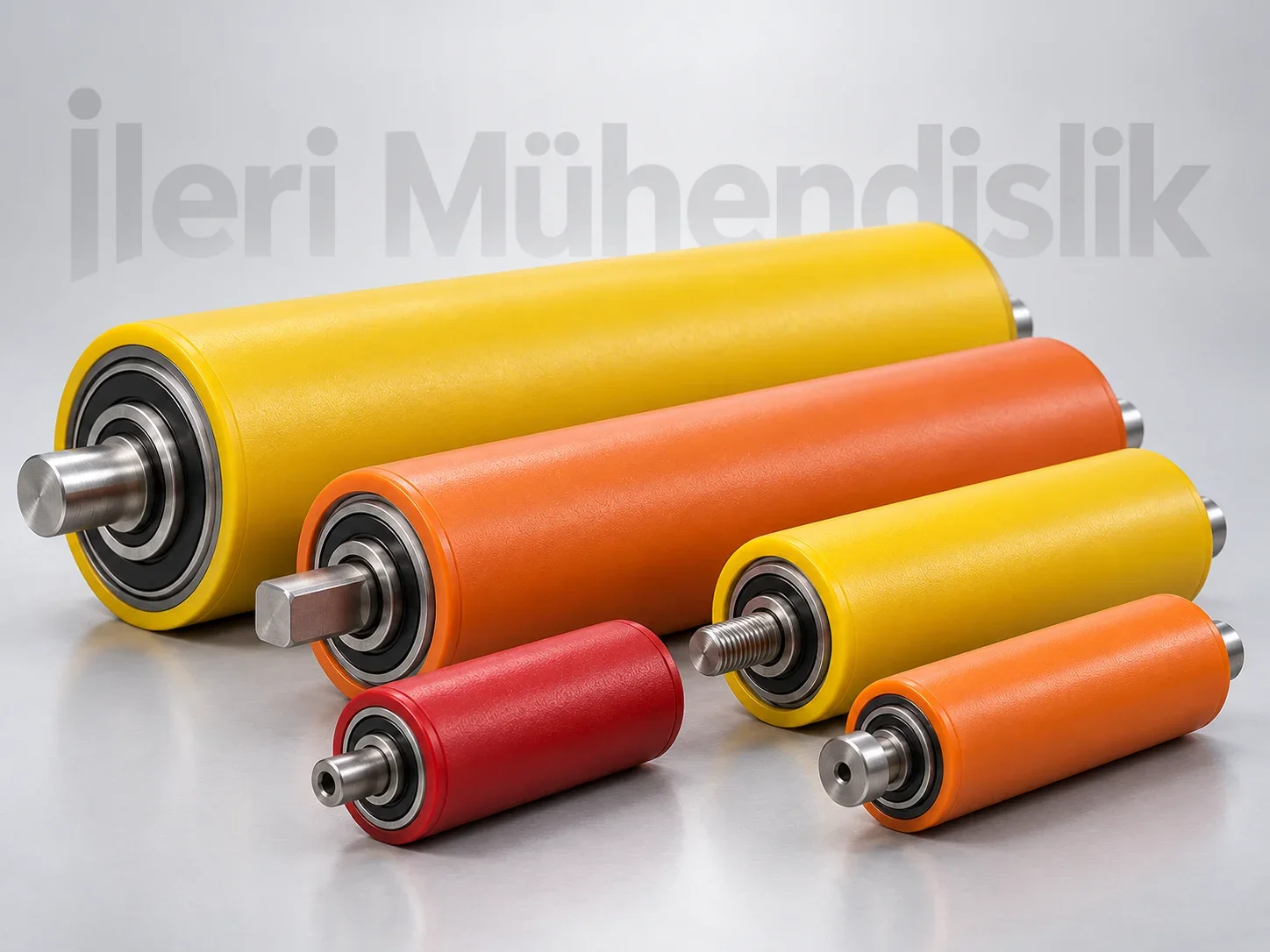
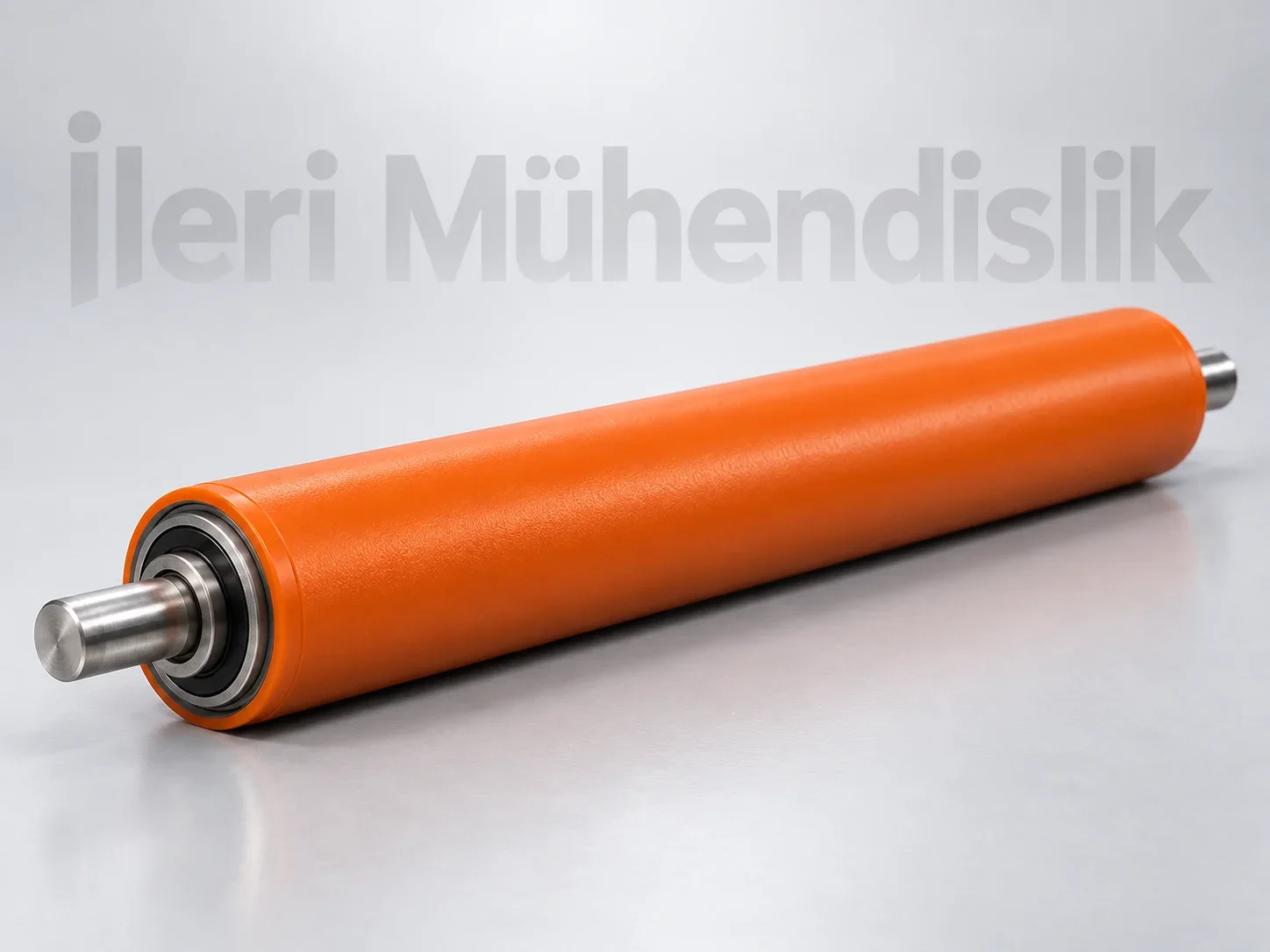
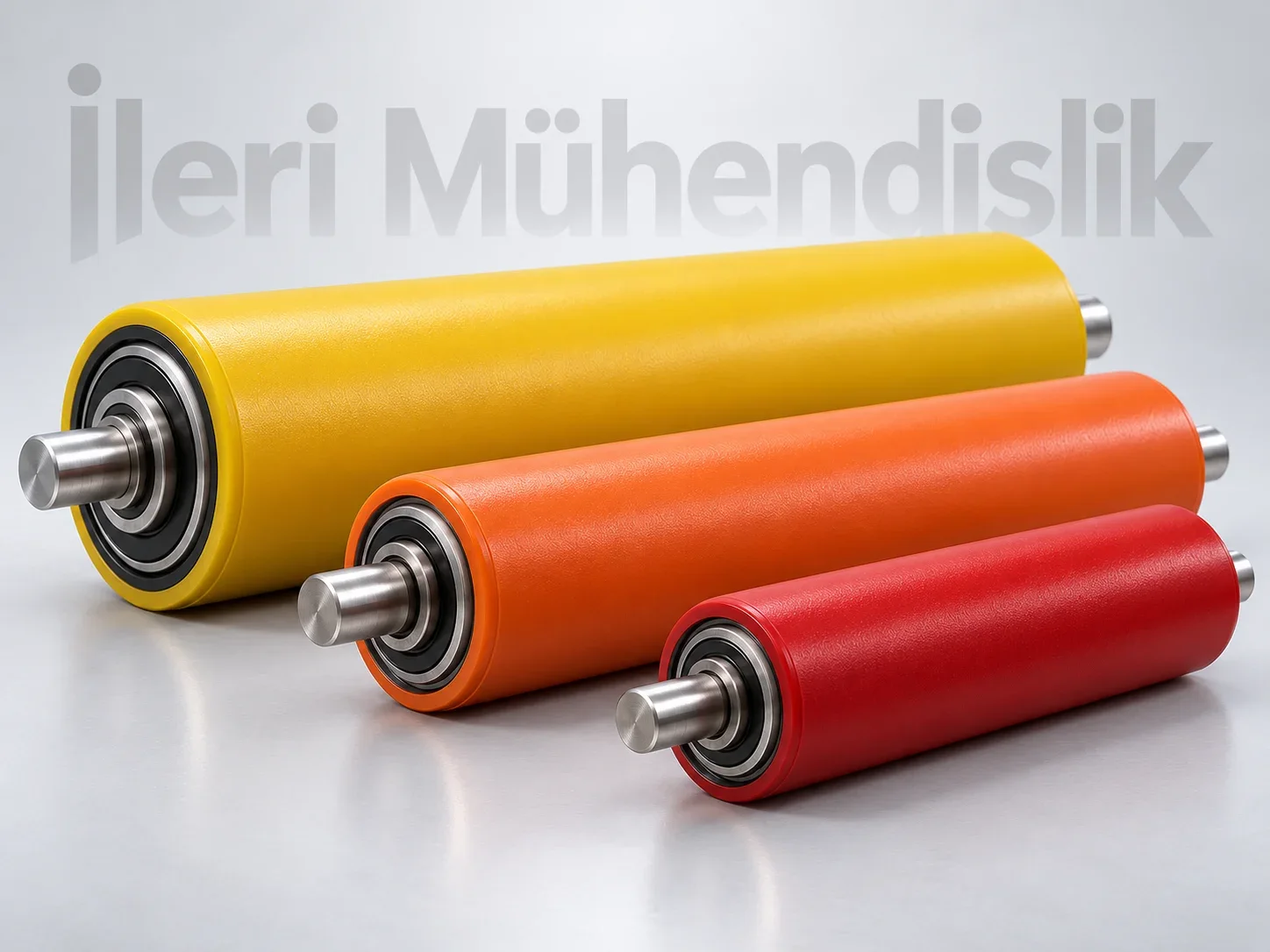
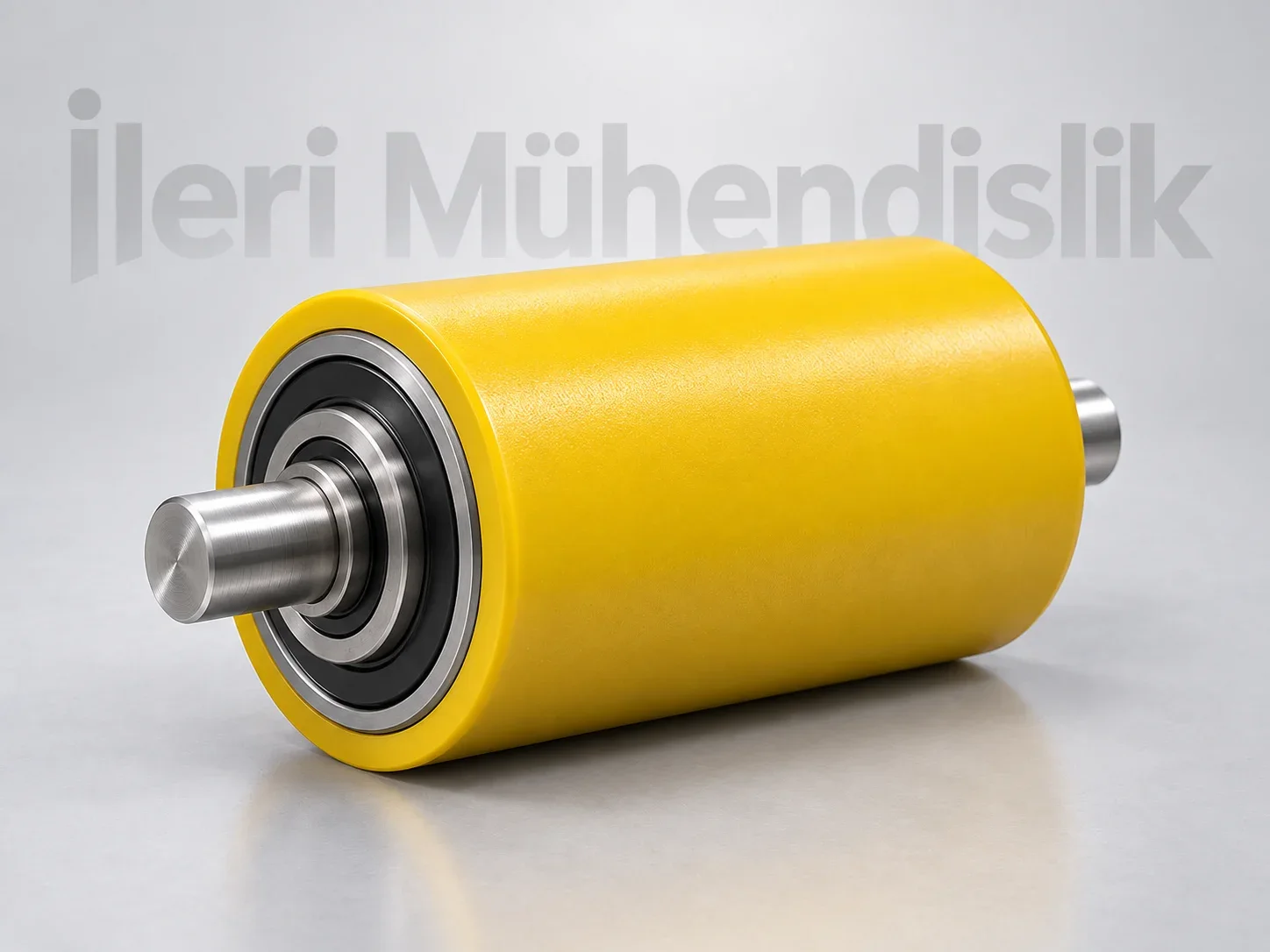
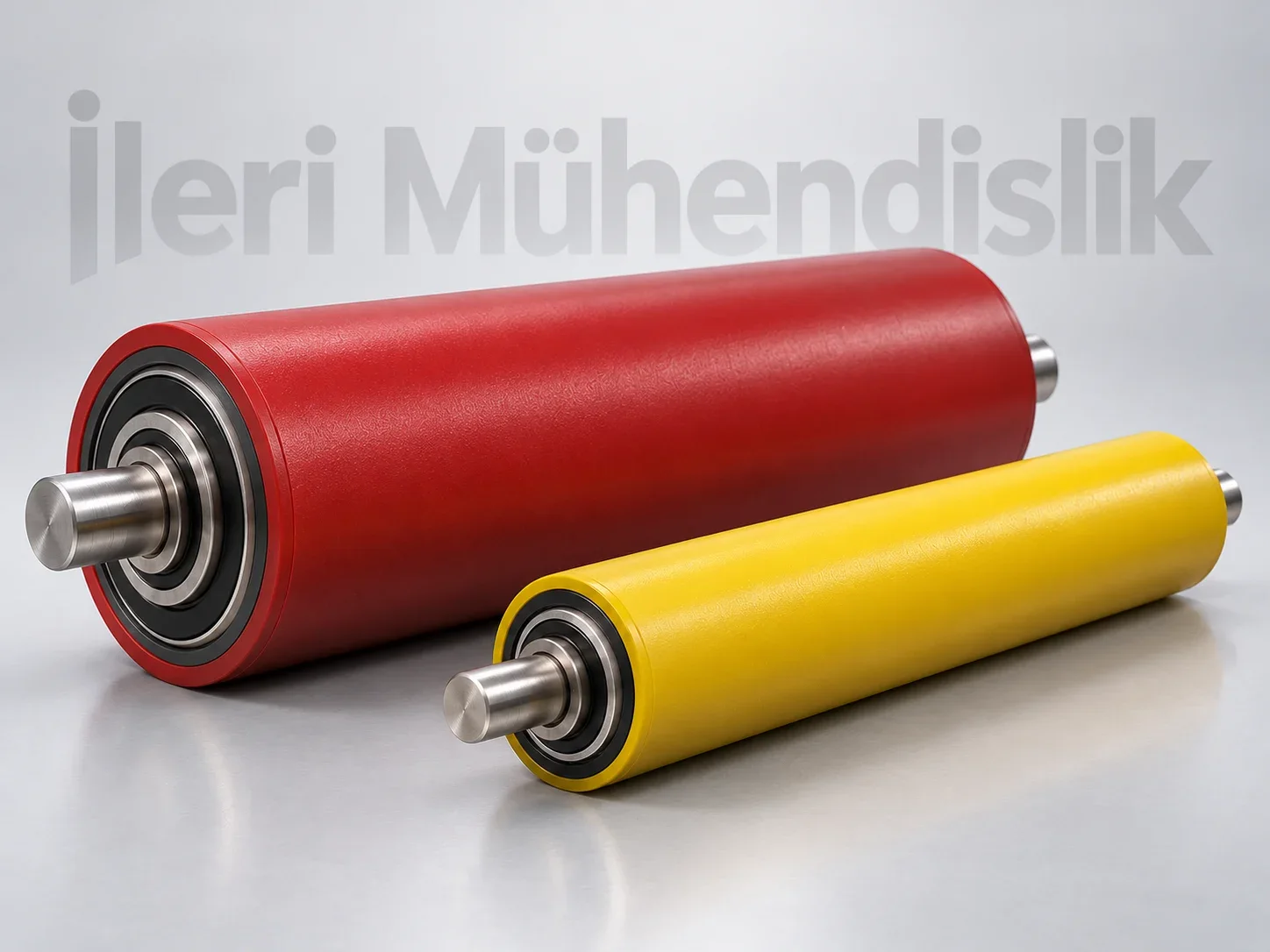
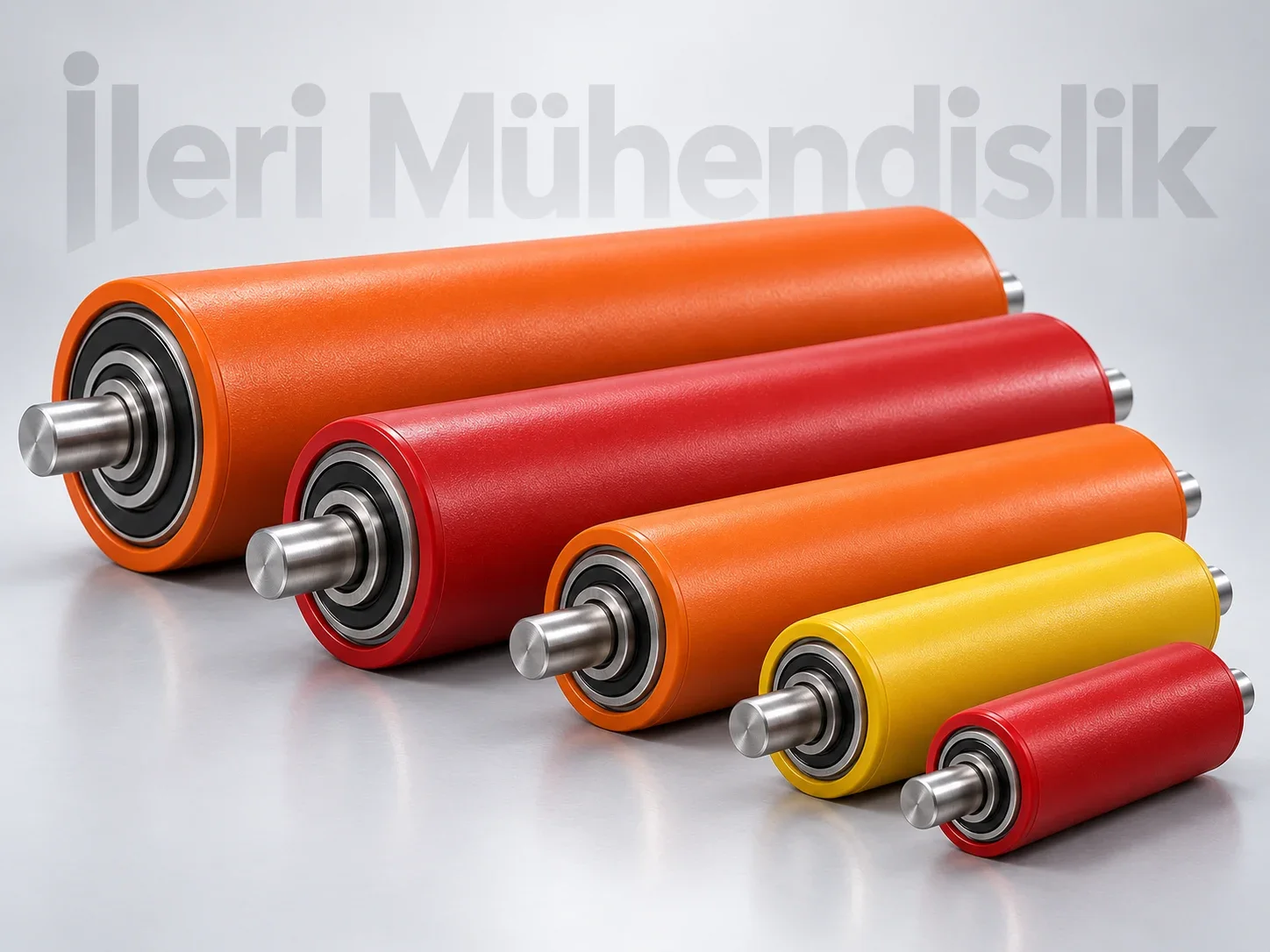
PU Covered Conveyor Roll — Polyurethane contact surface, the stretching and the preservation of the product surface are assessed together when required. The finished outer diameter, the deck thickness and hardness options should be specified in addition to the body and bed information.
Polyurethane covered carrier roll It is a special type of roll used in the carrier systems that need high stretching resistance, surface protection and controlled drainage. Polyurethane coating, which can be applied on steel, galvanized, stainless or different roll bodies, can help preserve the product surface, reduce sliding and increase the roll life.
What is the polyurethane-covered carrier roll?
Polyurethane-covered rolls are produced by covering the outer surface of the metal or other suitable roll body with a polyurethane elastomer. Polyurethane material allows for the creation of both flexible and resistant surfaces as it can be produced in different hardnesses.
The thickness, hardness and formula of the cover must be determined according to the weight of the product to be moved, the work rate, the environmental temperature and the chemical conditions.
Where is the polyurethane-covered carrier roll used?
Polyurethane-covered rolls are preferred especially in industrial applications where the protection of the product surface and long coverage life are important.
- Metal parts transportation lines
- Transfer of superficial products
- Glass and similar surface sensitivity
- Automotive parts
- Plastic and Composite Parts
- Machinery and Automation Systems
- The high and high of the strike.
- The shipping controls that need
- Special production rolled carrier systems
What is the advantage of polyurethane covering?
Polyurethane is an elastomer material that can provide high stretching resistance compared to rubber and many plastic materials, so the roll surface can offer a long-term advantage in applications where it is constantly in contact with the product and is widely used.
It is also possible to obtain a soft or harder surface than the application thanks to different hardness options.
How to determine the polyurethane cover thickness?
The coating thickness should be determined according to the purpose of use. While a thin coating may be enough for surface protection, a thinner coating may be required in systems with high impact or stretching.
As the coating thickness increases, the final outer diameter of the roll also grows. Therefore, if a new polyurethane coating roll is produced in an existing carrier system instead of the old roll, the outer diameter after coating must be considered.
Why is polyurethane hardness important?
Polyurethane coating can be produced in different hardness values. More soft polyurethane can make more adjustment to the product surface and increase holding. More hard polyurethane can provide advantage in terms of stretching and shape protection.
The correct hardness value should be determined by the product weight, contact pressure, speed and working temperature.
Polyurethane covered avare carrier roll
Idler Conveyor Roller By applying polyurethane coating on it, sensitive products can be transported more controlled.
This structure can be preferred especially in applications where the product is not desired to directly contact the metal roll surface.
Polyurethane Covered Chain Dental Conveyor Roll
Motor and heavy cargo transportation systems Sprocket Conveyor Roller Polyurethane can be produced.
While chain drive provides high turn transfer, polyurethane surface product and roll can make the contact more controlled.
Polyurethane covered poly-V row
In systems where cells, boxes or sensitive products are moving quietly Poly-V Conveyor Roller Polyurethane can be applied.
This allows for a quiet shift transfer and a durable surface cover.
Polyurethane covered conveyor roll
Tapered Conveyor Roller By applying polyurethane coating on the turnover carriers, the product's switches can be reduced and the surface protection can be increased.
The ratio between the small and the large diameter should be kept while covering the coon roll and the coating thickness should be applied according to geometry.
Polyurethane covered roll body
In standard industrial applications, steel or galvanized body, humid and corrosion risk environment, stainless body can be preferred.
The surface preparation is important to make the attachment between the coating and the metal surface strong.
Polyurethane-covered carrier roll
The untouched carrier roll Polyurethane coating can be combined with corrosion resistance and coating resistance by applying.
The conformity of polyurethane to the environmental conditions for chemical or hygiene applications should also be assessed.
Polyurethane-covered rolling mile selection
Covering changes the roll surface but the main elements that determine the transport capacity are the tube, mile and rolling structure. The mile diameter, roll work width and the product weight should be determined.
For detailed information, you can check our page of the rally rally selection.
Polyurethane-covered rolling selection
The type of roll should be selected according to the product load, the working cycle and the daily working time. The roll and the drive system should be evaluated together, as the high-riding coating can increase the turn transferred to the roll in the applications used.
For detailed information, you can check our page of the rally rally selection.
Difference Between Polyurethane and Gum Covered Roll
The rubber covered carrier roll While providing high elasticity and holding advantage, polyurethane coating can stand out with high stretching resistance and wide hardness options.
In applications with intense drilling and stretching, polyurethane can provide a advantage. If high flexibility and shock absorption are in front, rubber can be more suitable.
Difference Between Polyurethane and Silicone Covered Roll
Silicone-covered carrier rolls can be preferred especially in applications that require different temperature conditions and specific surface features.
Polyurethane is high in general industrial applications with high stretching resistance and mechanical resistance.
Polyurethane covered roll diameter
The final outer diameter of the roll is formed by the addition of the two-sided thickness of the cover to the metal body diameter, so if a specific finished diameter is required, the metal roll body should be prepared smaller than that.
The diameter difference in the rolls to be used in a existing system is important because the diameter difference can affect the elevation of the carrier and the movement of the product.
Polyurethane covered roll range
The roll range should be determined by the base size of the product to be moved.The roll may need to be used more frequently in small-based products.
How to calculate the roll range for detailed information? you can check our page.
The advantages of polyurethane-covered carrier roll
- High resistance
- Different hardness options
- Helping to protect the surface of the product
- Can reduce the slurry
- Helping to reduce the vibration and vibration.
- Can be used for rounds and rounds
- Applications to steel and stainless roll bodies
- Compatibility for intense industrial use
How to measure the polyurethane-covered carrier roll?
The required outer diameter, work width, coating thickness, polyurethane hardness, mile diameter, total mile length and rolling type after coating for rolling manufacturing should be indicated.
The weight of the product to be transported, surface characteristics, working temperature and environment information also facilitates the right selection of material.
Polyurethane-covered carrier rolls prices
Polyurethane-covered carrier roll prices vary according to the roll diameter, work width, cover thickness, polyurethane hardness, roll body, mil-rulman structure and production unit.
The demand for a specific chemical resistance, different color, special hardness or high cluster of stretching may affect the total cost.
Special Polyurethane Covered Conveyor Rolls Manufacturing
As advanced Engineering, we can design the product to move polyurethane-covered carriage rolls according to the size, weight, surface structure and working conditions. Roll diameter, coating thickness, hardness, miles and rolling options can be determined according to application.
Role diameter, work width, product weight, use environment and the required unit Get a quick offer You can send it through the form.
Other types of carrier roles
for different options The Conveyor Rules From our section you can explore the variety of rubber-covered, silicone-covered, galvanized, stainless, conic and other special production roles.
Interested products and application links
- All types of carrier roles
- Rubber covered roles
- Polyurethane / PU covered roles
- PVC covered rollers
- Share your roll sizes and ask for an offer
Technical information on other sites
You can also read the descriptions on our other Advanced Engineering sites for the same product group. We can clarify the technical scope of your measurement-specific product together through your existing parts and working conditions.