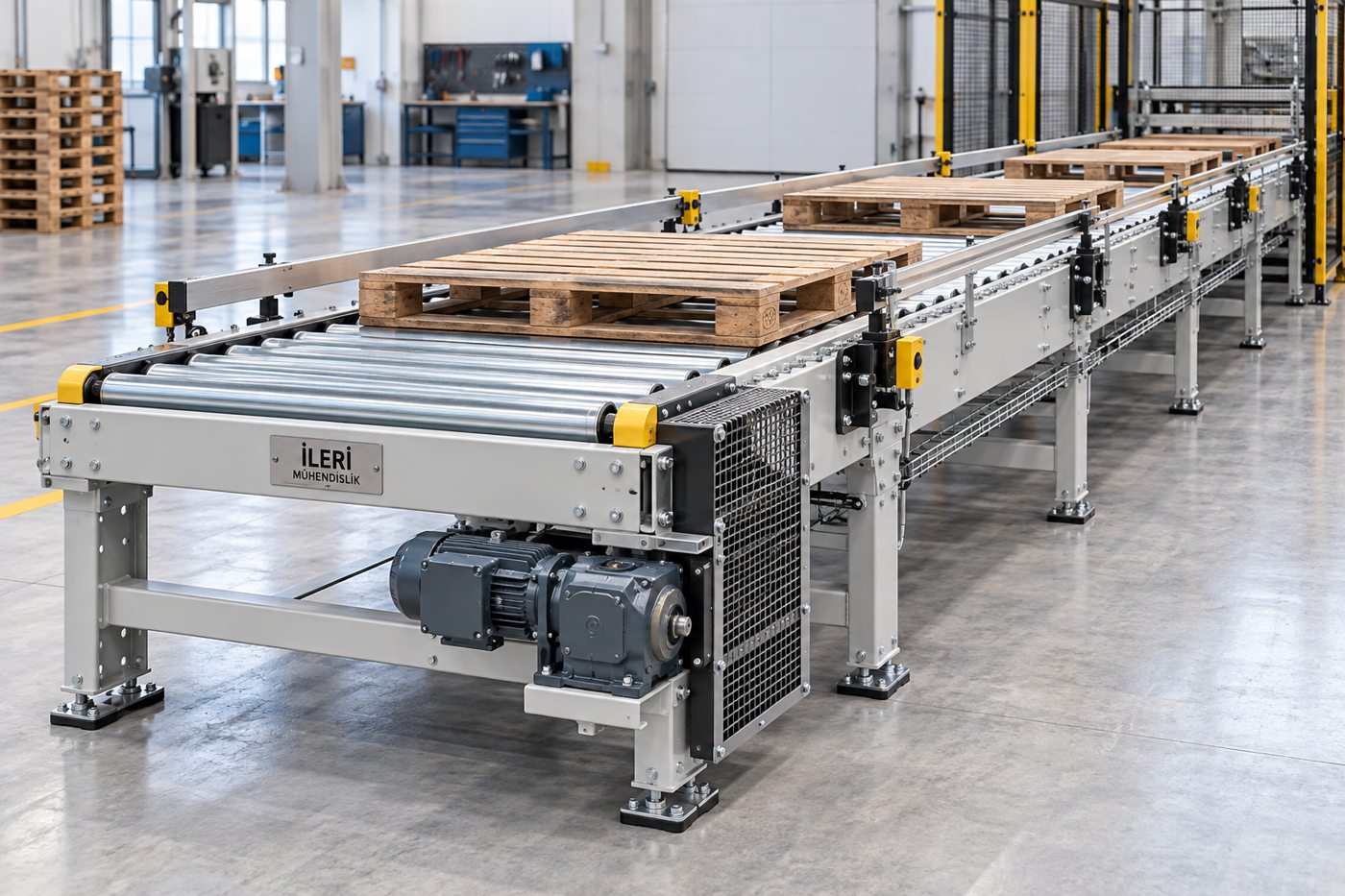
The Palette Transportation
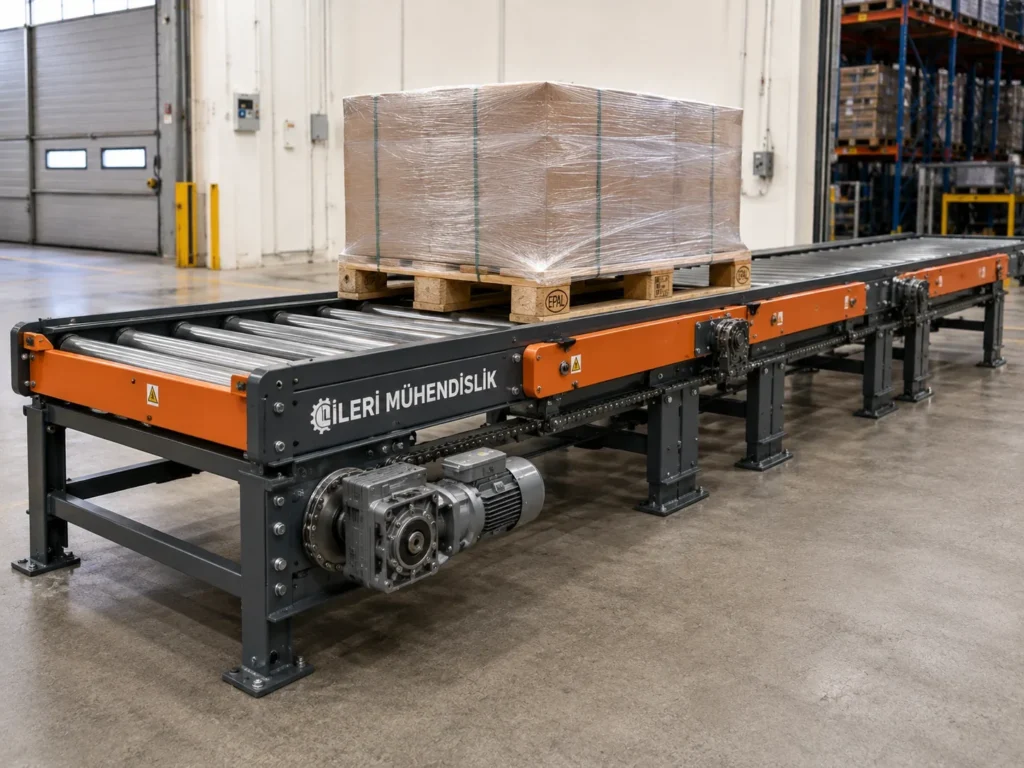
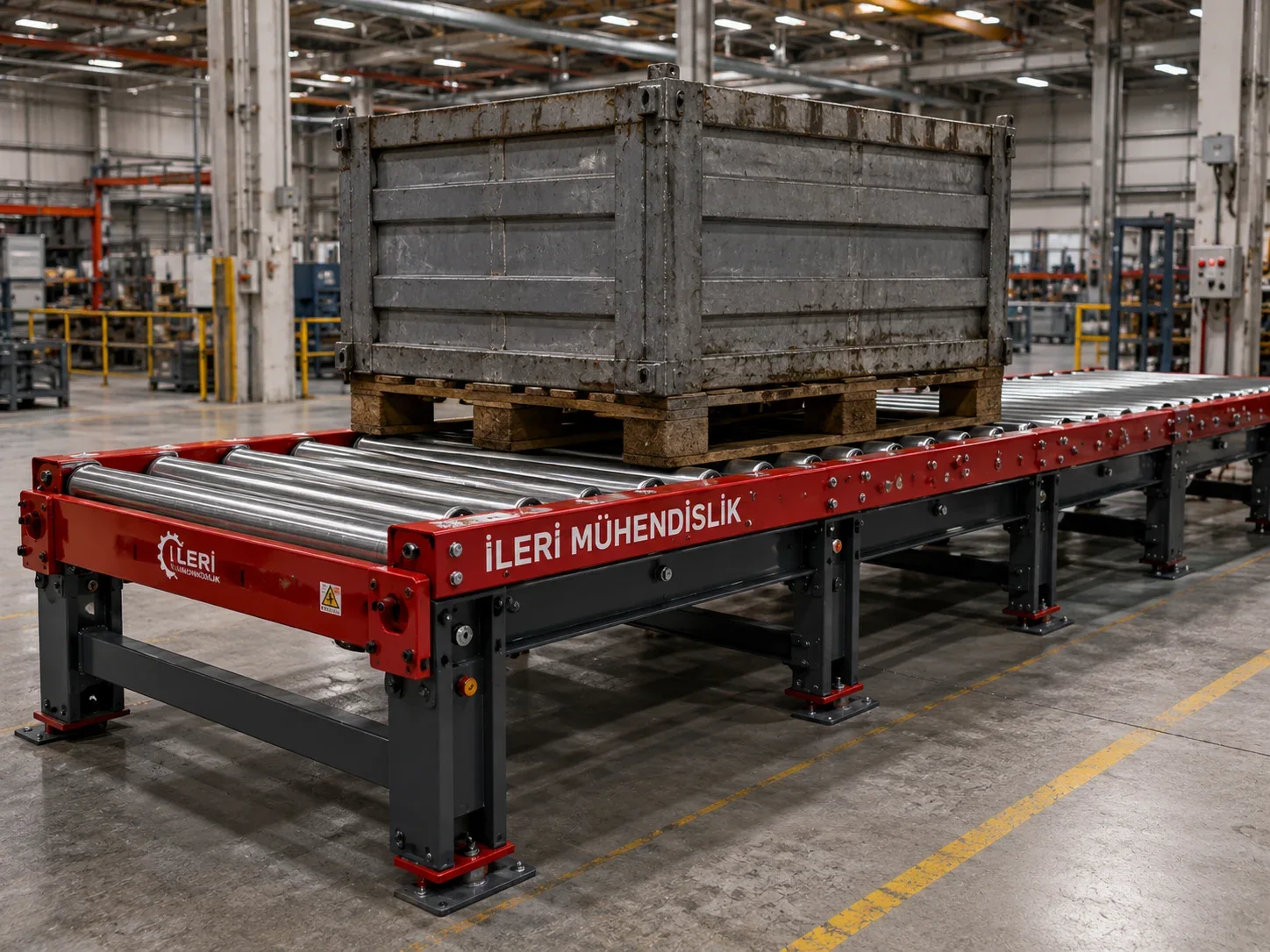
The visual gallery of the palet transportation carriers
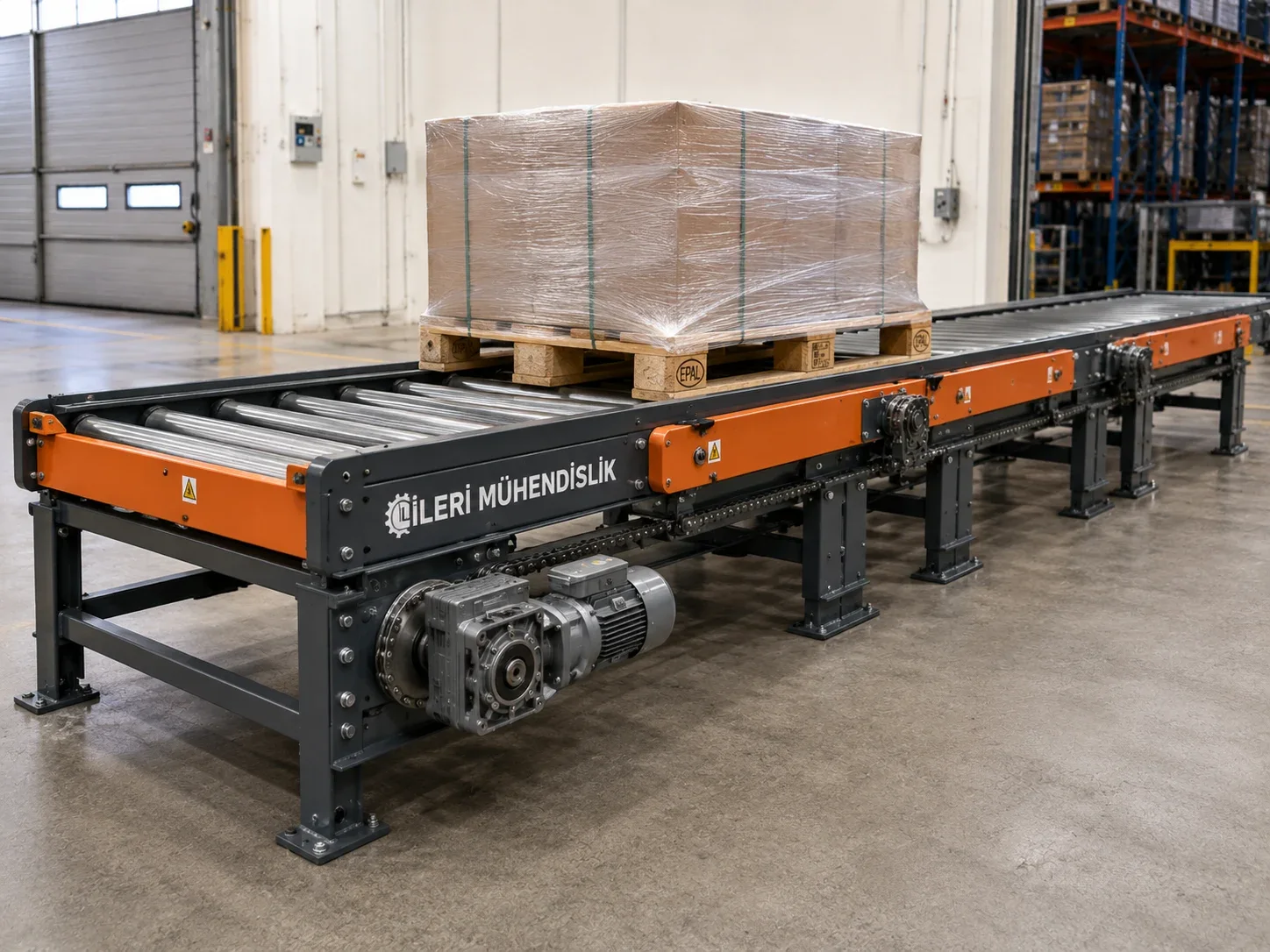
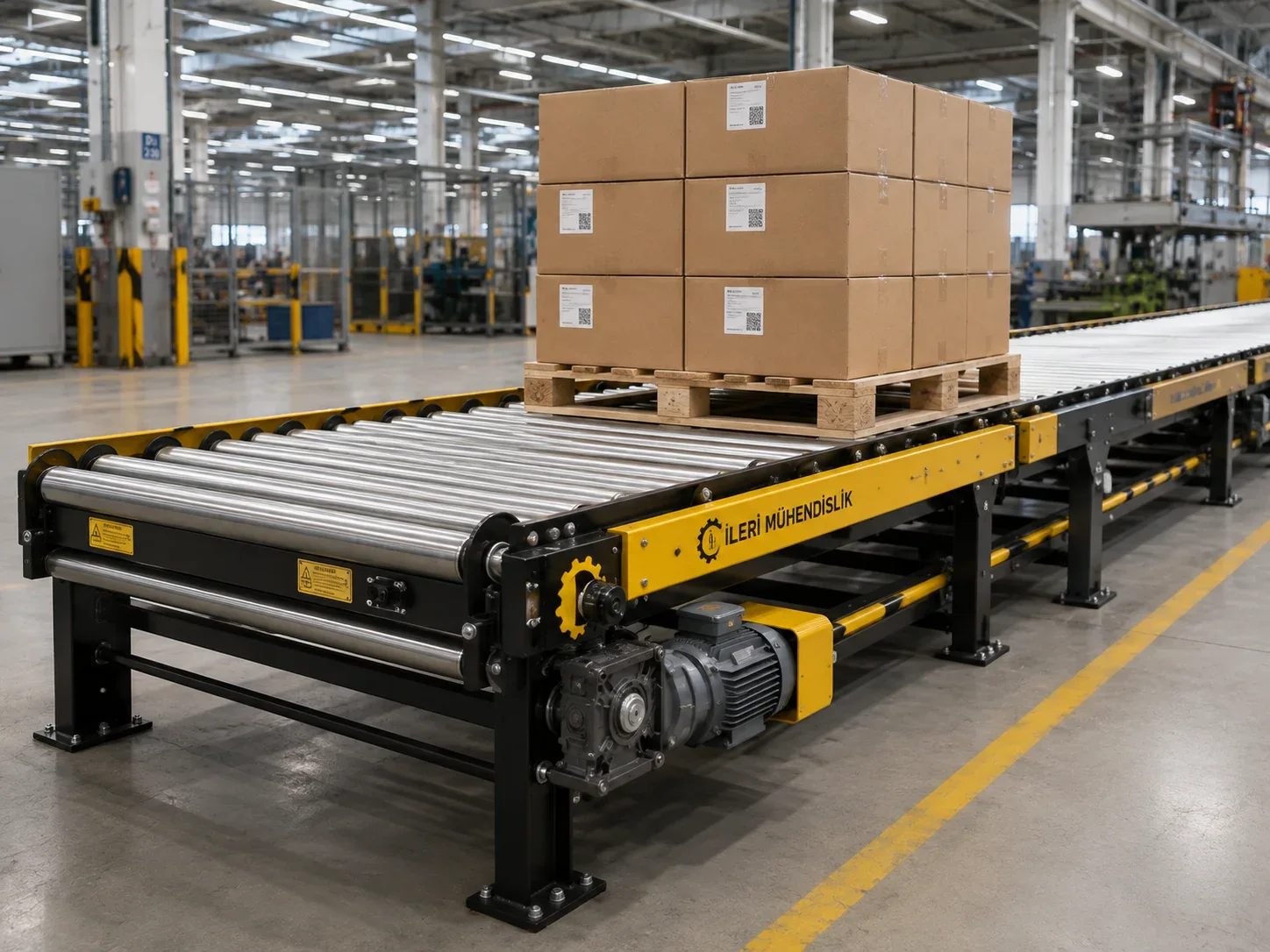
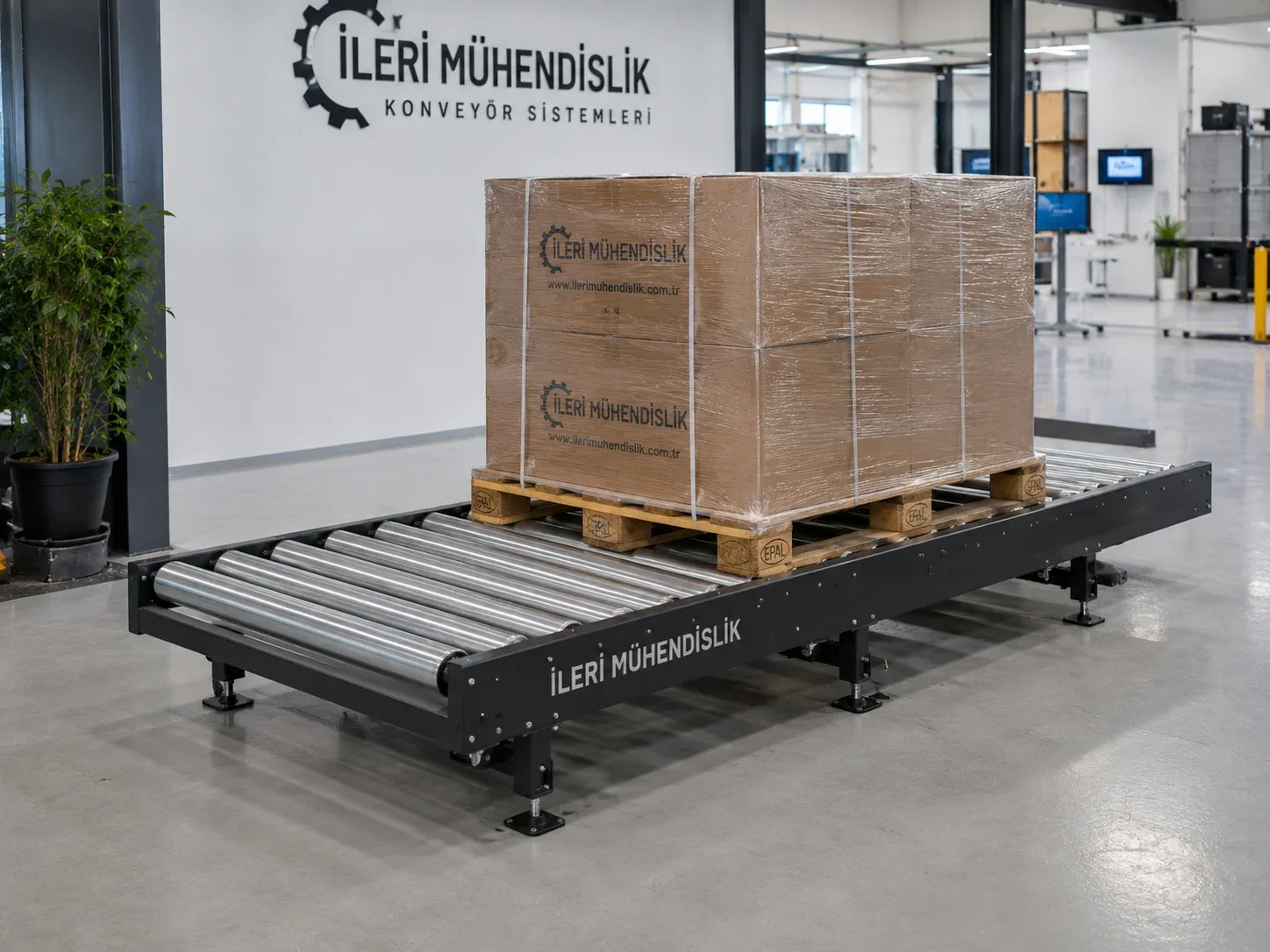
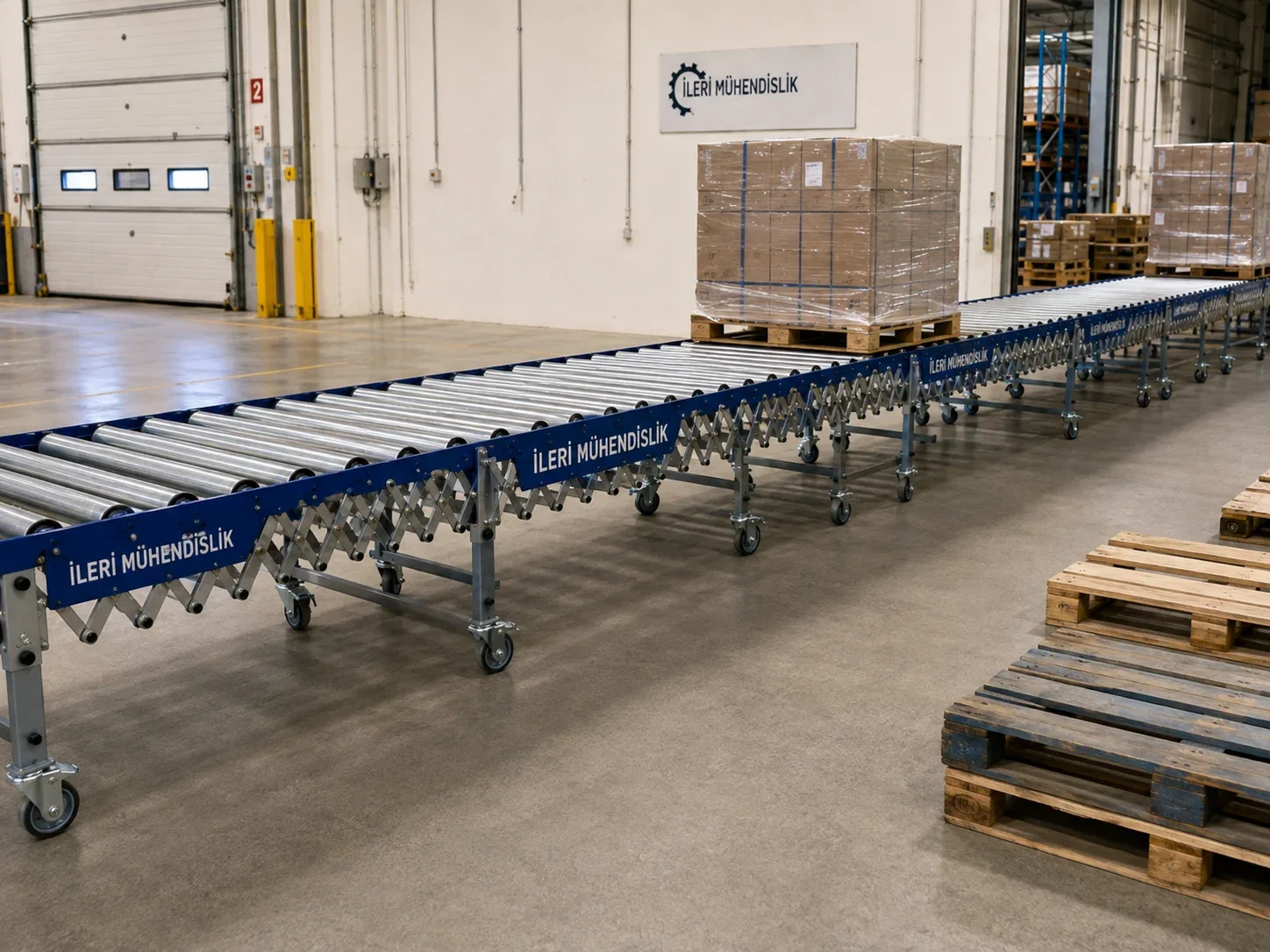
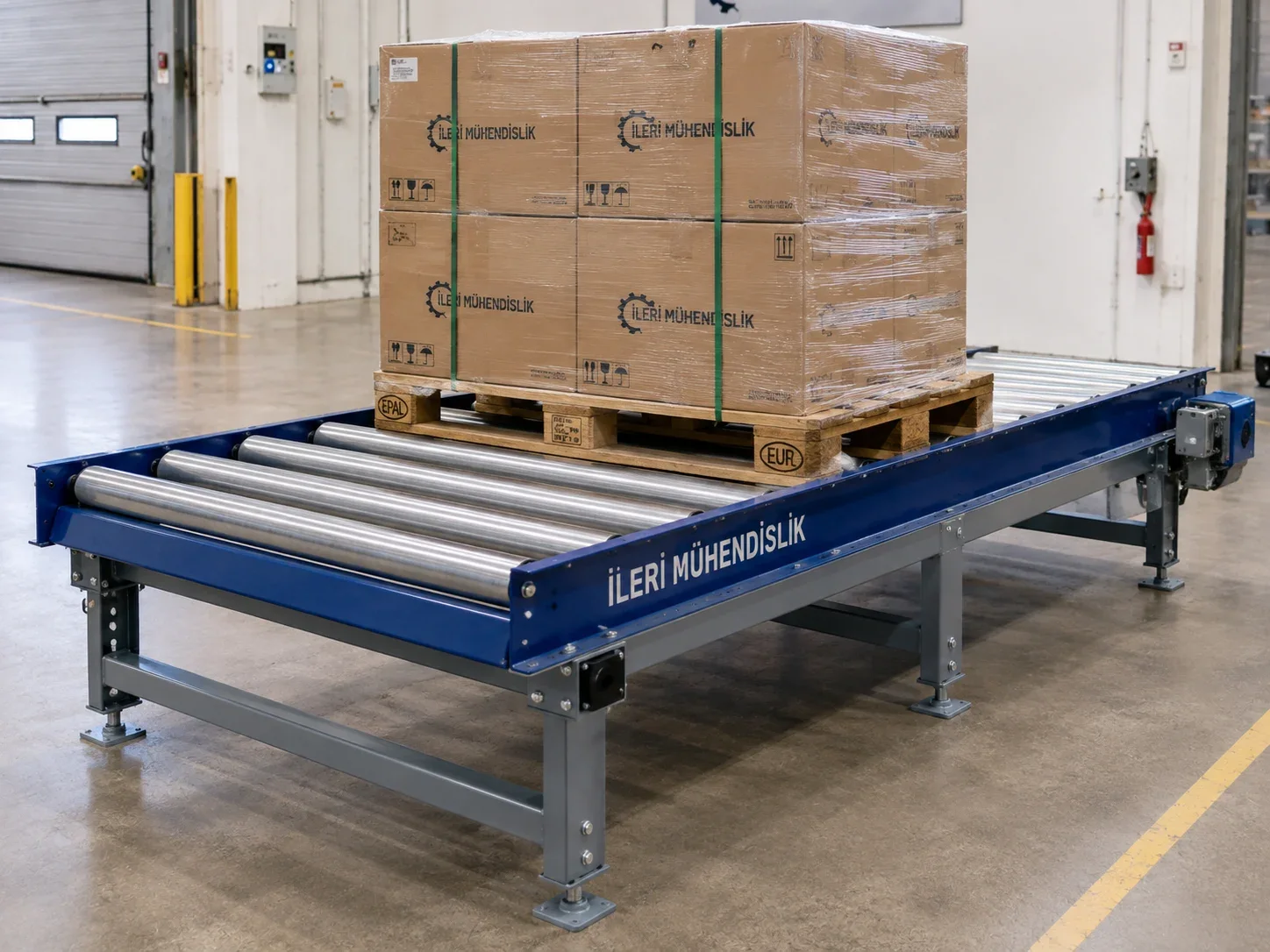
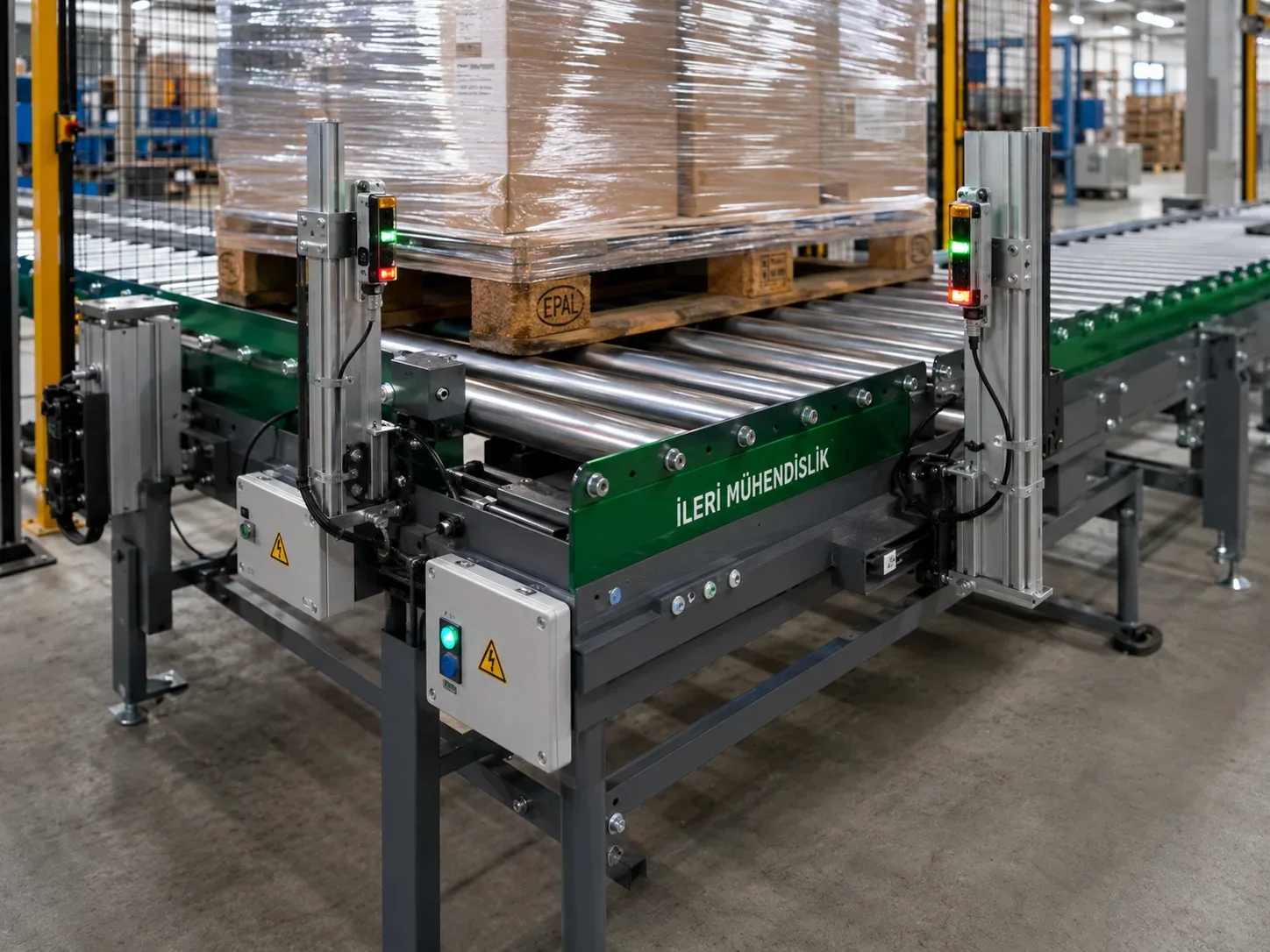
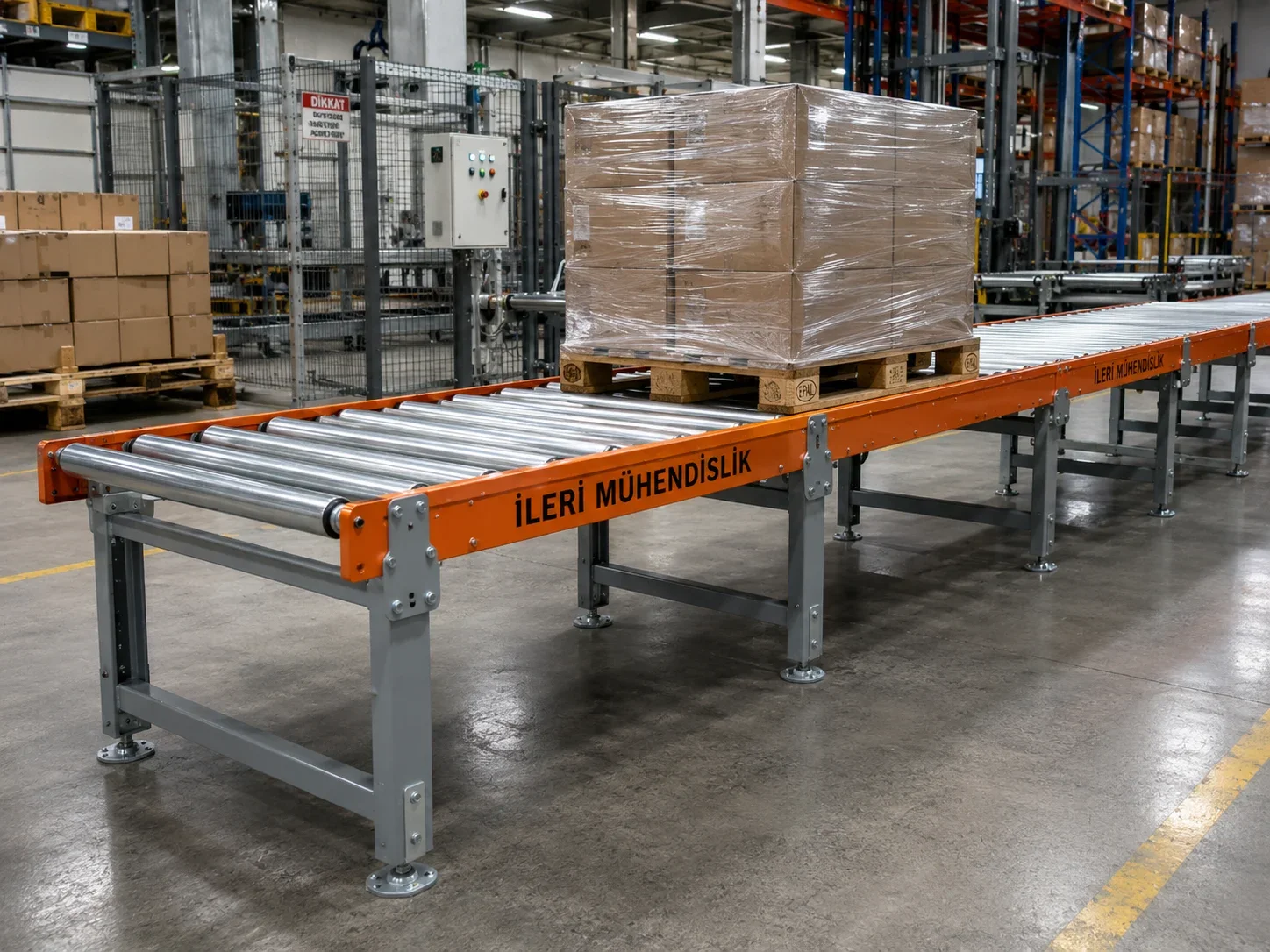
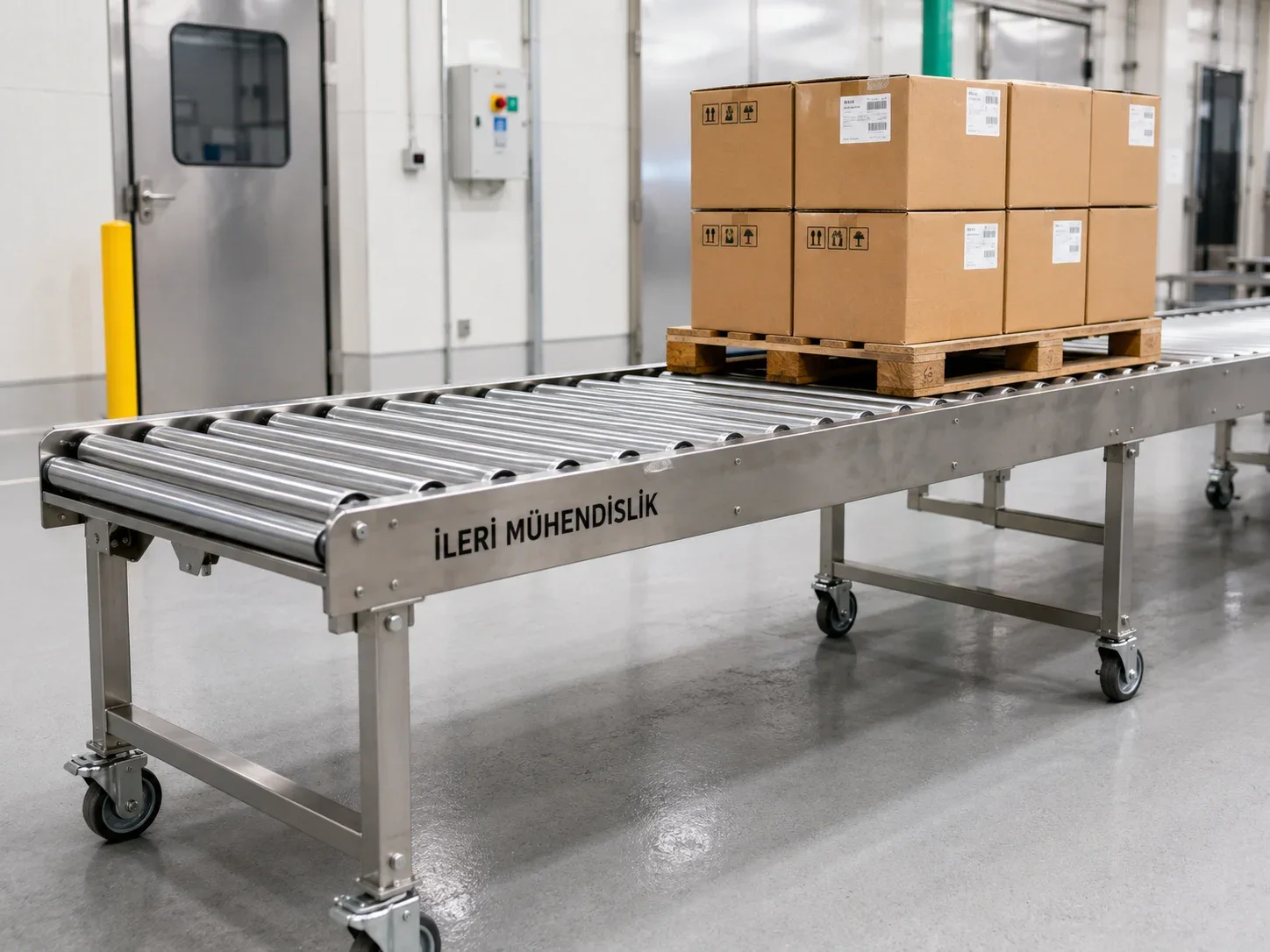
The carrier of the palette transportation is used to transfer the palette load between the production end, packaging, warehouse and shipping stations. The carrier surface can be created in a rolled or appropriate chain arrangement according to the under structure of the palette. Advanced Engineering evaluates the dimensions of the palette and total weight; the base clay, the load distribution, the forklift access and the work circle of the connected machines. The palette load is even the main parts of the design of how to leave and how to take it.
The base structure for the palet transportation carriers
The outer length and width of the palette is the information necessary but not sufficient for the selection of the carrier alone. The position of the lower plate, the scratches or the legs determines which transport elements the load will be transferred. The different palettes with the same external size may not receive equal support in the same rolled order. The entrance direction should be clearly specified because the contact points will also change when the transport direction of the palette changes.
The baseline and surface behavior of wood, plastic or metal palettes may be different. The broken wood, the curved foot, the out-covered connection or the curved packaging line may lead to the collision. The acceptance conditions and the variation of the measurement of the palettes to be used should be defined at the beginning of the project. The support conditions of the smallest palette and the heavest loaded palette are taken into account by taking into account the variety of products by controlling the support conditions separately.
Role and Chain Transportation
In the rolled system, the palet base must be supported on a sufficient number of roles throughout the movement. The roll diameter, the tube and the mile structure and the rolling layout are selected according to the actual distribution of the load. And on the chain transport surface, the position of the chain lines must be compatible with the carrier subelements of the palet. The choice of these two methods depends not only on the total weight, but on the subgeometry of the palet and on the necessary transfer movement.
The transfer by side with a flat progress of a palette does not require the same mechanical arrangement. If it is necessary to change direction, lift or transfer to another carrier, the palette will be re-examined from which points it will be supported. During the transfer, a settlement to maintain the balance of the load should be created. The height of the load on the palette and the swing of the weight center also affect this assessment.
Loading and discharge with Forklift
For access to the Forklift, the approach direction of the roof, the lift height and the safe maneuver area must be indicated. The leaving of the palet to the carrier by a blow may cause different difficulties than the normal transport load. The structure and support layout of the entrance section are selected taking into account these working conditions. The installation details that will prevent the Forklift from contacting the carrier chain or sensors are also assessed.
The operator’s palette should be visible and clear in which position it will leave. The palette may affect the transfer to be moved too far or cross-stop. The detection of the product’s presence in the load area, the distinction of the palette charged with a vacant palette or the line ready information should be shown, is included in the control scope. The areas where human and vehicle traffic is confronted with the carrier movement are addressed along with the entire line order.
Stop, Saving and Automation
The stop at the end of the line of the palet should not be considered as a merely mechanical obstacle. The load mass, the speed of movement and the balance of the product during the position are assessed together. The control slowing, the position detection or separation need is determined according to the work scenario. The desired palet position at the entrance to the stretching, rounding or labelling station should be clearly described.
If multiple palettes even need to wait, the length of the areas, the sensor locations and the receipt status of the next station are defined. Total line load is a choice of information different from the weight of a single palette. Energy cuts or machine errors are included in the control plan how the loads will wait and re-moving. Thus, the automatic range with mechanical order serves the same transport scenario.
Access to the ground and maintenance
The foot intervals and ground connections are assessed according to the location of the palette load. The floor flatness, portability and the existing incrusting possibility must be taken into account in the installation plan. The maintenance access to the wheel parts, rolls and sensors is left. Moving transmission areas are protected by appropriate conservations. The wheel and chain stretching, relaxing connections, palette remains and pollution in detection points should be regularly checked.
The price of the carrier is required.
The size of the palette, the baseline drawing or photo, the maximum load weight and the number of palettes to be moved at the same time for the offer should be shared. Line length, boots, speed, round time and input-outs aspects are other basic information. Side transfer, lifting, storage and connected machine communication changes the price range. Forklift maneuver area shows the installation crocissus facilitates the assessment of the applicability of the solution.
Frequently Asked Questions
Can the same or even different types of palettes be moved? The base support of each palette, the external size and the detection conditions must be appropriate.The differences between the types must be shared in the design stage.
Does the loaded palette with a empty palette work in the same system? The behavior of holding, support and detection of both situations can be assessed by controlling. Only maximum load information is not enough.
Can I connect to the existing machine? Cut, palet direction, transfer gap and control signals can be combined to create a connection layout.
The existing product information
| The product | The Palette Transportation |
| The basic function | Transfer of paleted loads by rolled or appropriate chain system |
| Area of Application | Deposit and production end transfer |
| Information needed in the election | The palette substructure, total weight, forklift access |
| Technical control point | The carrier base elements of the palette must be compatible with the roll placement |
Ask about this product or application
Product images