
Tapered Conveyor Roller
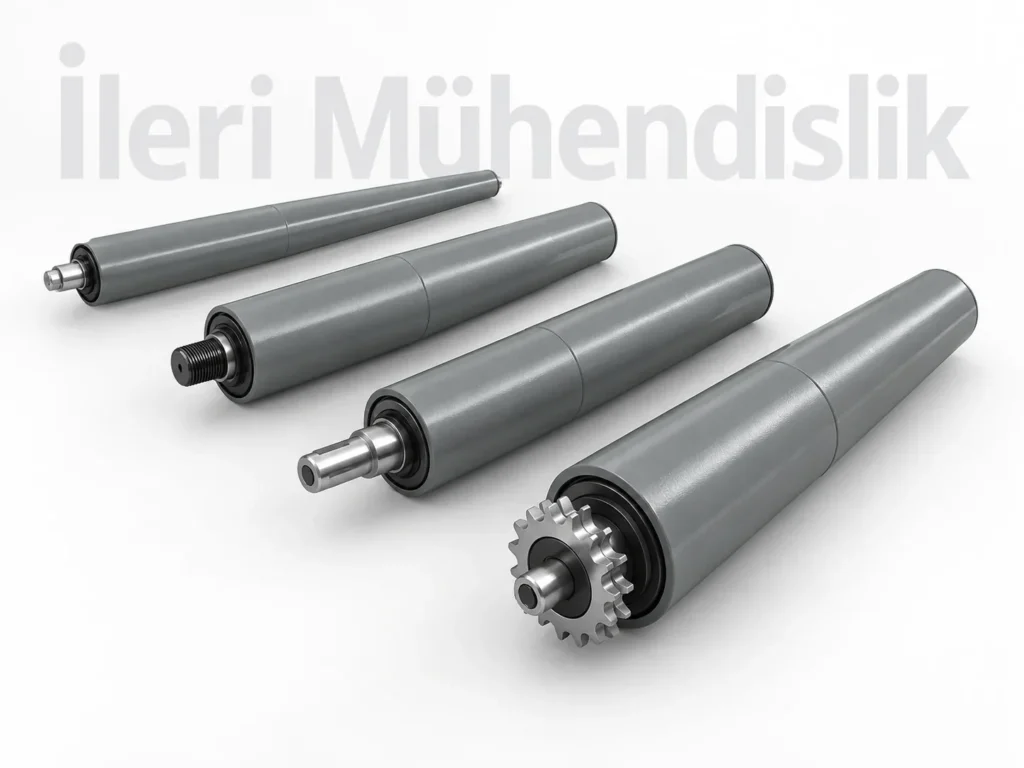
Converter Rulosu Visual Gallery
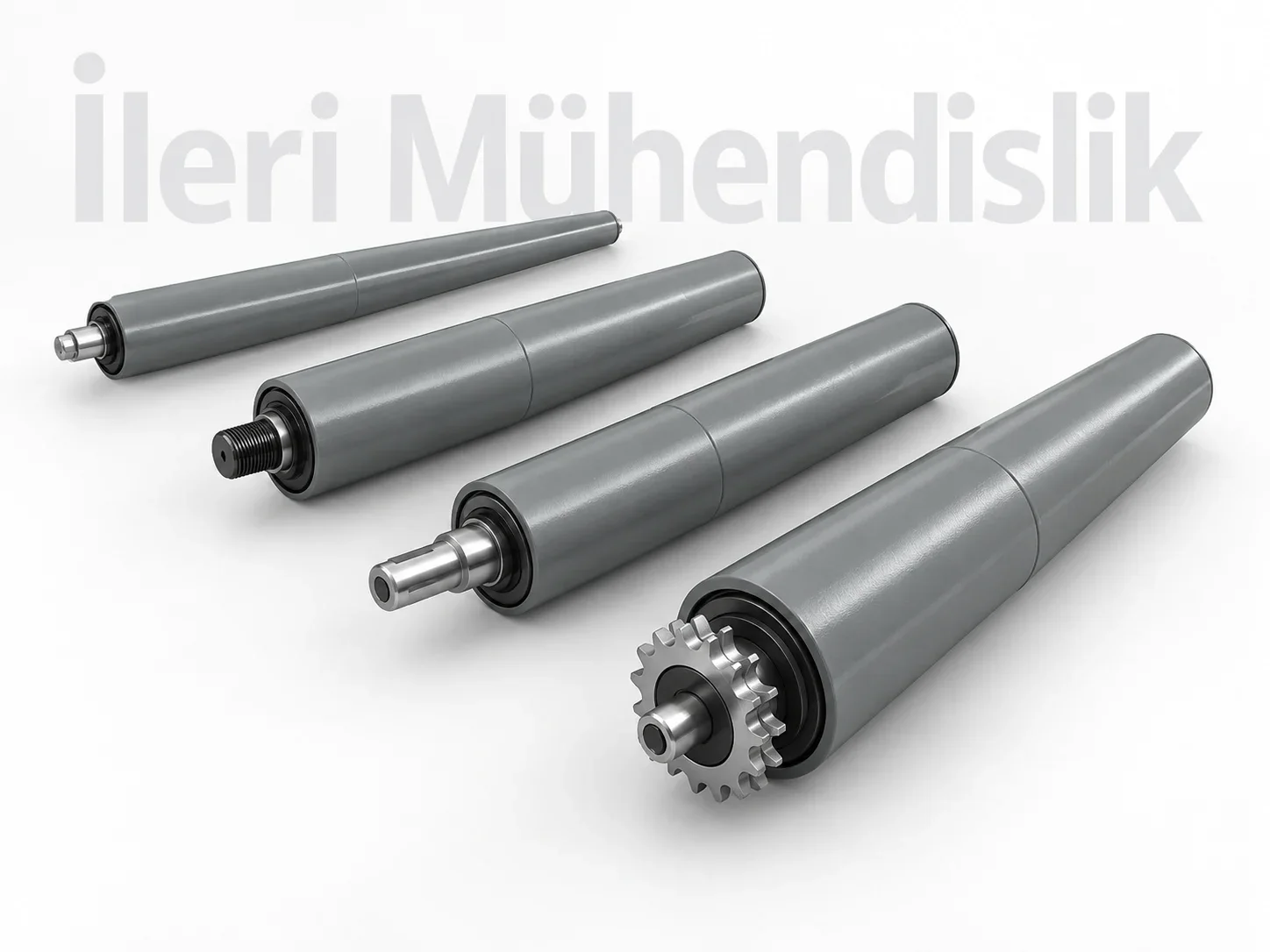
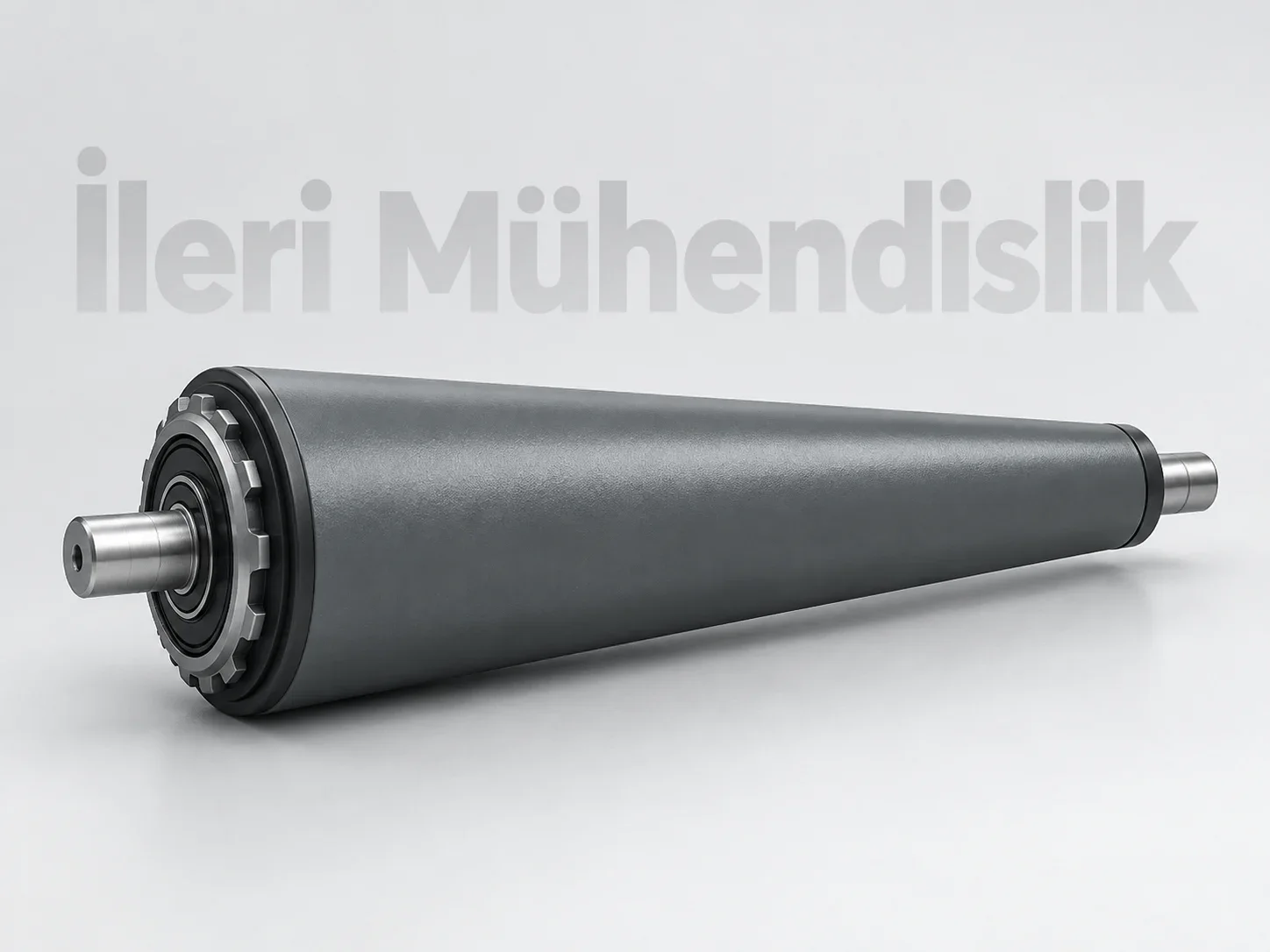
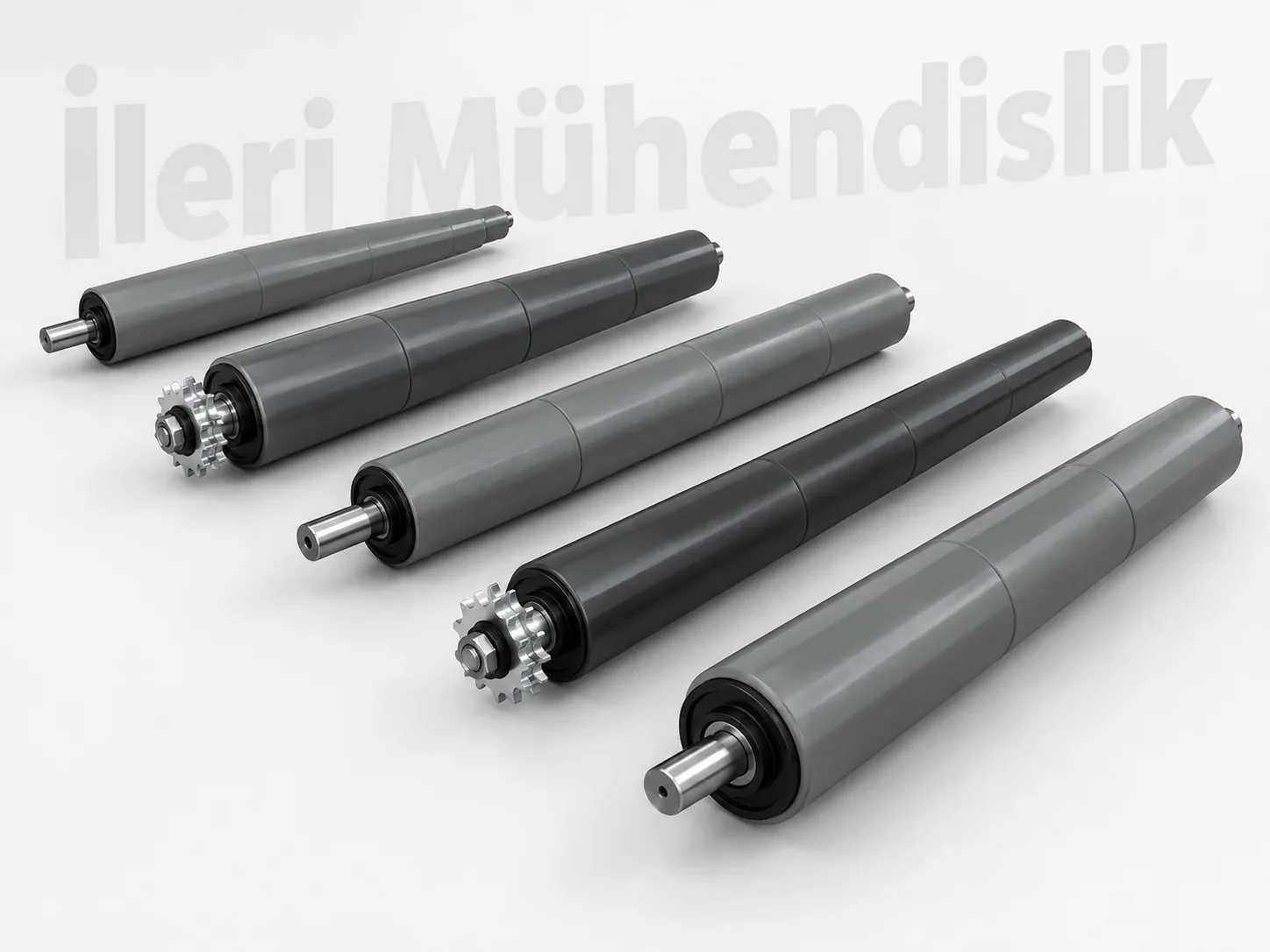
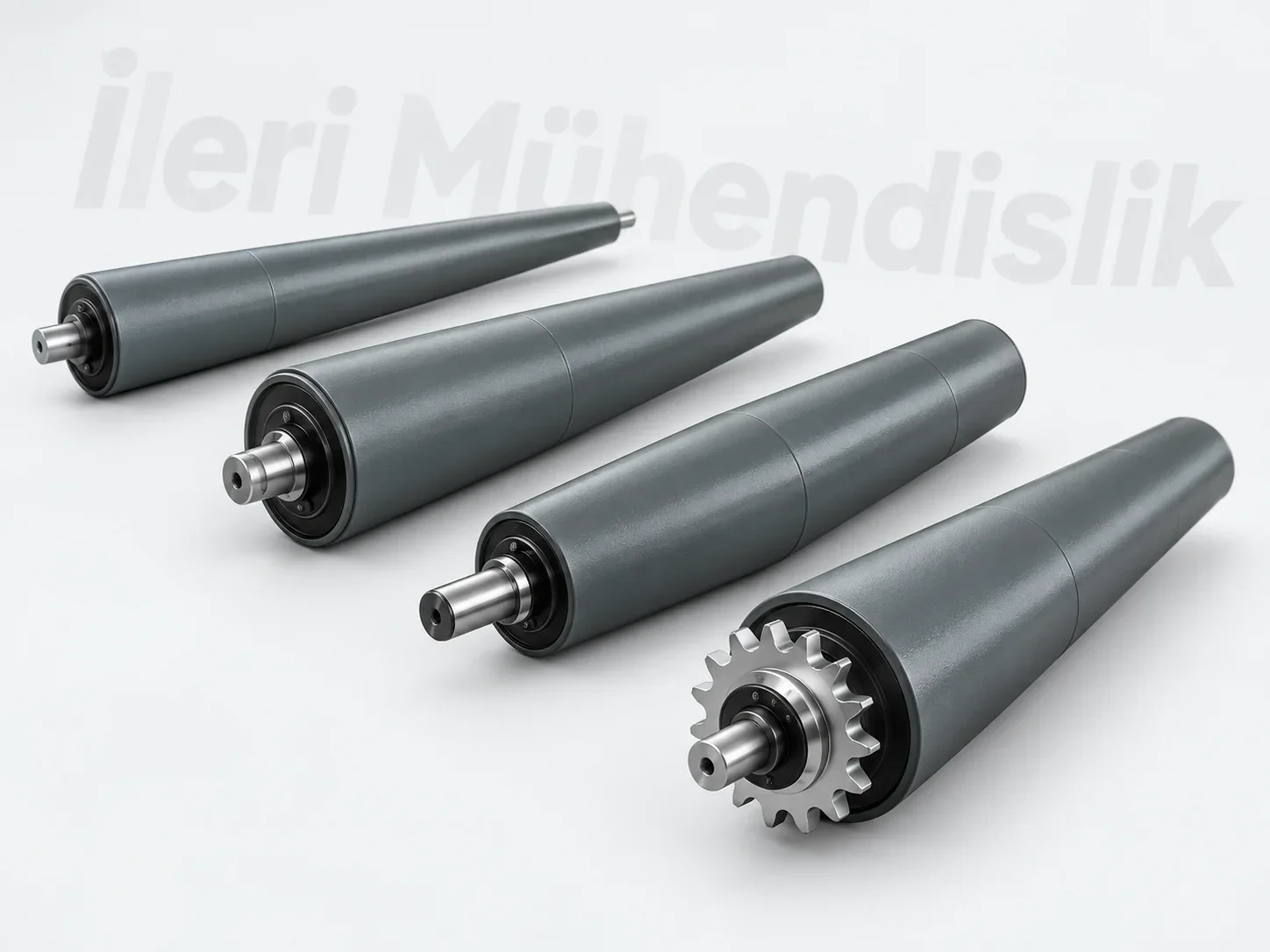
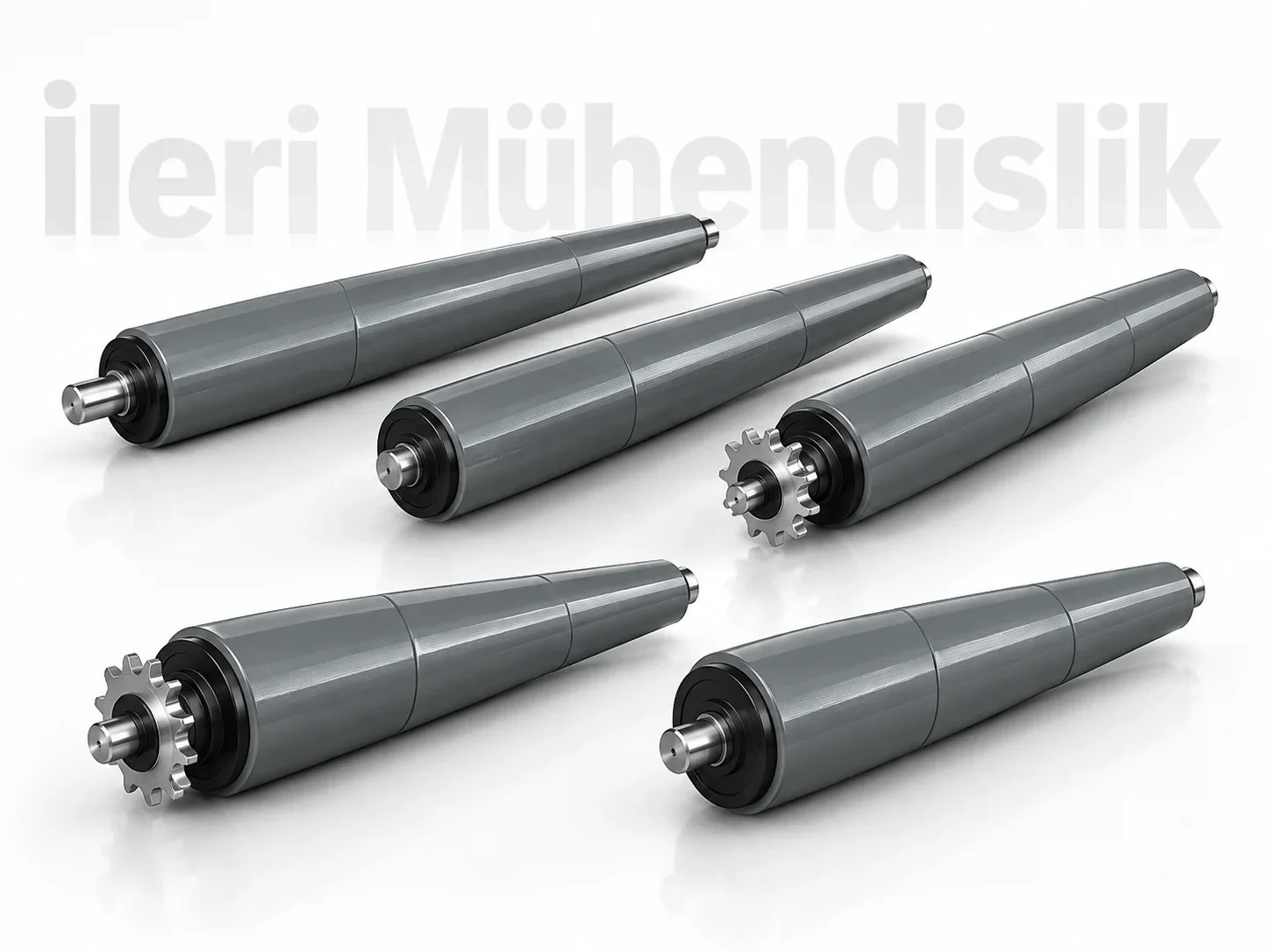
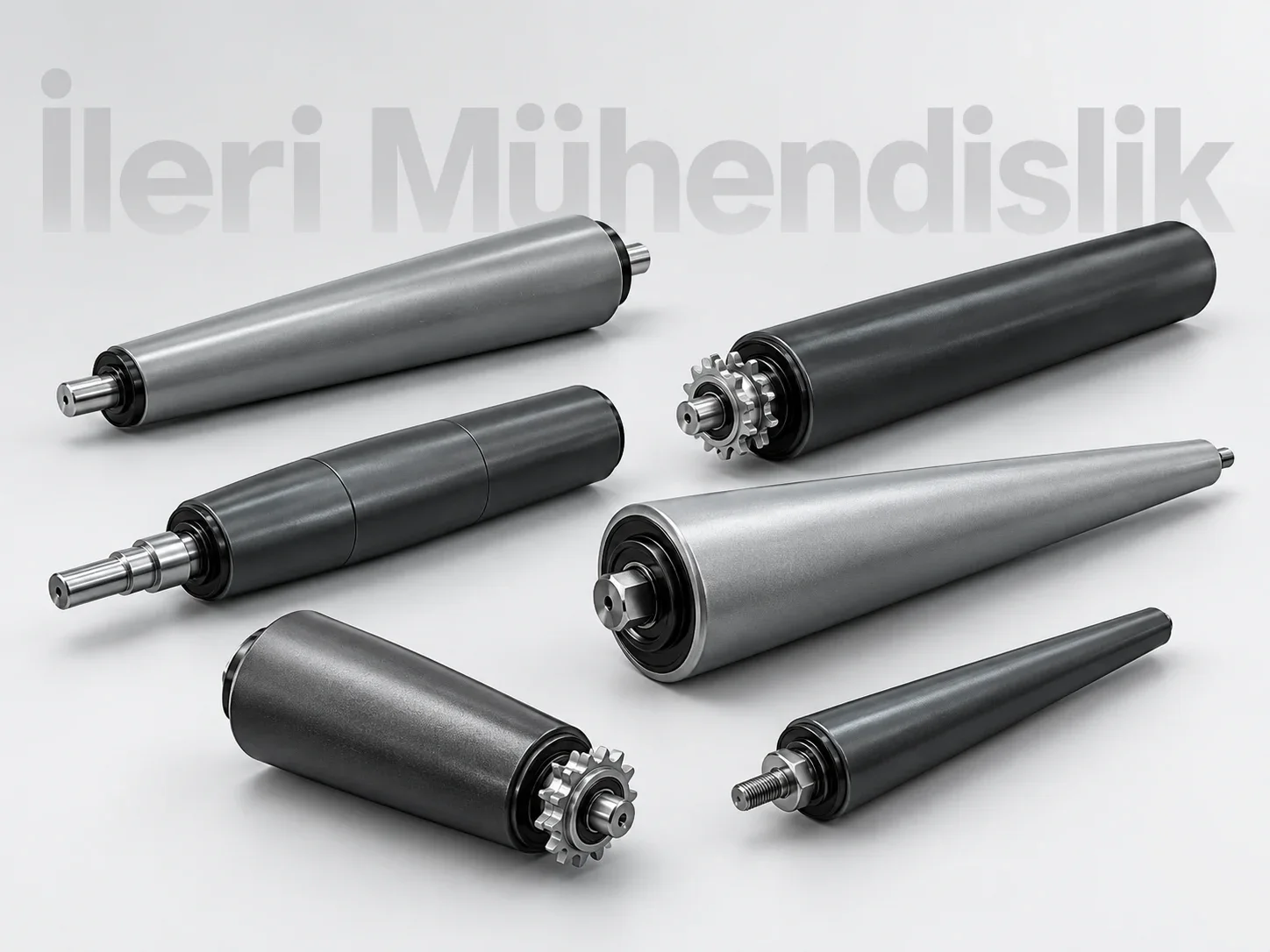
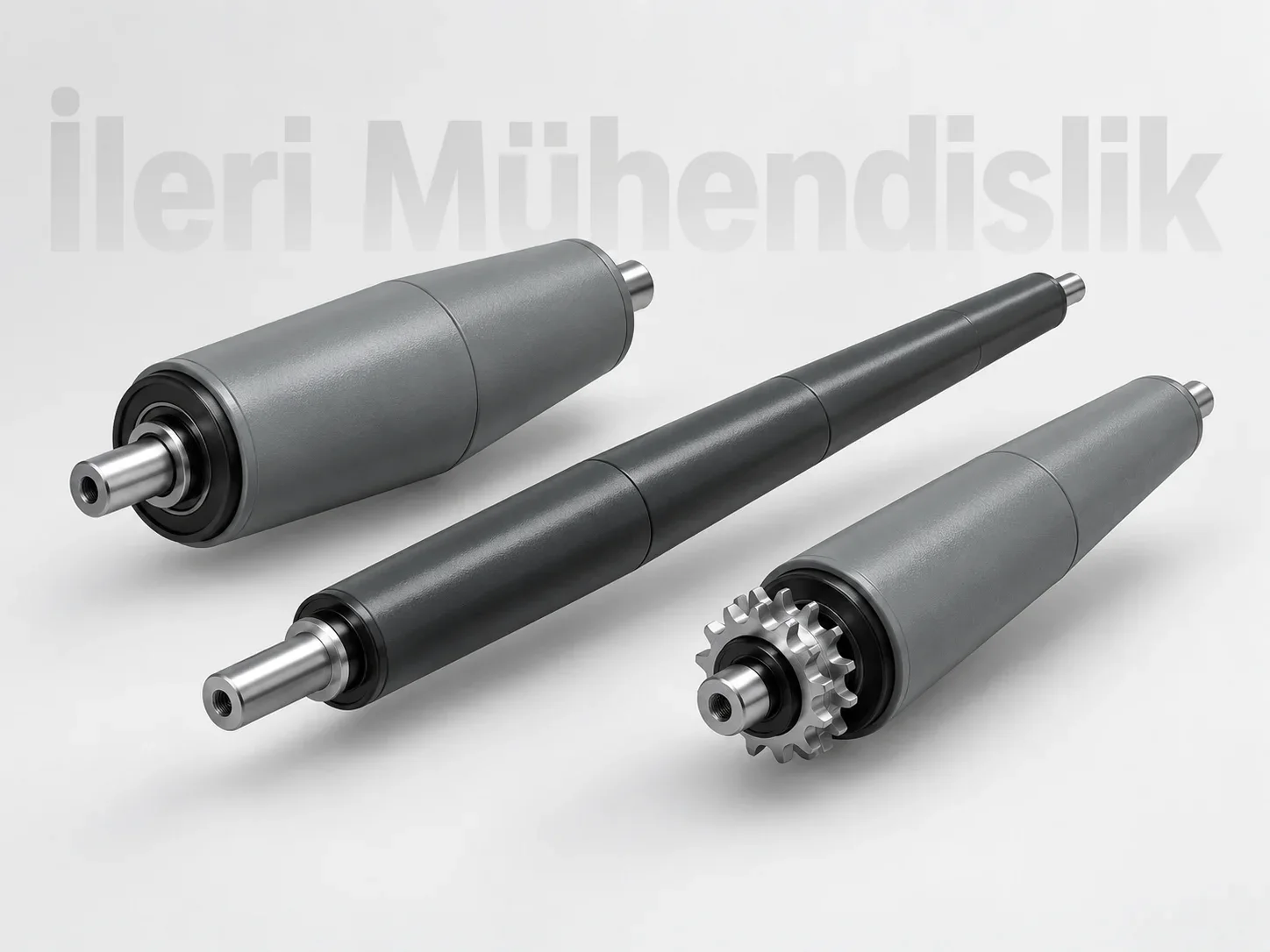
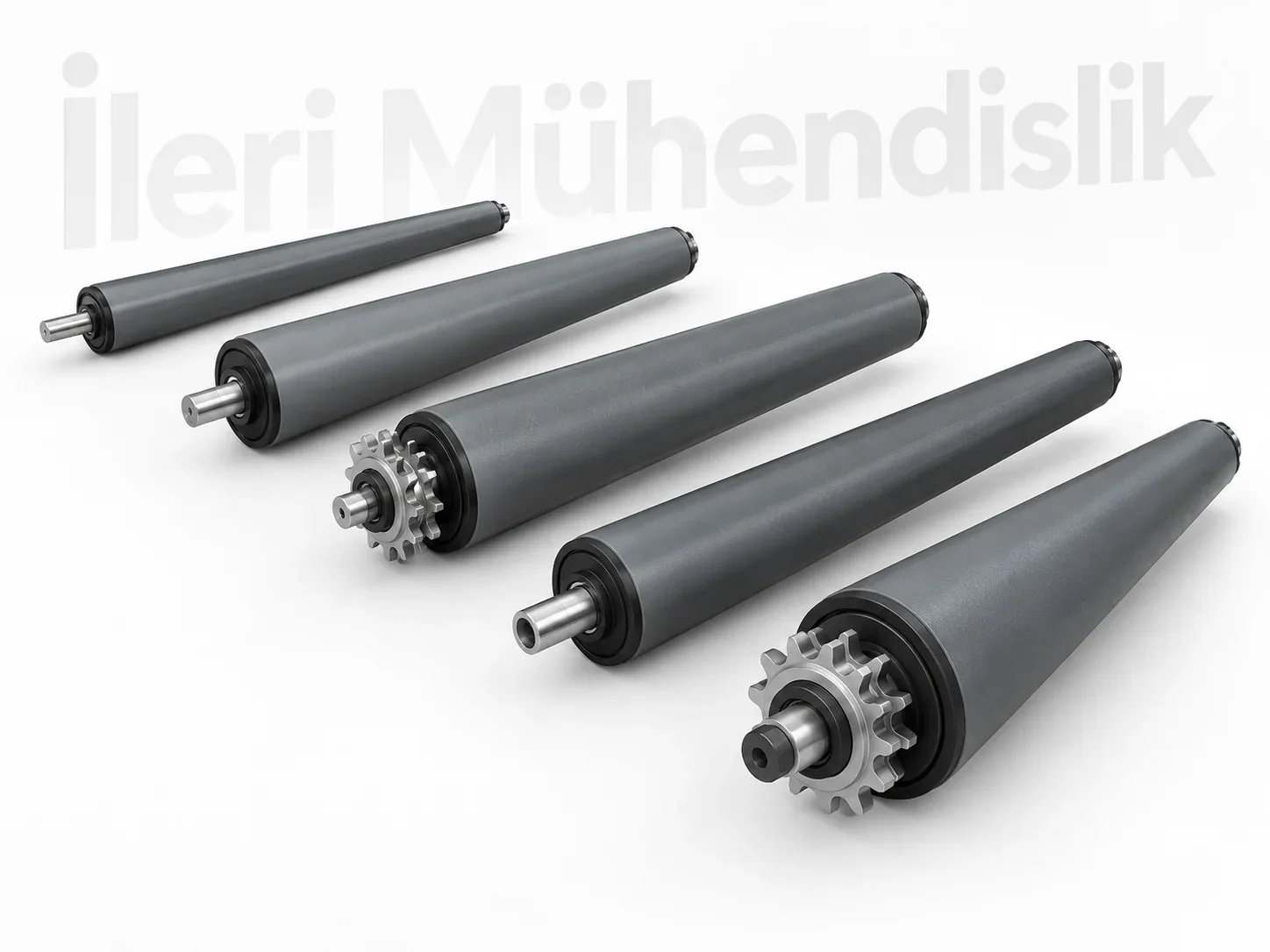
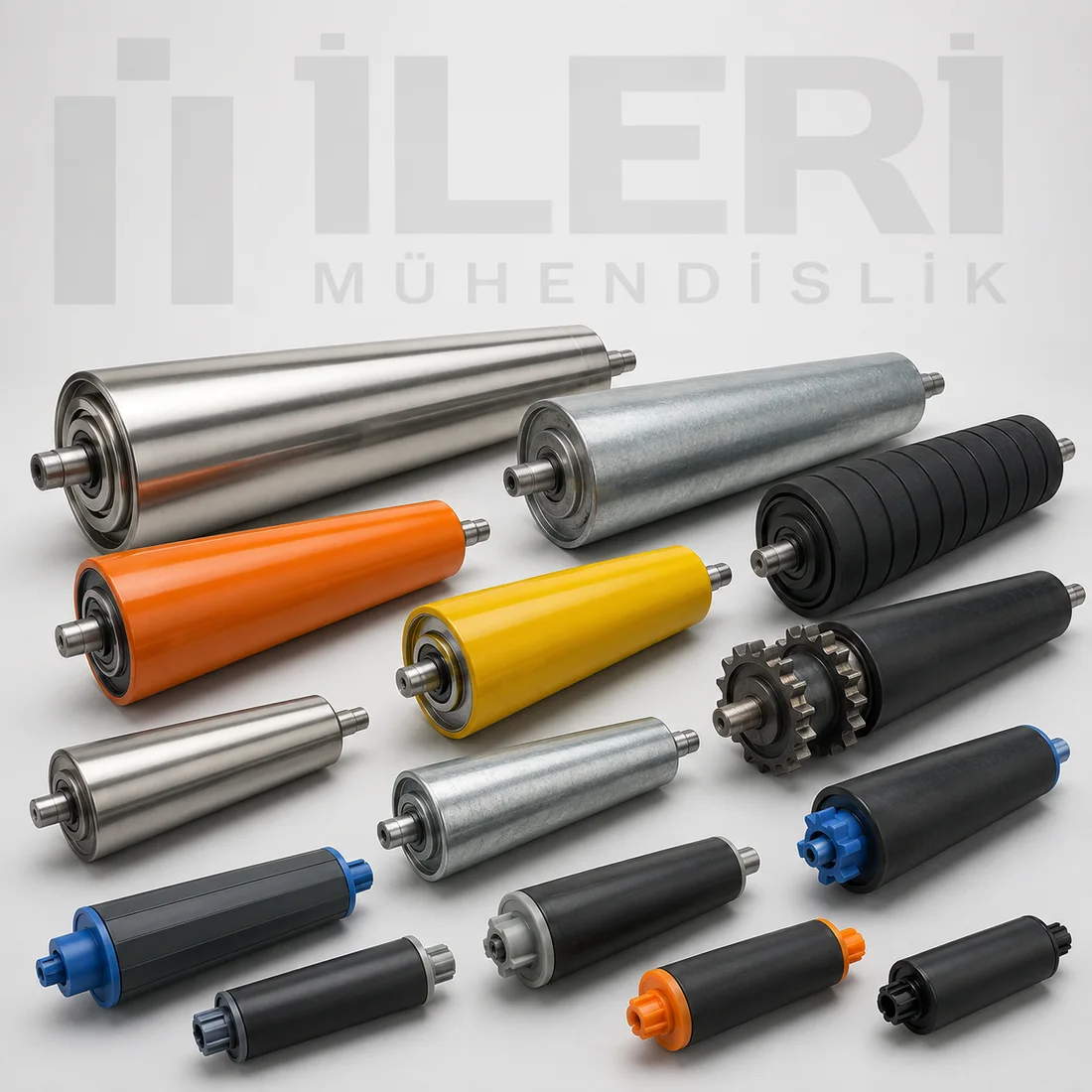
Conic Conveyor Roll — Conic Roll is used to manage the different environmental speeds of the internal and external roads on the turn line. The small and large diameter of the roll, the turn half-line and the transport width must be selected in line with each other.
Tapered Conveyor Roller It is a special type of roll used in particular in 90 degrees and 180 degrees turn-wheel carriers to ensure the product progress more balanced and controlled throughout the curve. The curve diameter varies from one end to the other end. This diameter difference allows the different path lengths formed on the inside and outward side of the turn to be more balanced.
What is Conveyor Roll?
Conic carrier rolls, unlike the cylindrical standard rolls, are the rolls that are produced in a smaller end, the other end in a larger scale. In the conversion carrier, the small-diameter side of the roll is placed in the inner part of the turn, and the large-diameter side is placed in the outer part.
This geometric structure makes the environmental speed on the outside of the roll higher, so it can be reduced that the product is only dragged to the inside or losing the direction of the carrier during the return.
Why is the roulette used?
The distance that is attached to the outside side of a rotating carrier is longer than the inside side. When the standard straight roll is used, the same environmental speed is applied to the inside and outer side of the product. This situation can ⁇ cause turning, sliding or drilling to the side guides in the wide box and box.
The curve roll helps to balance this speed difference by providing a larger diameter on the outside side. Therefore, it is often preferred at the 90 or 180 degrees turn of the curve, box and flat-based products.
Where is the Conveyor Rolls used?
Conic rolls can be used in many product redirect applications, including mainly reversed rolled carrier systems.
- 90 degrees rolled carrier
- 180 degrees rolled carrier
- Coli and box transportation systems
- Packaging lines
- Depository and logistics systems
- The shipping carriers
- Plastic Box Transportation Lines
- Automatic product orientation systems
- Factory Transit Line
How to determine the roulette?
The small diameter and the large diameter should be assessed together instead of a single diameter in the corner roll. The difference between these two diamonds is directly related to the length of the roll and the reverse half-drive.
As the turn halfway is reduced, the difference between the internal and external path increases. Accordingly, the coincity rate must also be properly determined. When the coincity is randomly selected, the product may move to the internal or external side unwantedly during the turn.
How to determine the coins?
When determining the coincity rate, the internal turn halfway of the carrier, the external turn halfway, the wheel work width and the product measurements to be moved should be assessed together.
The main objective is to make the environmental speed difference that the small and large diamonds of the roll form the most compatible with the conversion geometry of the carrier.
Therefore, in two different turning carriers with the same width, the same conic roll geometry may not always give the correct result if the turning semiconductors are different.
90 degrees to return.
90 degrees rolled carrier The coin rolls in their systems help the product to progress by keeping the direction throughout the quarter.
In large-based products such as the cylinder and box, a more accurate product flow can be achieved when the correct coincidence rate, the turn half-drop and the roll range are assessed together.
180° Return to the Role of the Conn.
180 degrees rolled carrier The product moves along a longer curve in its systems, so the coin roll geometry and side-guide system can become more important.
If the product is large, the return halfway should also be selected according to that.
The Conte The Liu Conveyor Systems
For detailed information about the complete systems used by the conic roll Converter of Converter You can check our page.
These systems can be manufactured by engine or as a vapor and different driving methods can be used depending on the product type.
The roulette roll
The central intervals on the conveyor of the conveyor rolls must be determined by the base size of the product to be moved. The roll placement should not be done only with the logic of the flat conveyor because the roll contact points of the product change during return.
The product must contact a sufficient number of roles throughout the return. for detailed information, how to calculate the roles range? you can check our page.
The Role Materials
The corner roll body can be made from different materials depending on the area of use. Galvanized steel, stainless steel and different surface options suitable for the project can be assessed.
In some applications, the conic plastic elements can be created by passing on the standard cylindrical roll, which can provide the advantage of modular production in specific dimensions.
Plastic rolls
The conic structure can be created by passing plastic conic elements in different diamonds on the roll instead of producing the whole roll tube conic. In this system, the standard steel roll body is gradually or constantly conic.
The material of the plastic coins elements should be selected according to the product weight, working temperature and the use environment.
The rubber covered roulette
When it requires higher drainage or surface protection during contact with the product, rubber coating can be applied on the coating roll. Rubber coating can help reduce the shift of the product during return.
The coating hardness and thickness should be selected according to the product to be carried.
Polyurethane covered corner roll
Polyurethane coating can be preferred in applications that require higher coating resistance. Polyurethane can provide advantage especially in applications where the product surface is not desired to be drawn.
for the options Polyurethane covered conveyor roll You can check our page.
The choice of a mile
The mile diameter roll work width should be determined by the product weight and the rolling structure. It is important that the mile and rolling capacity are sufficient because the product load in the rotating systems can reach different points of the roll.
You can check our page of the mile selection for detailed information about the mile selection.
The choice of Rulman
The type of roll, the roll turn, the product weight and the working time should be determined. Low drilling in the avar turn systems is important while the driving loads in the motor systems should be taken into account.
For technical information, you can check our page of the rally rally selection.
Avoid the Conveyor Roll
In unused turning systems, the motor can work as a vapor, the product advances on the roll thanks to the operator's strength or the appropriate curvature.
This structure can be used in simple and low maintenance returns.
The Conveyor Rules
In applications that require automatic transportation, the coin rolls can be produced in a drill way. The rolls can be transmitted through the movement chain, the Poly-V or the O-ring system.
The wrap method should be selected according to the product weight, roll geometry and the work rate.
Difference Between the Conic Role and the Flat Role
The diameter of the flat carrier roll is approximately the same throughout the entire work width, while in the conic roll, the diameter varies from one end to the other end.
Flat rounds are suitable for linear transportation, and the conic rounds are used especially for the purpose of product direction on curved and turning lines.
The advantages of the Converter Roll
- It helps to make the products more balanced in return.
- It is suitable for 90 and 180 degrees turn-up systems.
- It helps to keep the product direction during return
- It can be produced in different small and large diameter.
- can be used as a disguise or disguise.
- Galvanis and non-space options are available
- can be used with rubber or polyurethane coating
- The project can be produced by a special reversal semiconductor.
How to measure the Conveyor Roll?
For the production of the conic roll, small diameter, large diameter, roll work width, total mile length, mile diameter and the type of roll should be indicated.
Also, if the inner and external semiconductor of the turn to be used for the roll is known, the sharing of this information will make it easier to determine the correct coincidence rate.
The Conveyor Rules Price
The prices of the conic carrier roll varies according to small and large diameter, work width, body material, conic structure production method, mile diameter, rolling type and production unit.
Covered, stainless or custom-measured rolls may have different costs according to standard models.
Special Conveyor Rules for the Project
As advanced Engineering, we can design the conic carrier rounds according to the turn half-dimensional, carrier work width and the product size to be moved. Small diameter, large diameter, roll length, mile and rolling structure can be determined according to the application.
The carrier work width, turn halfway, product size, product weight and the required roll unit Get a quick offer You can send it through the form.
Other types of carrier roles
for different rounds The Conveyor Rules From our section, you can explore the avar, chain tooth, Poly-V shell, O-ring channel, stainless and other special production rolls.
Interested products and application links
- All types of carrier roles
- Idler Conveyor Roller
- Sprocket Conveyor Roller
- Spring-Loaded Shaft Conveyor Roller
- Share your roll sizes and ask for an offer
Technical information on other sites
You can also read the descriptions on our other Advanced Engineering sites for the same product group. We can clarify the technical scope of your measurement-specific product together through your existing parts and working conditions.