
Sprocket Conveyor Roller
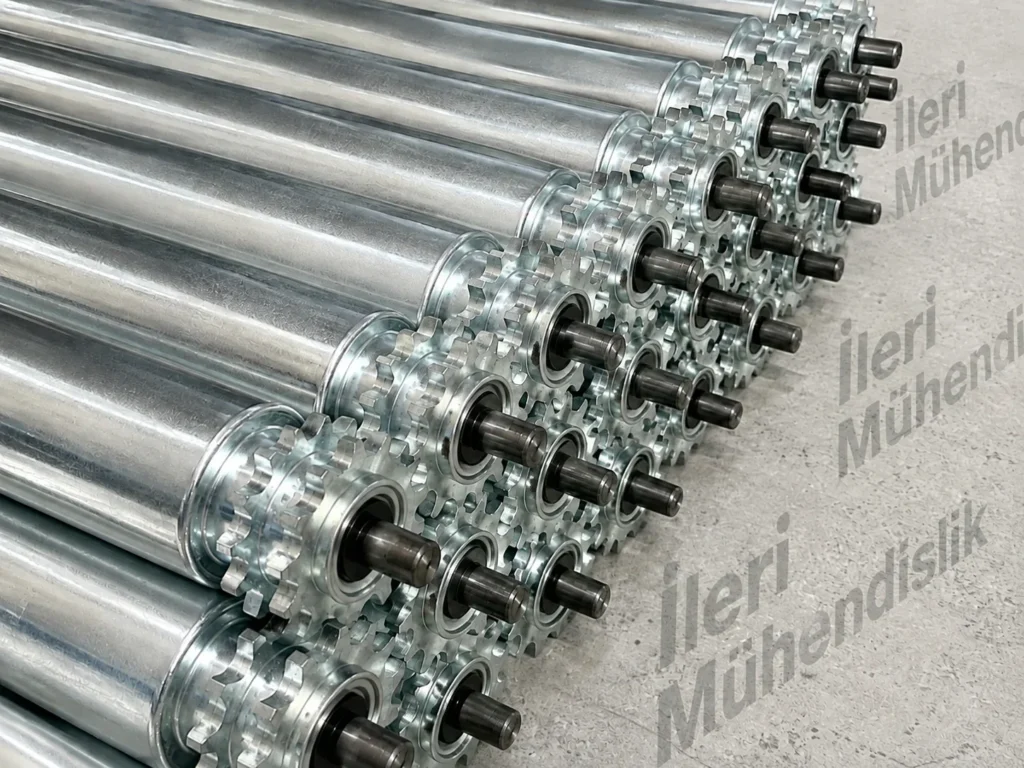
The Chain Dental Conveyor Rules Visual Gallery
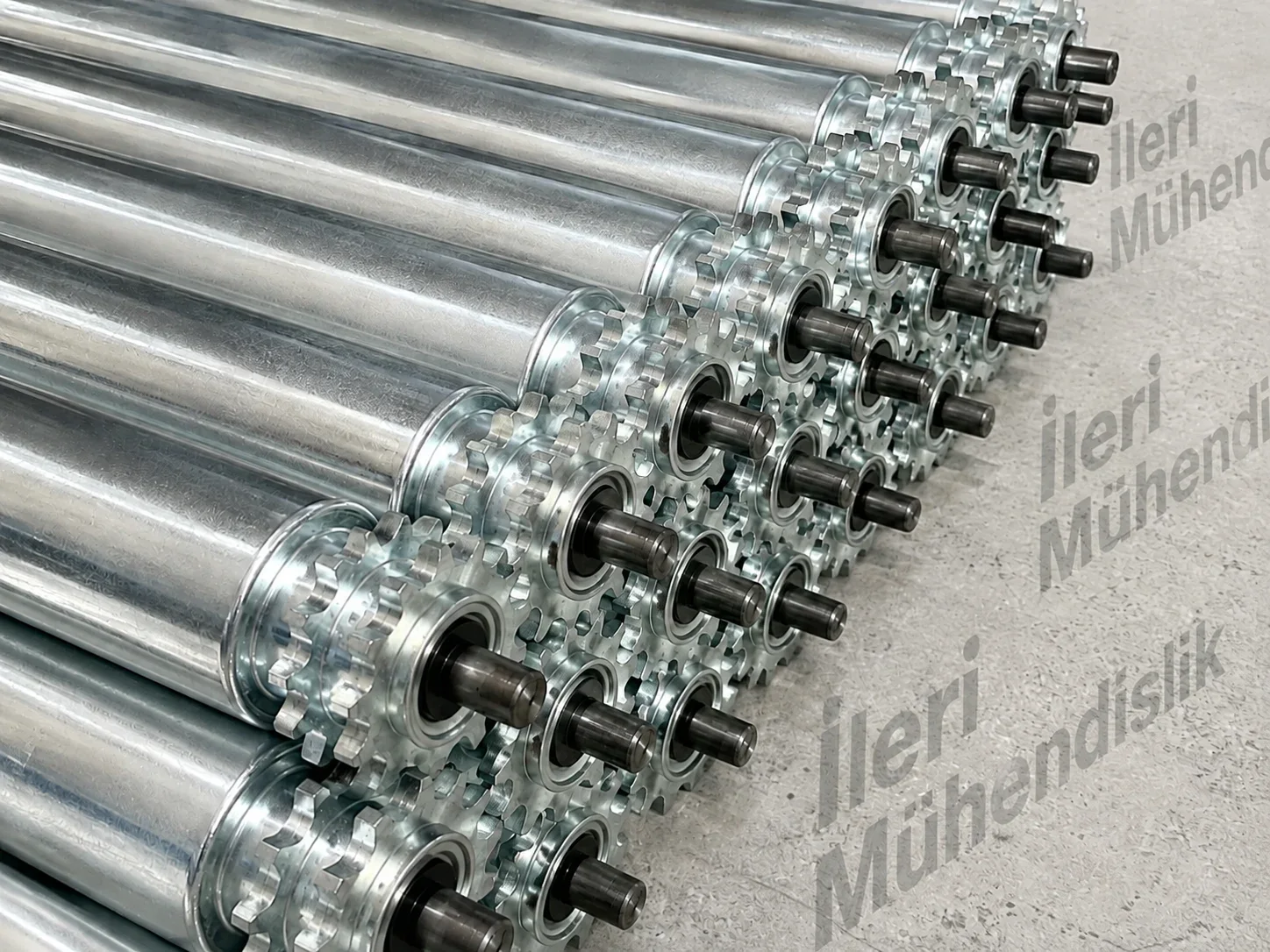
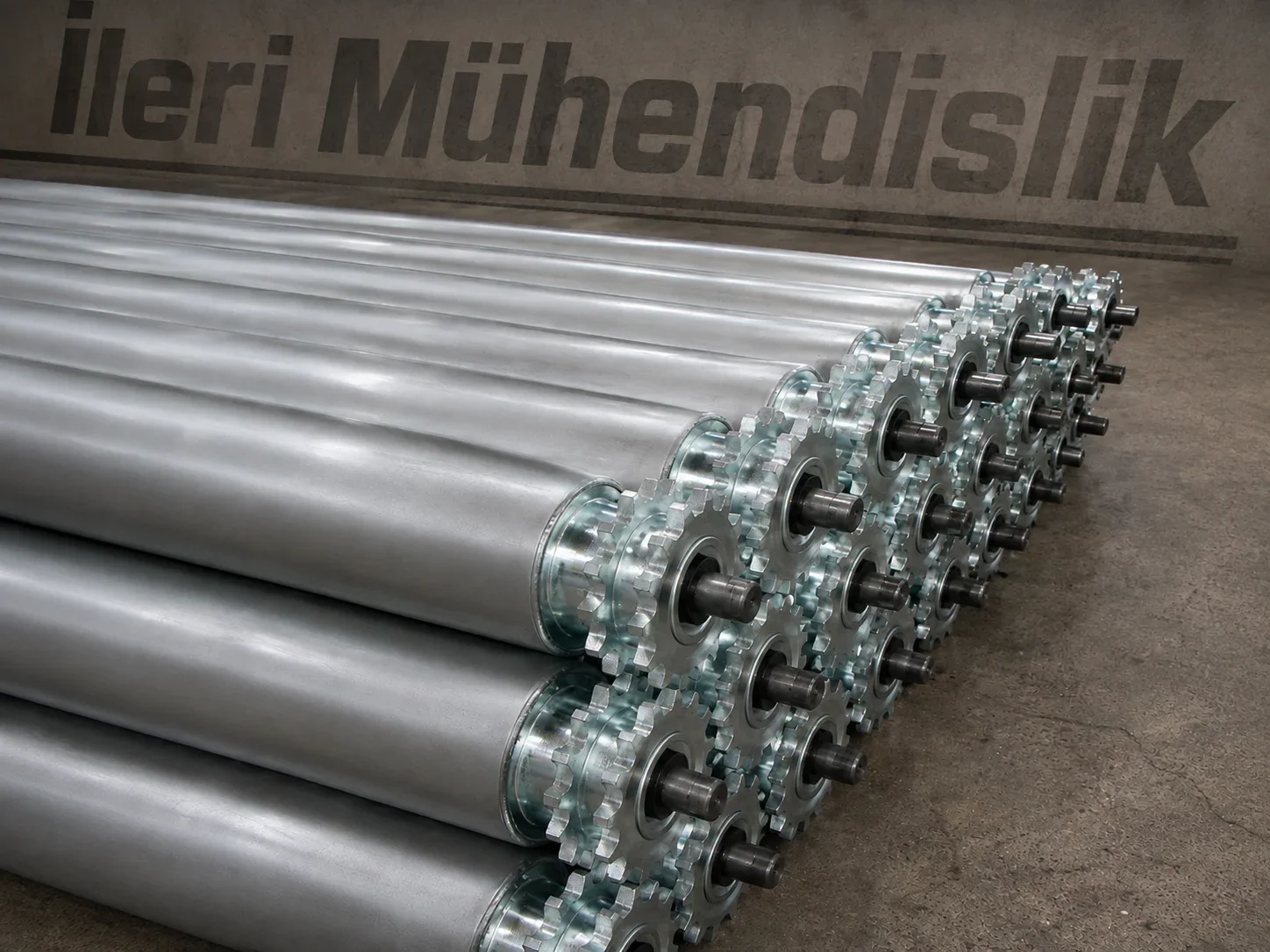
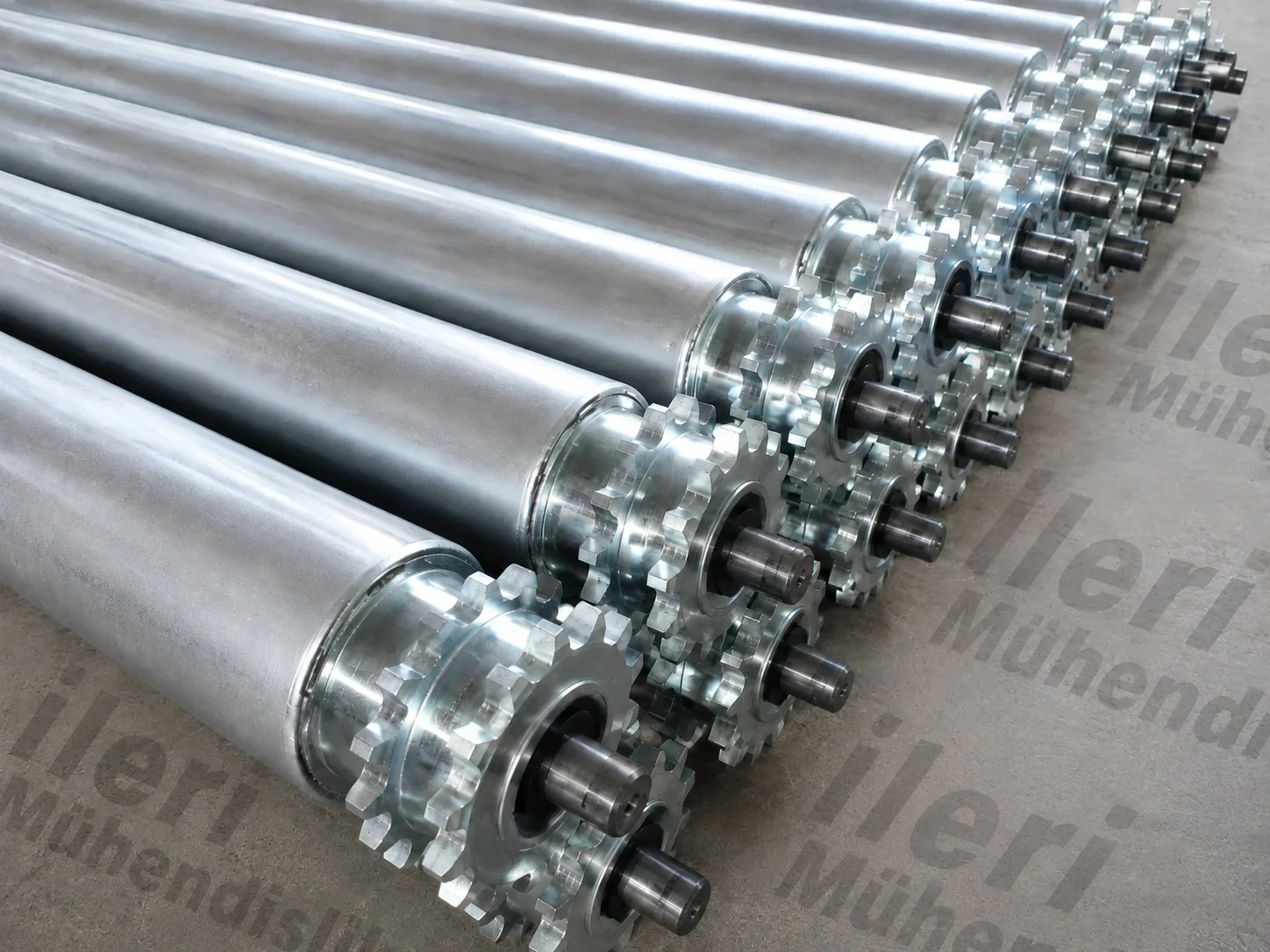
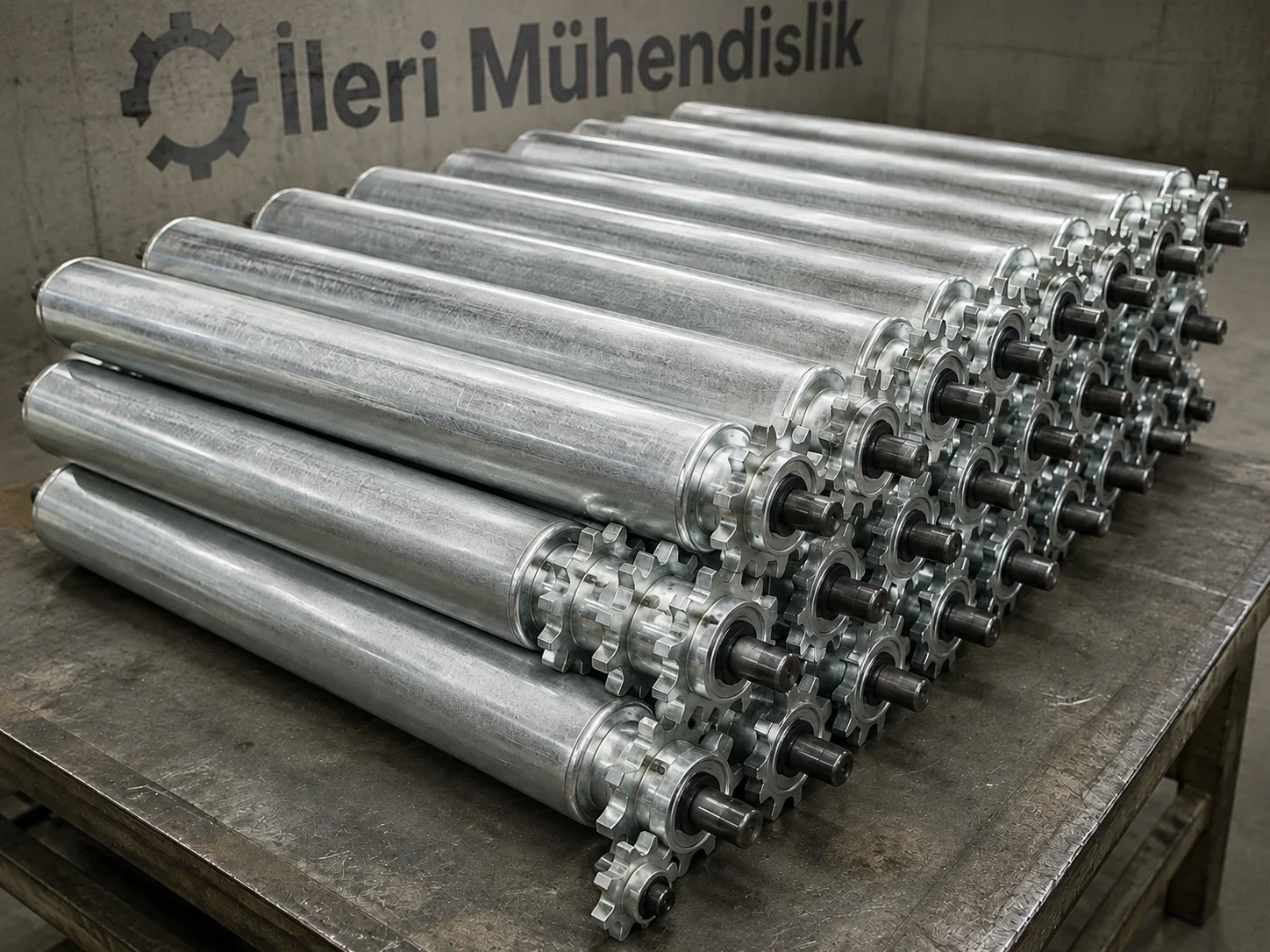
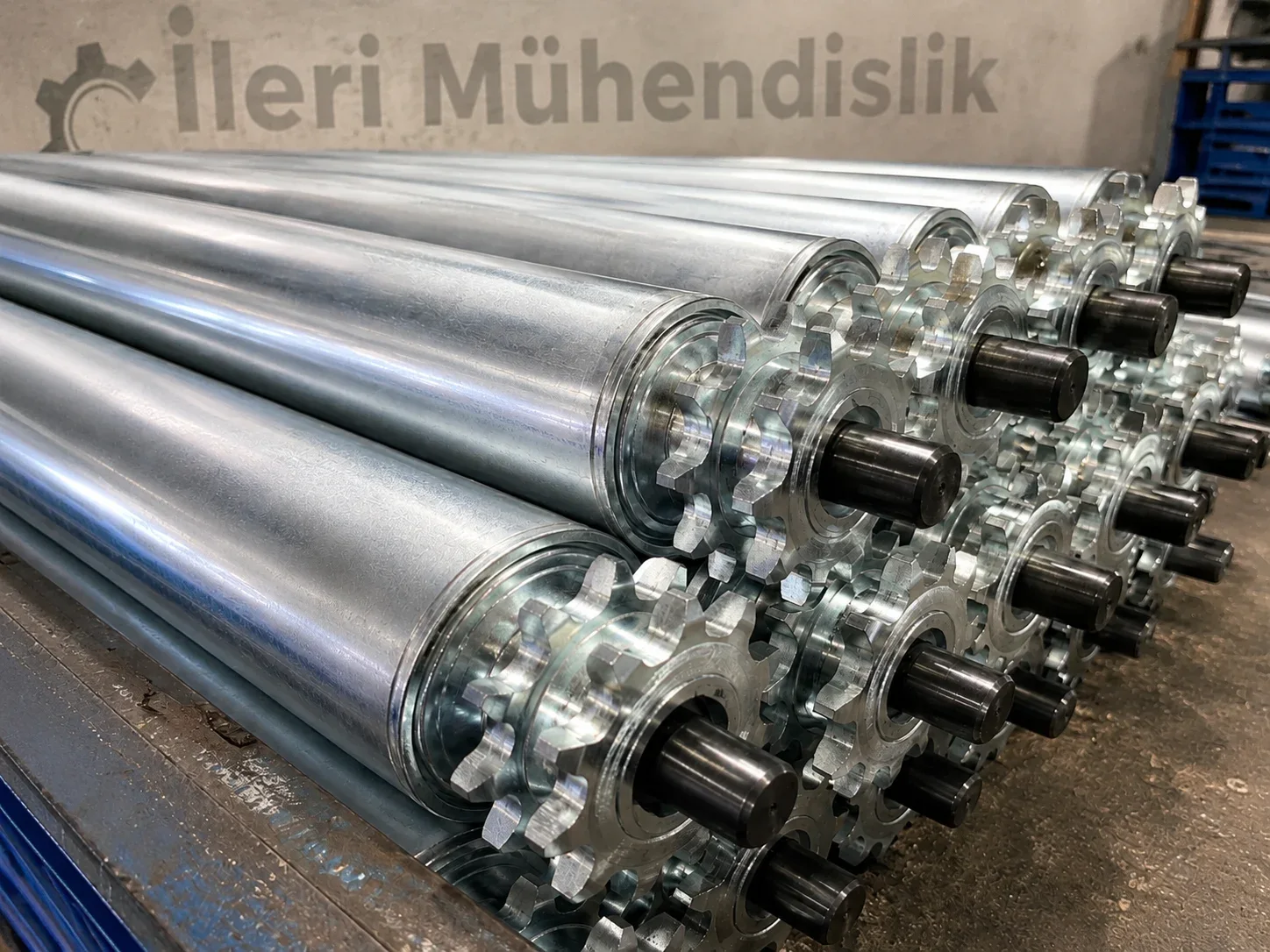
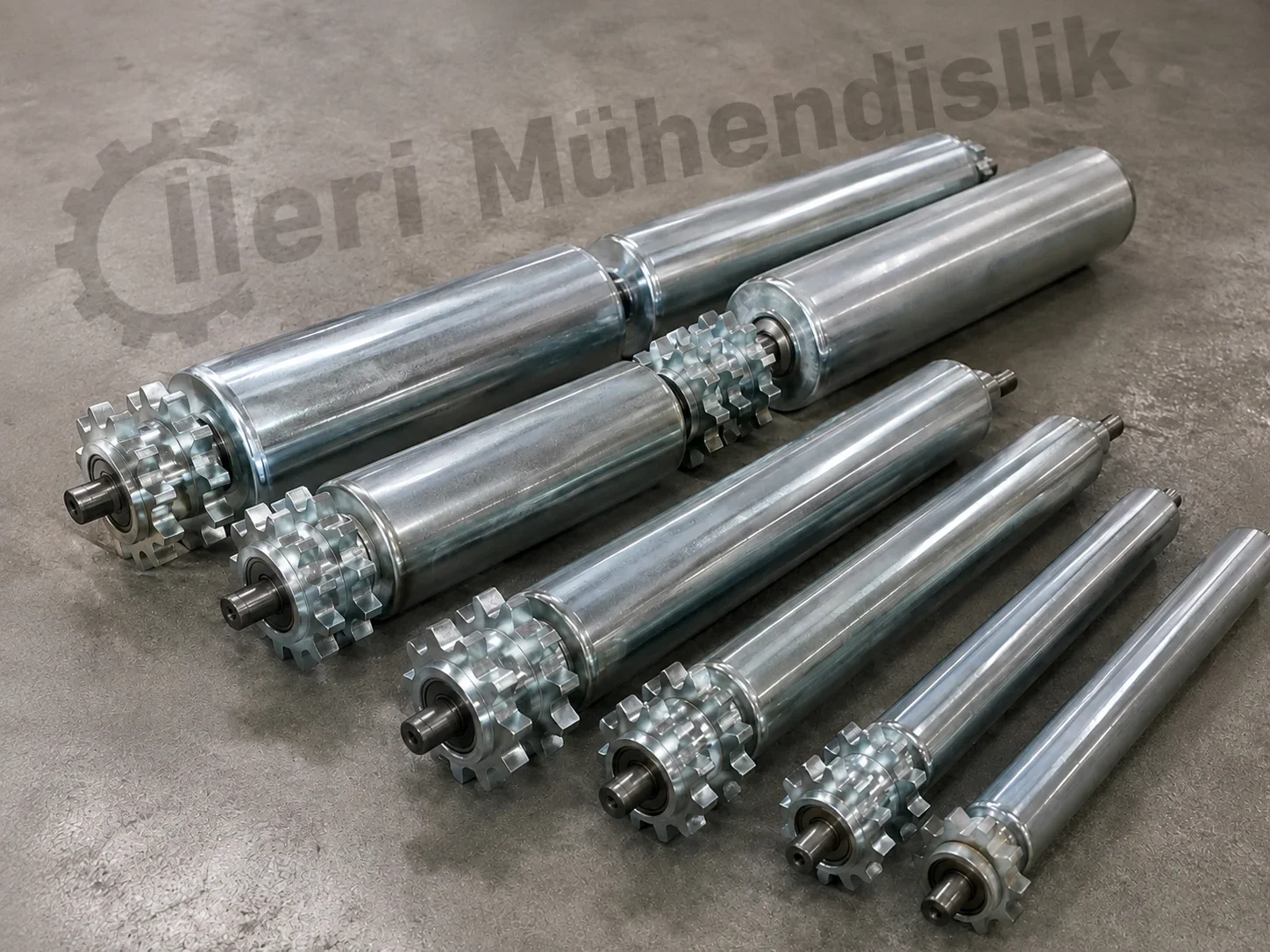
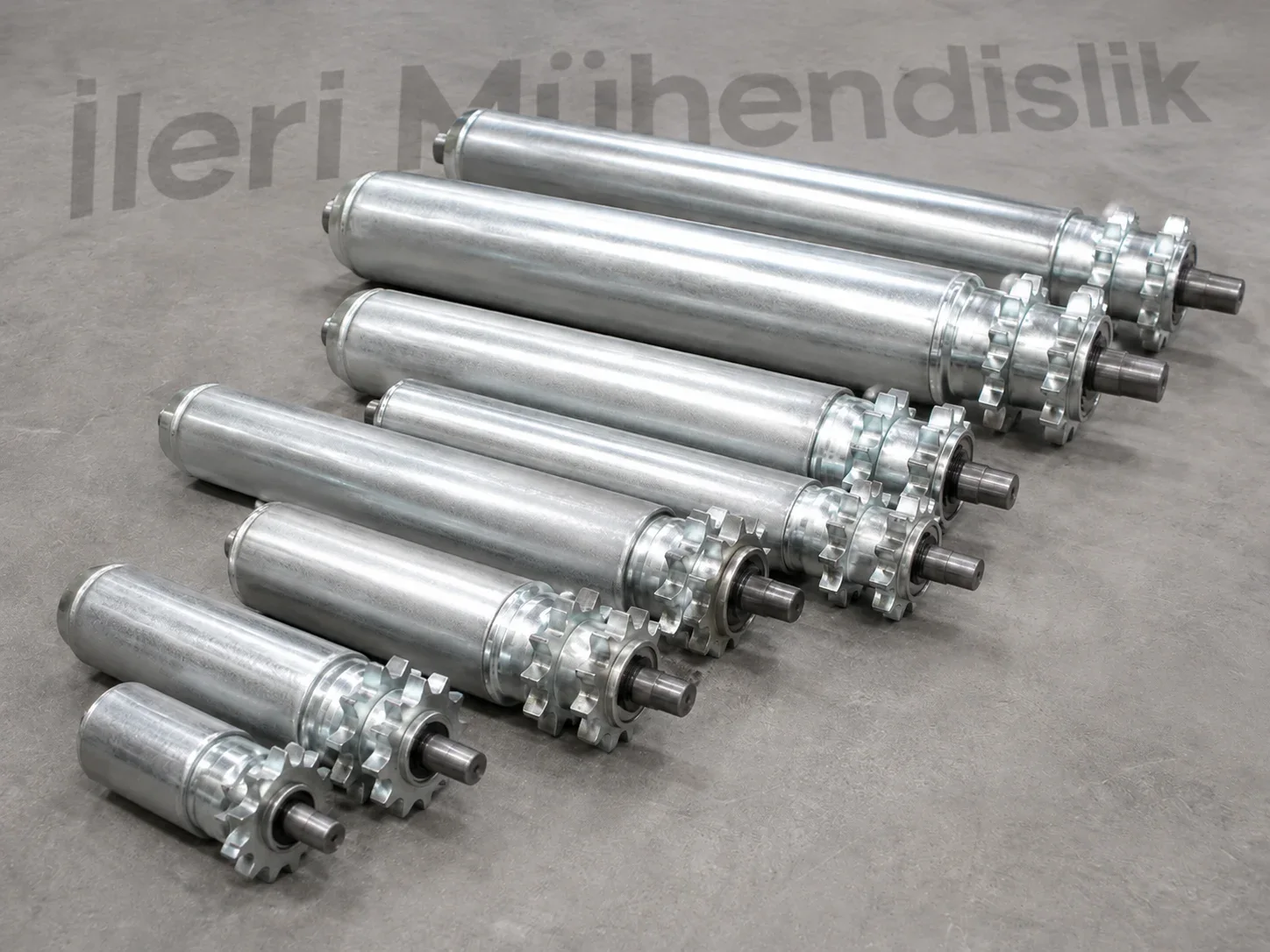
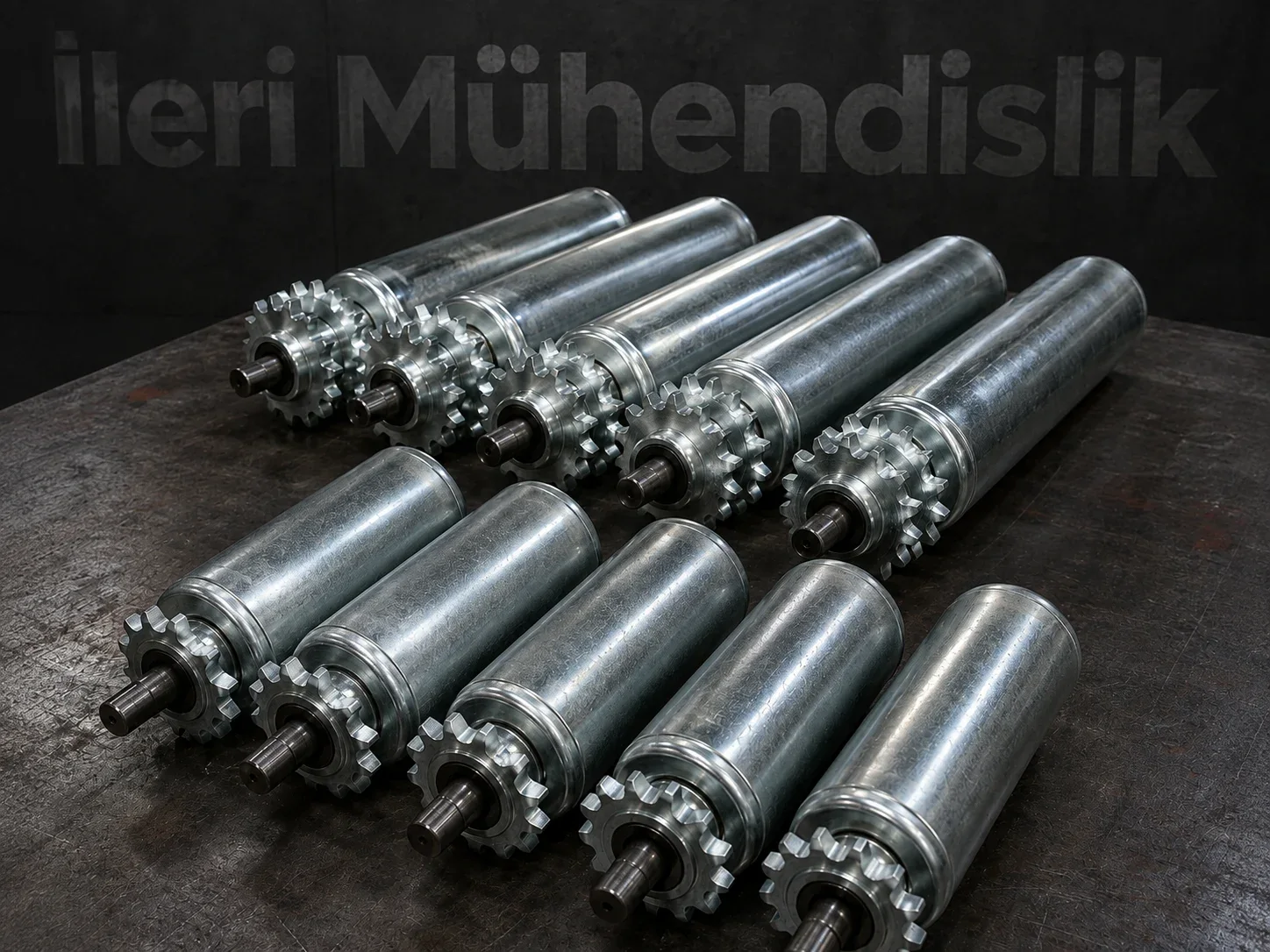
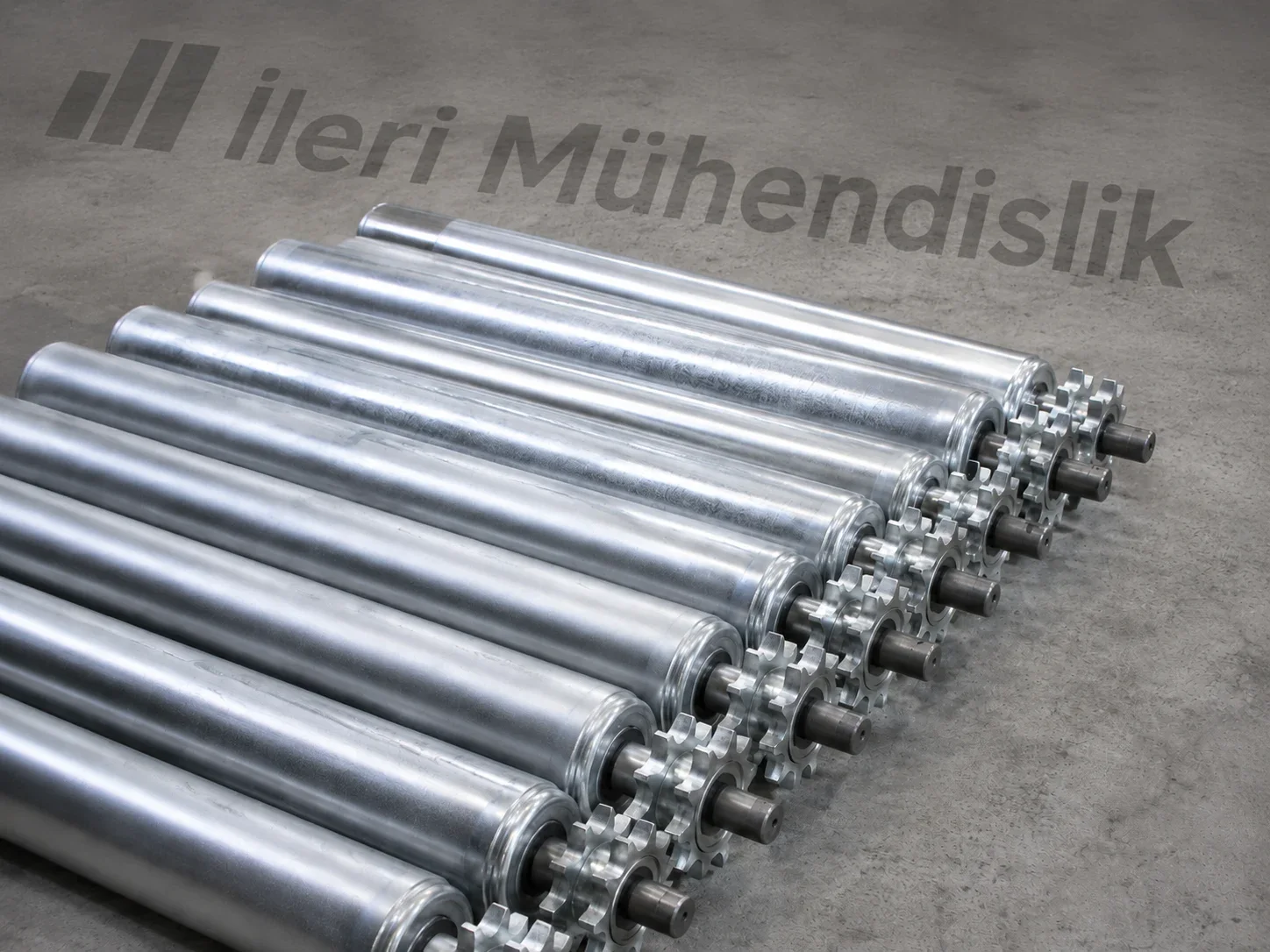
Chain Dental Conveyer Roll — Chain Dental Roll takes the drive movement through the chain. The order of the tooth, the size of the chain and the position of the tooth according to the shade, after matching the current transmission order, the body and bed are selected.
Sprocket Conveyor Roller The motor and reducer are the driven carrier roles used to transfer the movement from the engine and the sensor to the rolls by the chain and the dent system. Heavy load, palette, box, metal pieces and so on are widely used in the rolling carrier where the products are controlled. The roll diameter, the dent size, the mile structure and the rolling choice should be determined according to the load and system geometry to be moved.
What is the Chain Dental Conveyor Roll?
The chain-related transmitter rolls are installed on one or two sides of the roll ends. The turn movement from the motor-reductor is transferred to the roll over the chain. The one roll to the other roll can be turned with the same drive system by making a chain connection.
This structure is preferred especially in applications where high rotation requires and the sliding systems may be insufficient.
How does the chain tooth conveyor roll work?
The motor-reductor output moves the drawing diethal chain. The chain begins to turn the roll because it is connected to the diethal on the roll. The other rolls are also drawn thanks to the same chain line or the interroll transmission chains.
For the system to work properly, the chain tension, the parallelity of the dental axes and rolls is important. Faultly balancing can cause the chain to quickly stretch, sound or get out of the dentist.
Where is the Chain Tooth Roll used?
Chain-driven rolls are used especially in systems that require high transport capacity and strong mechanical transfer.
- The Palet Rolling Conveys
- Heavy Load Transportation
- Metal Part Transfer Systems
- Trees and trees transportation
- Automotive production lines
- Machine entrance and output carriers
- Depository and logistics systems
- Robot paleting lines
- Heavy service type automation carrier
Single tooth carrier roll
The single-tand carrier roll has a single-chain tooth on the roll. This structure can be used in some drive arrangements in the systems where the main chain moves directly through all the rolls.
One-tanded structure can provide a more simple mechanical order. But how the system will be chained should be determined taking into account the carrier length, maintenance needs and total load.
Double tooth carrier roll
Double-range tooth conveyor roll On the side there are two chain teeth. in this structure one teeth takes the movement from the previous roll while the other teeth moves can be transferred to the next roll.
The double-dental structure is one of the solutions that are often used in heavy service systems where the rolling chain transfer is done.
How to choose a chain tooth?
The number of the chain to be used, the number of teeth, the mile or stomach structure and the turn to be transferred should be taken into account when the chain and the teeth should be in the same standard and size.
As the number of teeth increases, the diameters grow and the mechanical location of the system changes, so the distance of the roll center and the area left for the chain within the shade should also be taken into account.
Why is the chain size important?
The strength, step and structure that the chain can carry may be different. The use of a low-capacity chain in the heavy load carrier may increase the risk of rapid extension or breakdown.
The chain selection should be made not only according to the total product weight, but also taking into account the engine turning, the output load, the number of rolls and the working time.
How to determine the chain tooth roll?
The diameter of the roll should be determined taking into account the product weight, the wheel width and the burden falling per roll. Larger diameter and thick meat roll pipes can be preferred in heavy loads.
For detailed information about the roll diameter How to determine the roll? You can check our page.
Choose a Chain tooth roll
In chain-driven rolls, the mile structure can be affected by both the product load and the drive forces. The mile diameter, the roll width, the roll type and the assembly form should be determined.
In particular, the heavy load applications must be carried out by the mile of the control. for technical details you can check our page of the mile selection of the carrier roll.
Choose a chain tooth roll
When choosing the rollman, radal load, roll turn, working time and environmental conditions should be taken into account. Due to chain drive, the rollman can be affected not only by the weight of the product, but also by the chain pull force.
Therefore, it is important to choose the right rolling capacity in heavy load systems. for detailed information, you can check our page of rolling rolling for the carrier roll.
Galvaniz Chain Dental Conveyor Rules
In standard industrial environments, galvanized steel body chain tooth rolls can be an economic and sustainable solution. Galvanized coating rolls help protect the surface from corrosion.
The roulette chain tooth can be produced in metal or different structures suitable for application.
The Dental Converter Rules
In working environments with moist or corrosion risk, stainless roll body can be preferred. If necessary, the mil, chain and dental system should also be selected from material that fits the environmental conditions.
for the roulette options The roulette of the non-cover You can check our page.
The Chain of the Role Difference Between the Role
Idler Conveyor Roller It is not actively driven by the engine. it freely rotates thanks to the movement of the product or external force.
In the chain-dental roll, the roll takes the movement from the engine-reductor through the chain, so the chain-dental rolls are preferred in the systems that the product needs to be controlled and automatically moved.
Difference Between Chain Dent and Poly-V Wiped Roll
Poly-V Conveyor Roller While transferring the movement through the slope, the chain works with the roll chain and metal tooth.
Poly-V systems can provide the advantage of quiet work in the coole and medium load applications, while chain drive is advantageous in higher rotations and heavy load applications.
Care in the chain tooth conveyor roll
Periodic maintenance in chain-driven rolls is important. Chain tension, tooth swelling, rolls and roll rotation state should be checked at certain intervals.
The excessive lightweight chain can cause the work to be stumbling and the tooth can jump. The excessive stressed chain can carry unnecessary burden on the rollers and the moulds.
The Advantages of Chain Dental Conveyor Roll
- High turn transfer
- Compatibility with heavy cargo transportation systems
- Single or double tooth selection
- Production in different diameter and widths
- Use in palette and heavy cash transport systems
- Easy integration with motor-reductor systems
- Galvanis and non-space body options
- Long-term industrial use
How to measure the chain-to-dental carrier roll?
The diameter of the roll tube, the length of the work surface, the total mile length, the mile diameter, the number of the teeth, the size of the chain and the position of the teeth for the roll production should be indicated.
If a new one of the existing rolls is produced, the photo of the roll, the total sizes and the detailed image of the side of the tooth, especially, will make the production process easier.
The price of the chain tooth carrier
The prices of the chain-to-the-dental carrier roll varies according to the roll diameter, work width, tube-to-the-mile thickness, mile diameter, rolling type, number of the tooth, chain standard and production unit.
Double-dental, heavy-service rolling or stainless production may have different costs according to standard single-dental galvanized rollers.
Special Chain to the Project Conveyor Rules Manufacturing
As advanced Engineering, we can produce chain-to-the-dental carriers rolls in one-to-the-dental, double-to-the-dental and different roll diamonds according to the project dimensions. Roll tube, mile, roll and tooth structure can be determined according to the system load.
The diameter of the roll, the work width, the mile diameter, the size of the chain, the single or double tooth need and the desired unit Get a quick offer You can send it through the form.
Other types of carrier roles
for different driving options The Conveyor Rules From our section you can explore the avar, double-range, Poly-V-cranking, O-ring channel, conic and other special production rolls.
Interested products and application links
- All types of carrier roles
- Idler Conveyor Roller
- Spring-Loaded Shaft Conveyor Roller
- Share your roll sizes and ask for an offer
Technical information on other sites
You can also read the descriptions on our other Advanced Engineering sites for the same product group. We can clarify the technical scope of your measurement-specific product together through your existing parts and working conditions.