
Role cover and headlines
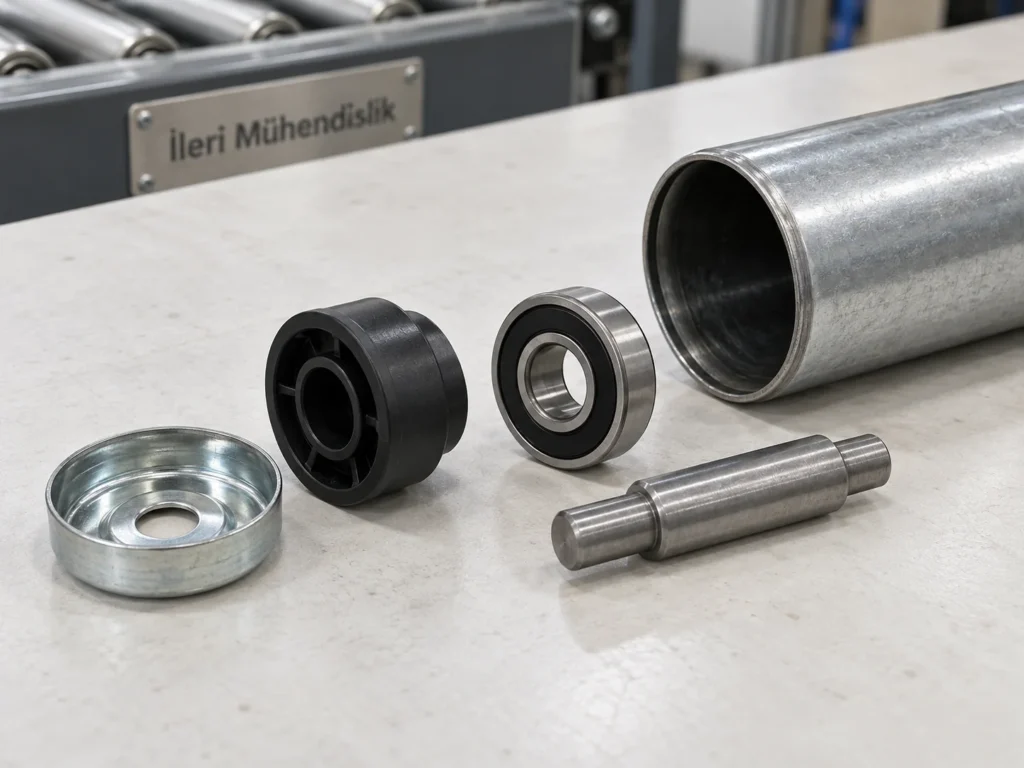
The Role Cover and Head Visual Gallery
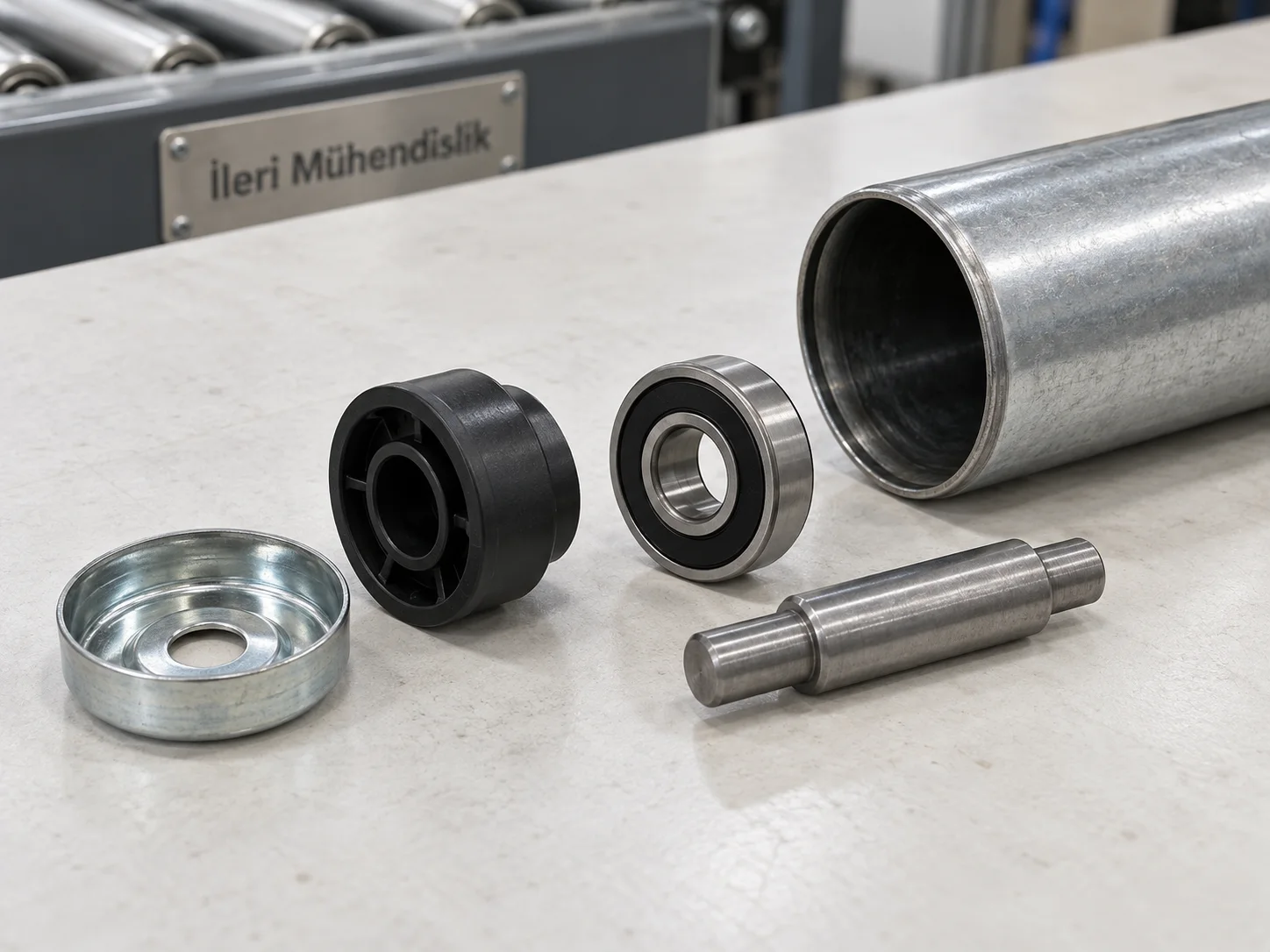
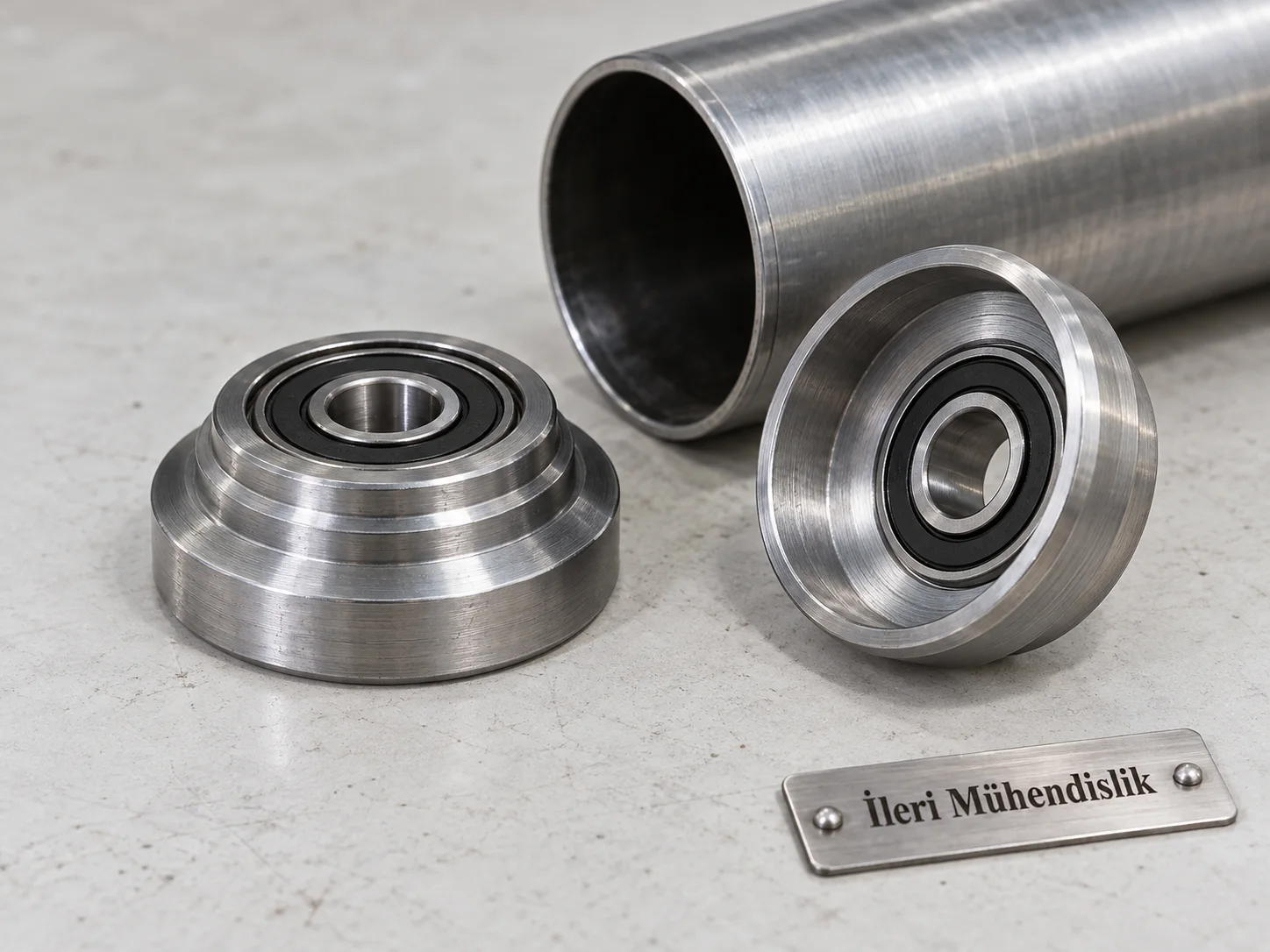
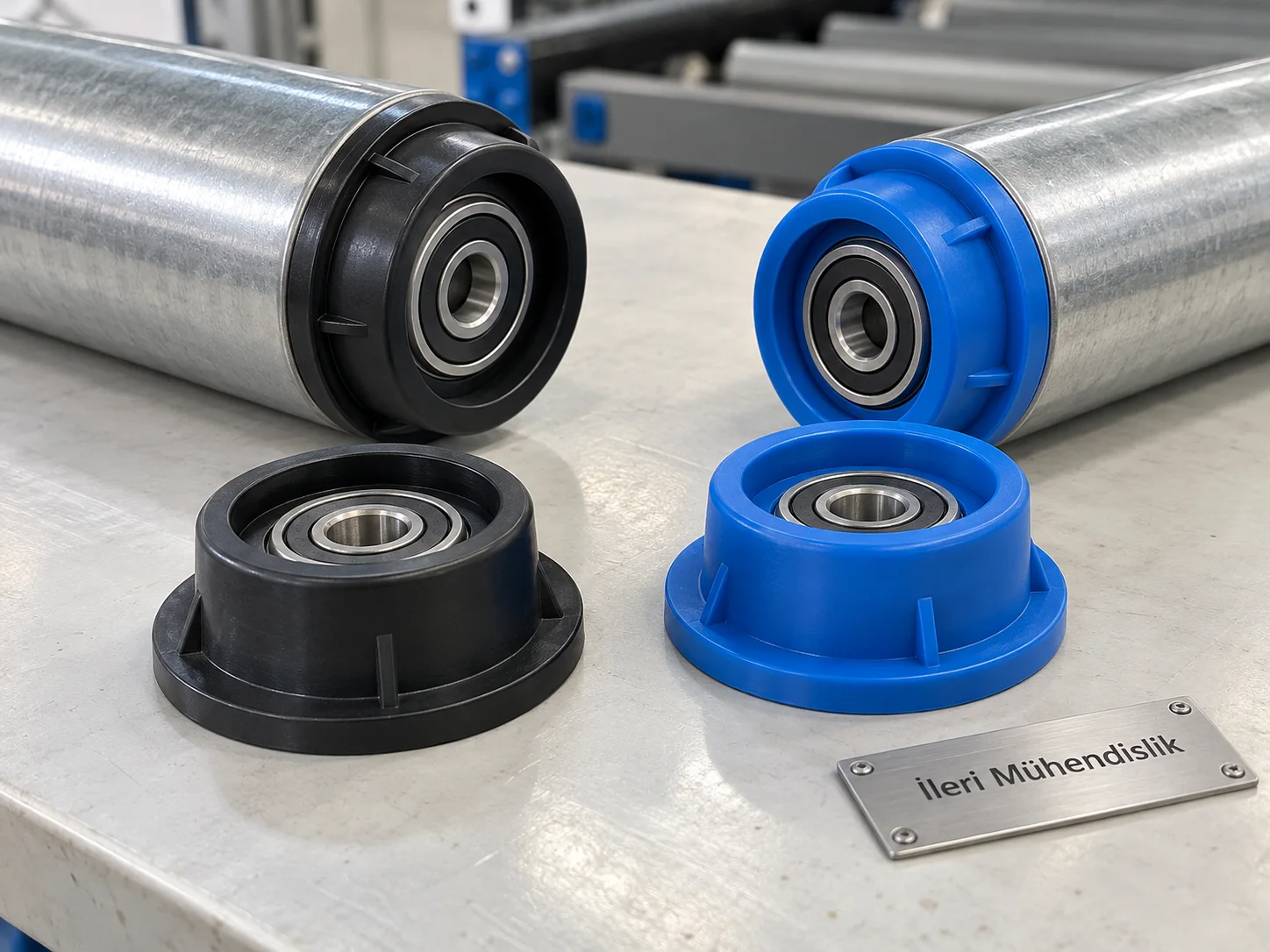
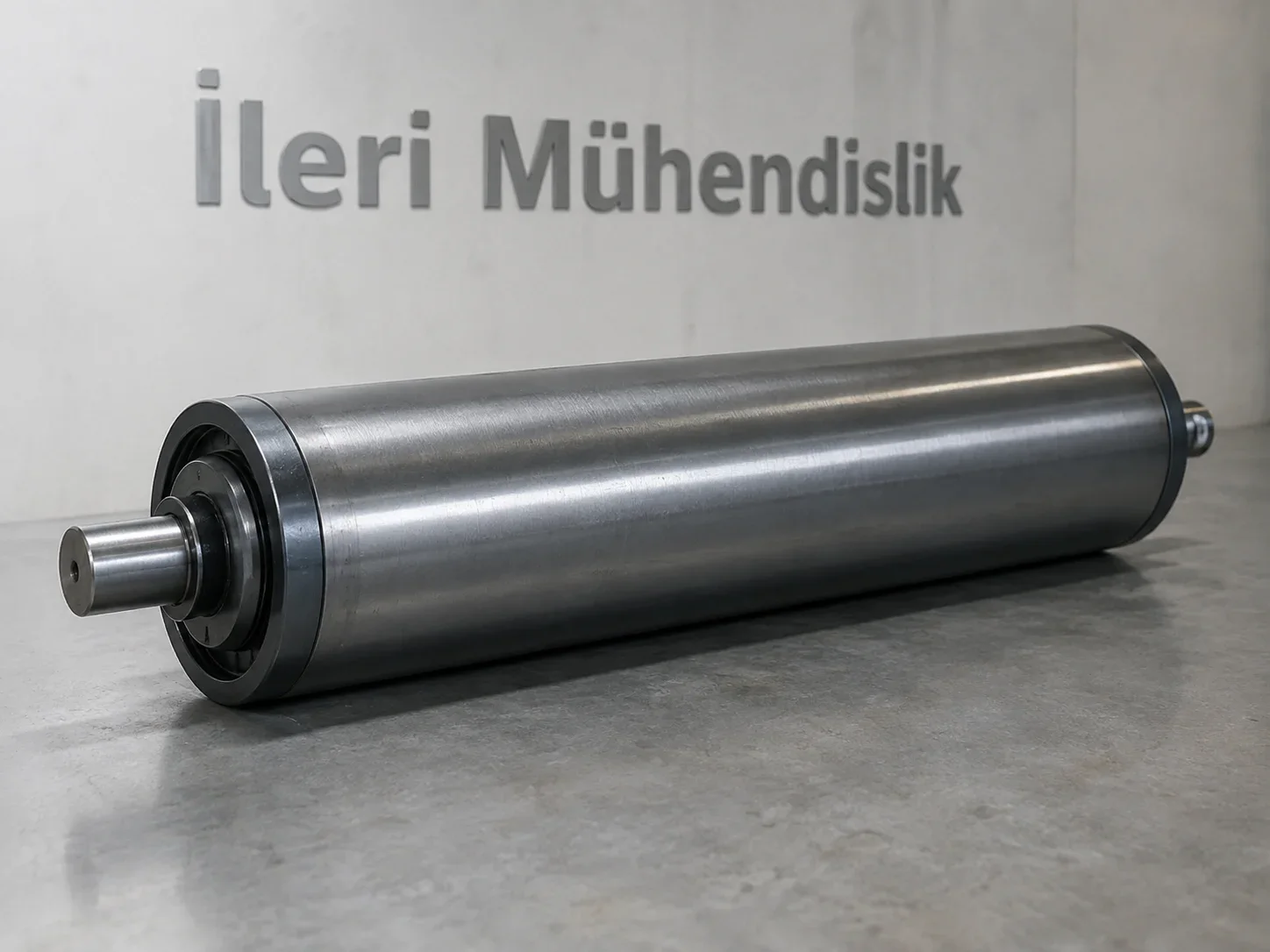
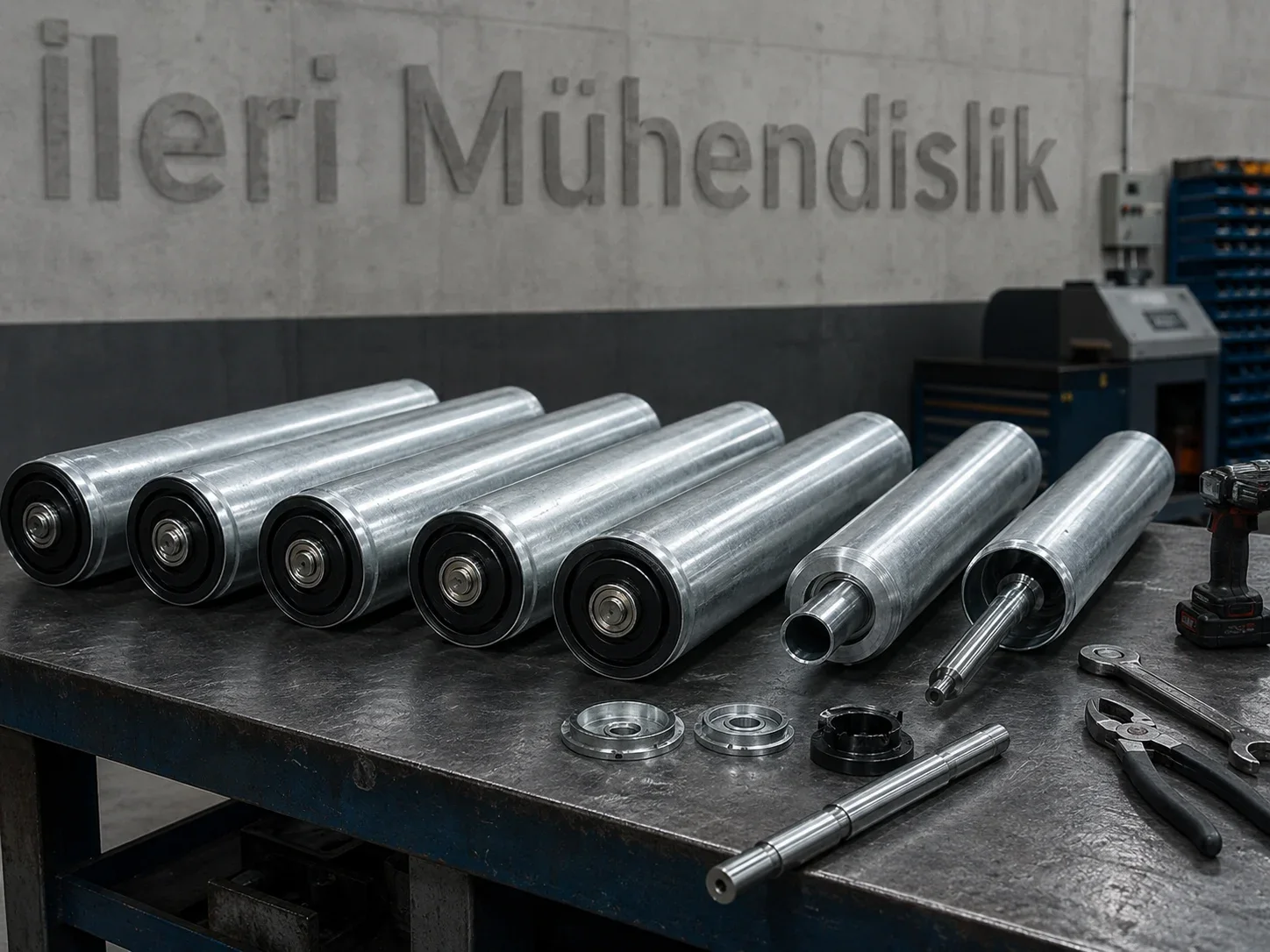
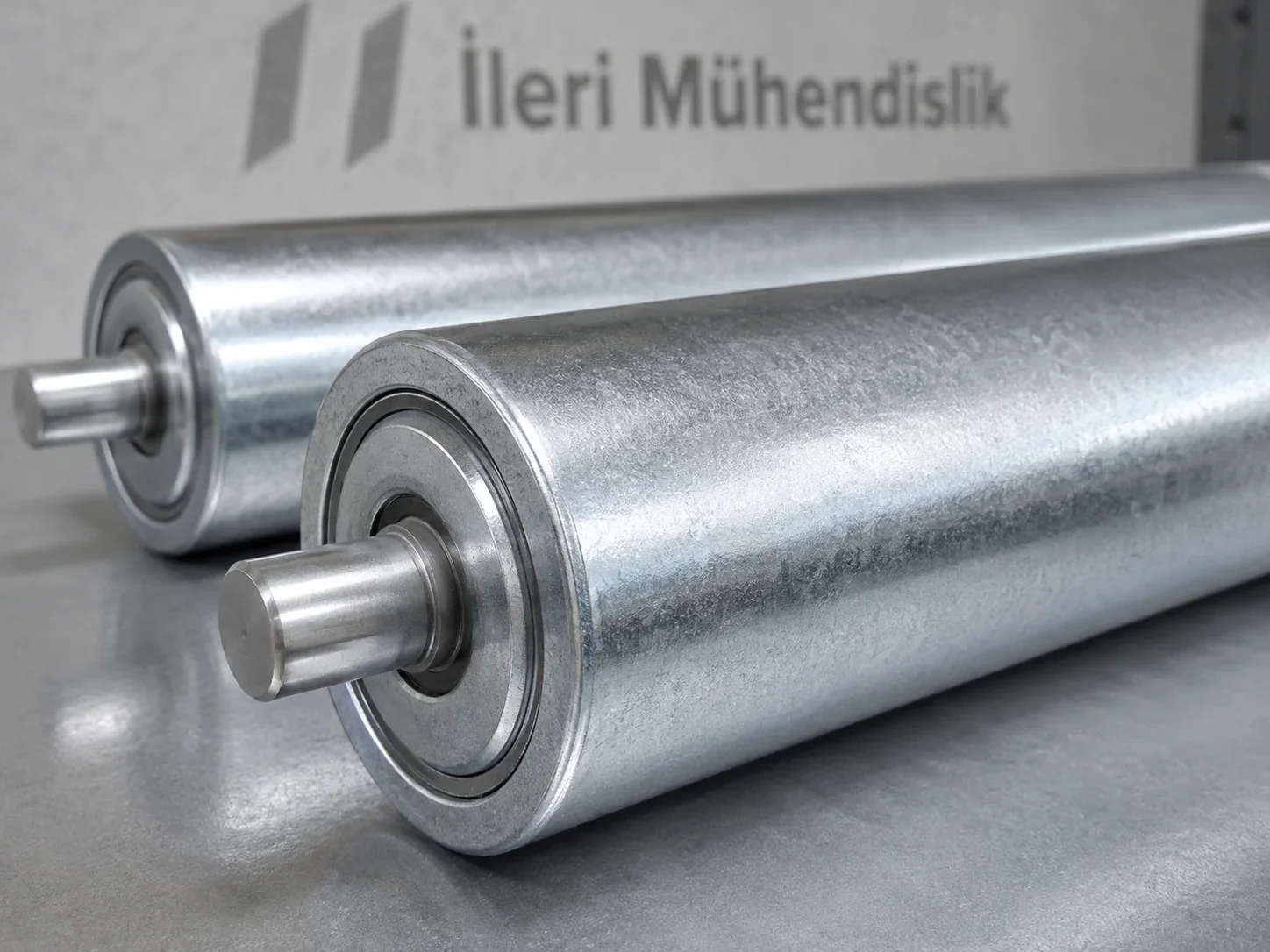
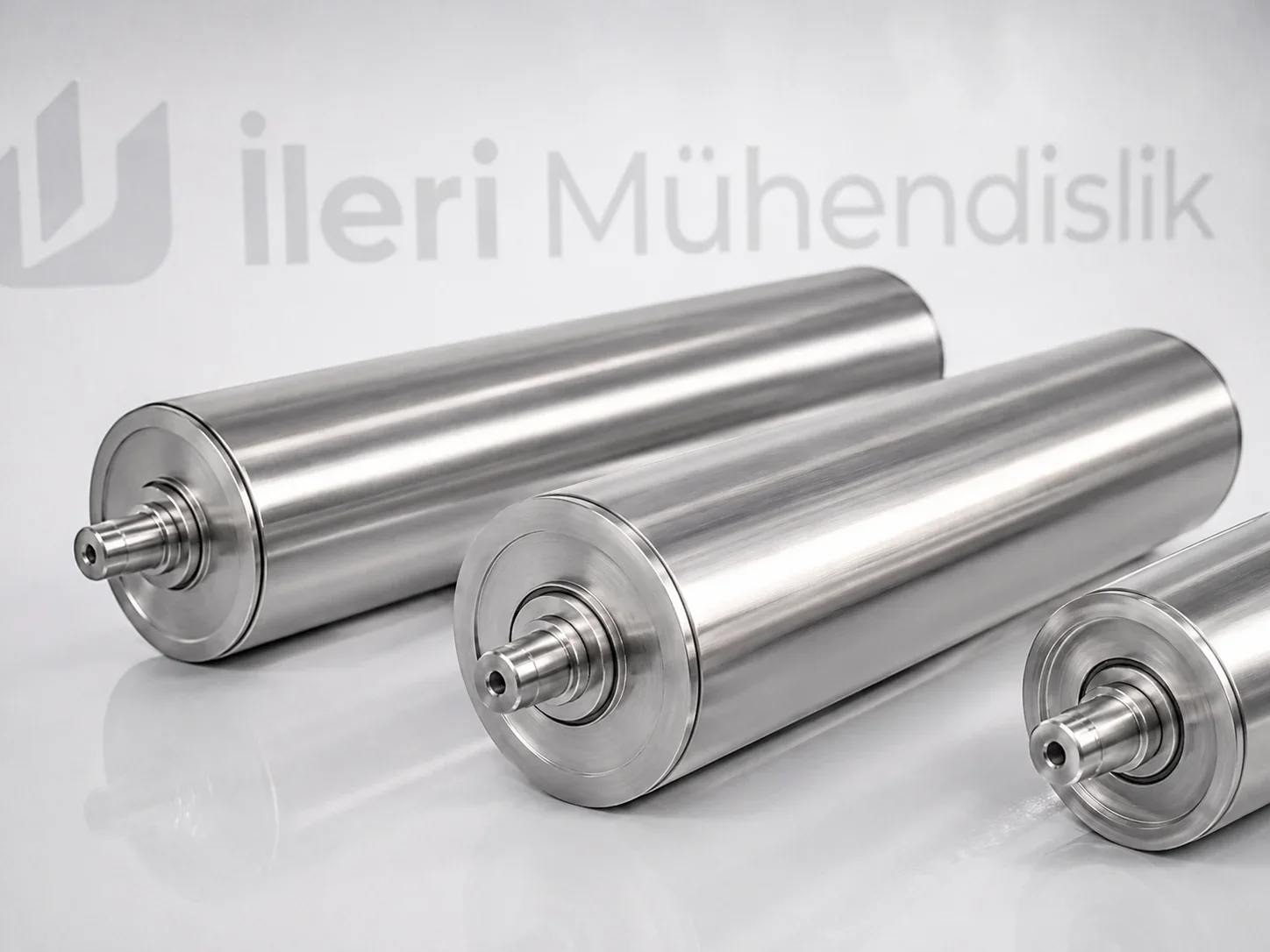
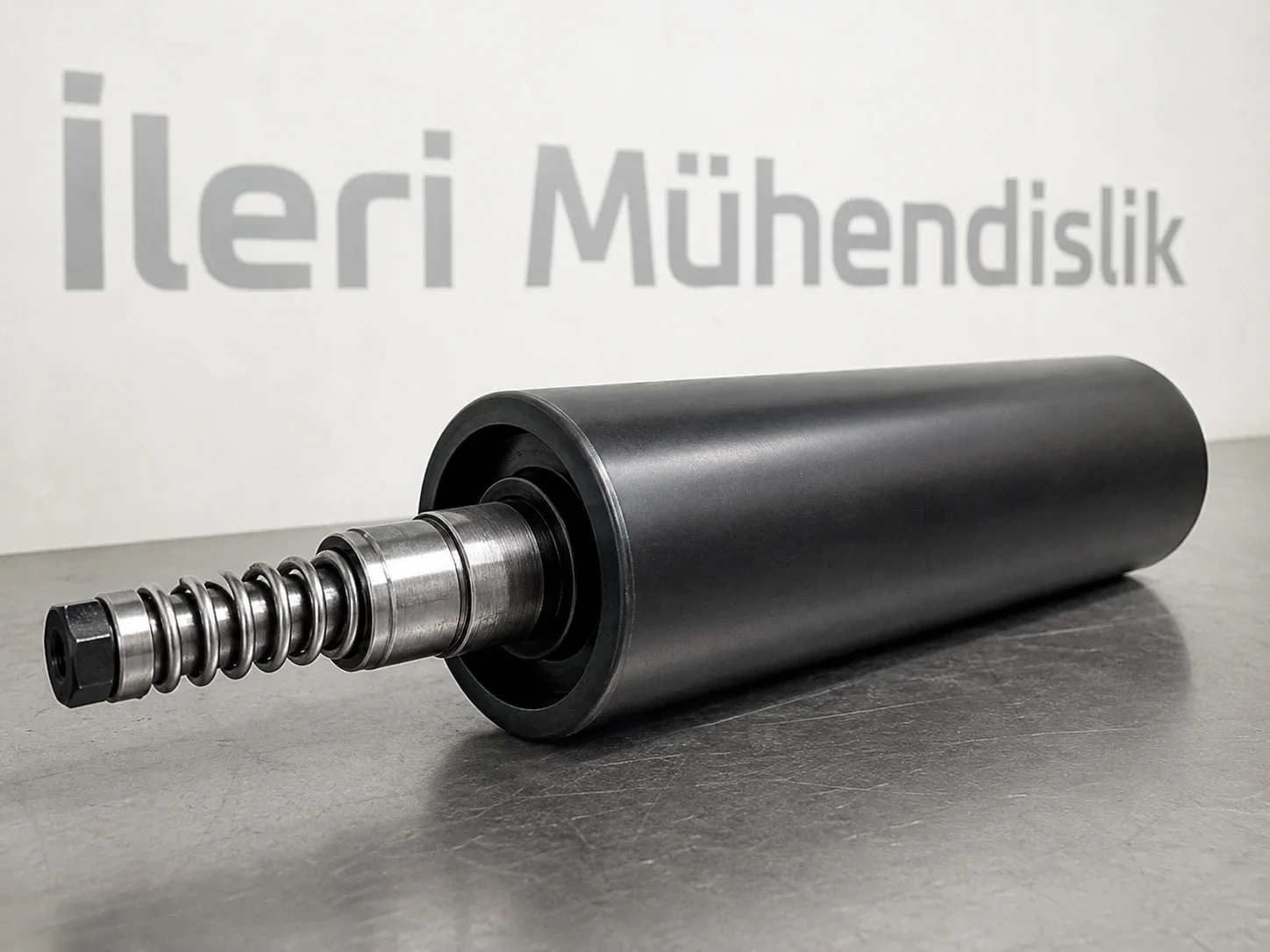
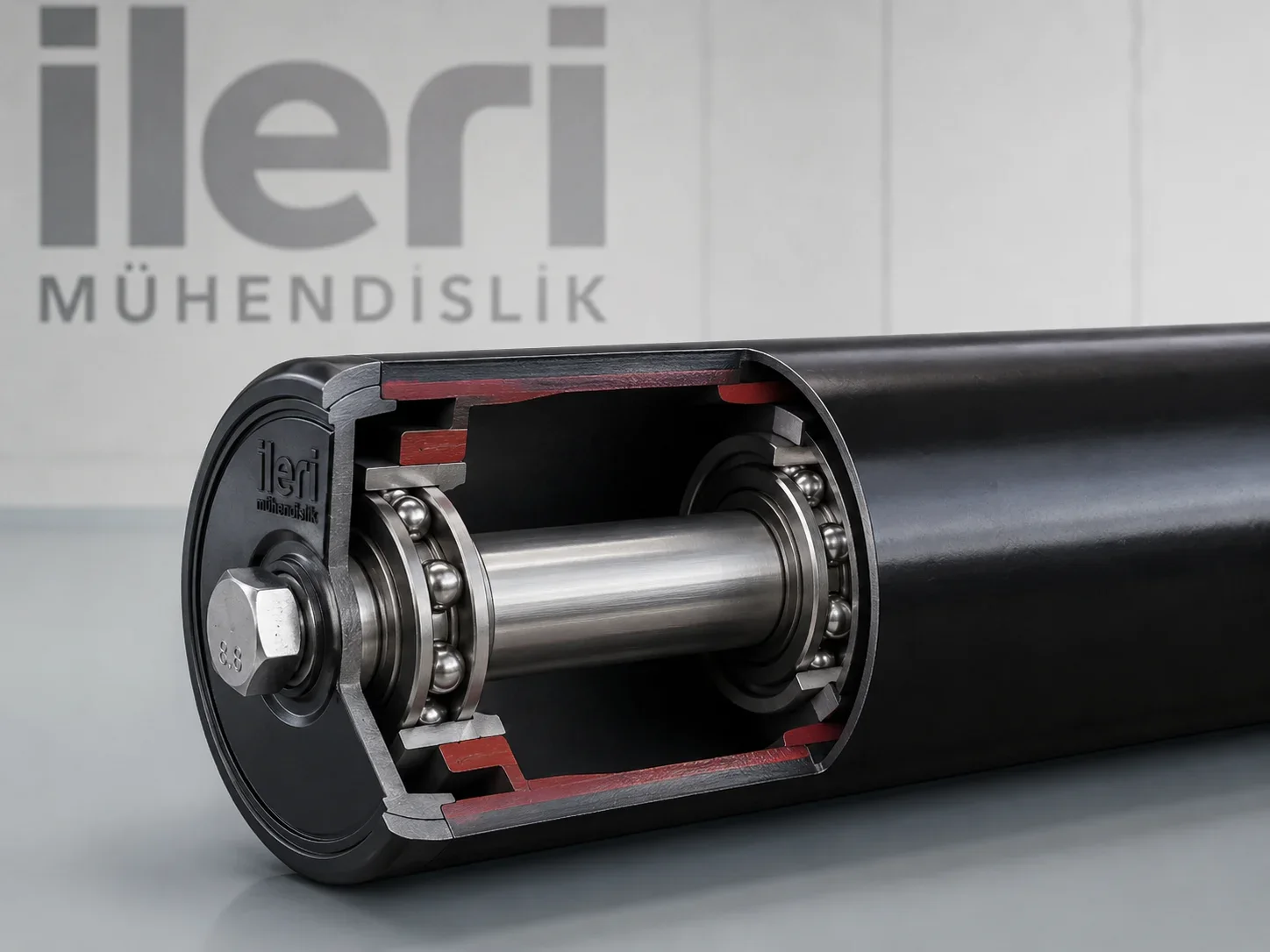
Roll cover and headlines are pieces that combine the body tube with the roll and mile order. The purpose of the headline choice is not only to close the tube end; it is to correctly set the axis of the bedroom, the assembly size and the service order. Metal and plastic headlines are assessed separately according to the need.
The measures to be separated in the title order
The outer diameter of the tube, the internal diameter of the tube and the rolling slope are three different measurements. If the flesh thickness of the bodies with the same outer diameter is different, the cover seat can also be different. The part entering the tube of the head, if there is, the outer flame and the depth in which the rolling is placed should be shown in the technical picture. The match of a piece only with the photo from the outside, this internal measurement cannot be explained. The appearance of a dissolved sample or both the front and the back of the head, provides a healthier assessment in the proposal stage.
The type of roll is selected as a set of headline and mile diameter. It must be written whether the rolling headline or the rollless cover is required in the order. The code of the current roll can be read makes it easier to match the sharing. The unleashing, dust and moisture conditions affect the rolling order to be used. A seed or additional protective part outside the cover can also be included in the total assembly size. Only if the cover is changed, it is useful to check the current rolling status as well.
In metal headings, the form of connection to the body and the accuracy of the axis are checked. In plastic headings, the conformity of the material to the working conditions and the layout of sitting on the tube are assessed together. The head is metal or plastic alone does not form a capacity statement for the whole roll. The load on the tube, mile and rolling should also be assessed. The appearance of the cover used in another product is similar, it is not recommended to be directly attached to the tube in different sizes.
The mile end, the wing end, the tooth and the cranberry are different parts from the head; but they can be found together in the same end area. The placement of these parts affects the selection of the head and the order of discharge. In the spare parts request it should be indicated whether only the cover will change or the full end set with the mile and the rolling will be prepared. After the assembly the rolling body should be comfortable turning, the head should not play from the head place and the ends should not create a twist by contacting the six. These controls confirm the measurement of the parts to each other.
Measurement and connection control for roll cover and headings
The total length of the mile is written separately with the tube length in measurement. The mile output may not be the same on both sides. The clear openness between the mile, the hole or channel and end connection is recorded. The size of the spare part is taken from the old sample and the size of a overwhelmed surface should not be considered as the production value. If there is a technical picture, it is shared with the photo, the interpretation of the measurement and the position of the pieces is clearly made according to each other.
| The body size | External diameter, tube length and meat thickness |
|---|---|
| Measurement of Mills | Diameters, total size and output in two ends |
| Connection | Sixth slot, mile end and assembly part |
| beds | Rulman code, cover seating and non-flat |
| Working knowledge | Product base, load distribution, speed and environment |
Point to be checked and monitored
When the head assembly is completed, the rollman should sit in place, the body should turn properly and the mile end should be safe placed in the shade. It is useful to record the task and the seating direction of the old piece when the change is done. If the tube end is a square or deformation, the new cover can be prevented from sitting properly. If there is repeated relaxation in a head, it is necessary to examine not only the cover, but also the tube mouth, the mile precision and the load order of the bed.
Frequently Asked Questions
Is it enough to give the outer diameter of the tube on the cover order?
No. The tube needs the internal diameter, the thickness of the meat, the rolling slope and the mile size. The same external diameter may have different seating sizes.
Is it taken with the roulette?
If necessary, a rolled head or unrolled cover can be requested. The proposal must be clearly written which parts are included.
How to choose metal or plastic cover?
The load, body, roll, environment and assembly method are assessed together. The material name alone is not a capacity statement for the whole roll.
What information should be shared for the offer?
In a new transport line, the product's base size, the weight of the piece, the number of the product accumulated on the line and the working time are indicated. The photo from close to two ends with the general appearance of the existing piece in the replacement roll or head is shared. The order's full roll is clearly written that it is only cover, the rolled head or the cover renewal. The piece, the material preference and the existing technical picture can be evaluated together and the production scope can be more accurate determined. The production scope can be pre-evaluated according to the photo, but the production basic measures must also be verified.
Interested products and application links
- All types of carrier roles
- Metal covered carrier roll
- Plastic covered carrier roll
- Share your roll sizes and ask for an offer
Technical information on other sites
You can also read the descriptions on our other Advanced Engineering sites for the same product group. We can clarify the technical scope of your measurement-specific product together through your existing parts and working conditions.