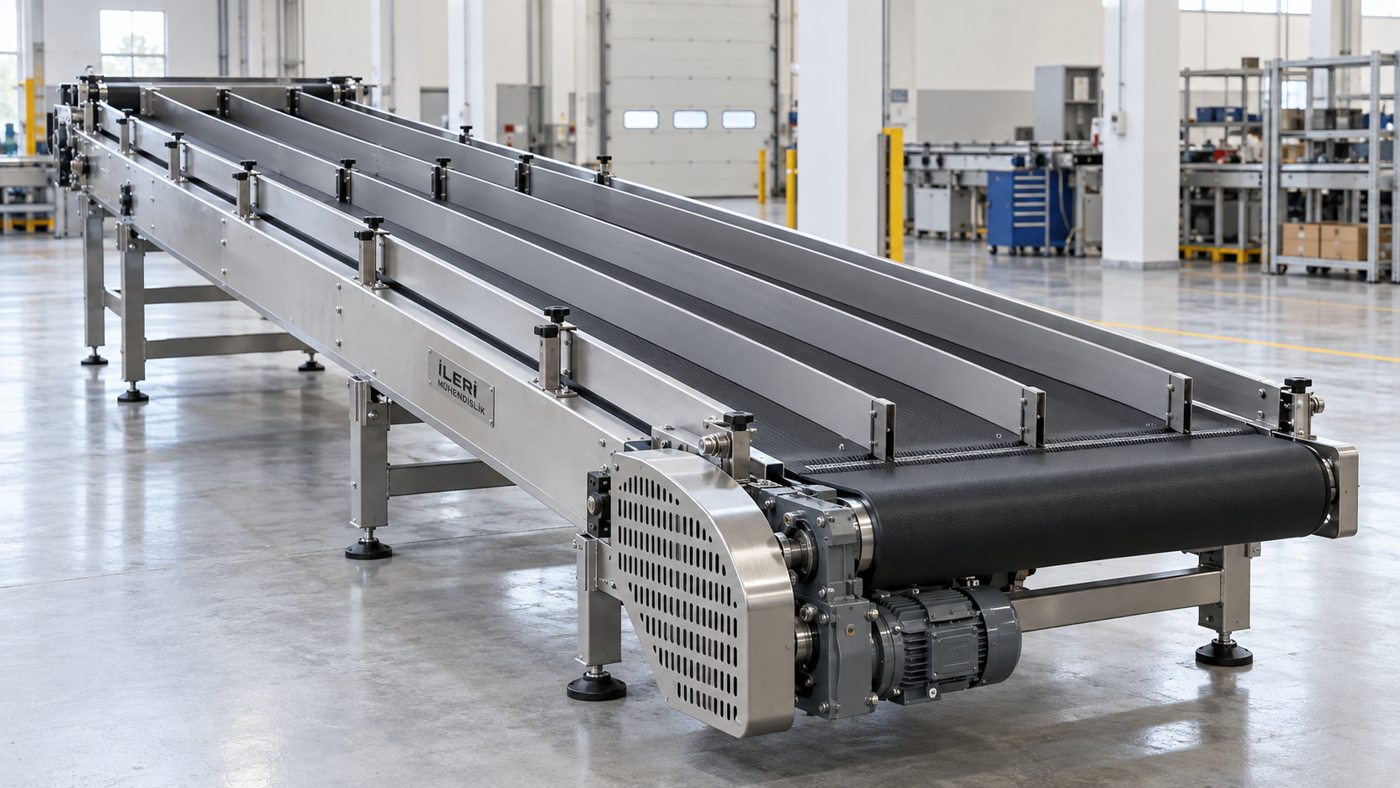
The road transfer
The Visible Gallery of Transmitters
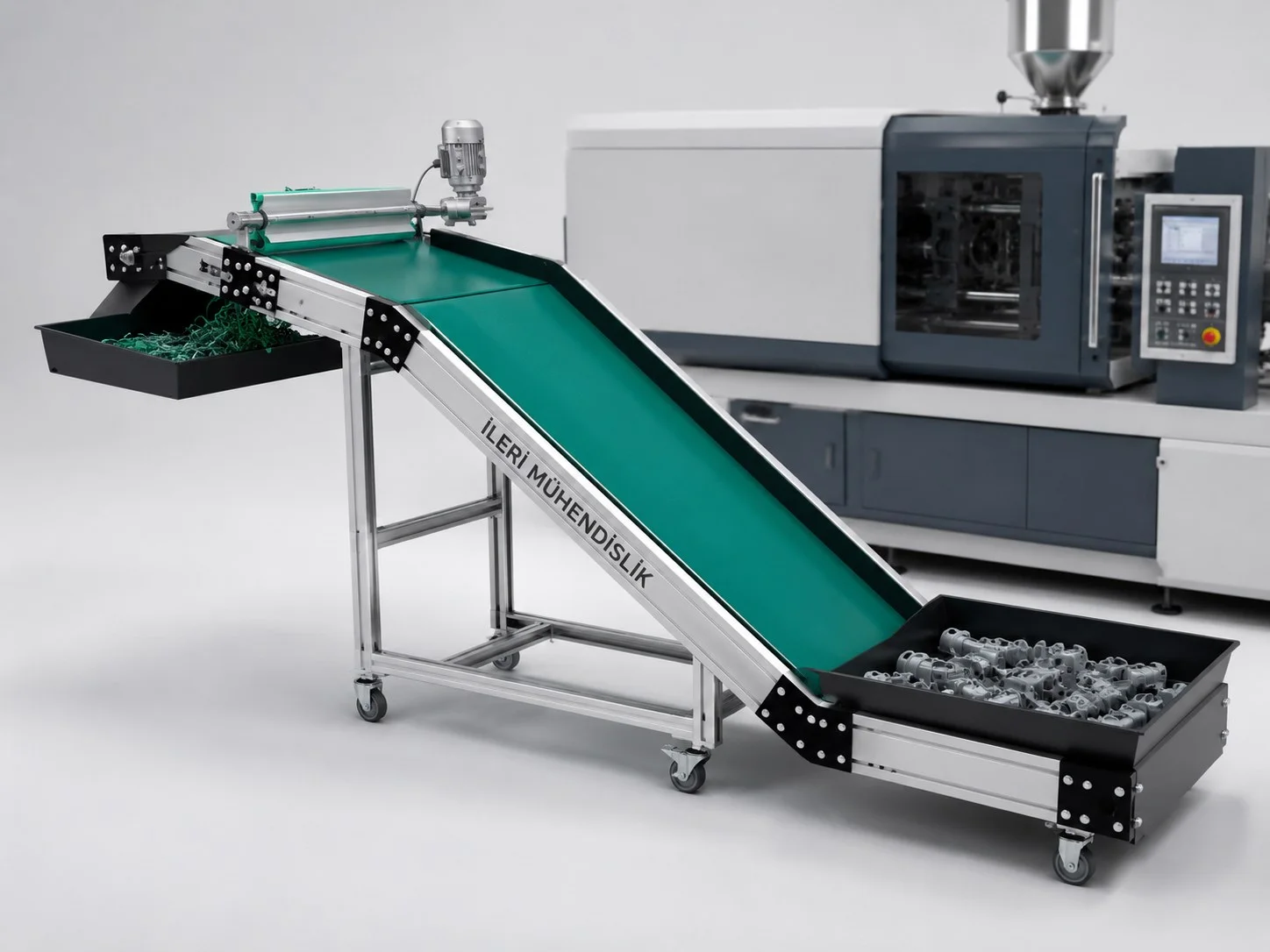
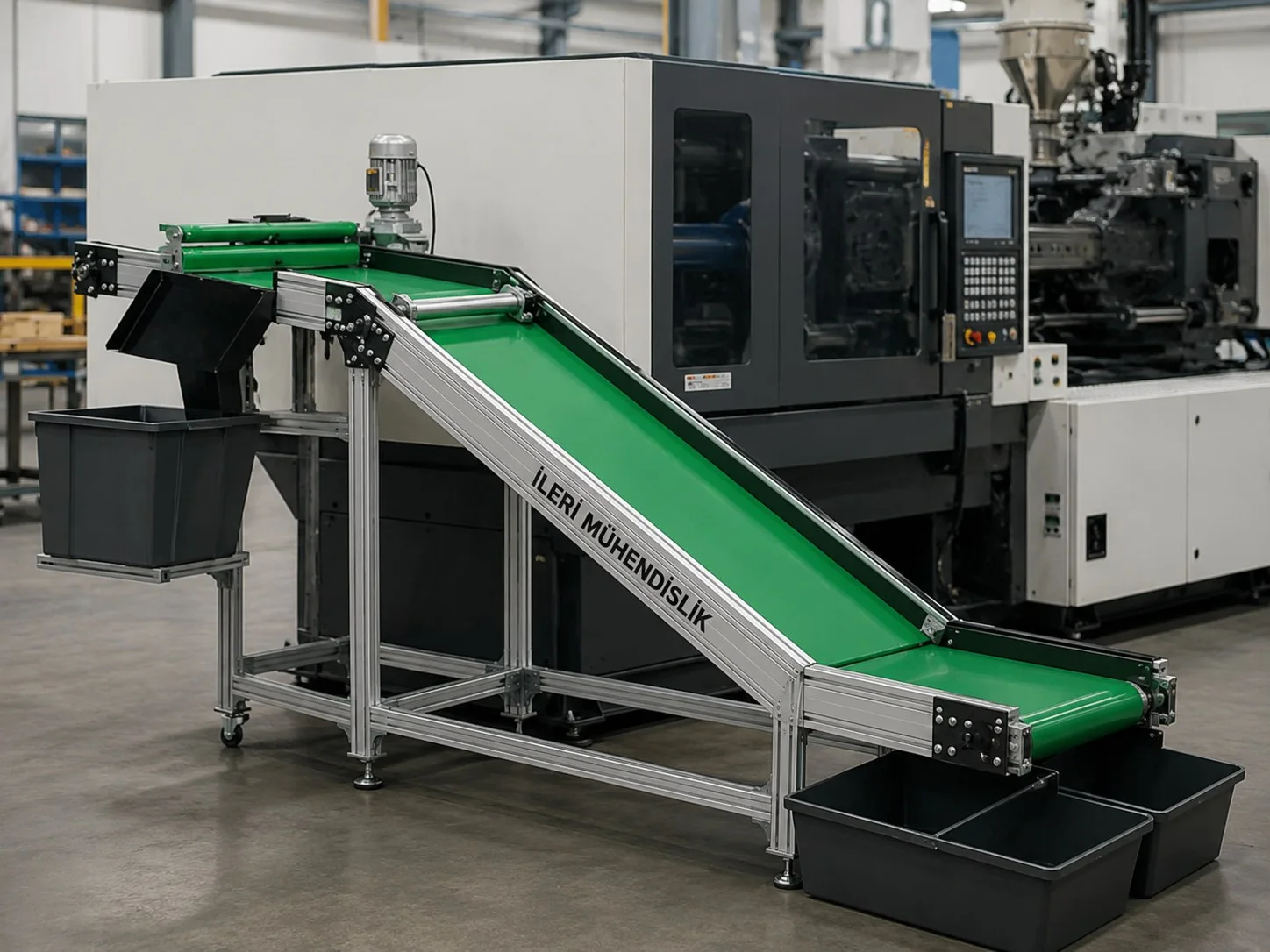
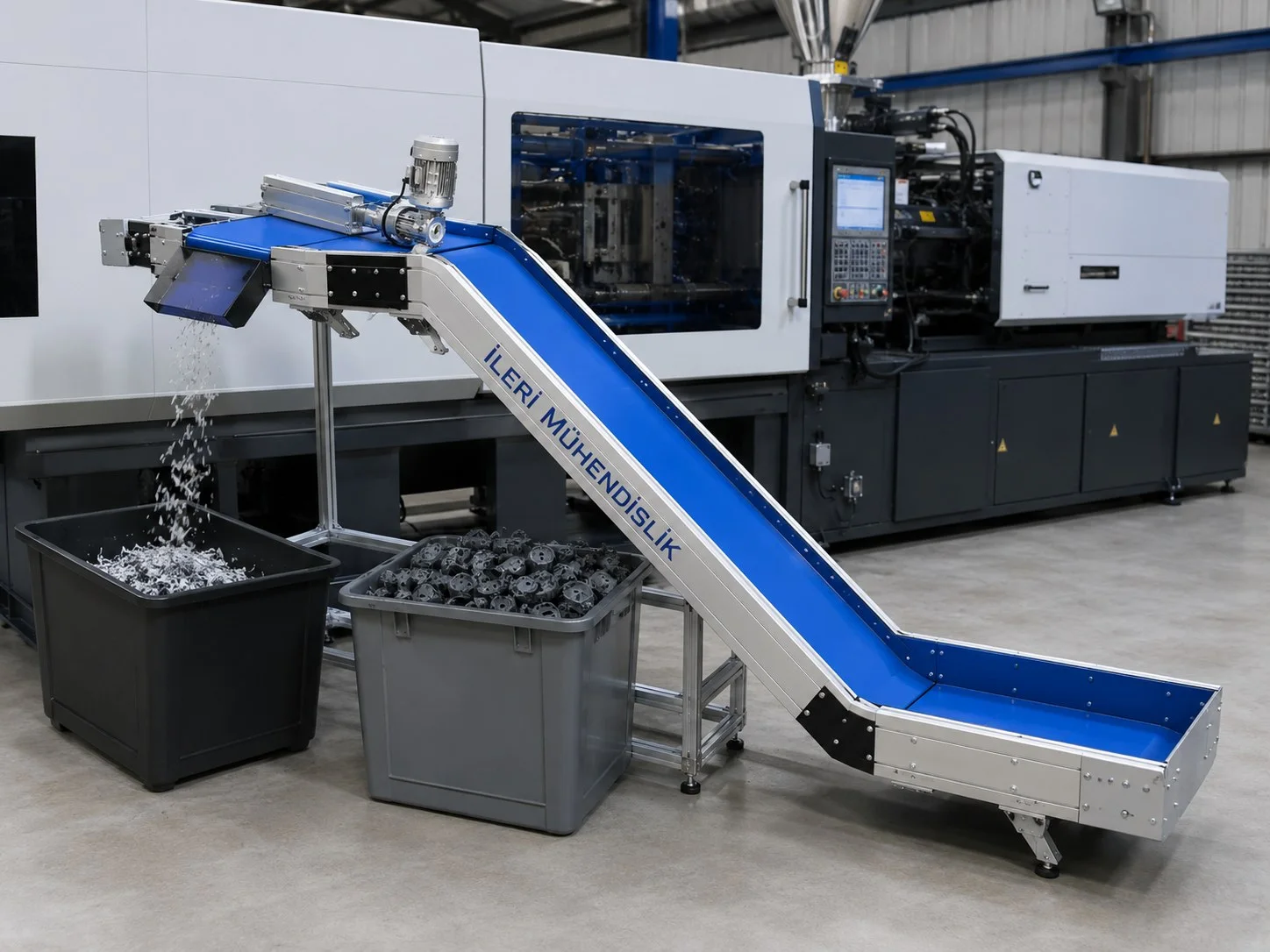
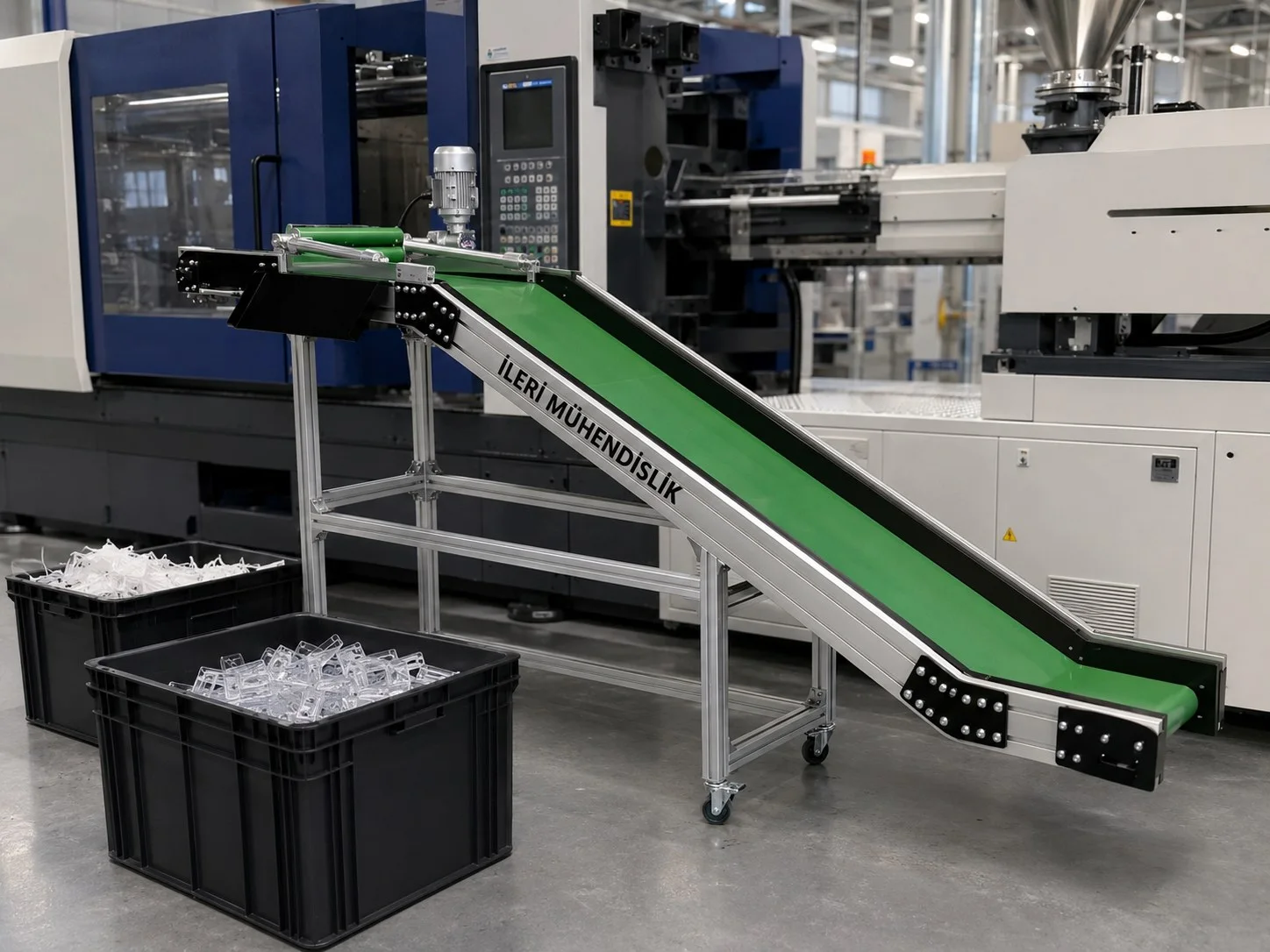
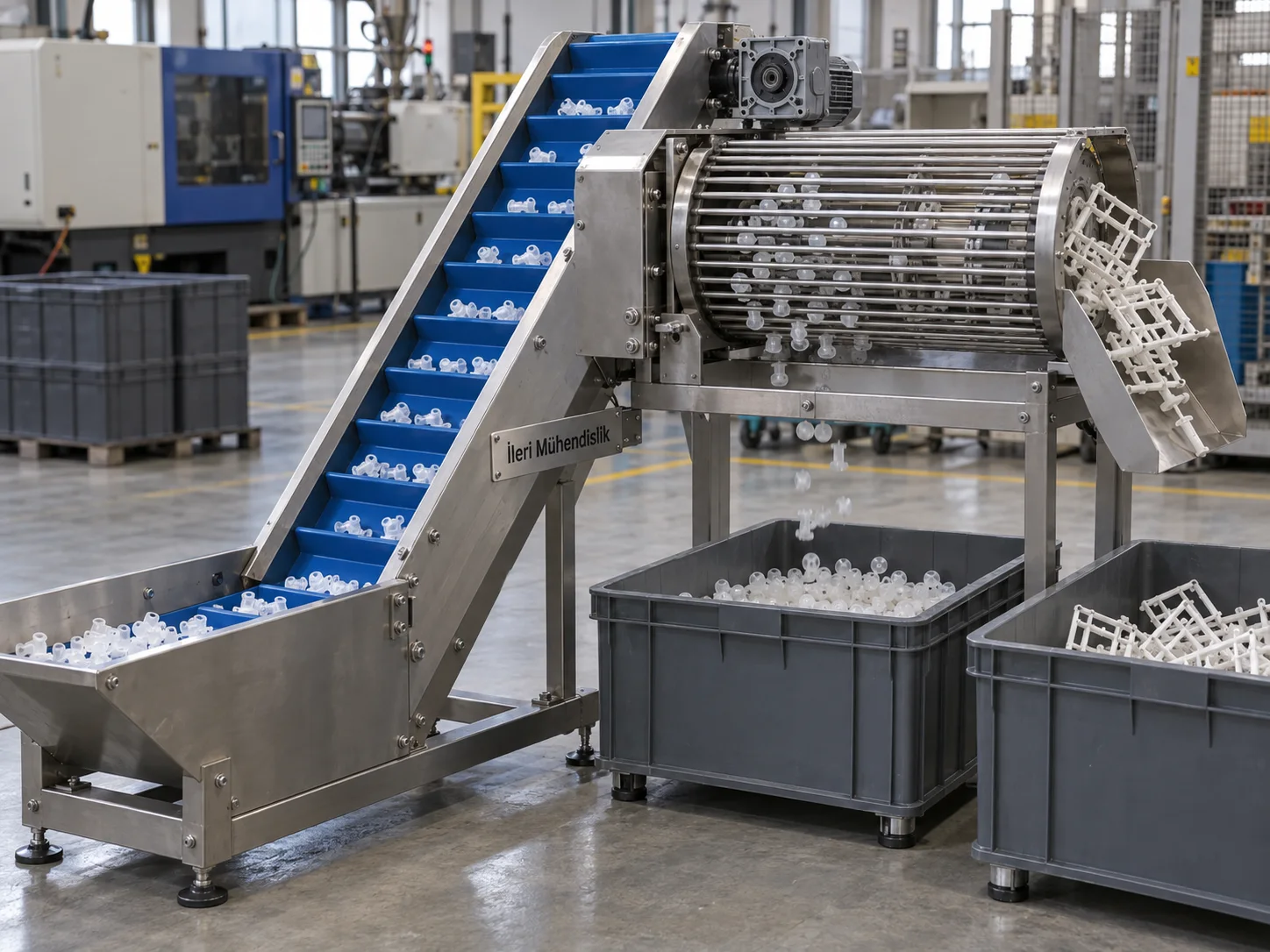
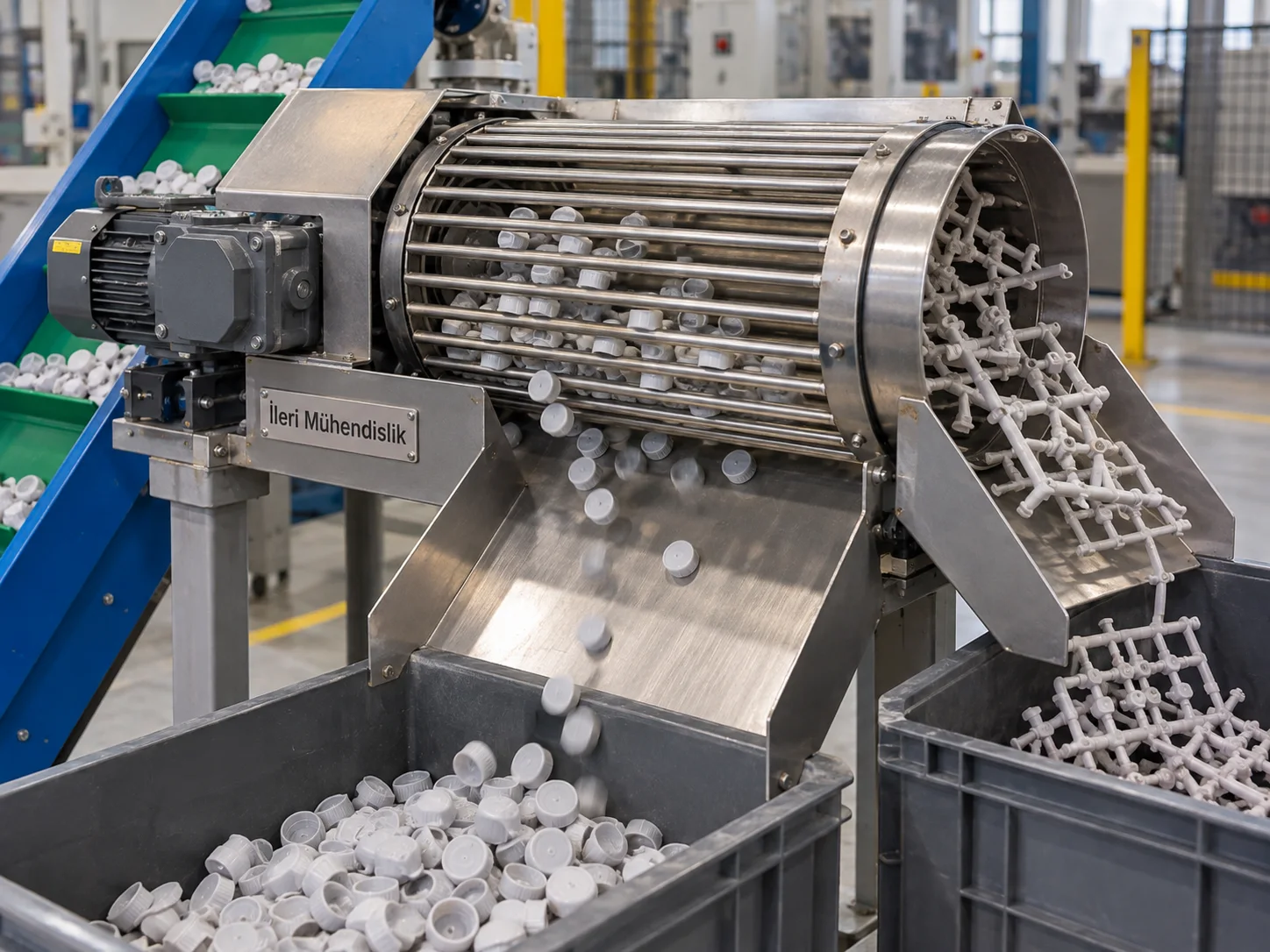
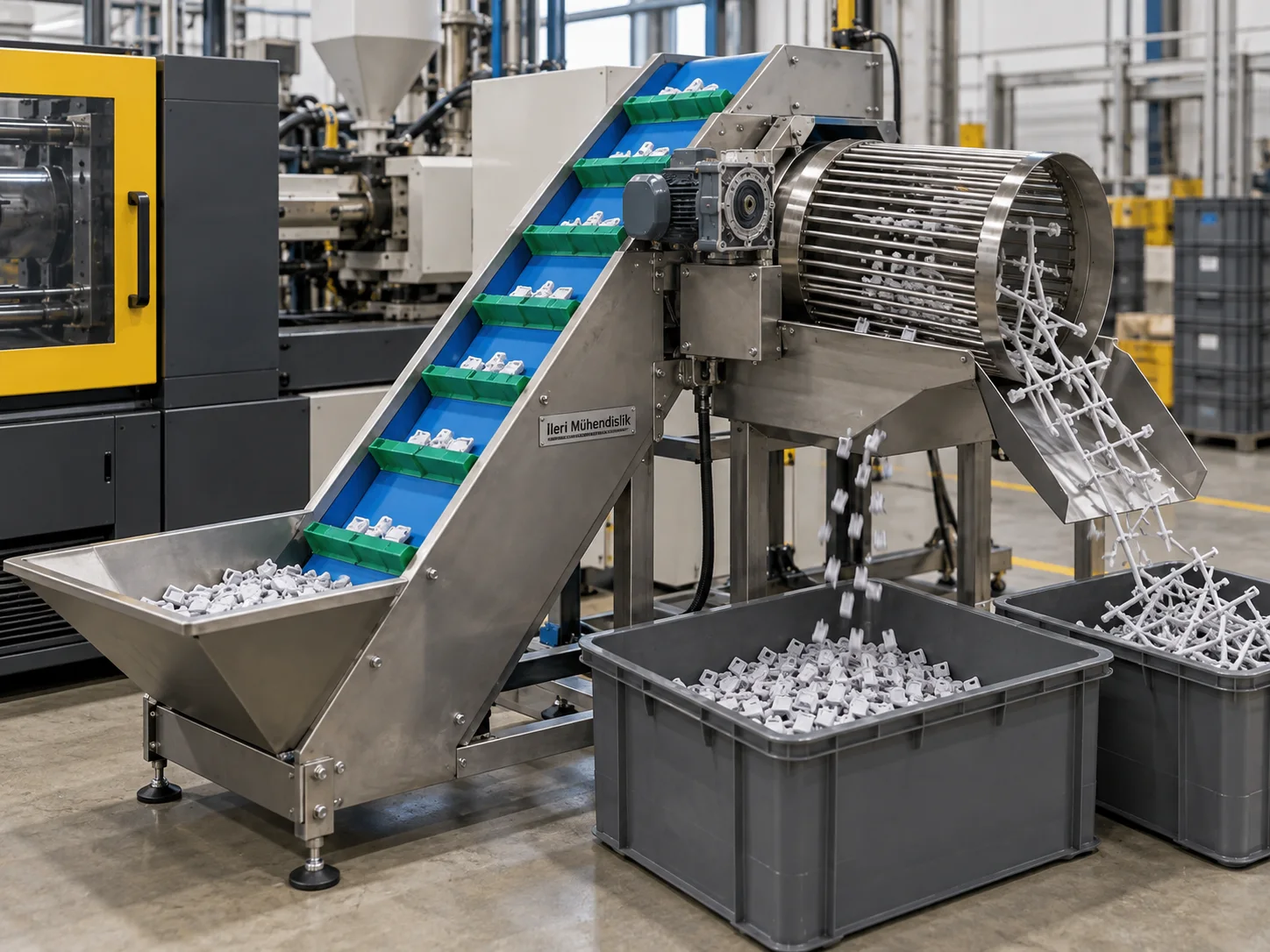
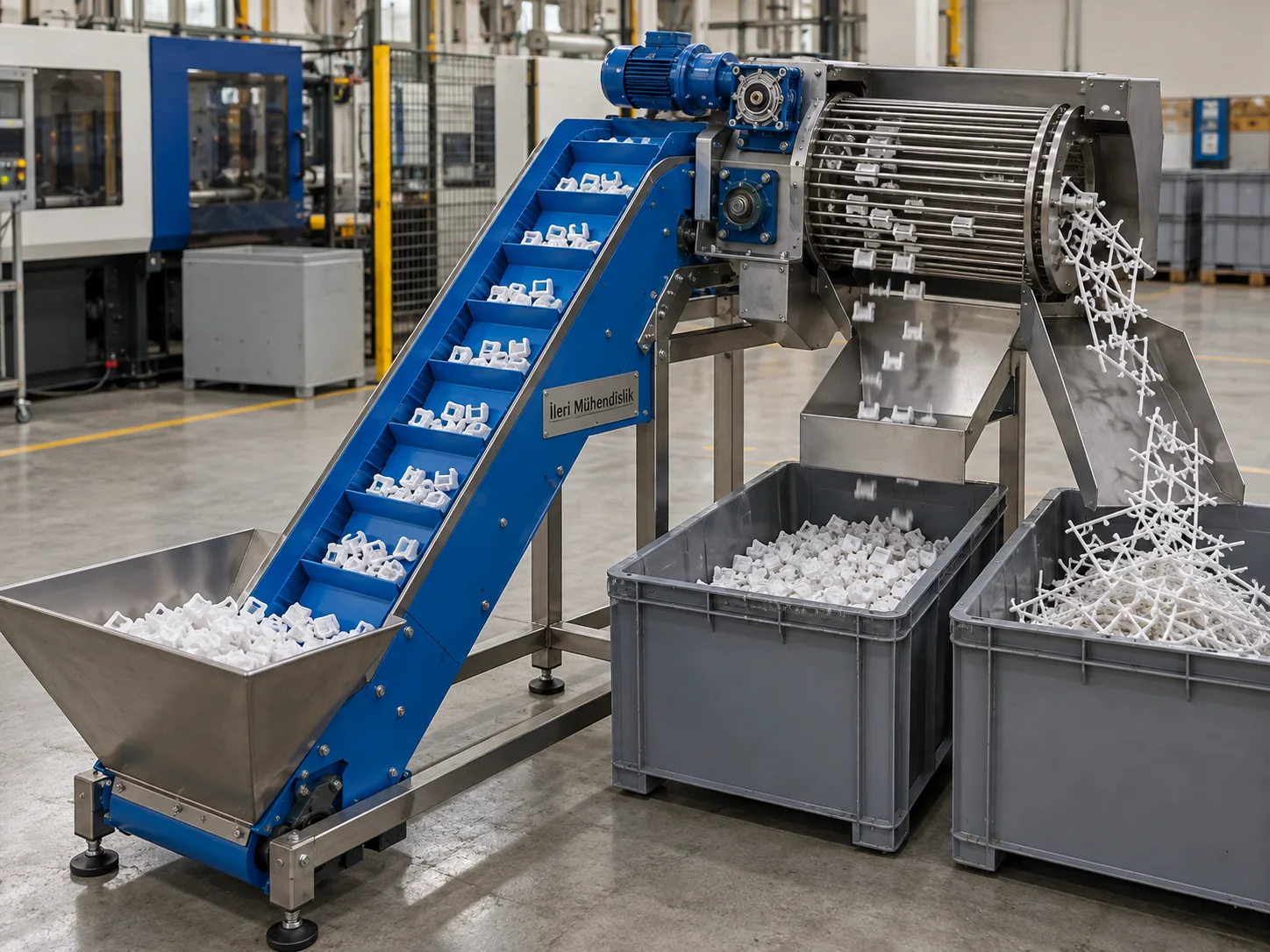
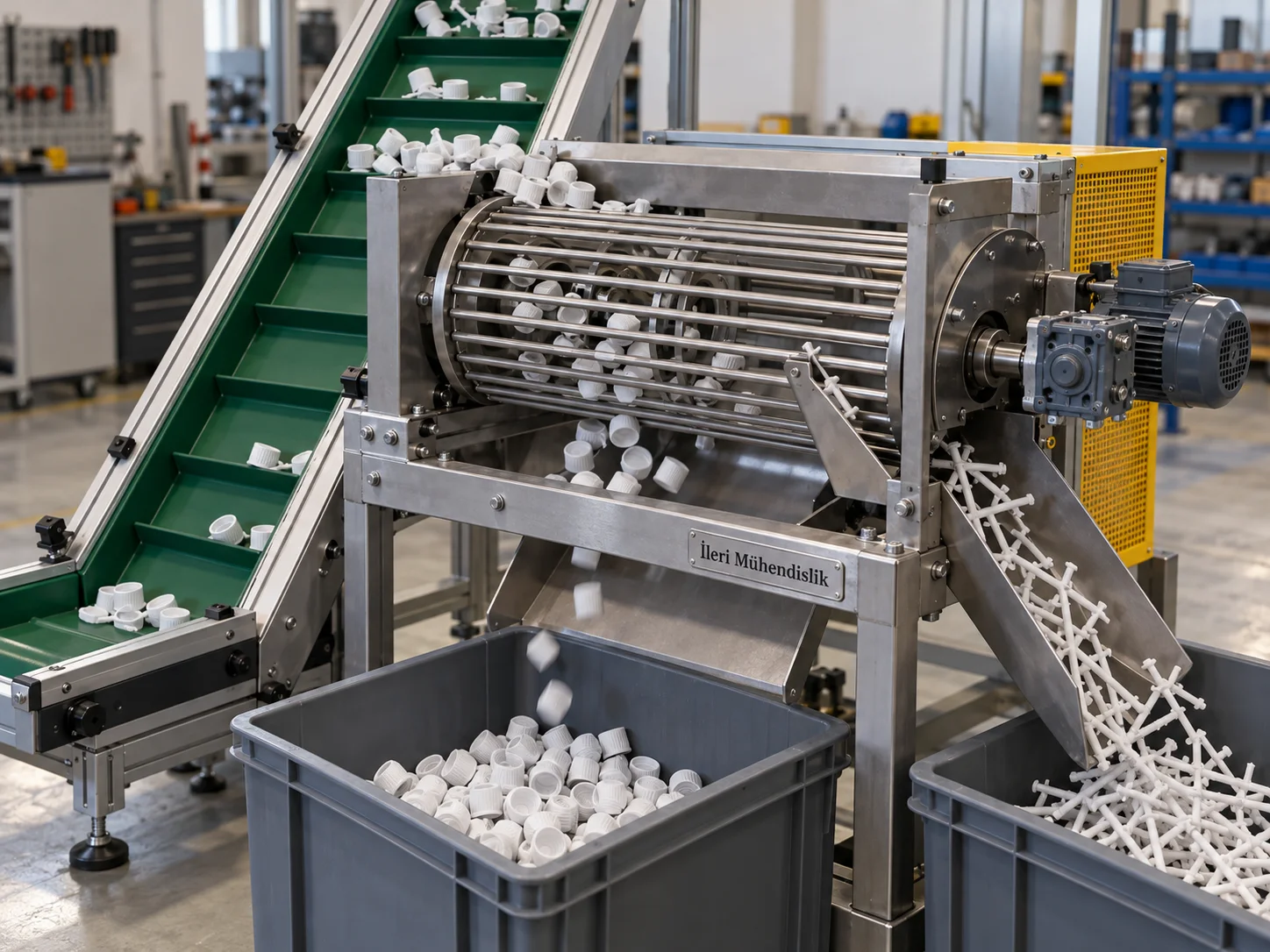
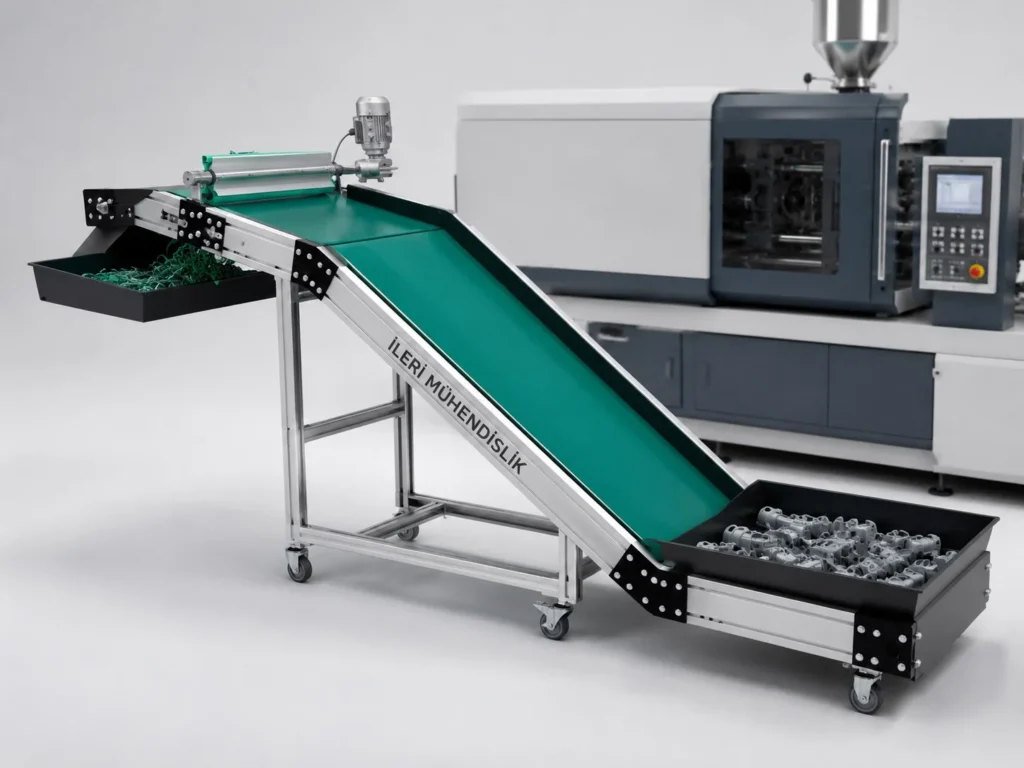
The road separating carriers are assessed to direct the road to different collection points with the product out of injection production. The separating division benefits from the shape and size differences of the parts while taking over the transportation task. Advanced Engineering deals with the separation order through real product and route samples. Thus it is aimed at creating a stream not only to carry the material, but to create a stream that fits the separate collection needs after production.
In what conditions are the road separation carriers used?
Mechanical separation must have features that will allow the product and the trail to behave differently in the separator. Size, the maximum, thickness, shape and flexibility affect this behavior. It is not always enough that a measurement is different; it is also important in which direction the piece reaches the separation area. The passage of the trail in some directions from the openness and the setting in another direction can cause interference during the work.
If the product and the road are still connected, it may not be enough to use the only separation clarity. The need for cutting or cutting should be evaluated separately from the transportation function. It is therefore important to show the real situation from production by photo and sample. The broken road parts, stripes and different sizes of products that come in a circle should also be included in the sample assessment.
Choosing the selection of sample
When the separator's clarity is determined, the smallest transition size of the product is examined in the area where the road is covered in different directions. It can be misleading to look only at the longest length of the piece. When a thin product turns side, it can pass a small range than expected. The distant road can be installed in other parts in some locations. The separation method should be chosen taking into account these possibilities.
In sample control, the mass flow in production speed is as important as the one piece is passed calmly. The riding or rolling of parts in a row can change the separation behavior. In necessary cases, the spread of products and regular nutrition are assessed before separation. Success is controlled by the product and the journey to reach the right outputs in real circular conditions.
Not to feed from the carrier to the separator
The band width and speed must be consistent with the amount of product that comes to the separation area. The injection machine gives mass pieces in each circle is a different charging system from constantly single feed. The separator can make it difficult to pass by more products at a time. The circulation time, the unit of the piece and the probability of accumulation are included in the supply order, indicating in the supply stage.
The height of fall in the entrance and the temperature of the product influence the band selection. The sensitive parts should not be hit before separation or should not be exposed to unwanted surface touch. If the carrier is type L or Z, the carrier palettes will also be studied how the product is dissolved to the separator. The speed, direction and entry point of the product separated from the band will be assessed together.
Products and output of the road
Under two separate outputs, sufficient space for the box, the box or the subsequent carrier should be left. The fact that the outputs of the product and the road outputs are very close to each other can cause remix during fall. The directional surfaces are arranged in such a way that the parts will reach the corresponding gathering point without collapse. The outputs height is controlled along with the product fall in the box full and empty.
The accumulation of routes at a output should not interrupt the main product flow. In the cash exchange, it is determined how the system will stop, whether the availability information is required and where the operator will interfere. If the material transferred to the next equipment, the capacity and acceptance conditions are matched. The work order of the equipment connected to the carrier should be shown in the same flow plan.
Need for change and change
If different patterns are used in the same machine, the product and path geometries may change. The separation setting that fits the previous product may not be used directly for the new product. The need for adjustable openness or adjustable parts should be evaluated from the beginning. The identification of the setting of each product group will help to make the post-changing control more regular.
The climbing, relaxing connection or accumulated plastic remains in the separation area may affect the transition behavior. Access to these areas is left for cleaning and maintenance. The setting or part-out process must be done after the moving system is safe stopped. Instead of random intervention during production, the stop flow and reboot method must be open in the working mode.
Information for the price of the transportation carrier
For the offer, the product and route samples, the measurements, the output temperature, the circle time and the number of pieces per circle must be shared. The carrier length, bandwidth, entrance-output coats and cash placement are also required. The separation method, setting range, six-material and control range change the price. If multiple patterns are used, the product group of each pattern must be evaluated together.
Frequently Asked Questions
Is each product and route mechanically separated? If geometers are close to each other or if parts are rolling, the conformity must be assessed on the sample.
Does the distinctive path break from the product? Cutting and separate parts are different processes to direct to different outputs.The necessary processes must be explained before ordering.
Do you need to stay and change? If the product and the route measurements change, the separation arrangement should be re-controled. The need for a set or modified element is determined according to this variety.
The existing product information
| The product | The road transfer |
| The basic function | Separate the road with plastic pieces through the appropriate separation mechanism |
| Area of Application | Product collection after injection |
| Information needed in the election | The form of the piece, the size difference, the circle |
| Technical control point | The success of the distinction must be assessed on the sample |
Ask about this product or application
Product images