
Polyurethane / PU covered roles
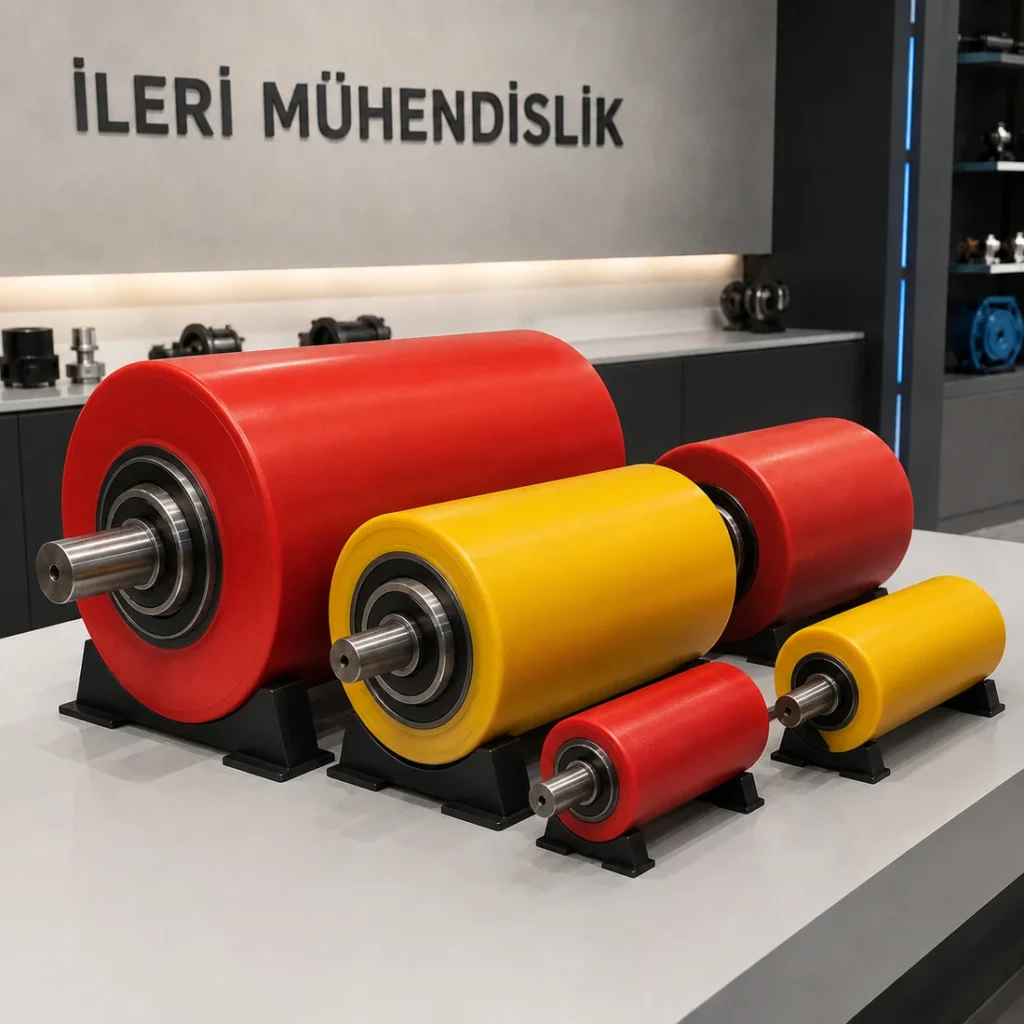
Polyurethane / PU Covered Rules Visual Gallery
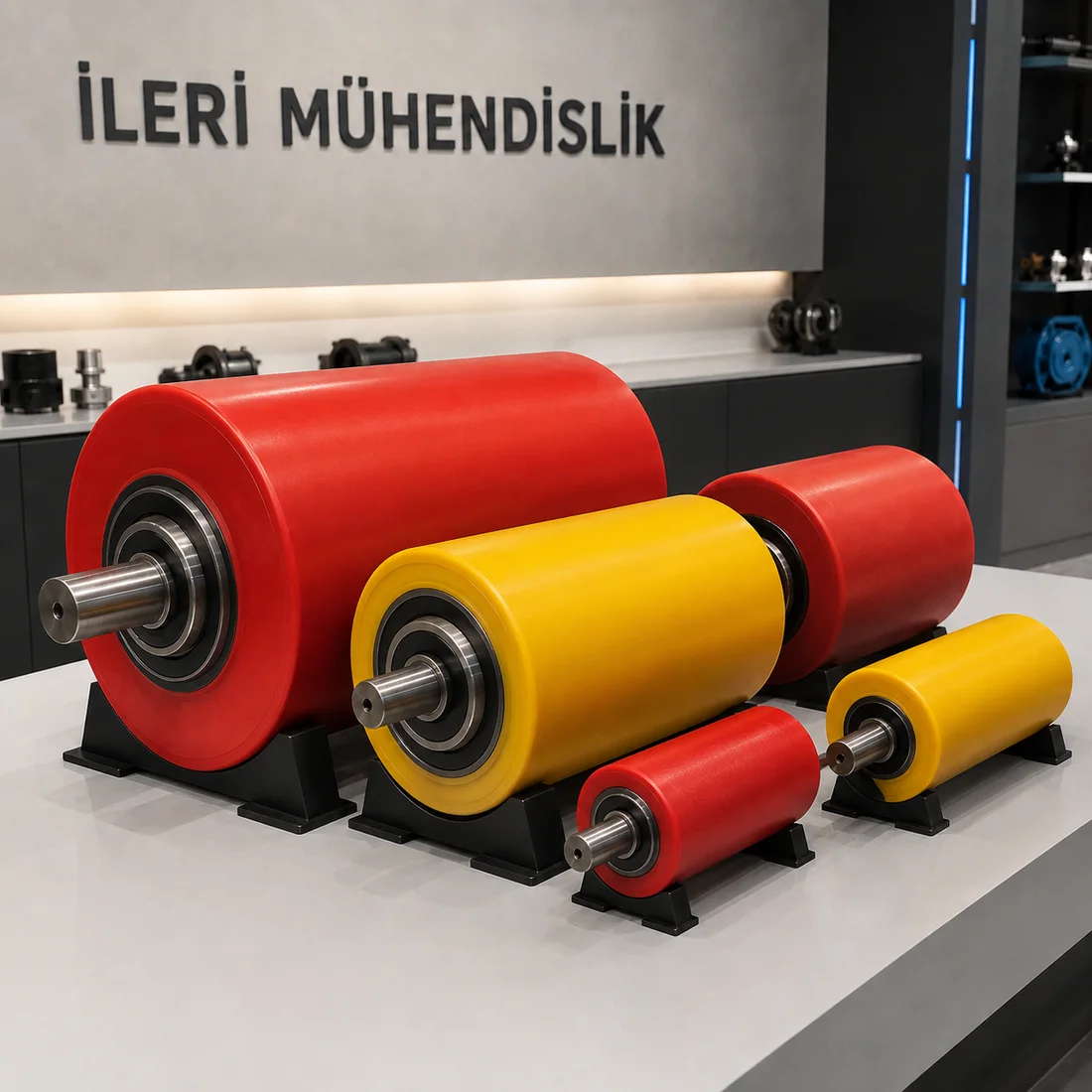
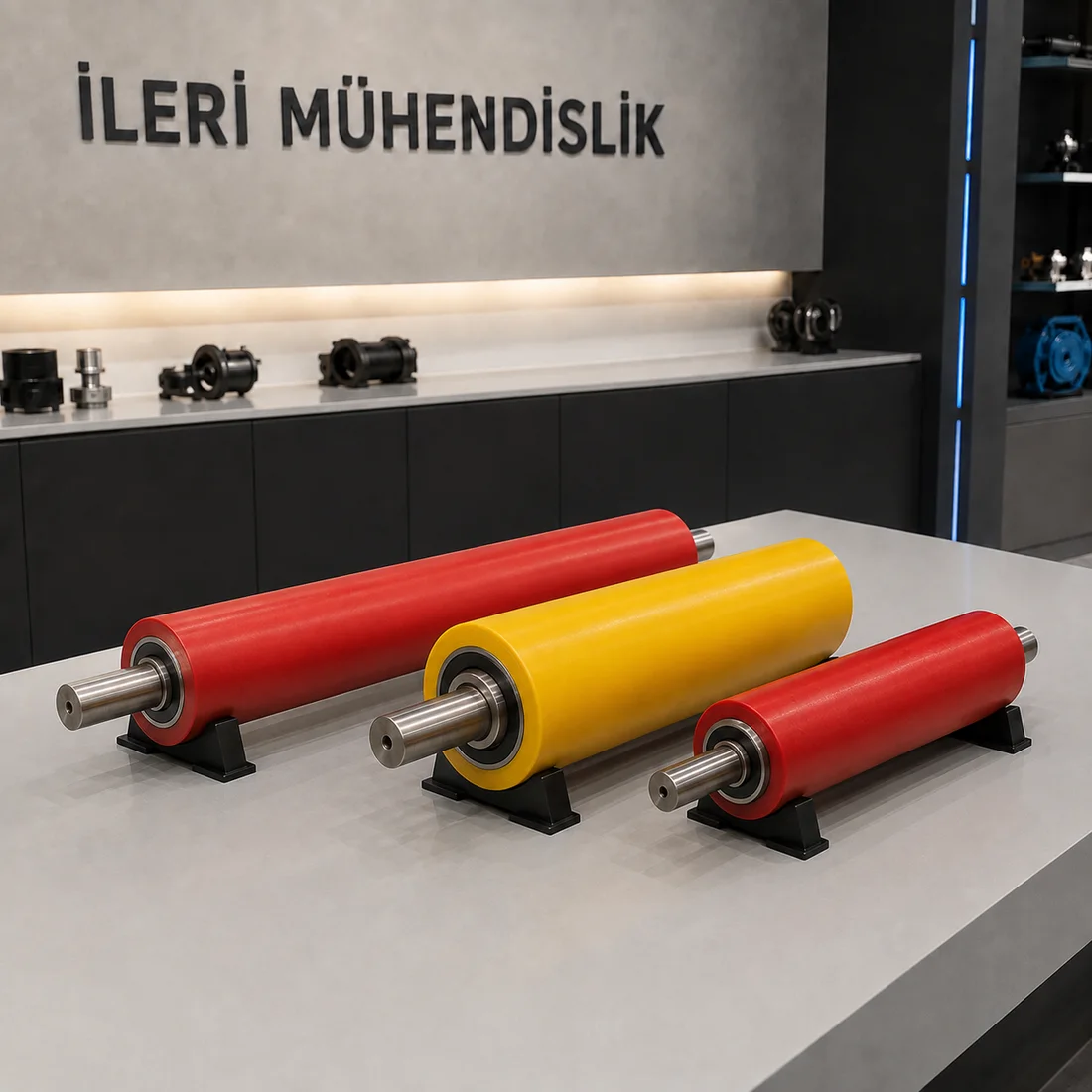
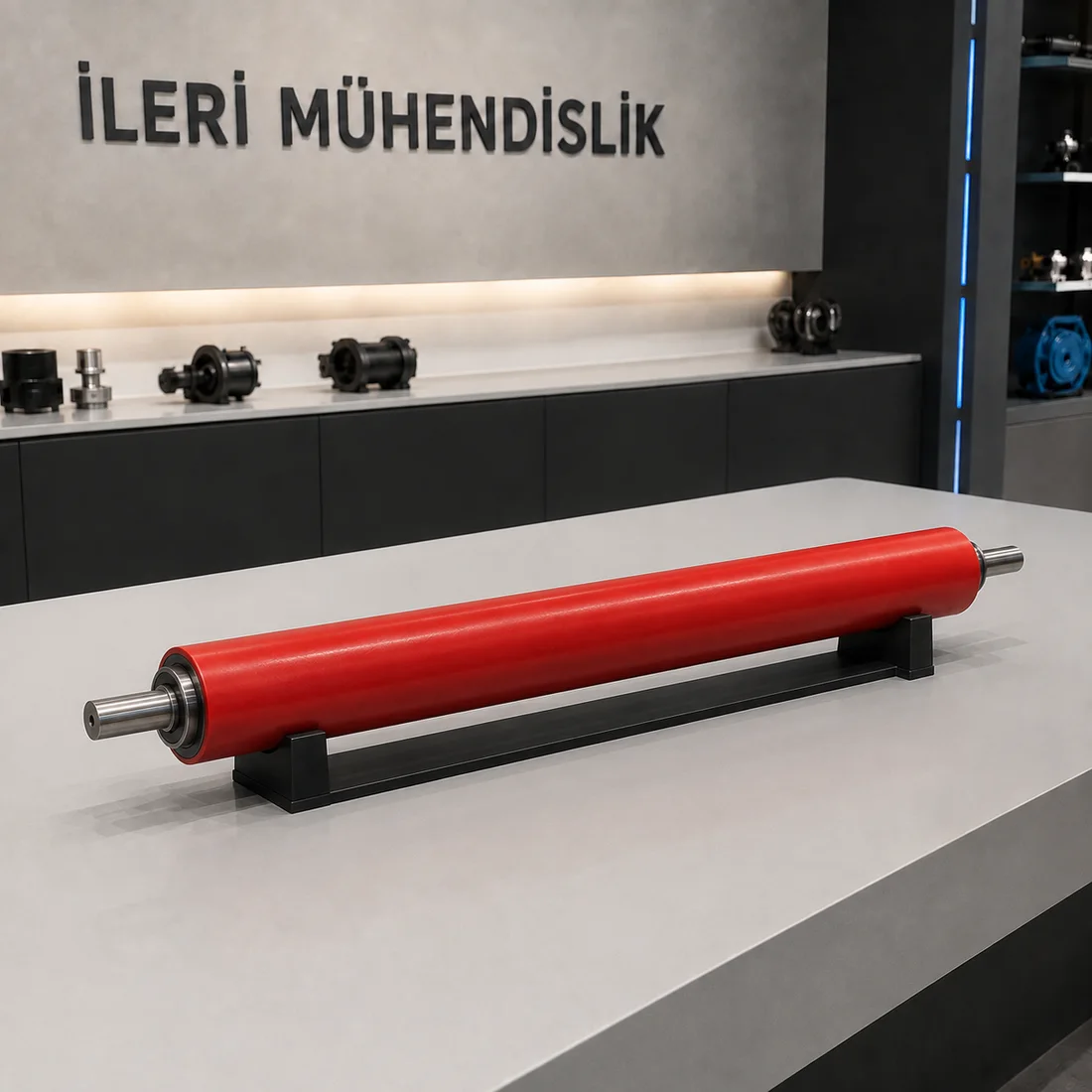
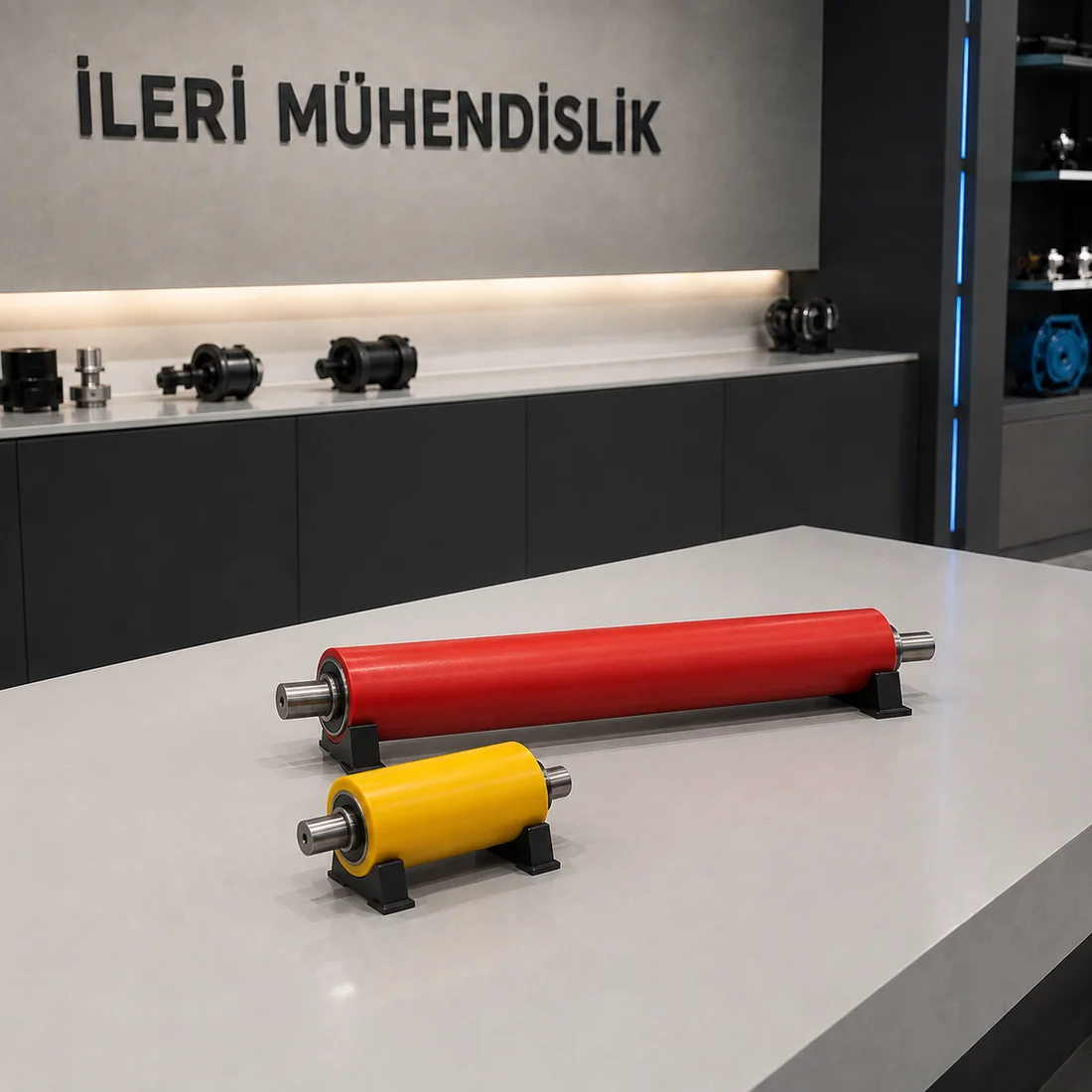
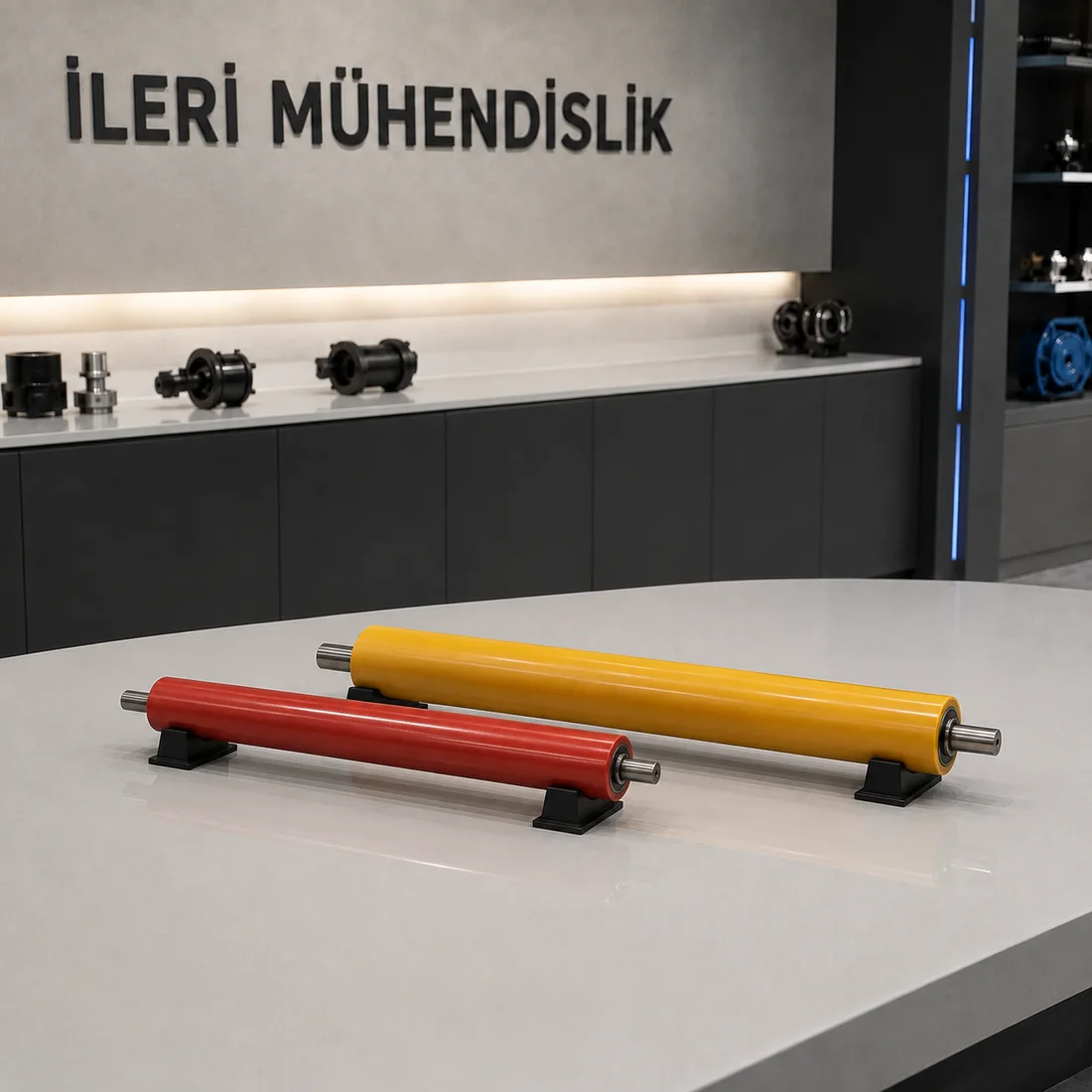
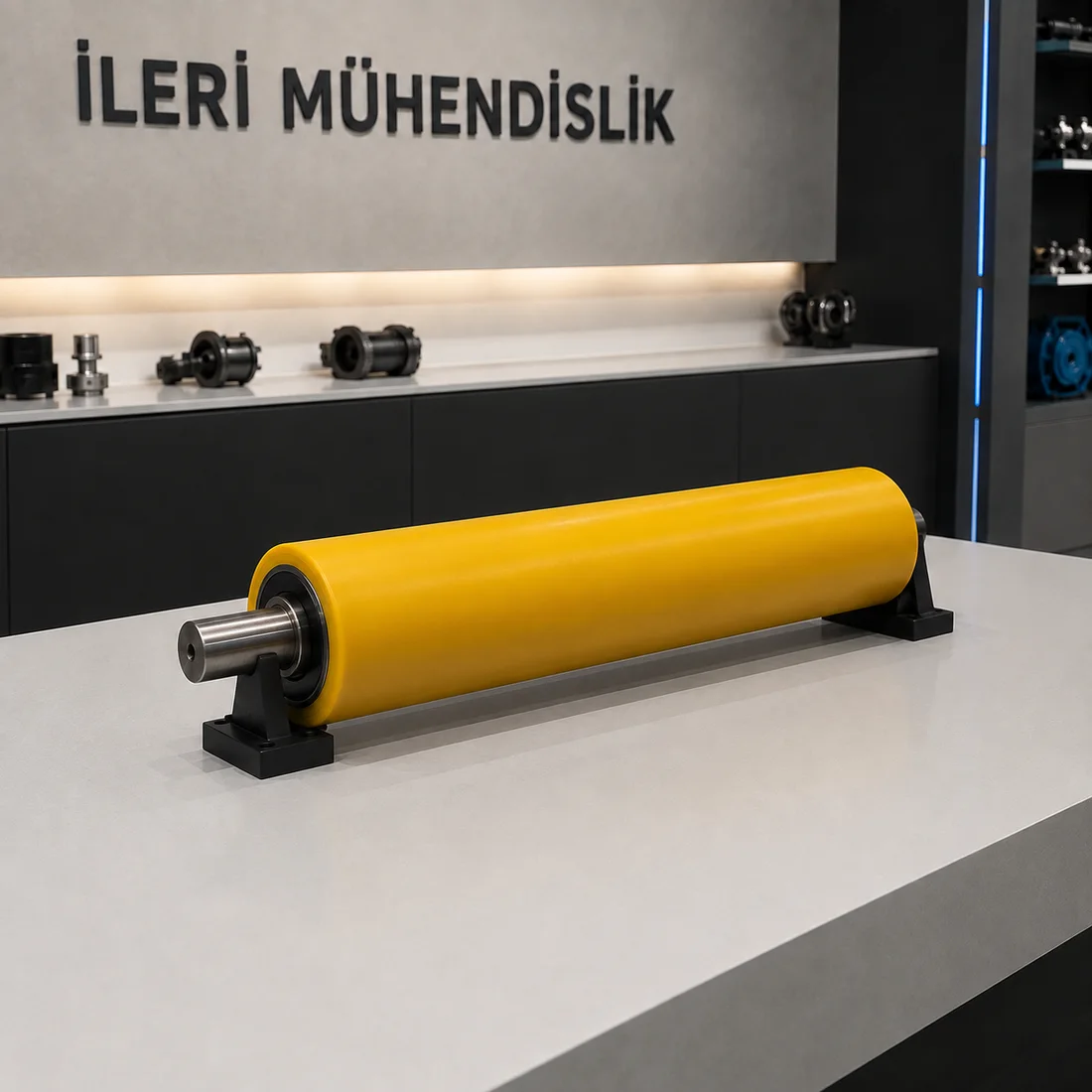
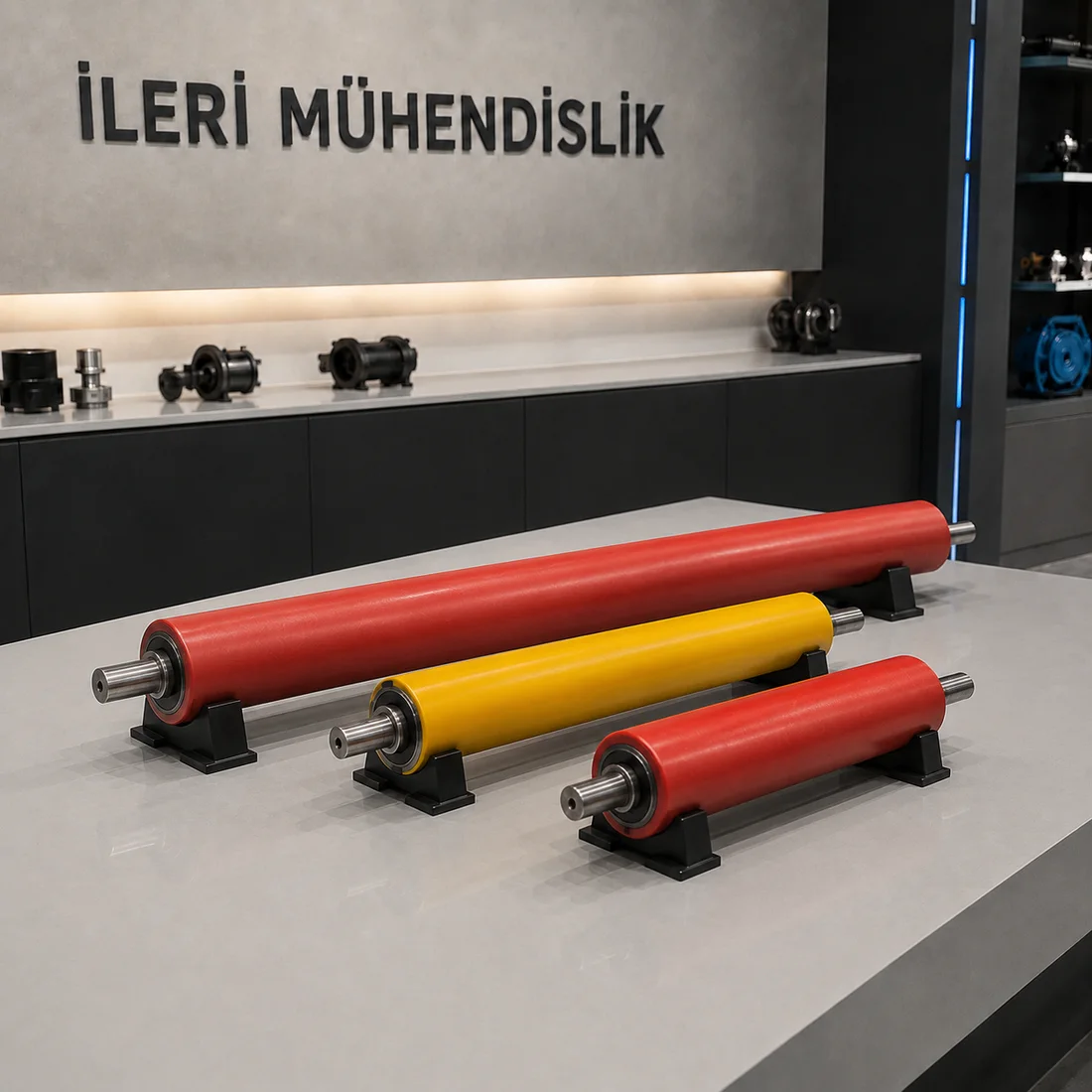
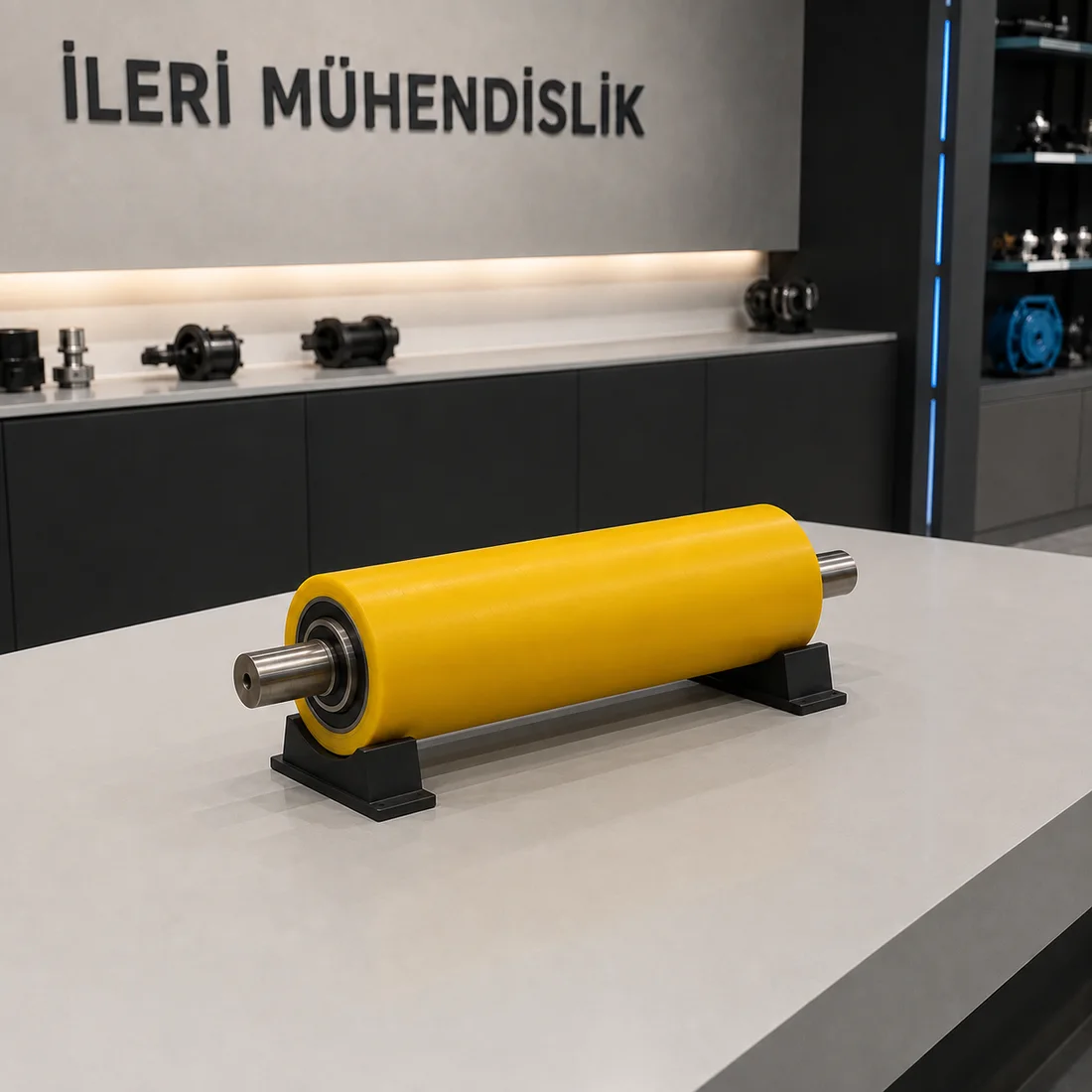
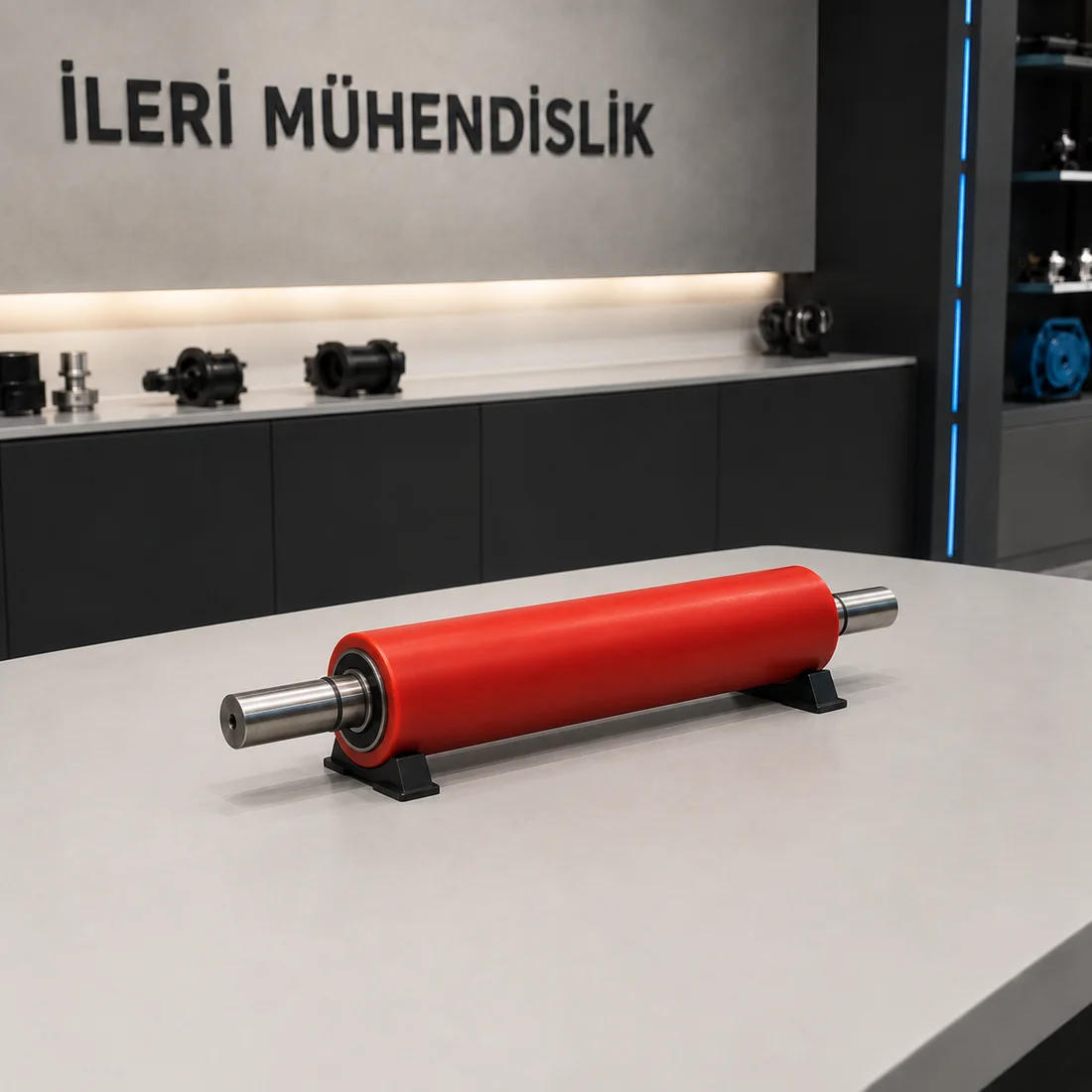
Polyurethane / PU Covered Rolls — Polyurethane contact surface, stretching and product surface protection are assessed together when required. Finished outer diameter, coating thickness and hardness options should be specified in addition to body and bed information.
Polyurethane-covered rolls are special-covered carriers rolls used in applications that require stretching resistance, surface protection, controlled attachment and longer life of work in the carriers systems. Unlike standard metal-covered rolls, polyurethane-covering makes the contact between the product and the rolls more controlled and in some applications can provide a more enduring surface solution than rubber-covering.
Advanced Engineering is the manufacturing of special polyurethane-covered rolls with different diameter, size, mil structure, body material and coating thickness options. Roll body can be produced from steel, galvanized, stainless or special materials according to the area of use. Polyurethane coating hardness, coating thickness, surface structure and roll size should be determined according to the structure of the product to be moved.
When choosing a polyurethane-covered roll, only the roll diameter and tube length are not enough. The weight of the product to be carried, the product surface, the work speed, the environmental conditions, the condition of coating, the contact form between the roll and the product and the expected performance from the coating should be assessed together. The wrongly selected coating hardness or coating thickness may cause the roll to not show the expected performance.
What is a polyurethane covered roll?
Polyurethane-covered roll is a special roll sort produced by covering the outer surface of the carrier roll with a metal or different body structure with polyurethane material. Polyurethane-covered roll is applied to create a more enduring, controlled and product-friendly contact surface on the roll surface.
This type of coating can be preferred according to needs such as drilling, stretching, blowing, surface protection and product attachment. Polyurethane-covered rolls can provide advantage especially in applications where standard metal surface can damage the product or the roll surface should be more enduring.
Where are polyurethane-covered rolls used?
Polyurethane-covered rolls can be used in transportation systems that require special transportation and surface touch in different industries. The protection of the product surface can be assessed on the lines that need to be provided with reduced rolling excess or more controlled transportation.
- Roleal Conveyor Systems
- Special machine transportation systems
- Precision of the product surface transportation lines
- Packaging and packaging lines
- Coli, cash and special product transport systems
- The application of the resistance
- Metal Part Transportation Systems
- Manufacturing and installation lines
- Automated lines
- Special measurement of the carrier roll
Polyurethane-covered rolls are preferred especially in applications that require surface resistance and controlled contact. If the carried product is not wiped, not drawn or the roll surface is not wiped in a short time, polyurethane-covering can be a suitable solution.
Why is a polyurethane-covered roll preferred?
The main reason for the preference of polyurethane-covered rolls is to provide a more enduring and controlled contact area on the roll surface. The polyurethane coating, selected in the appropriate hardness, can help the product move more regularly while also increase the roll surface's life of use.
In some applications, rubber coating may be enough, but in some applications it may require higher coating resistance or more different surface character. In such cases, polyurethane coated rolls are assessed. When the coating selection is made, the product structure, environmental conditions and working time must be considered.
Difference Between Polyurethane Covered Roll and Gum Covered Roll
The polyurethane-covered roll with the rubber-covered roll can be used for similar purposes; but the behavior of the two coating materials is not the same. rubber coating can often be preferred in applications that need more flexible contact and attachment. Polyurethane coating can provide advantage in stretching resistance, surface stability and special working conditions.
Which coating is more suitable; it should be determined according to the structure of the product to be moved, surface sensitivity, work speed, environmental conditions and the expected performance from the roll. Therefore, it is not enough to say just "covered roll"; the type of coating and hardness should be properly chosen.
Polyurethane-covered roller varieties
Polyurethane-covered rolls can be produced in different structures according to the need for use. Roll diameter, tube length, coating thickness, coating hardness, surface structure and mile processing details are determined according to the application.
The polyurethane roll
The rounds covered by flat polyurethane can be preferred in applications that require standard transportation and controlled surface touch. The rouling surface is covered straight and the contact surface is created in accordance with the product to be moved.
Polyurethane covered roll
Thick polyurethane-covered rolls can be used in applications that require more surface resistance or more specific contact structure. When the coating thickness is increased, the roll's outer diameter will also change, the conformity with the existing carrier system should be checked.
Special hardness polyurethane covered roll
Polyurethane coating hardness can be selected according to the application. More soft structures can help to maintain the product surface, while more hard structures can provide more resistant work against stretching. The right choice of hardness is important in terms of system performance.
Polyurethane covered roulette
In some drawing systems, the drawing rounds can be used to improve the movement transfer or to control the surface contact. The thickness of the cover and surface structure in these rounds should be determined by the way the system works.
What should be taken into account when choosing a polyurethane-covered roll?
When the selection of the polyurethane-covered rolls is made, the system and the task expected from the covering that the roll will work should be clarified. The covering should be applied not only for the surface appearance, but for a technical need.
- The roll
- The roll tube
- Total Miles
- Mills of
- Mills of detail
- The rolling material
- Polyurethane coverage thickness
- The hardness of polyurethane
- Type of product to be transported
- The Product Weight
- The surface sensitivity of the product
- The work speed
- The environmental conditions
- Expectations of the
- Information of the
If the current polyurethane-covered roll is the same to be produced, the outer diameter after covering of the old roll, the tube length, the total mile length, the mile diameter and if there is, the specific mile processing details should be measured. If the cover is overwhelmed, the new production size may be different from the old size. Therefore, the photo and use information is important in the offer process.
How to determine the polyurethane cover thickness?
The polyurethane coating thickness is determined by the carrier system and the product to be used by the roll. If the coating is very thin, the expected surface performance may not be achieved. If the roll is very thin, the outer diameter of the roll will grow and measurement disconnection with the existing system may occur.
Therefore, in the production of polyurethane-covered rolls, the existing roll bed, the carrier side hair, the roll roll roll, the product passage height and the system measurements should be taken into account. If the same of the old roll is required, the outer diameter after covering must be checked.
The advantages of polyurethane-covered roll
Polyurethane-covered rolls can provide a more controlled and durable transport surface than standard metal surface rolls in the correct application. The selection of covering, especially on specific product transport lines, contributes to the efficient operation of the system.
- It can provide resistance
- It helps to protect the surface.
- Creates a controlled contact surface
- It can help to reduce the slurry.
- can be produced in different hardship
- It can be applied specifically.
- can be produced in different sizes and dimensions.
- can be adapted to special carrier systems
How to determine the price of polyurethane covered roll?
The price of the polyurethane-covered roll varies according to the roll diameter, tube length, mile diameter, body material, coating thickness, polyurethane hardness, mile processing details and the details of the unit. The standard avare roll and the polyurethane-covered special roll are not at the same cost.
To give a net price, the roll diameter, tube length, total mile length, mile diameter, coating thickness, coating hardness and piece information must be shared. If the measurements are not clear, a pre-evaluation can be made through the photo of the old roll.
Get a quick offer for a polyurethane-covered roll
For your need, you just share your roll sizes, use area and individual knowledge. If the same current roll is produced, sending a photo will speed up the offer process.
for other rounds Conveyor Rollers You can check our page for similar covered solutions Rubber covered roles You can look at the page. to create a quick offer The fast roll offer You can use the page.
The phone: 0212 549 70 25
The WhatsApp: 0506 344 11 03
The email: info@ilerimuhendislik.com
Interested products and application links
- All types of carrier roles
- Rubber covered roles
- PVC covered rollers
- Share your roll sizes and ask for an offer
Technical information on other sites
You can also read the descriptions on our other Advanced Engineering sites for the same product group. We can clarify the technical scope of your measurement-specific product together through your existing parts and working conditions.